Are you trying to find the perfect way to keep your baby close while staying hands-free? You’ve probably come across both baby wraps and baby carriers, but which one is right for you?
Understanding the difference between a baby wrap and a baby carrier can make a big difference in comfort, convenience, and safety for both you and your little one. Keep reading to discover how each option works and which one suits your lifestyle best.
Your baby’s comfort and your ease of movement depend on it!
Baby Wrap Basics
Understanding baby wraps helps parents choose the best babywearing option. Baby wraps are long pieces of fabric. They wrap around the parent’s body to hold the baby close. These wraps offer comfort and closeness. They differ from structured carriers in many ways. Learning the basics makes using a wrap easier and safer.
Material And Design
Baby wraps are usually made from soft, stretchy fabric. Cotton and bamboo blends are common choices. The fabric must be breathable and strong. The design is simple—a long cloth, often 5 to 6 meters. It has no buckles or clips. This simplicity allows parents to tie the wrap in different ways. The fabric’s stretchiness provides snug support for baby and parent.
How To Use A Baby Wrap
Using a baby wrap requires practice and patience. Parents wrap the fabric around their body in specific patterns. The baby is placed inside the wrap, close to the chest or back. The fabric holds the baby securely, distributing weight evenly. Tying the wrap correctly ensures safety and comfort. Parents often watch videos or follow guides to learn tying techniques.
Benefits For Baby And Parent
Baby wraps help babies feel safe and calm. The close contact supports bonding and emotional security. Wraps also support baby’s head and hips well. Parents enjoy having their hands free. Wraps spread the baby’s weight evenly, reducing back pain. They fit many body types and can be adjusted easily. Wraps offer closeness without bulk, perfect for everyday use.
Baby Carrier Essentials
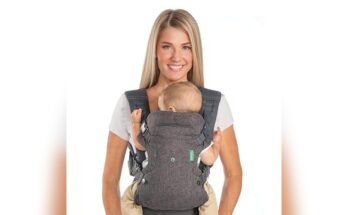
Choosing the right baby carrier is important for comfort and safety. Baby carrier essentials help you understand what to expect. They show how carriers differ from baby wraps. Knowing these basics makes your choice easier.
Baby carriers come in many styles, each with unique features. Comfort, support, and ease of use are key points to check. Parents want a carrier that fits their lifestyle and baby’s needs.
Types Of Baby Carriers
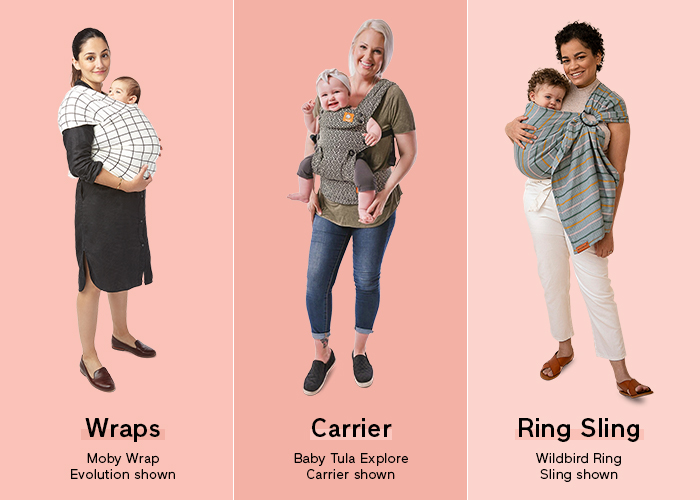
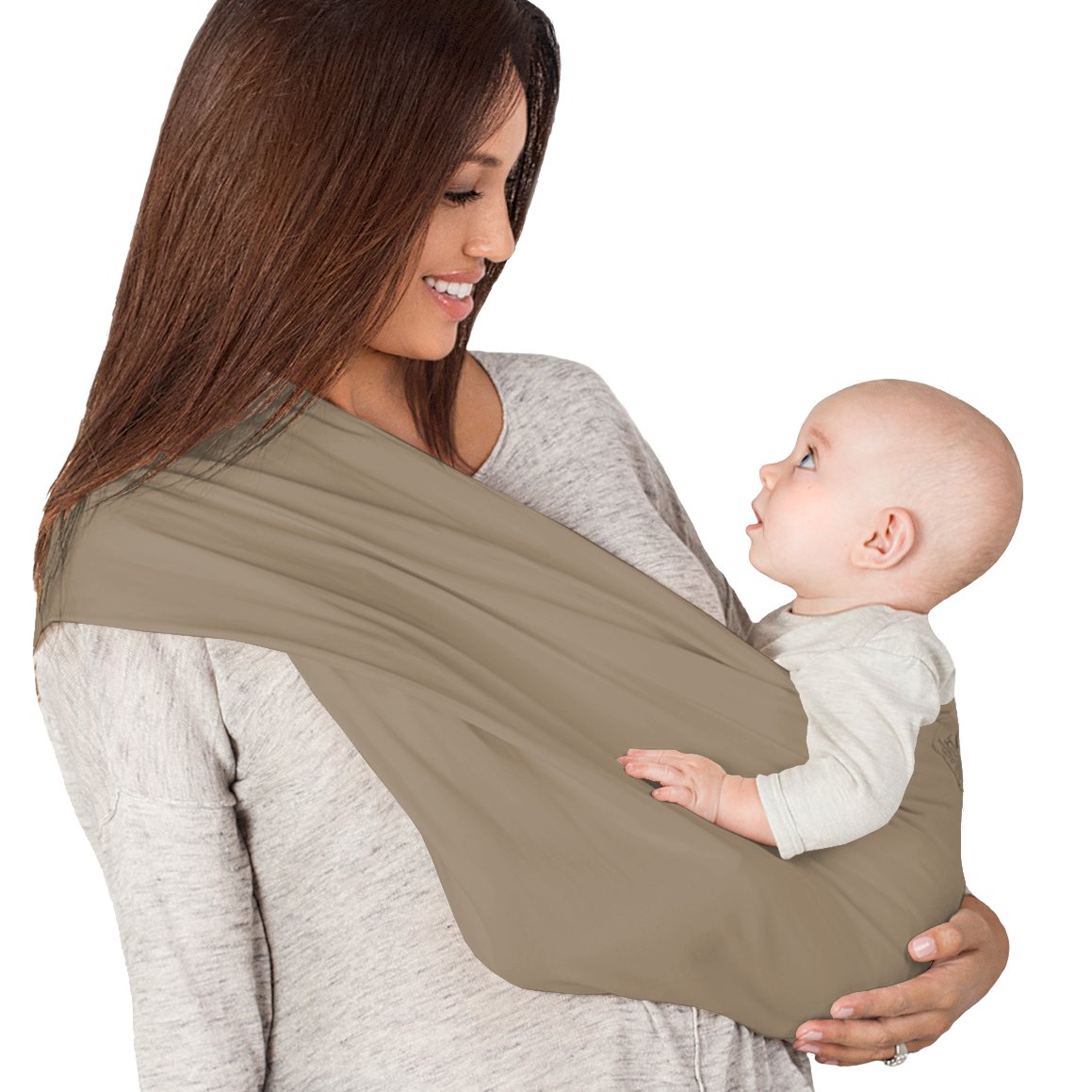
There are several types of baby carriers. Soft structured carriers have padded straps and buckles. They offer good support for long wear. Mei Tai carriers use fabric with straps to tie around the body. Ring slings are single-shoulder carriers that adjust with rings. Each type suits different activities and comfort levels.
Features And Adjustability
Look for carriers with adjustable straps and waistbands. These help fit the carrier to your body and baby. Some carriers have extra padding for more comfort. Others come with pockets for small items. Breathable fabric keeps both baby and wearer cool. Safety features like secure buckles are essential.
Ease Of Use
Ease of use matters for busy parents. Some carriers are simple to put on and take off. Others require practice to wrap or tie properly. Quick adjustments are helpful when you need to change positions. A good carrier lets you keep your hands free and your baby close.
Comfort And Support
Comfort and support are key when choosing between a baby wrap and a baby carrier. Both aim to keep your baby safe and cozy. Yet, their design affects how well they support your baby and you. Understanding these differences helps you pick the best option.
Ergonomics For Baby
Baby wraps allow a natural, snug hold. They support the baby’s hips and spine in a healthy position. The fabric molds around the baby, offering gentle support. Baby carriers often have structured seats. These seats keep the baby upright with firm support. Both can promote good posture if used correctly.
Parent’s Comfort
Wraps feel soft and flexible on the parent’s body. They adjust to fit different sizes and shapes. This flexibility can ease pressure points. Carriers have padded straps and buckles. These add comfort but can feel stiff at first. The choice depends on how you prefer to carry your baby.
Weight Distribution
Wraps spread the baby’s weight evenly across shoulders and back. This can reduce strain during long wear. Carriers focus weight on specific areas like hips or shoulders. Good carriers have wide straps to balance the load. Proper fit is important to avoid discomfort.

Credit: sollybaby.com
Safety Considerations
Safety is the most important factor when choosing between a baby wrap and a baby carrier. Both options hold your baby close, but each has unique safety points. Understanding these helps keep your baby secure and comfortable. Below are key safety considerations to know before using either.
Proper Positioning
Proper positioning keeps your baby safe and supports healthy growth. The baby’s head must stay upright and visible at all times. Avoid covering the baby’s face with fabric. Ensure the baby’s chin does not rest on their chest. This can block airways and cause breathing problems. The hips should be in a natural spread-squat position. This helps prevent hip dysplasia and supports joint health.
Age And Weight Limits
Each baby wrap and carrier has specific age and weight guidelines. Using a carrier or wrap beyond these limits can be unsafe. Wraps often suit newborns and smaller infants better. Structured carriers usually support older babies and toddlers. Always check the manufacturer’s instructions. Follow these limits strictly to avoid injury or discomfort.
Material Safety
The material of the wrap or carrier affects safety and comfort. Look for soft, breathable fabrics that reduce heat and sweating. Avoid materials that can irritate sensitive baby skin. Strong, durable fabrics prevent tears and accidents. Choose hypoallergenic and non-toxic materials. These keep your baby safe from allergies and skin reactions.
Convenience And Portability
Convenience and portability are key when choosing between a baby wrap and a baby carrier. Parents want something easy to carry and simple to use. Both options have pros and cons in these areas. Understanding these differences helps pick the best fit for daily life and travel.
Packing And Storage
Baby wraps fold into small, soft bundles. They fit easily into a bag or backpack. No hard parts take up space. Baby carriers are bulkier. Many have buckles and straps that need more room. Some carriers fold flat but still weigh more. Wraps win for saving space and easy packing.
Travel Friendliness
Wraps are light and flexible. They adapt to tight spaces like buses or planes. Carriers offer more support but can be heavy. They may feel bulky on long trips. Wraps suit quick travel and short outings. Carriers work well for longer walks or hiking trips.
Quick Adjustments
Wraps require time to tie and adjust properly. This can slow down quick changes. Carriers come with buckles and straps for fast fitting. They allow quick adjustments without unwrapping. For parents on the move, carriers offer speed and ease. Wraps need practice to adjust quickly.
Credit: www.babylist.com
Style And Appearance
Style and appearance play a big role when choosing between a baby wrap and a baby carrier. Parents want something that looks good and feels comfortable. Both options offer different styles and looks. These differences can help match your personal taste and daily needs.
Variety Of Designs
Baby wraps come in many colors and patterns. They often have soft, flowing fabric that wraps around the body. This creates a cozy and natural look. Baby carriers usually have a structured design with buckles and straps. They come in solid colors or simple patterns. The design focuses on support and ease.
Customizable Options
Wraps can be tied in different ways. This lets parents change the style and fit easily. You can adjust the wrap to suit your size and baby’s position. Carriers have adjustable straps and buckles. These adjustments offer a secure and firm hold. Some carriers also have extra pockets or hoods for added features.
Fashion Vs Function
Wraps often look more stylish and flowy. They can feel like part of your outfit. Carriers focus on function and support. They are made for quick use and safety. Each has its own appeal. Parents choose based on what fits their lifestyle and taste best.
Cost Comparison
Comparing the costs of baby wraps and baby carriers helps parents choose the best option for their budget. Both serve the purpose of carrying babies safely but differ in price and value. Understanding these differences can guide smart spending.
Price Range
Baby wraps often cost less than baby carriers. Simple wraps can be found for under $30. Some high-quality wraps may cost up to $70. Baby carriers usually start around $50 and can go over $150. The price depends on the brand, features, and materials used.
Value For Money
Wraps offer good value for parents who want a soft, flexible option. They can be used in many ways and adapt to different baby sizes. Carriers provide more structure and support, which some parents find worth the higher cost. Choosing depends on your comfort and how often you plan to use the item.
Longevity
Wraps can last through various baby stages, from newborn to toddler. Their adjustable nature allows long-term use. Carriers also grow with your child but may have weight limits or size restrictions. Some models offer extra features to extend usability, which might affect the cost.
Credit: newnativebaby.com
Choosing The Right Option
Choosing the right baby wrap or carrier matters a lot. It affects comfort, safety, and your daily routine. Both options help you carry your baby close. But each suits different needs and lifestyles. Understanding these differences guides you to the best choice for you and your child.
Lifestyle Factors
Think about your daily activities. Are you often outdoors or inside the house? Baby wraps suit calm, short trips well. They are soft and flexible. Baby carriers offer more support for long walks or errands. Carriers usually have pockets and straps for hands-free use. Pick what fits your usual day best.
Baby’s Age And Needs
Newborns need gentle support for their head and neck. Baby wraps provide snug, close contact. They help soothe and calm young babies. Older babies can use carriers with more structure. Carriers give better back and hip support as babies grow. Match the option to your baby’s size and development.
Parent’s Preferences
Some parents prefer wraps for their soft fabric and close feel. Others like carriers for their ease of use and fast wear. Try both to see what feels comfortable. Consider how easy it is to put on and take off. Your comfort matters too. Choose what makes carrying your baby joyful and simple.
Frequently Asked Questions
What Is A Baby Wrap Used For?
A baby wrap is a long piece of fabric used to securely hold a baby close. It distributes weight evenly, offering comfort and flexibility for parents and babies during carrying.
How Does A Baby Carrier Differ From A Wrap?
A baby carrier is a structured, often padded, device with buckles or straps. It provides quick, easy wearing and support, unlike the adjustable, fabric-based baby wrap.
Which Is Better For Newborns, Wrap Or Carrier?
Baby wraps are generally preferred for newborns due to their snug, customizable fit. They provide gentle support and promote bonding through close skin contact.
Are Baby Wraps More Comfortable For Long Use?
Yes, baby wraps offer even weight distribution across shoulders and back. This reduces strain, making them comfortable for extended babywearing periods.
Conclusion
Choosing between a baby wrap and a baby carrier depends on your needs. Wraps offer softness and flexibility for newborns. Carriers provide structure and ease for quick use. Both keep your baby close and safe. Think about comfort, convenience, and how you will use it.
Trying both can help you decide what fits best. Keep your baby’s comfort and your lifestyle in mind. Either choice helps you bond and carry your baby with care.