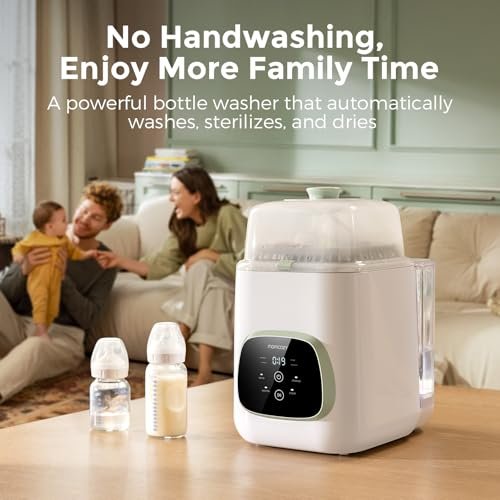
Are you worried about keeping your baby’s bottles completely clean and safe? You might have heard about baby bottle washers and wondered if they really help stop bacteria from growing.
When it comes to your little one’s health, every bit of cleanliness matters. You’ll discover how these washers work, whether they make a difference, and what you can do to protect your baby from harmful germs. Keep reading to find out how to keep your baby’s bottles spotless and worry-free.
Why Bacteria Build Up In Baby Bottles
Baby bottles can become a perfect place for bacteria to grow. Warm milk or formula leaves tiny food particles inside the bottle. These particles serve as food for bacteria. If bottles are not cleaned well, bacteria multiply quickly. This growth can cause health problems for babies.
Cleaning baby bottles carefully is important to stop bacteria buildup. Understanding what bacteria are common and what helps them grow can guide parents. It helps to keep bottles safe and clean for every feeding.
Common Bacteria Types Found
Several types of bacteria can live in baby bottles. Escherichia coli (E. coli) is one common kind. It can cause stomach infections in babies. Salmonella is another harmful bacteria found in bottles. It often leads to food poisoning. Staphylococcus aureus can also grow and cause skin or respiratory infections. These bacteria come from milk, formula, or the baby’s mouth.
Factors Contributing To Growth
Bacteria grow fast in warm, moist places. Baby bottles often stay warm after feeding. Milk residue left inside feeds bacteria well. Bottles that dry slowly also help bacteria multiply. Using unclean sponges or cloths spreads bacteria further. Storing bottles without drying completely increases risk. Regular and thorough cleaning reduces these factors greatly.

How Baby Bottle Washers Work
Understanding how baby bottle washers work helps in knowing their role in preventing bacteria buildup. These devices clean and sterilize bottles efficiently. They use specific methods to remove milk residue and germs. The process involves careful washing and high-temperature sterilization. This ensures the bottles are safe for the baby to use.
Cleaning Mechanisms
Baby bottle washers use strong water jets to remove dirt. The jets reach every corner of the bottle. Brushes inside the washer scrub the surfaces gently. Soap or detergent helps break down milk fats and proteins. The machine rinses the bottles thoroughly to remove soap residue. This cleaning stops leftover food that can cause bacteria growth.
Sterilization Features
Many baby bottle washers include a sterilization step. They use steam or UV light to kill germs. Steam heats the bottles to very high temperatures. This heat destroys bacteria and viruses. UV light breaks down the DNA of harmful microbes. Sterilization ensures bottles are free from dangerous bacteria. This step is vital for baby health and safety.
Effectiveness Of Baby Bottle Washers
Baby bottle washers have become popular for cleaning infant feeding items. Parents want to ensure bottles are free from harmful bacteria. Knowing how effective these washers are is important. This helps decide the best cleaning method for your baby’s health.
Comparing Manual And Automatic Cleaning
Manual cleaning means washing bottles by hand with soap and water. This method depends on how well you scrub and rinse. Some spots may be missed, leading to bacteria buildup. Automatic washers use hot water and strong jets to clean. They can reach hard-to-clean areas more easily. Machines also dry bottles faster, reducing moisture where bacteria grow. Both methods can work well if done properly. But automatic washers often provide more consistent cleaning results.
Studies On Bacteria Reduction
Research shows automatic bottle washers reduce bacteria better than hand washing. Hot water and strong sprays kill more germs effectively. One study found fewer bacterial colonies on bottles cleaned by machines. Another study confirmed less risk of bacteria growth after using washers. These findings suggest automatic washers help keep bottles safer. Still, thorough cleaning is key no matter the method. Regular cleaning after each use prevents bacteria buildup and keeps babies healthy.

Choosing The Right Bottle Washer
Choosing the right baby bottle washer helps reduce bacteria buildup. Not all washers clean equally well. Some models use strong water jets and heat to kill germs. Others focus on gentle cleaning to avoid damage.
Think about your daily routine and how many bottles you clean. A good bottle washer should fit your needs and keep bottles safe. Size, cleaning power, and ease of use matter a lot.
Key Features To Look For
Check for high-temperature cleaning to kill bacteria effectively. Look for models with multiple cleaning cycles for different bottle types. Easy assembly and disassembly help keep the washer clean.
Compact design saves space in small kitchens. Energy-efficient washers save electricity and water. Some models include drying features to prevent moisture buildup.
Popular Models And Reviews
Many parents trust ultrasonic bottle washers for deep cleaning. They use sound waves to remove dirt and germs. Electric steam washers kill bacteria with hot steam quickly.
Manual brush washers are simple and affordable but need careful use to avoid scratches. Read user reviews to find reliable and safe models. Choose washers with good ratings for hygiene and convenience.
Best Practices For Bottle Hygiene
Keeping baby bottles clean is important to stop harmful bacteria. Good hygiene protects babies from infections and keeps feeding safe. Simple steps help keep bottles free from germs and ready for use.
Following best practices in cleaning and storage lowers bacteria risks. These small habits can make a big difference in bottle hygiene.
Proper Cleaning Techniques
Rinse bottles with warm water right after feeding. Use a bottle brush to scrub inside parts well. Soap helps remove milk residue that bacteria feed on.
Clean nipples and lids carefully to reach all corners. Boil bottles or use a sterilizer to kill bacteria. Air dry bottles fully before storing to avoid moisture buildup.
Storage Tips To Prevent Bacteria
Store bottles in a clean, dry place with good air flow. Avoid sealing wet bottles in closed containers. Keep bottles away from dust and dirt.
Use a clean rack or dedicated drawer for bottles. Replace worn or cracked parts regularly to prevent bacteria growth. Proper storage keeps bottles safe between uses.
Common Myths About Bottle Washers
Many parents wonder if baby bottle washers truly keep bottles free from bacteria. Several myths spread about their effectiveness. These myths can confuse caregivers about the best cleaning methods. Clearing up these misunderstandings helps make smarter choices for baby’s health.
Debunking Misconceptions
Some think bottle washers kill all bacteria instantly. This is not always true. Bottle washers clean better than hand washing but do not sterilize completely. Another myth says running bottles through a washer once is enough. In reality, regular cleaning is necessary to prevent buildup. Not all washers use high heat or strong detergents. These factors affect how well bacteria get removed.
What Really Matters For Safety
Using warm water and a good soap is key. Scrubbing with a bottle brush reaches hidden spots. Rinsing thoroughly removes soap residue that can attract bacteria. Drying bottles completely helps stop germs from growing. Choosing a washer with strong cleaning cycles improves results. Regularly checking bottles for cracks also reduces bacteria risk. Clean hands and clean work surfaces play a big role too.
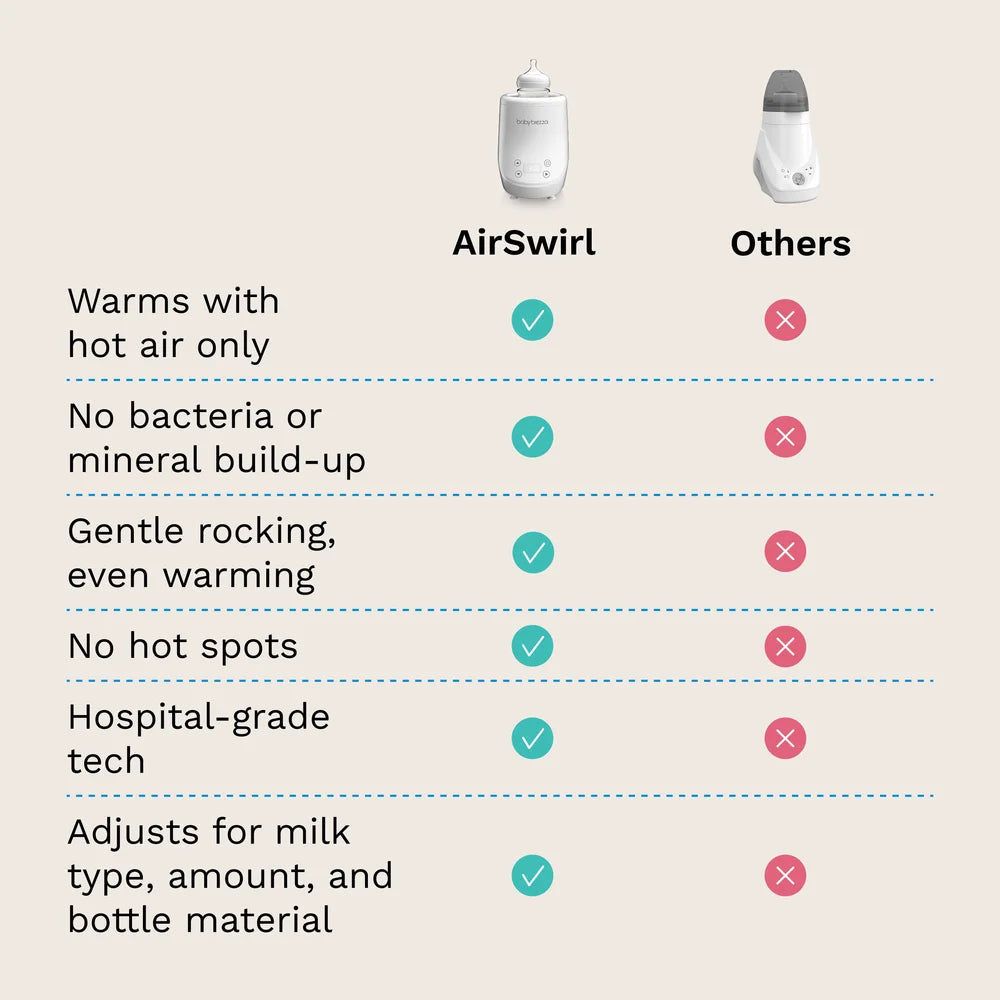
Frequently Asked Questions
Do Baby Bottle Washers Kill All Bacteria Effectively?
Baby bottle washers use high temperatures and detergents to remove most bacteria. However, complete sterilization depends on the machine’s quality and proper use. Regular cleaning and maintenance are essential for optimal bacteria removal.
How Often Should Baby Bottle Washers Be Cleaned?
Baby bottle washers should be cleaned weekly to prevent bacteria buildup. Regular cleaning ensures the machine operates efficiently and maintains hygiene standards.
Are Baby Bottle Washers Better Than Hand Washing?
Baby bottle washers provide a more thorough clean by reaching high temperatures. They reduce human error and ensure consistent hygiene compared to hand washing.
Can Baby Bottle Washers Prevent Mold And Mildew Growth?
Yes, baby bottle washers help prevent mold and mildew by thoroughly drying bottles. Proper drying and cleaning reduce moisture where mold typically grows.
Conclusion
Baby bottle washers can help reduce bacteria on bottles. They clean hard-to-reach areas better than hand washing. Using them regularly keeps bottles safer for your baby. Still, proper cleaning habits matter a lot. Always follow the washer’s instructions carefully. Clean bottles mean healthier feeding times.
Small steps make a big difference in hygiene. Keep your baby’s bottles clean and fresh. Safe feeding starts with clean bottles every time.