You want the best for your baby, and keeping them clean and healthy is a big part of that. But what exactly is baby hygiene, and why does it matter so much?
Understanding simple daily care routines can protect your little one from infections and keep their skin soft and happy. You’ll discover easy tips and important facts about baby hygiene that every parent or caregiver should know. Keep reading to learn how small actions can make a big difference in your baby’s well-being.

Importance Of Baby Hygiene
Baby hygiene is very important for your child’s health and comfort. Cleanliness helps protect babies from germs and infections. Babies have sensitive skin that needs gentle care. Proper hygiene supports their growth and well-being.
Good hygiene habits start early and create a healthy routine. It also keeps babies happy and calm. Parents who focus on hygiene reduce the chances of illness and skin problems. Caring for your baby’s hygiene means giving them a strong start in life.
Protects Against Infections
Babies can catch infections easily. Their immune systems are still developing. Keeping their skin and surroundings clean lowers the risk of bacteria and viruses. Clean hands, clothes, and feeding items help stop germs.
Prevents Skin Irritations
Dirty skin can cause rashes and irritation. Frequent diaper changes and gentle baths keep skin healthy. Using mild products avoids dryness and redness. Clean skin feels comfortable and soothes your baby.
Supports Healthy Development
Hygiene helps babies stay strong and active. It prevents illnesses that can slow their growth. A clean baby can sleep better and feed well. Healthy habits promote good physical and mental development.
Builds Good Habits Early
Teaching hygiene early creates lifelong habits. Babies learn from daily routines and care. Simple actions like washing hands become natural. This helps them stay healthy as they grow.
Daily Bathing Tips
Daily bathing is an important part of baby hygiene. It keeps your baby clean and comfortable. Bath time also helps your baby relax and sleep better. Follow simple tips to make bathing safe and gentle for your little one.
Choosing The Right Products
Pick mild soap and shampoo made for babies. Avoid products with strong fragrances or harsh chemicals. Look for labels that say “tear-free” and “hypoallergenic.” These keep your baby’s skin soft and prevent irritation. Use a soft washcloth or sponge for gentle cleaning.
Safe Bathing Techniques
Always test the water temperature before putting your baby in. It should be warm, not hot. Hold your baby securely with one hand. Support the head and neck carefully. Use your other hand to wash the baby gently. Never leave your baby alone in the bath, even for a second.
Bathing Frequency
Newborns do not need daily baths. Three times a week is enough at first. Bathing too often can dry out the skin. As your baby grows, you can increase bath time if needed. Focus on cleaning the face, neck, and diaper area daily with a damp cloth.
Diaper Care Essentials
Diaper care is a key part of baby hygiene. It keeps your baby comfortable and healthy. Proper diaper care stops skin problems. It also helps your baby feel fresh and happy.
Understanding diaper care essentials helps parents avoid common issues. Clean and dry diapers prevent rashes and infections. This section covers important tips for diaper care.
Preventing Diaper Rash
Diaper rash happens when skin stays wet too long. Change diapers often to keep skin dry. Use a gentle baby wipe or warm water to clean. Let the skin air dry if possible. Apply a thin layer of diaper cream to protect skin. Choose creams with zinc oxide for best results. Avoid tight diapers that rub the skin. Watch for signs of rash and treat early.
Changing Techniques
Always wash your hands before and after changing. Lay your baby on a clean surface. Remove the dirty diaper carefully to avoid mess. Use wipes or a soft cloth to clean thoroughly. Clean from front to back to avoid infections. Let the area dry before putting on a new diaper. Secure the diaper snugly but not too tight. Dispose of the old diaper in a sealed bag.
Choosing Diapers
Pick diapers that fit your baby’s size and shape. Look for soft materials that do not irritate skin. Breathable diapers help keep moisture away. Consider eco-friendly options for sensitive skin. Test different brands to find the best comfort. Check absorbency to reduce leaks and stay dry. Change the diaper brand if irritation occurs.
Oral Hygiene For Babies
Oral hygiene for babies is very important for their health. Good habits start early to keep their mouth clean and healthy. Taking care of gums and teeth helps prevent problems like cavities and infections. Parents can help babies enjoy fresh breath and strong teeth through simple steps.
Cleaning Gums And Teeth
Before teeth appear, wipe baby’s gums gently with a soft, damp cloth. This removes milk residue and bacteria. Once teeth start to come in, use a soft baby toothbrush to clean them. Clean teeth twice a day, especially before bedtime. This keeps germs away and protects baby’s smile.
Choosing Baby Toothbrush And Toothpaste
Select a toothbrush with a small head and soft bristles. It fits easily in the baby’s mouth and cleans gently. Use a tiny amount of fluoride toothpaste, about the size of a grain of rice. Fluoride helps prevent cavities and strengthens teeth. Avoid toothpaste with strong flavors or harsh chemicals.
When To Start Oral Care
Start oral care as soon as the baby’s gums appear. Cleaning gums prepares for healthy teeth. Begin brushing once the first tooth shows. Early care builds good habits and keeps the mouth healthy. Visit a dentist by the baby’s first birthday for advice and checkups.
Hand And Nail Care
Hand and nail care is a key part of baby hygiene. Clean hands help stop germs from spreading. Healthy nails keep babies safe from scratches. Babies touch many things, so their hands need extra care.
Keeping Hands Clean
Wash your baby’s hands often with warm water. Use mild soap made for babies. Gently rub all fingers and palms. Rinse well to remove all soap. Dry hands softly with a clean towel. Clean hands reduce germs that cause illness.
Safe Nail Trimming
Trim your baby’s nails regularly to avoid scratches. Use special baby nail clippers or scissors. Cut nails straight across, not too close to skin. Do this when your baby is calm or sleeping. Check nails often and keep them short. Safe trimming keeps your baby comfortable and safe.
Clothing And Bedding Hygiene
Clothing and bedding hygiene is key to keeping a baby healthy and comfortable. Babies have sensitive skin. Dirty clothes or bedding can cause irritation or infections. Clean fabrics help protect babies from germs and allergens. This section covers how to choose baby-friendly fabrics and how often to wash and change them.
Choosing Baby-friendly Fabrics
Choose soft, breathable fabrics like cotton for baby clothes and bedding. These materials allow air to flow and reduce skin irritation. Avoid rough or synthetic fabrics that can cause rashes. Organic cotton is a good choice because it has fewer chemicals. Always check labels to make sure fabrics are safe and gentle.
Washing And Changing Frequency
Wash baby clothes and bedding often to keep them fresh and clean. Use mild, fragrance-free detergent made for babies. Change clothes immediately if they become wet or dirty. Bedding should be washed weekly or more if needed. Clean fabrics prevent germs and keep babies healthy and comfortable.
Common Hygiene Challenges
Baby hygiene can be tricky. Babies have delicate skin and special needs. Parents face many challenges while keeping babies clean and comfortable. Understanding common hygiene problems helps provide better care. Small steps make a big difference.
Dealing With Skin Irritations
Skin irritations are common in babies. Diaper rash is one of the most frequent issues. It happens from wetness and friction. Red, sore patches appear on the skin. Clean the area gently and keep it dry. Use soft cloths and mild wipes. Avoid harsh soaps that can worsen irritation. Let the skin breathe as much as possible. Applying a gentle barrier cream helps protect the skin.
Handling Sensitive Skin
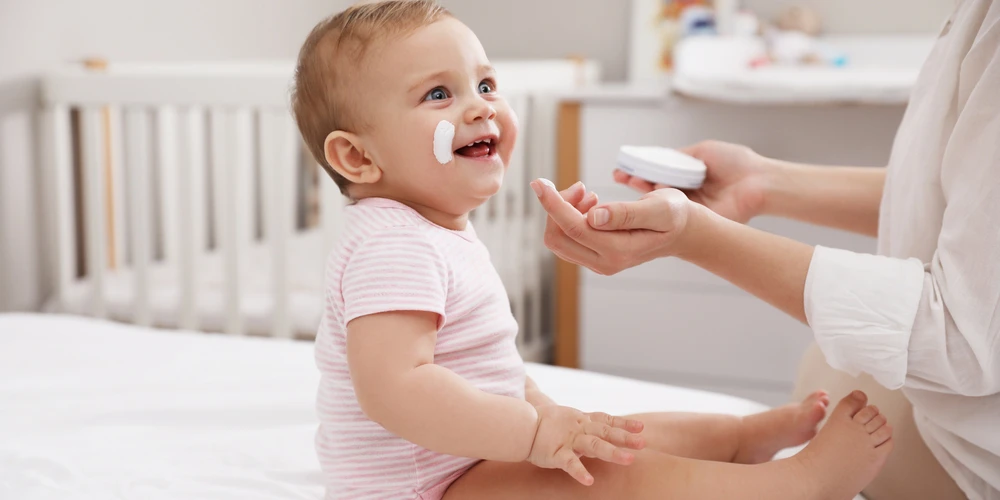
Sensitive skin needs extra care. Babies with sensitive skin may react to soaps and detergents. Use fragrance-free and hypoallergenic products. Test new items on a small skin patch first. Bath water should be warm, not hot. Pat the skin dry instead of rubbing. Dress the baby in soft, breathable fabrics. Avoid tight clothing that may irritate the skin. Keep the skin moisturized with gentle lotions made for babies.
Frequently Asked Questions
What Is Baby Hygiene And Why Is It Important?
Baby hygiene involves keeping your baby clean and healthy. It prevents infections, rashes, and promotes overall well-being. Proper hygiene builds a strong immune system and ensures comfort for your baby.
How Often Should I Bathe My Baby?
Newborns should be bathed 2-3 times a week. Over-bathing can dry out their skin. Use gentle, baby-friendly products and lukewarm water for each bath.
What Are Essential Baby Hygiene Products?
Essential products include mild baby soap, soft towels, diaper rash cream, and baby wipes. Choose hypoallergenic and fragrance-free items to protect delicate skin.
How Do I Maintain Diaper Hygiene Effectively?
Change diapers frequently to prevent rashes and infections. Clean the diaper area gently with wipes or warm water. Allow the skin to dry before putting on a new diaper.
Conclusion
Baby hygiene keeps your little one healthy and happy. Clean skin helps avoid rashes and infections. Regular baths and diaper changes make a big difference. Use gentle products made for babies only. Pay attention to hands, face, and nails too.
Good hygiene builds habits that last a lifetime. It protects babies from germs and discomfort. Caring for baby hygiene shows your love and care. Simple steps can create a safe, clean environment. Keep your baby fresh every day with these easy tips.


