Are you wondering if your baby carrier can keep up with your hiking adventures? Taking your little one along on the trail sounds exciting, but you might be unsure if a baby carrier is the right gear for the job.
You want your baby to be safe and comfortable, while you stay steady and enjoy the hike. This guide will help you understand how to choose and use a baby carrier for hiking, so both you and your baby can have a great time outdoors.
Keep reading to discover the tips and tricks that make hiking with your baby easier than you think.
Choosing The Right Baby Carrier
Choosing the right baby carrier for hiking is very important. It affects your comfort and your baby’s safety. Not all carriers suit outdoor activities. Some work better on trails and uneven paths. Consider the type, features, weight, and comfort. These factors help you enjoy hiking with your baby.
Types Of Baby Carriers
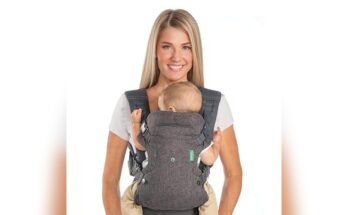
Backpack carriers are popular for hiking. They give good support and keep your hands free. Soft structured carriers offer comfort for short walks. Wraps and slings feel cozy but may not support long hikes well. Choose a type that fits your hiking style and baby’s age.
Features For Hiking
A good hiking carrier has padded straps and a sturdy frame. Adjustable straps help fit different body sizes. Look for carriers with sunshades or rain covers. Extra pockets are useful for snacks and small items. Ventilation is key to keep your baby cool on warm days.
Weight And Comfort Considerations
Lightweight carriers reduce strain on your back and shoulders. Heavy carriers tire you quickly on rough trails. Make sure the carrier has good padding. Both you and your baby need comfort for a happy hike. Test the carrier before your trip to check comfort and fit.

Credit: www.outsideonline.com
Safety Tips For Hiking With A Baby
Hiking with a baby can be a joyful experience if safety is the top priority. Taking the right steps ensures your little one stays safe and happy. Careful planning and attention to your baby’s needs make the adventure smooth and fun.
Securing Your Baby Properly
Always use a baby carrier designed for hiking. Check the carrier’s straps and buckles before each hike. Make sure your baby fits snugly and cannot slip out. Position your baby so their airways stay clear. Keep their head supported, especially for newborns. Adjust the carrier to balance weight evenly on your body. This reduces strain and helps you walk steadily.
Monitoring Baby’s Comfort And Health
Watch your baby closely throughout the hike. Look for signs of discomfort or distress. Check their skin temperature and color often. Stop regularly to feed, change diapers, and soothe your baby. Keep your baby hydrated and well-fed. Listen for unusual sounds like coughing or fussing. These may signal a problem that needs attention.
Handling Weather Conditions
Dress your baby in layers to adapt to changing weather. Use hats and blankets for warmth or sun protection. Avoid hiking during extreme heat or cold. Take breaks in shaded or sheltered areas. Keep an eye on the weather forecast and prepare for sudden changes. Carry rain gear for both you and your baby. Stay alert to keep your baby safe and comfortable at all times.
Preparing For A Hiking Trip
Preparing for a hiking trip with a baby carrier needs careful thought. Safety and comfort for both you and your baby come first. Planning each detail helps avoid problems on the trail.
Check your gear and the weather. Know the path you will take and set a pace that fits your baby’s needs.
Packing Essentials
Bring enough water for you and your baby. Pack snacks that are easy to eat and healthy. Carry a first-aid kit for small injuries. Don’t forget sunscreen and insect repellent. Bring extra clothes for your baby. A hat and a blanket can protect against sun or cold.
Planning The Route
Choose a trail that is easy and safe. Avoid steep or rocky paths. Look for trails with shade and places to rest. Know how long the hike will take. Plan shorter routes to match your baby’s limits. Check if the trail is stroller-friendly if you use one.
Timing And Breaks
Start early to avoid hot midday sun. Take breaks often to feed and change your baby. Use breaks to check your baby’s comfort. Rest in shaded areas whenever possible. Keep an eye on weather changes. Turn back if your baby or you feel tired.

Credit: www.wta.org
Benefits Of Hiking With A Baby
Hiking with a baby offers many benefits for both parents and little ones. It creates special moments that help build strong bonds. Being outdoors also helps babies experience new sights and sounds. Parents enjoy fresh air and gentle exercise too. A baby carrier makes hiking easier and more comfortable for everyone.
Bonding Opportunities
Hiking with your baby brings you closer together. Carrying your child lets you feel their warmth and heartbeat. Quiet time on the trail builds trust and love. Sharing peaceful moments helps your baby feel safe. These experiences create memories that last a lifetime.
Exposure To Nature
Nature offers many sights, sounds, and smells for babies. Trees, birds, and fresh air stimulate their senses. Babies learn about the world in a calm setting. Being outside can improve their mood and sleep. Early nature exposure helps develop curiosity and awareness.
Physical Exercise For Parents
Hiking with a baby carrier gives parents gentle exercise. Walking on trails strengthens muscles and improves stamina. Carrying your baby adds light resistance for better fitness. Exercise outside feels less tiring and more fun. Staying active supports your health and energy.
Common Challenges And Solutions
Using a baby carrier for hiking can bring special challenges. These challenges may make the hike harder for both parent and baby. Knowing common problems and their solutions helps keep the hike fun and safe. Below are some key challenges and tips for handling them.
Dealing With Baby Fussiness
Babies can get fussy during hikes due to discomfort or boredom. Check the carrier’s fit to avoid pressure points. Make sure your baby is dressed for the weather. Bring small toys or snacks to keep them busy. Take breaks to calm your baby if needed. Singing or gentle rocking can soothe them quickly.
Managing Terrain Difficulties
Rough trails can be tough with a baby carrier. Choose paths that match your fitness and skill level. Watch your step to avoid slips or falls. Use trekking poles for extra balance. Keep your baby secure with all straps fastened. Slow your pace on steep or rocky areas for safety.
Adjusting Carrier For Long Hikes
Long hikes need a well-adjusted carrier to prevent pain. Adjust shoulder straps and waist belt for even weight. Stop regularly to relieve pressure on your back and shoulders. Switch carrying positions if possible to reduce fatigue. Carry light to avoid extra strain. Check your baby’s comfort often during the hike.

Credit: www.treelinereview.com
Recommended Baby Carriers For Hiking
Choosing the right baby carrier for hiking makes all the difference. It keeps your baby safe and your hands free. Comfort matters for both you and your child. Some carriers fit better for long walks on trails. Others focus on light weight and ease of use. This section helps you find the best options for hiking with your baby.
Top Rated Models
Many parents trust carriers with strong support and good reviews. Models like the Deuter Kid Comfort and Osprey Poco are popular. They have padded straps and sturdy frames. These carriers offer great back support for long hikes. They often include sunshades and storage pockets.
Budget Options
Affordable carriers can still be safe and comfortable. Brands like Infantino and Evenflo offer budget-friendly hiking carriers. These usually weigh less and have fewer extras. They work well for short hikes or occasional use. Always check weight limits and padding before buying.
Special Features To Look For
Look for carriers with adjustable straps and breathable fabric. A built-in sunshade can protect your baby from sun and wind. Pockets help carry small items like snacks or diapers. Some carriers have a frame that helps with air flow. Safety buckles and easy-to-use harnesses are important too.
Frequently Asked Questions
Can A Baby Carrier Be Used Safely For Hiking?
Yes, baby carriers designed for hiking are safe. They provide proper support and comfort for both baby and parent. Always choose carriers with sturdy straps and secure buckles. Check weight limits and ensure your baby is old enough before hiking.
What Features Should A Hiking Baby Carrier Have?
Look for carriers with padded shoulder straps and waist belts for comfort. Ventilated fabric helps keep baby cool. Multiple storage pockets and sunshades add convenience. Adjustable seating positions support baby’s growth and comfort during long hikes.
At What Age Can Babies Use Hiking Carriers?
Most hiking carriers are suitable for babies over six months old. Babies should have good head and neck control. Always consult your pediatrician before hiking with your baby. Newborns require specialized carriers and more frequent breaks.
How Long Can You Hike With A Baby Carrier?
Hiking duration depends on your and your baby’s endurance. Start with short hikes under an hour. Gradually increase time as you and baby get comfortable. Take frequent breaks for hydration, feeding, and comfort.
Conclusion
A baby carrier can make hiking with your little one easier. It keeps your hands free and your baby close. Choose a carrier that fits well and supports your baby safely. Always check the weather and trail conditions before you go.
Take breaks often to rest and enjoy nature. Hiking with a baby can be fun and rewarding. Just stay safe and comfortable for both of you. Ready for your next outdoor adventure?