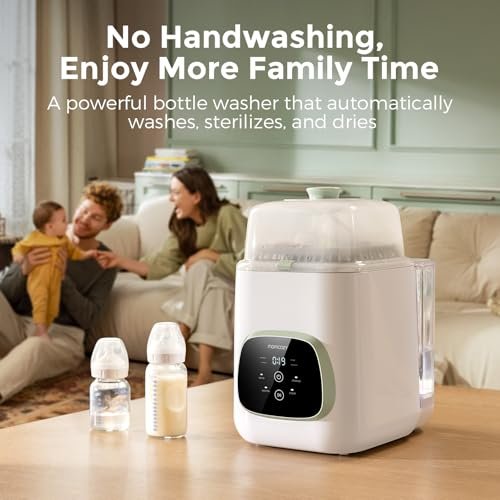
You want to keep your baby’s bottles spotless and safe, right? But have you ever wondered how to clean and maintain your baby bottle washer so it works perfectly every time?
If you don’t take care of it, germs and residue can build up, making it less effective and putting your little one at risk. You’ll discover simple, practical steps to keep your baby bottle washer clean and running smoothly. By the end, you’ll have the confidence that every bottle is as fresh and hygienic as it should be.
Keep reading—your baby’s health depends on it!
Choosing The Right Baby Bottle Washer
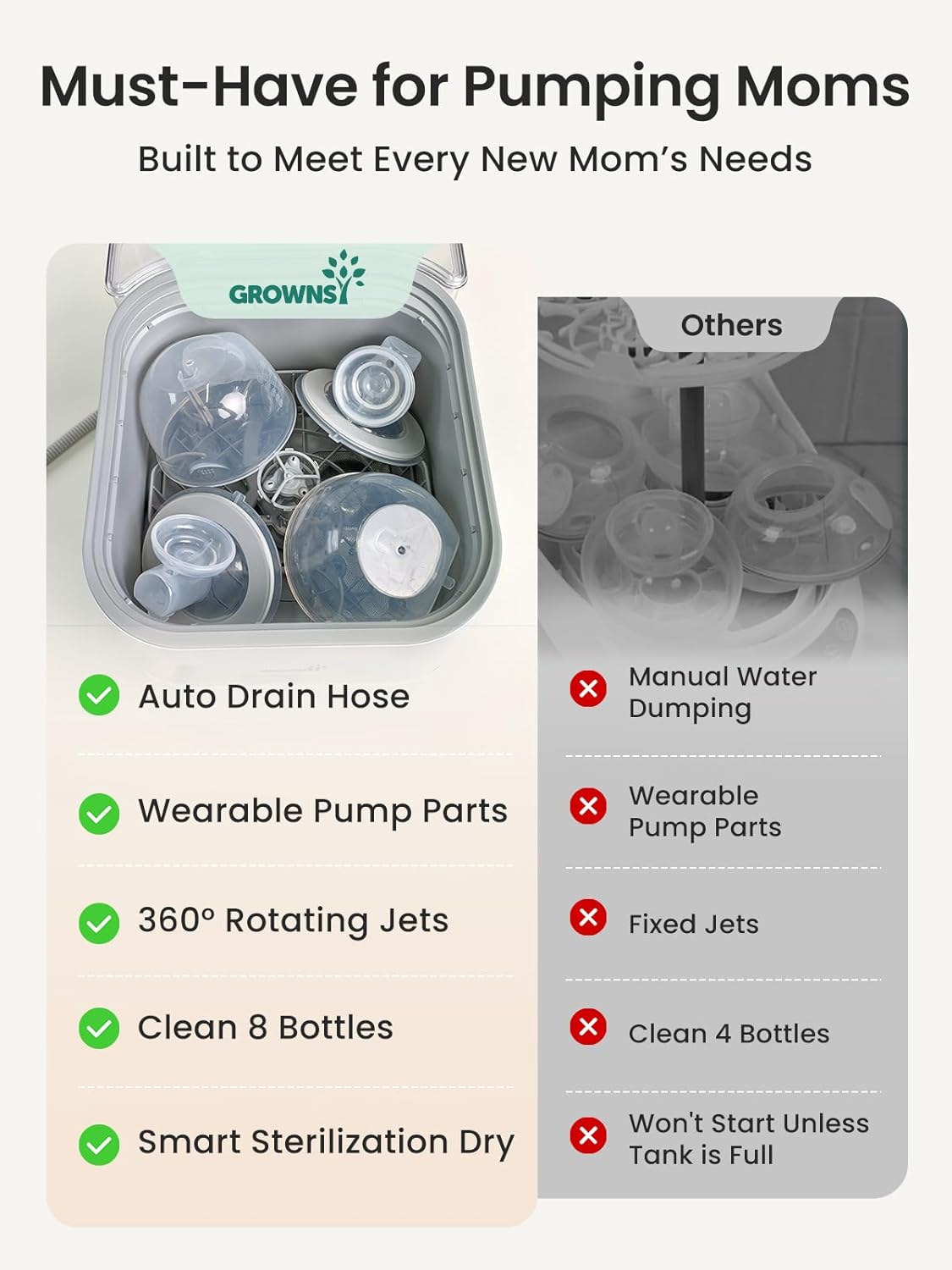
Choosing the right baby bottle washer is important for keeping your baby’s bottles clean and safe. A good washer saves time and ensures bottles are free from harmful germs. It also makes the cleaning process easier for busy parents.
Many options exist, each with different features and benefits. Knowing what to consider helps pick the best washer for your needs and budget.
Types Of Baby Bottle Washers
There are mainly three types of baby bottle washers. Manual washers require hand operation and use brushes or sponges. Electric washers use water jets and heat to clean bottles. Steam sterilizers kill germs using hot steam. Each type serves a different purpose and suits different preferences.
Features To Look For
Choose a washer with easy controls and clear instructions. Look for models that fit all bottle sizes and parts. Quick drying and low noise features add convenience. Some washers have automatic timers for better control. Compact designs save space in small kitchens.
Safety Considerations
Safety is key when selecting a baby bottle washer. Check for BPA-free and non-toxic materials. The washer should meet safety standards and certifications. Avoid models with sharp edges or parts that can break easily. Ensure the washer has proper electrical protection if it is electric.
Daily Cleaning Routine
Keeping your baby bottle washer clean every day helps it work well. A daily routine stops germs and milk residue from building up. It also keeps bottles safe and fresh for your baby.
Follow these simple steps to clean your washer after each use. This way, your baby’s feeding gear stays clean and healthy.
Disassembling The Washer
Start by unplugging the washer. Take off all removable parts carefully. This includes racks, trays, and any small holders inside. Removing parts makes cleaning easier and more effective.
Cleaning Detachable Parts
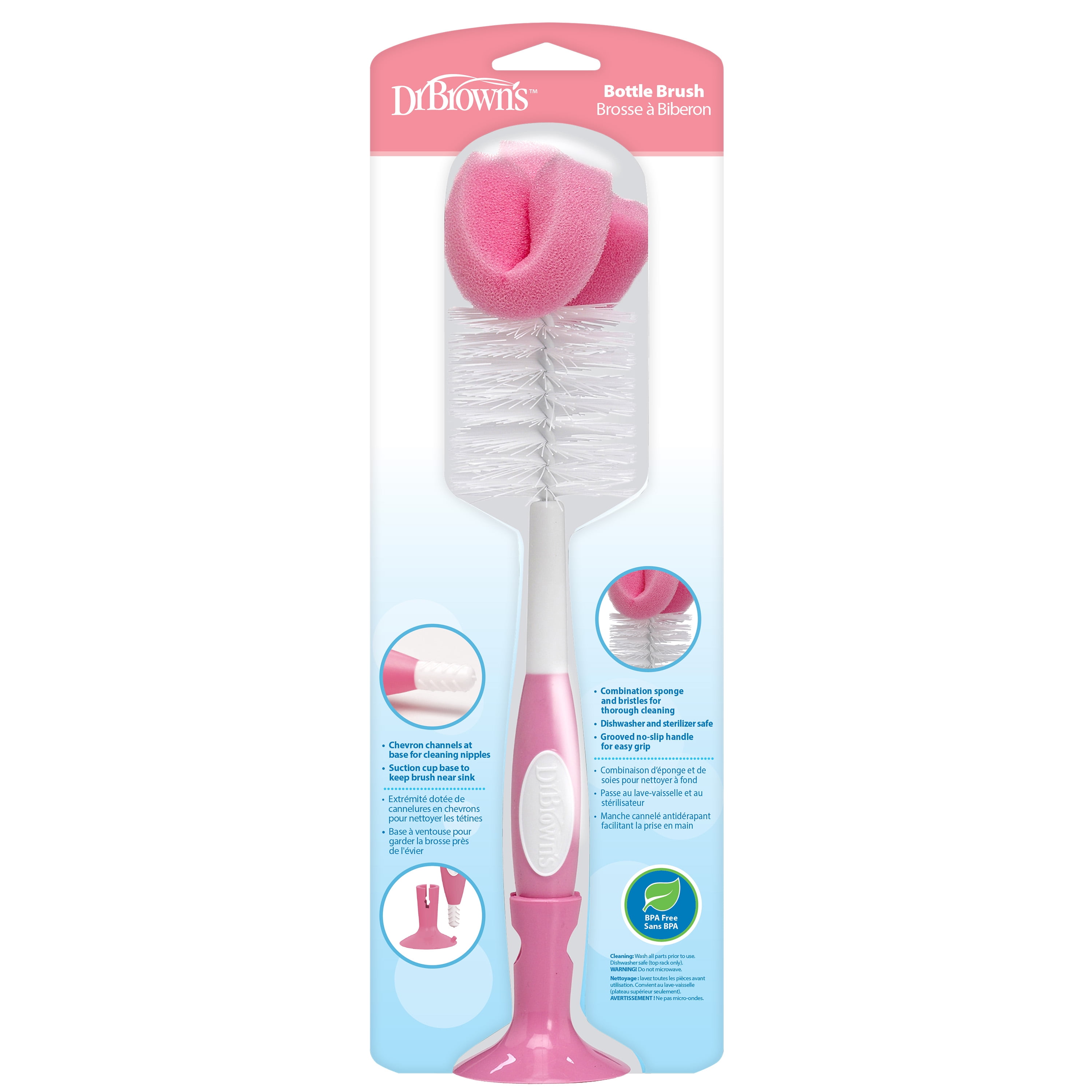
Wash the detachable parts with warm water and mild soap. Use a soft brush to scrub away milk residue and dirt. Rinse well to remove all soap. Dry the parts completely before putting them back.
Wiping The Exterior
Use a damp cloth to wipe the outside of the washer. Focus on buttons, handles, and corners. Avoid using harsh chemicals that can damage the surface. Keep the exterior clean to prevent germs from spreading.
Deep Cleaning Techniques
Deep cleaning your baby bottle washer keeps it working well and safe for your baby. Dirt, milk residue, and minerals can build up inside. Regular deep cleaning removes these stubborn deposits. It helps stop bad smells and germs from growing. Follow these easy steps to clean thoroughly and keep the washer fresh and clean.
Using Vinegar And Baking Soda
Vinegar and baking soda are natural cleaners. They break down grime and kill bacteria. Start by mixing half a cup of vinegar with hot water. Pour the solution into the washer’s water tank. Run a full cleaning cycle without any bottles inside.
After the cycle finishes, sprinkle a few tablespoons of baking soda inside the washer. Let it sit for 10 minutes. Then, wipe the interior with a clean cloth. This removes leftover stains and odors. Vinegar and baking soda work well together to refresh your washer.
Removing Hard Water Deposits
Hard water leaves mineral deposits inside your washer. These deposits look like white or chalky spots. Use a descaling product made for appliances or a vinegar soak. Fill the tank with vinegar or descaler and run a cleaning cycle. This dissolves the mineral buildup.
For tough spots, gently scrub with a soft brush. Avoid harsh scrubbing that could damage the washer. Regular descaling keeps the machine running smoothly and extends its life.
Sanitizing The Washer
Sanitizing kills germs that regular cleaning misses. Use a baby-safe disinfectant or a bleach solution. Mix one tablespoon of bleach with one gallon of water. Wipe the inside surfaces of the washer carefully with this solution.
Let it air dry completely before using the washer again. Sanitizing protects your baby from harmful bacteria. Do this deep cleaning step at least once a month or more if needed.
Maintaining The Washer’s Performance
Maintaining the performance of your baby bottle washer ensures it stays effective and safe. Regular care helps avoid breakdowns and keeps bottles clean. It also extends the life of your machine. Simple steps can make a big difference in how well it works.
Checking For Wear And Tear
Look closely at the washer parts for any damage. Cracks, leaks, or worn-out seals can reduce cleaning power. Check hoses and connections too. Fix small issues early to prevent bigger problems later.
Replacing Filters And Parts
Filters trap dirt and must be clean to work well. Change filters as recommended by the manufacturer. Replace old or broken parts right away. Using new parts keeps the washer running smoothly and safely.
Regular Maintenance Schedule
Set a routine for cleaning and checking your washer. Follow the schedule in the user manual. Regular maintenance prevents buildup and keeps the machine fresh. A well-maintained washer cleans better and lasts longer.
Troubleshooting Common Issues
Troubleshooting common problems with your baby bottle washer helps keep it working well. Small issues can stop it from cleaning bottles properly. Fixing these early saves time and keeps bottles safe for your baby. Here are some frequent problems and easy ways to fix them.
Washer Not Cleaning Properly
Check if the washer is overloaded with bottles. Too many bottles block water flow and reduce cleaning power. Make sure you use the right detergent and the correct amount. Old or expired detergent may not clean well. Clean the spray nozzles regularly to remove any clogs. Run an empty cycle with vinegar or a washer cleaner to remove buildup inside.
Unpleasant Odors
Odors often come from leftover milk or soap inside the washer. Clean the washer thoroughly by wiping the inside with a mixture of water and baking soda. Run a hot wash cycle with vinegar to kill bacteria and remove smells. Leave the washer door open after use to let it dry and stop mold growth. Replace any parts that look moldy or damaged.
Water Leakage Problems
Leaks usually happen from worn-out seals or loose connections. Check the rubber gasket around the door for cracks or dirt. Clean or replace it if needed. Tighten all hoses and fittings to stop water from dripping. Look under the washer for any cracks or holes in the water tank. Call a technician if the leak continues after these checks.
Tips For Extending Washer Lifespan
Keeping your baby bottle washer in good shape saves money and time. Regular care helps it work well for years. Small habits can make a big difference in its lifespan. Follow these simple tips to keep your washer running smoothly.
Proper Storage
Store the washer in a dry, cool place. Avoid spots with high humidity. Moisture can cause rust and damage parts. Cover the washer with a cloth or plastic lid. This keeps dust and dirt away. Proper storage helps keep the machine clean and safe.
Avoiding Overloading
Do not put too many bottles inside at once. Overloading can strain the motor and parts. It also reduces washing quality. Wash fewer bottles in each cycle. This prevents wear and tear. Gentle use keeps the machine healthy longer.
Using Recommended Cleaning Products
Use only cleaning products suggested by the manufacturer. Harsh chemicals can harm the washer’s parts. Mild detergents protect the machine and your baby’s bottles. Regularly clean the washer following product instructions. This avoids buildup and maintains performance.
Frequently Asked Questions
How Often Should I Clean A Baby Bottle Washer?
Clean your baby bottle washer weekly to prevent buildup and bacteria. Regular cleaning ensures safe, hygienic bottle washing for your baby.
What Is The Best Cleaning Solution For Bottle Washers?
Use a mild vinegar-water solution or baby-safe detergent. Avoid harsh chemicals that can damage the washer or harm your baby.
Can I Use A Dishwasher To Clean The Baby Bottle Washer?
No, avoid dishwashers as they may damage delicate washer parts. Hand cleaning is safer and more effective for maintenance.
How Do I Remove Mold From A Baby Bottle Washer?
Use a vinegar soak or mild bleach solution to remove mold. Rinse thoroughly and dry completely to prevent mold recurrence.
Conclusion
Cleaning and maintaining your baby bottle washer keeps it working well. Regular care stops dirt and germs from building up. Wipe the inside and outside often with a soft cloth. Use mild soap and water for best results. Check filters and parts to ensure they stay clean.
Keep your baby’s bottles safe and fresh every time. Simple steps make a big difference in hygiene. Trust the process, and your washer will last longer. Caring for the washer helps protect your baby’s health too. Easy habits create a safe feeding routine.