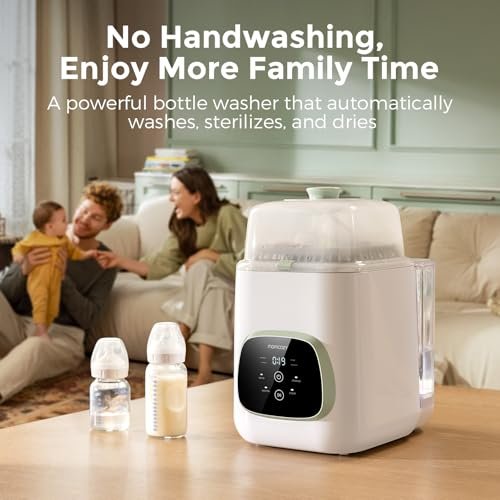
Are you wondering how to keep your baby’s bottles truly clean and safe? Choosing the right sterilizer can feel confusing, especially when you see options like UV and steam sterilizers.
Both promise to kill germs, but which one is better for you and your little one? This article will clear up the confusion by breaking down the key differences between UV and steam bottle sterilizers. By the end, you’ll know exactly which one fits your needs and gives you peace of mind every time you feed your baby.
Keep reading to make the best choice for your family’s health.
How Uv Sterilizers Work
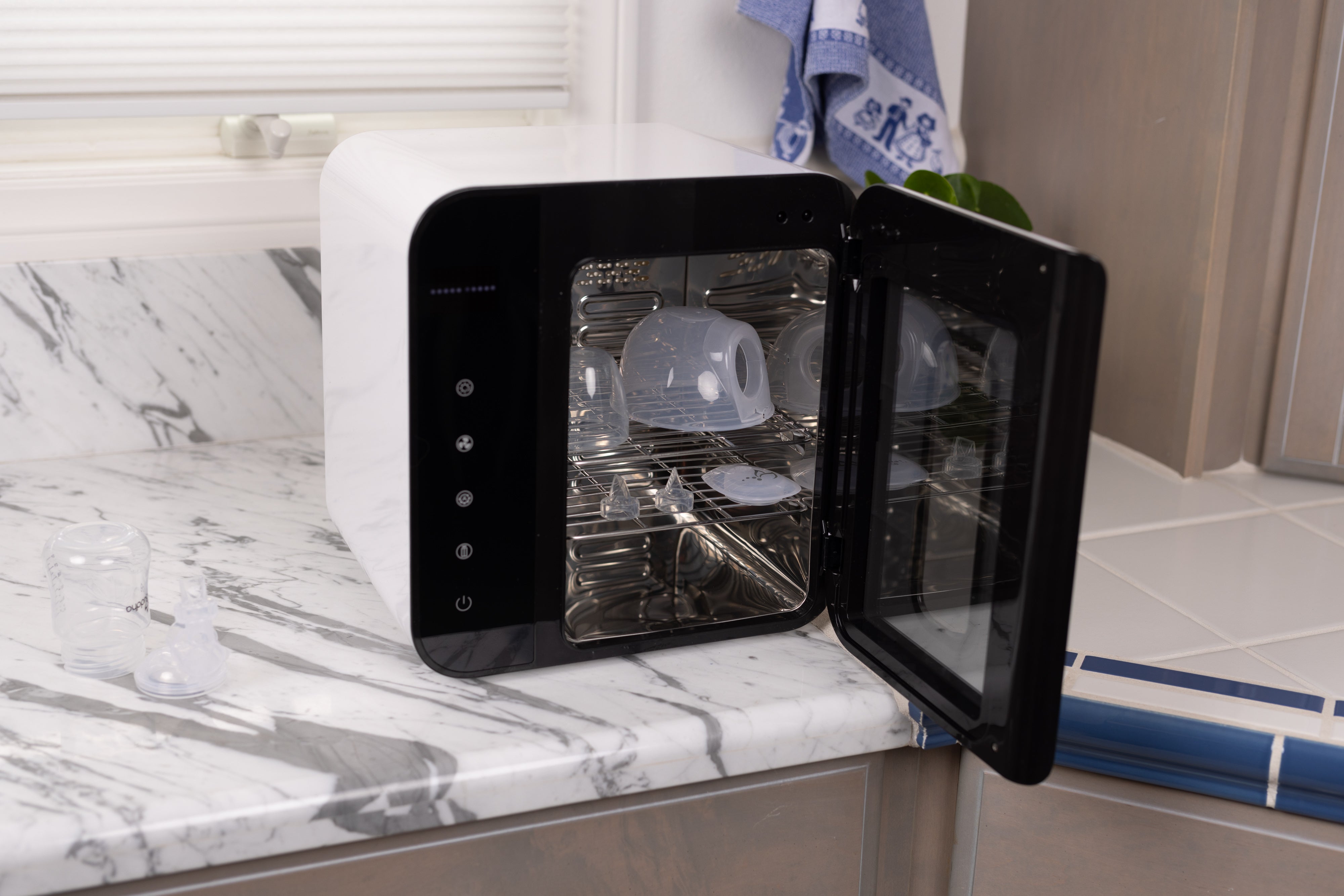
Understanding how UV sterilizers work helps you choose the best option for bottle sterilization. UV sterilizers use special light to kill germs without heat or water. This method is quick, safe, and easy to use. Let’s explore how the process happens and what features these devices share.
Uv Light Mechanism
UV sterilizers use ultraviolet light, a type of invisible light. This light destroys the DNA of bacteria, viruses, and other germs. Without DNA, germs cannot live or multiply. The UV light used is usually UV-C, known for strong germ-killing power.
Sterilization Process
The sterilization starts when you place bottles inside the device. The UV light turns on and shines on all surfaces. The light reaches every corner, killing germs in minutes. No heat or water is needed, making it safe for delicate items.
Common Features
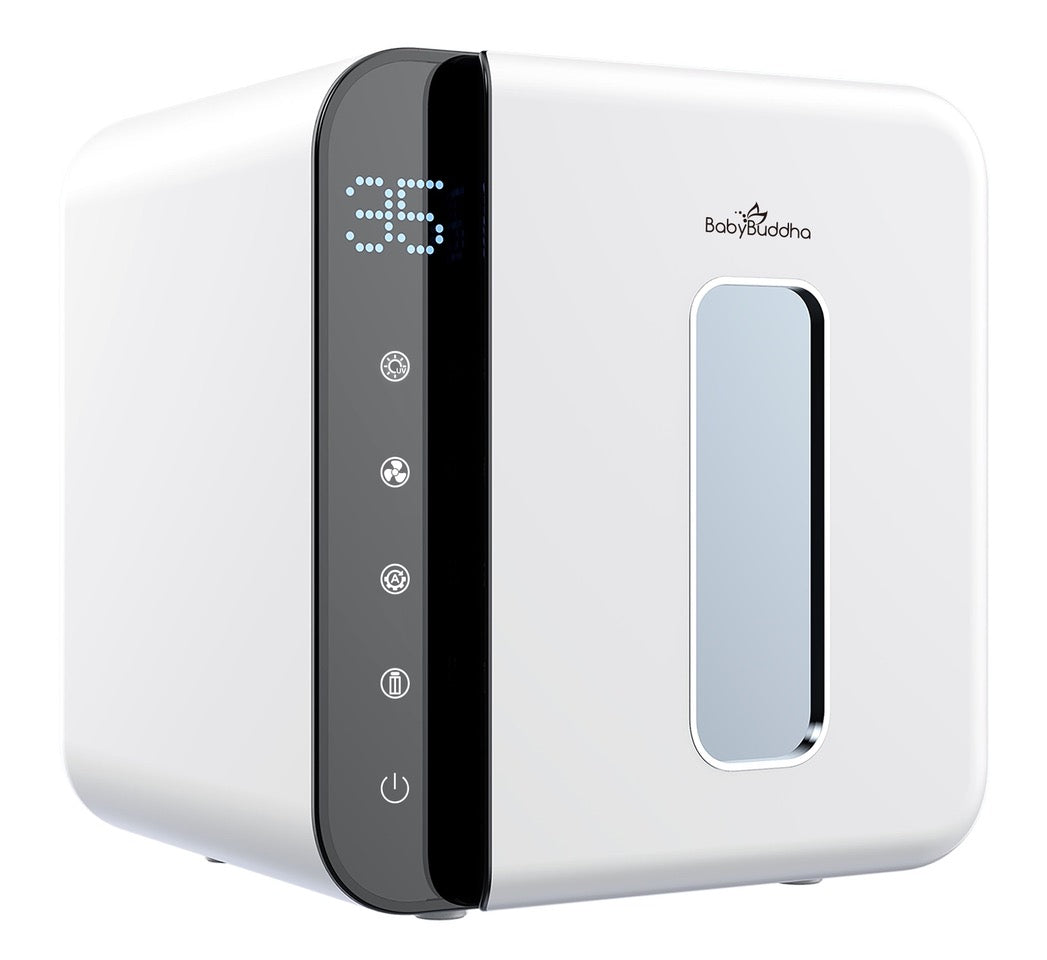
Most UV sterilizers have a compact design. They often include a timer to control the sterilization time. Many have automatic shut-off for safety. The devices are easy to clean and use little electricity. These features make UV sterilizers very convenient for parents.
How Steam Sterilizers Work
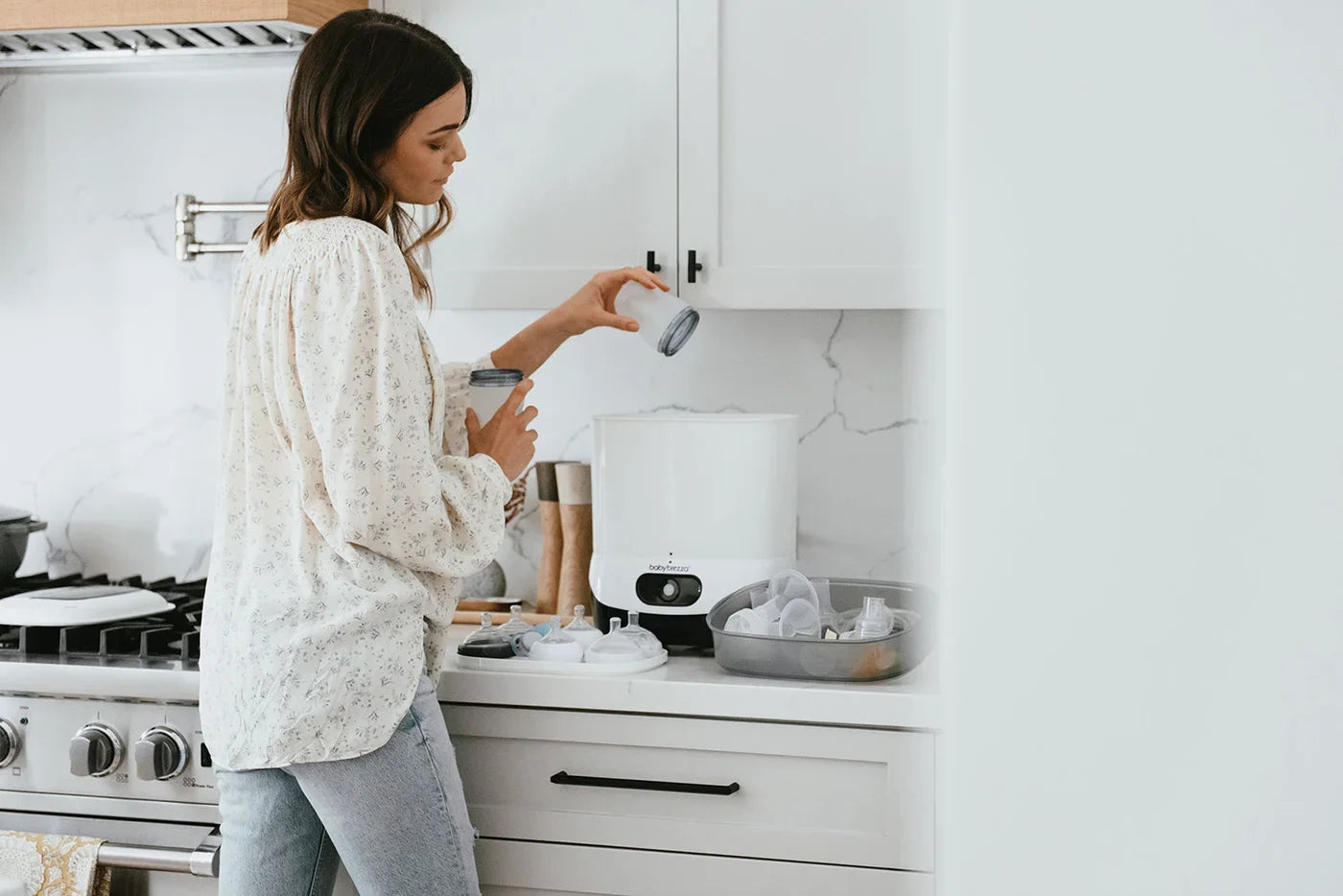
Steam sterilizers use hot steam to kill bacteria and germs on baby bottles. This method is safe and effective. It works fast and uses only water and heat. Understanding how steam sterilizers work helps you choose the right one for your needs.
Steam Generation
The sterilizer heats water to create steam. A small tank inside the device holds the water. When powered on, the water boils quickly. This produces hot steam that rises inside the sterilizer chamber.
Sterilization Process
Steam fills the chamber and surrounds the bottles. The high temperature kills harmful bacteria and viruses. The process usually takes about 5 to 15 minutes. Afterward, steam condenses and the bottles dry inside the unit.
Common Features
Most steam sterilizers have an automatic shut-off for safety. They include racks to hold bottles and accessories. Some models have timers and indicators for easy use. They are simple to clean and maintain.
Effectiveness Comparison
Comparing UV and steam bottle sterilizers helps parents choose the best option. Both methods kill germs but use different processes. Understanding their effectiveness guides safe baby care.
Germ And Bacteria Removal
Steam sterilizers use high heat to kill almost all bacteria and viruses. The steam reaches every bottle part, ensuring thorough cleaning. UV sterilizers use light to destroy germs. They work well but may miss some spots.
Time Required
Steam sterilizing usually takes 5 to 15 minutes. The process is quick but needs cooling time after. UV sterilizing takes about 10 to 20 minutes. It does not heat bottles, so no cooling is needed.
Safety Levels
Steam sterilizers use very hot steam, so handle with care. They can cause burns if touched during use. UV sterilizers do not use heat, making them safer to touch. However, UV light must not shine directly on skin or eyes.
Usage And Convenience
Choosing between UV and steam bottle sterilizers depends a lot on how you plan to use them. Both types clean bottles well, but their ease and convenience differ. Understanding these differences helps parents pick the best tool for daily use.
Ease Of Use
Steam sterilizers work by heating water to kill germs. You add water, place bottles inside, and start the machine. The process takes a few minutes and ends automatically. UV sterilizers use light to clean bottles. You just place bottles inside and press a button. The cycle is usually quick and quiet. Both types are simple, but steam models need water refills.
Maintenance Needs
Steam sterilizers require regular cleaning to avoid mineral build-up. You need to empty leftover water after each use. Some parts may need wiping or descaling. UV sterilizers need less maintenance. Wiping the UV lamp and inside surfaces keeps them clean. No water means no scale problems. UV lamps may need replacement after long use.
Portability And Size
Steam sterilizers are often bigger and heavier. They need a flat surface and power source. UV sterilizers tend to be smaller and lighter. Some models are compact and easy to carry. This makes UV sterilizers good for travel or small kitchens. Size and weight affect where you can use the sterilizer comfortably.
Cost And Energy Consumption
Cost and energy use are important factors when choosing a bottle sterilizer. Parents want options that save money and use less power. Understanding these differences helps make smart choices.
Initial Price
UV sterilizers often cost more at first. They use special bulbs and tech. Steam sterilizers usually have a lower price. Their design is simpler and common.
Operating Costs
Steam sterilizers use water and electricity for heating. This adds up with daily use. UV sterilizers mainly use electricity to power bulbs. Bulbs need replacement after some time, adding to costs.
Energy Efficiency
UV sterilizers use less energy per cycle. They work fast and cool. Steam sterilizers take longer and use more power to heat water. This means higher energy use overall.
Suitability For Different Bottles
Suitability for different bottles matters when choosing a sterilizer. Parents want a device that works with many bottle types. UV and steam sterilizers serve this purpose but differ in what they support. Understanding these differences helps pick the best option for your baby’s bottles.
Material Compatibility
Steam sterilizers work well with most bottle materials. Plastic, glass, and silicone bottles all handle steam heat safely. UV sterilizers use light, so they are gentle on all materials. Some plastics may degrade less over time with UV sterilizers. Both types keep bottles safe but differ in how heat affects materials.
Bottle Sizes Supported
Steam sterilizers often fit larger bottles easily. Their chambers are usually bigger to hold various sizes. UV sterilizers may have smaller spaces, limiting bottle size. Small bottles and accessories fit well in UV devices. Consider the size of bottles you use before choosing a sterilizer.
Additional Accessories
Steam sterilizers sometimes include racks and tongs for easy handling. They may also have trays for nipples and small parts. UV sterilizers often come with compartments for pacifiers and breast pump pieces. Both types offer extra tools to keep all feeding items clean and organized.
Health And Safety Considerations
Health and safety are key when choosing a bottle sterilizer. Parents want to keep their babies safe from germs and chemicals. Different sterilizers use different methods, so their safety features vary. Understanding these can help pick the right option for your family.
Chemical Residue Risks
Steam sterilizers use hot steam to kill germs. This process does not leave any chemical residue on bottles. UV sterilizers use ultraviolet light to disinfect surfaces. They also avoid chemicals but need direct light exposure to work well.
Some other sterilizers use chemicals that can leave residue. Residue might harm babies if ingested. Steam and UV sterilizers reduce this risk by using natural methods.
Temperature Concerns
Steam sterilizers reach high temperatures to kill bacteria. These can sometimes make bottles hot right after sterilizing. Caution is needed to avoid burns. UV sterilizers work at room temperature, so there is no heat risk.
Parents should let steam-sterilized bottles cool before use. UV sterilizers are safer in this aspect. Both types effectively kill germs but handle heat differently.
User Safety Features
Steam sterilizers often include automatic shut-off to prevent overheating. Many models have child-lock functions to avoid accidents. UV sterilizers may have safety covers to block harmful UV rays from eyes and skin.
These features protect both babies and adults during use. Checking for safety certifications is a good idea. Safe use depends on following instructions carefully.
Frequently Asked Questions
What Are Uv Bottle Sterilizers?
UV bottle sterilizers use ultraviolet light to kill germs and bacteria. They are chemical-free, quick, and energy-efficient. UV sterilizers are ideal for delicate items sensitive to heat or moisture.
How Do Steam Bottle Sterilizers Work?
Steam sterilizers use high-temperature steam to eliminate bacteria and viruses. They require water to generate steam and take a few minutes to complete the cycle. Steam sterilizers are effective and widely used for baby bottles.
Which Sterilizer Is Safer For Baby Bottles?
Both UV and steam sterilizers are safe when used correctly. Steam sterilizers use heat and moisture, while UV sterilizers use light without heat. Choose based on convenience, bottle material, and sterilization speed.
Can Uv Sterilizers Kill All Bacteria?
UV sterilizers effectively kill most bacteria and viruses by damaging their DNA. However, they may not reach hidden spots or heavily soiled bottles. Proper cleaning before UV sterilization is essential for best results.
Conclusion
Both UV and steam sterilizers clean baby bottles well. UV sterilizers use light to kill germs without heat. Steam sterilizers use hot steam to remove bacteria fast. UV is gentle and good for plastic bottles. Steam works quickly and is simple to use.
Choose the one that fits your needs and budget. Clean bottles help keep your baby safe and healthy. Remember, regular sterilizing matters most for baby care. Choose wisely and keep your baby’s feeding gear clean.