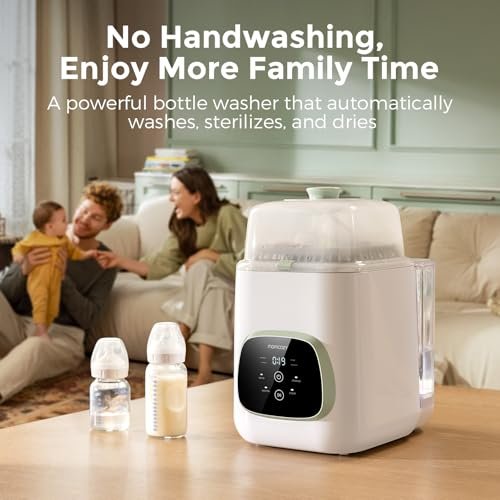
Are you tired of washing baby bottles one by one, spending precious time and energy? Imagine a device that can handle multiple bottles at once, making your life so much easier.
But how many bottles can a baby bottle washer really clean at once? Knowing this can help you choose the right washer that fits your needs perfectly and saves you hours each week. Keep reading to discover the answer and find out how to get the most out of your baby bottle washer.
Your time and sanity will thank you!
Capacity Factors
Capacity factors affect how many bottles a baby bottle washer can clean at once. Several elements decide the total number of bottles you can wash efficiently. Understanding these factors helps you choose the right washer for your needs.
Washer Size And Design
The size of the washer sets the basic limit on capacity. Larger washers usually hold more bottles in one cycle. The design also matters. Some washers have compact spaces, reducing the number of bottles they fit. Others have open layouts that allow better bottle placement and cleaning.
Bottle Dimensions
Bottles come in different shapes and sizes. Wide-neck bottles may take more space than standard ones. Taller bottles might not fit in smaller washers. The shape and size of bottles affect how many can fit inside the washer at once.
Rack Configuration
Rack design influences bottle placement and total capacity. Some racks have adjustable holders to fit various bottle sizes. Others have fixed slots that limit bottle arrangement. Proper rack configuration helps maximize the number of bottles cleaned per cycle.
Types Of Baby Bottle Washers
Baby bottle washers come in different types. Each type offers unique features and capacities. Choosing the right one depends on your needs and space. Understanding these types helps you decide how many bottles can be cleaned at once.
Electric Washers
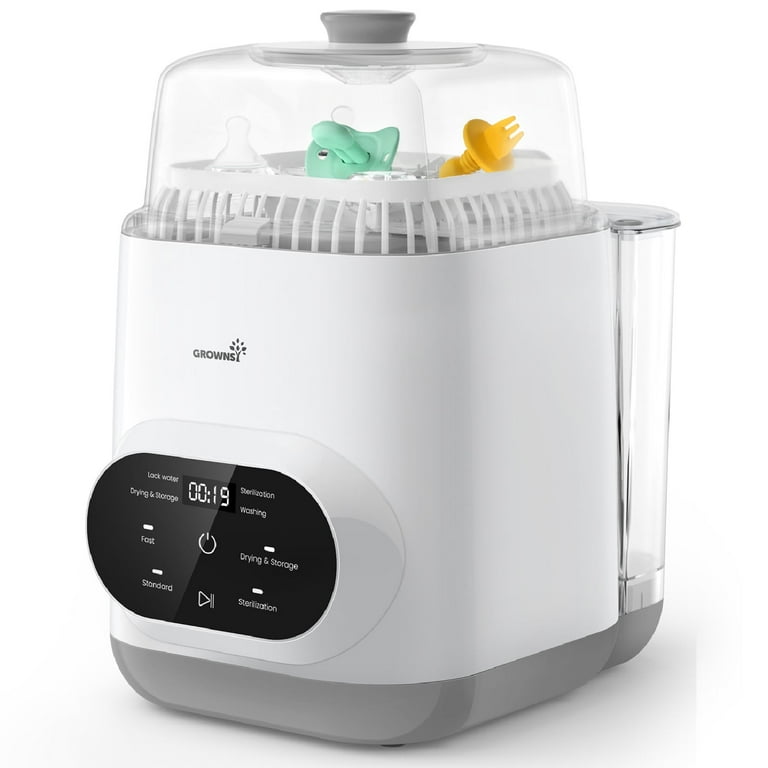
Electric baby bottle washers use power to clean bottles quickly. They have multiple slots for bottles, nipples, and accessories. These washers can clean several bottles in one cycle. Their automatic functions save time and effort. Many models include drying features too.
Manual Washers
Manual baby bottle washers require hand operation. They often have a simple brush or spinning mechanism inside. These washers clean one or two bottles at a time. They are quiet and need no electricity. Ideal for small families or travel.
Portable Models
Portable baby bottle washers are compact and easy to carry. They are usually battery-operated or manual. Portable washers clean fewer bottles per cycle. Great for trips or places without power. Their small size fits easily in bags or diaper kits.
Maximizing Load Efficiency
Maximizing load efficiency in a baby bottle washer saves time and energy. It helps clean more bottles in one cycle. Proper loading also ensures every bottle gets spotless. Careful arrangement and using the right tools improve cleaning results. Avoiding overload keeps the washer working well and lasts longer.
Optimal Bottle Arrangement
Place bottles upside down for better water flow. Keep space between bottles to reach all surfaces. Arrange bottles in a way water sprays freely. Avoid stacking bottles inside each other. Position nipples and small parts on the top rack or in baskets.
Using Accessories
Use bottle racks designed for your washer model. Small baskets hold nipples, rings, and caps securely. Silicone holders prevent bottles from falling over. Accessories keep items separate for thorough cleaning. They help maximize space and clean more at once.
Avoiding Overloading
Do not fill the washer beyond its capacity. Overloading blocks water jets and reduces cleaning power. Crowded bottles may stay dirty or get damaged. Follow the manufacturer’s load limit for best results. Less is more for effective and safe cleaning.
Cleaning Cycle Considerations
Cleaning cycle considerations affect how many bottles a baby bottle washer can clean at once. Each cycle has limits based on time, temperature, and detergent. Understanding these helps get the best cleaning results.
Cycle Duration
Cycle duration is the total time the washer runs. Short cycles may not clean all bottles thoroughly. Long cycles use more energy and water. Choose a cycle length that balances cleaning and efficiency. Some washers have quick wash options for fewer bottles.
Water Temperature
Water temperature plays a big role in cleaning. Hot water removes milk and formula better. It kills more germs and bacteria too. Most baby bottle washers use water between 140°F and 160°F. Too hot water can damage bottles. Follow the washer’s temperature guidelines.
Detergent Use
Detergent helps break down milk and residue. Use only detergents made for baby bottles. Avoid harsh chemicals that can harm your baby. Using too much detergent causes buildup on bottles. Too little detergent won’t clean well. Measure detergent carefully for each cycle.
Maintenance Tips
Proper maintenance keeps your baby bottle washer working well. It helps clean bottles effectively and lasts longer. Follow these simple tips to maintain your machine.
Regular Cleaning
Wipe the inside of the washer after every use. Remove leftover milk or food particles. Use a mild detergent and a soft cloth. Clean the spray arms to avoid blockages. Regular cleaning stops bacteria buildup and odors.
Filter Replacement
Check the filter often for dirt and debris. Replace it according to the manufacturer’s instructions. A clean filter improves water flow and cleaning power. Do not wait too long to change the filter. This keeps the washer running smoothly.
Troubleshooting Common Issues
Watch for poor cleaning or strange noises. Check if spray arms are clogged or stuck. Make sure the washer has enough water. Clear any blockages and reset the machine if needed. Follow the manual for simple fixes before calling for help.
Comparing Popular Models
Choosing the right baby bottle washer depends on how many bottles it can clean at once. Different models offer various capacities to meet parents’ needs. Comparing popular models helps find one that saves time and effort.
Some washers clean many bottles quickly. Others focus on small loads but cost less. User reviews also reveal real-life experiences with these machines.
Top Capacity Models
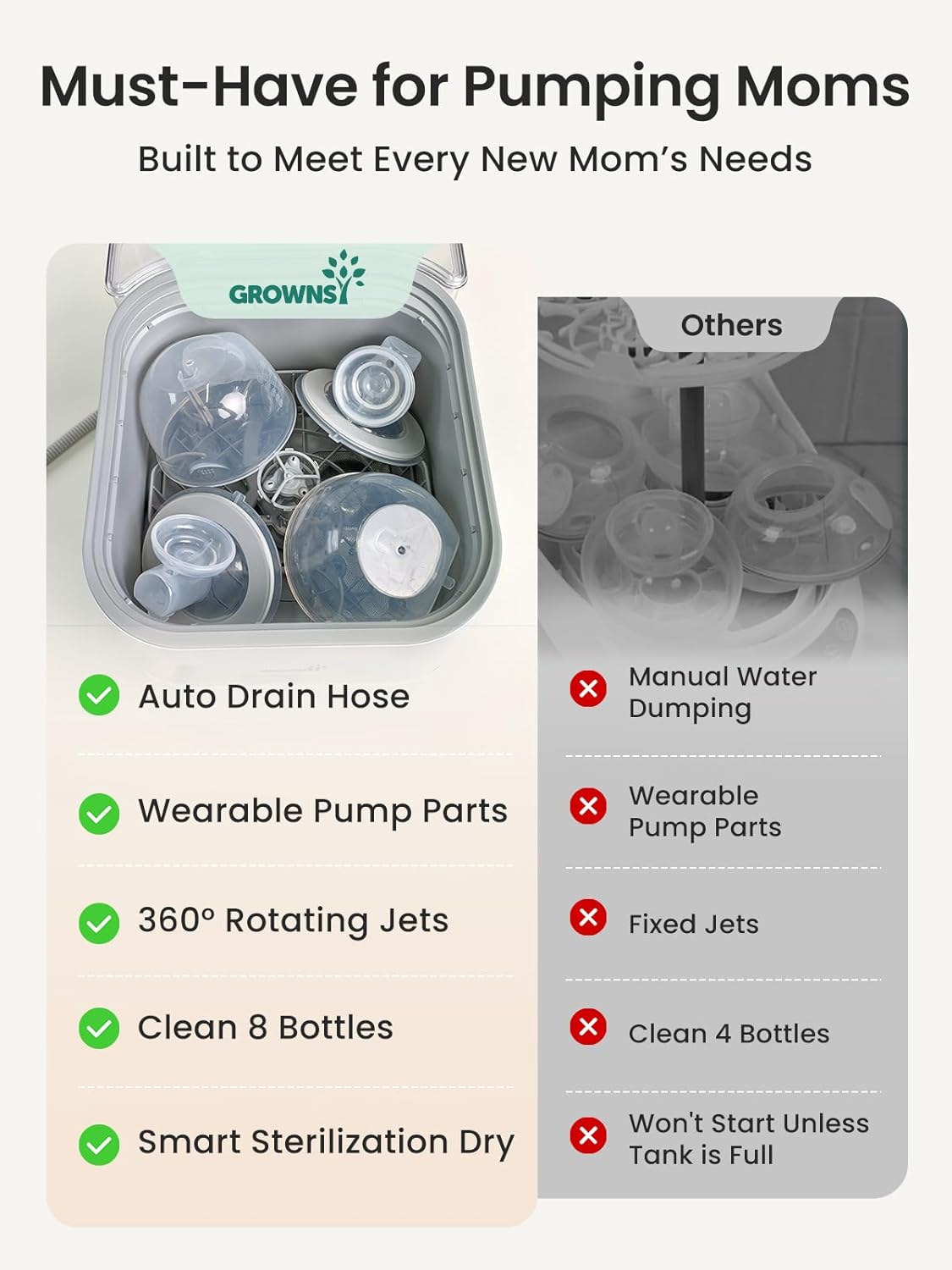
High-capacity washers can clean 8 to 12 bottles in one cycle. These models suit families with multiple babies or frequent feeding. They use powerful jets and larger racks to hold many bottles and accessories. Expect bigger size and higher prices with these washers.
Budget-friendly Options
Smaller baby bottle washers clean around 4 to 6 bottles per cycle. These are ideal for single babies or limited space. They cost less but may need more cycles for many bottles. Many budget models still offer good cleaning and drying features.
User Reviews And Ratings
Parents praise washers that clean thoroughly and save time. Some report noise levels and cycle length as important factors. High ratings often link to ease of use and size fit. Checking user feedback helps choose a washer that fits daily needs well.

Frequently Asked Questions
How Many Bottles Fit In A Baby Bottle Washer?
Most baby bottle washers can clean 4 to 6 bottles per cycle. Capacity depends on the model size and design. Always check the product manual for exact details to avoid overloading and ensure thorough cleaning.
Does Bottle Size Affect Washer Capacity?
Yes, larger bottles take up more space, reducing the total number cleaned at once. Smaller bottles and accessories allow you to fit more items in a single wash cycle.
Can Baby Bottle Washers Clean Accessories Too?
Most washers can clean nipples, caps, and rings along with bottles. However, check your washer’s specifications to confirm which accessories it supports safely and effectively.
How Long Does One Wash Cycle Take?
Typically, a wash cycle lasts between 8 to 15 minutes. This duration ensures bottles and accessories are thoroughly cleaned and sanitized without wasting water or energy.
Conclusion
A baby bottle washer can clean several bottles in one cycle. The exact number depends on the washer’s size and design. Most models hold between 4 to 8 bottles comfortably. Overloading the washer can reduce cleaning quality. It is best to follow the manufacturer’s guidelines.
This helps keep bottles clean and safe for your baby. Regular cleaning saves time and effort every day. Choose a washer that fits your family’s needs well. Clean bottles mean healthier feeding times and peace of mind.