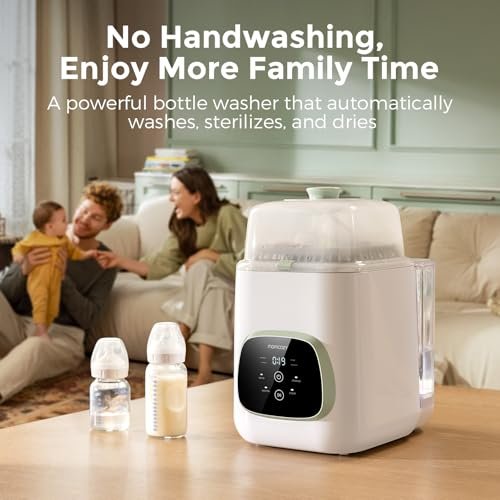
Are you tired of spending extra time scrubbing those tiny baby bottle nipples and small parts? You might be wondering if a baby bottle washer can really handle such delicate items.
Cleaning these small pieces properly is crucial for your baby’s health, but it can feel like a never-ending task. What if there was a simple way to make this chore faster and more effective? Keep reading to discover whether a baby bottle washer is the solution you’ve been looking for—and how it can make your life easier while keeping your baby safe.

Baby Bottle Washers Basics
Baby bottle washers are made to clean bottles quickly and safely. They help remove milk, formula, and germs from baby bottles. These machines also clean small parts like nipples and rings. Parents often wonder if bottle washers can clean tiny pieces well. Understanding how these washers work can help decide if they fit your needs.
Many parents want easy and effective cleaning. Baby bottle washers offer a hands-free way to keep bottles clean. They use water, heat, and sometimes steam. This removes dirt and kills bacteria without harsh scrubbing. Knowing the basics helps you use the machine right and get the best results.
How They Work
Baby bottle washers use water jets to clean bottles and parts. They spray water with force to remove milk and dirt. Some models heat the water to kill germs and bacteria. They may also use steam for extra cleaning power. The machine runs for a set time, usually 5 to 15 minutes. After the cycle, bottles come out clean and ready to dry.
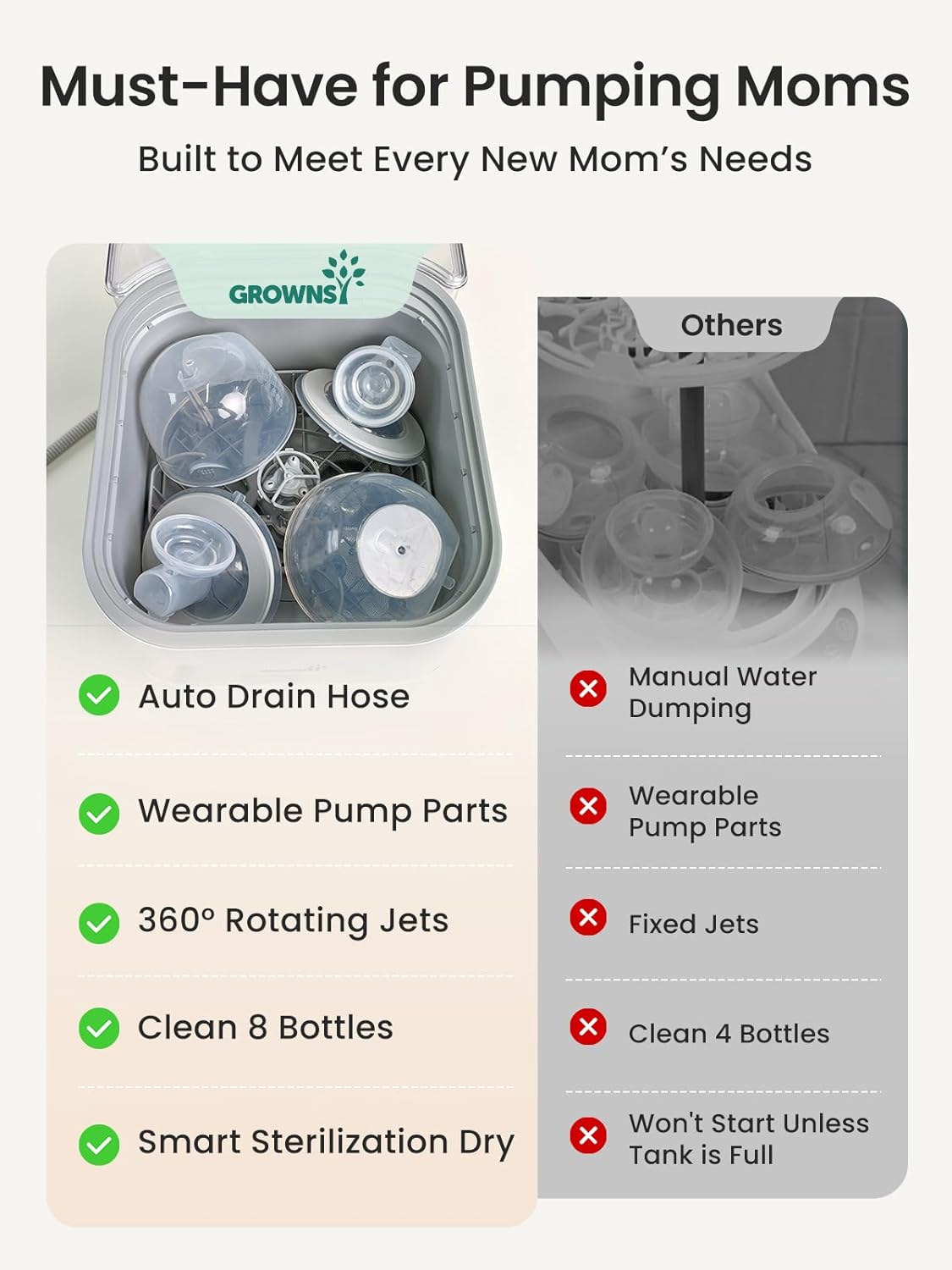
Inside, racks hold bottles and small parts securely. This keeps pieces from moving or breaking. The water reaches all surfaces, even inside nipples. Some washers include a drying feature to reduce moisture. This helps prevent mold and bacteria growth after washing.
Types Of Bottle Washers
There are a few types of baby bottle washers. Countertop models are small and fit on kitchen counters. They are easy to use and store. Some are designed for families with one or two babies. Larger models offer more space for many bottles and parts. These are good for bigger families or daycare use.
Some washers combine cleaning and sterilizing in one device. These use steam or UV light to kill germs after washing. Others focus only on washing, needing separate sterilizers. Choosing the right type depends on your space, budget, and cleaning needs.
Cleaning Nipples And Small Parts
Cleaning baby bottle nipples and small parts is important for your baby’s health. These parts can trap milk and germs easily. Proper cleaning prevents infections and keeps feeding safe.
Small parts need careful handling to avoid damage. Many parents wonder if a bottle washer cleans these tiny items well. Let’s explore the challenges and how effective bottle washers are.
Challenges With Small Items
Small parts like nipples and valves have tiny holes and crevices. These spots collect milk residue and bacteria. It is hard for water and soap to reach all areas.
Small items can move around during washing. They might not get fully cleaned or could get damaged. Some parts are fragile and need gentle care.
Manual cleaning takes time and effort. Scrubbing small parts carefully is not easy for busy parents.
Effectiveness Of Bottle Washers
Baby bottle washers use high-temperature water and steam. This kills germs and loosens milk residue. Many washers have special baskets for small parts.
Some washers offer gentle cycles for delicate items. They clean nipples and small parts safely without damage. The steam reaches tiny holes better than hand washing.
Still, some parts may need extra scrubbing. Use a small brush for thorough cleaning. Rinse well and dry completely to avoid mold.
Expert Cleaning Tips
Cleaning baby bottle nipples and small parts can be tricky. Expert tips help ensure these items are safe and germ-free. Proper cleaning prevents infections and keeps your baby healthy.
Pre-rinsing Techniques
Rinse nipples and small parts with warm water right after use. This removes milk residue and prevents buildup. Avoid hot water at this stage to protect delicate parts. Use your fingers to rub away any visible dirt gently.
Using Brushes And Accessories
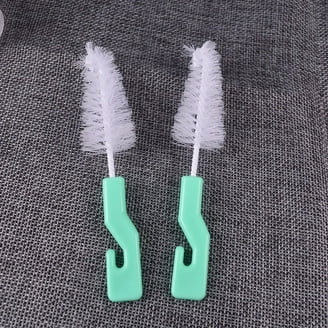
Use small brushes made for bottle nipples and tiny parts. These brushes reach inside narrow spaces easily. Clean each piece separately for best results. Replace brushes regularly to keep them effective and clean.
Optimal Washer Settings
Select a gentle cycle with high water temperature for sterilizing. Avoid harsh cycles that may damage small parts. Use a baby-safe detergent to protect your baby’s health. Arrange items so water flows freely around each piece.
Safety And Hygiene
Safety and hygiene are top priorities when cleaning baby bottle nipples and small parts. These items come in close contact with your baby’s mouth. Proper cleaning helps prevent germs and bacteria from causing infections. A baby bottle washer can help, but it must be used correctly to ensure cleanliness and safety.
Sterilization Options
A baby bottle washer often includes sterilization features. Steam sterilization is common. It kills most bacteria and viruses effectively. Some washers also use UV light for extra cleaning power. Choose a method that fits your needs. Always follow the manufacturer’s instructions carefully. Sterilization ensures small parts are safe for your baby.
Avoiding Cross-contamination
Cross-contamination can happen if bottle parts touch dirty surfaces. Use the bottle washer’s compartments properly. Keep nipples and small parts separate from larger items. Clean the washer regularly to remove any residue. Dry parts completely before storing them. This practice helps keep germs away and protects your baby’s health.
Alternative Cleaning Methods
Cleaning baby bottle nipples and small parts can be tricky. Some parts may not fit well inside a bottle washer. Alternative cleaning methods help keep these items safe and clean. These methods are easy and effective. They ensure no germs remain on your baby’s feeding tools.
Manual Cleaning Tips
Use a small brush made for baby bottles. Clean every nook and cranny carefully. Warm soapy water works best to remove milk residue. Rinse the parts thoroughly with clean water. Air dry on a clean towel or drying rack. Avoid using harsh chemicals or abrasive sponges. These can damage the parts and harm your baby.
Using Sterilizers
Sterilizers kill germs that manual cleaning might miss. Use electric steam sterilizers or microwave steam bags. Follow the instructions carefully for safe use. Sterilizers work well for nipples, rings, and other small parts. They provide a quick and hygienic cleaning option. Sterilizing is important for newborns and babies with weak immune systems.
Maintenance Of Bottle Washers
Proper maintenance keeps your baby bottle washer working well. It helps clean nipples and small parts effectively. Regular care extends the machine’s life. It also ensures every item is safe and germ-free for your baby.
Regular Cleaning
Clean the bottle washer after every use. Remove leftover milk and debris inside the machine. Wipe the surfaces with a damp cloth. Use mild soap to avoid damage. Rinse parts thoroughly to remove soap. Let the machine dry fully before the next use. Regular cleaning stops mold and bacteria build-up. It keeps the washer fresh and ready.
Troubleshooting Common Issues
Check for clogs if the washer stops working well. Clear blocked nozzles gently with a soft brush. Listen for strange noises during operation. Strange sounds may mean loose parts or motor issues. Make sure water flows freely through all parts. Inspect seals and filters for damage. Replace worn parts to maintain performance. Follow the user manual for specific fixes. Quick action prevents bigger problems later.
Frequently Asked Questions
Can A Baby Bottle Washer Clean Nipples Effectively?
Yes, most baby bottle washers are designed to clean nipples thoroughly. They use specialized brushes or jets to reach small crevices, ensuring hygiene and safety for your baby.
Are Small Parts Like Valves Cleaned In Bottle Washers?
Many baby bottle washers can clean small parts like valves. They use high-pressure water or brushes to remove milk residue and bacteria from tiny components.
Is Hand Washing Better Than Using A Bottle Washer?
Hand washing can be thorough but time-consuming. Bottle washers offer convenience and consistent cleaning, especially for multiple bottles and parts, saving time without compromising cleanliness.
How Often Should Baby Bottle Nipples Be Cleaned?
Clean baby bottle nipples after every use to prevent bacteria growth. Regular cleaning ensures the baby’s feeding equipment remains safe and hygienic at all times.
Conclusion
A baby bottle washer can clean nipples and small parts well. It reaches tight spaces and removes milk residue easily. Regular cleaning helps keep your baby safe from germs. Always check the washer’s instructions for best results. Clean parts dry faster and stay fresh longer.
Using the right method saves time and effort daily. Trust the process to keep feeding gear clean and ready. Simple steps make a big difference in your baby’s health.