You want the best for your baby, and keeping their feeding bottles clean is a big part of that. But how can you be sure those bottles are truly free from harmful germs?
That’s where a bottle sterilizer comes in. If you’ve ever wondered how a bottle sterilizer works for baby bottles and whether it’s worth using, this article is for you. By the end, you’ll understand exactly how this simple device protects your little one’s health and why it might become your new best friend in baby care.
Keep reading—you’ll discover easy tips to make feeding time safer and stress-free.
Why Sterilize Baby Bottles
Keeping baby bottles clean is very important for your baby’s health. Sterilizing baby bottles removes harmful germs and bacteria that can cause illness. This process helps protect your baby from infections and keeps feeding safe. Understanding why sterilizing bottles matters can help you care for your baby better.
Health Benefits For Babies
Sterilized bottles reduce the chance of infections. Babies have weak immune systems. Germs in unclean bottles can cause stomach problems and diarrhea. Clean bottles help babies grow strong and healthy. Sterilizing also lowers allergy risks linked to bacteria.
Risks Of Unsterilized Bottles
Bacteria and germs grow fast in dirty bottles. These can cause vomiting, fever, and other sicknesses. Unsterilized bottles may lead to ear infections and colds. Some germs can cause serious illnesses in babies. Using unclean bottles puts your baby’s health at risk.
Types Of Bottle Sterilizers
Choosing the right bottle sterilizer helps keep your baby’s bottles clean and safe. Different types offer various ways to kill germs. Each type uses a unique method that suits different needs and budgets. Understanding these options makes it easier to pick the best one for you.
Electric Steam Sterilizers
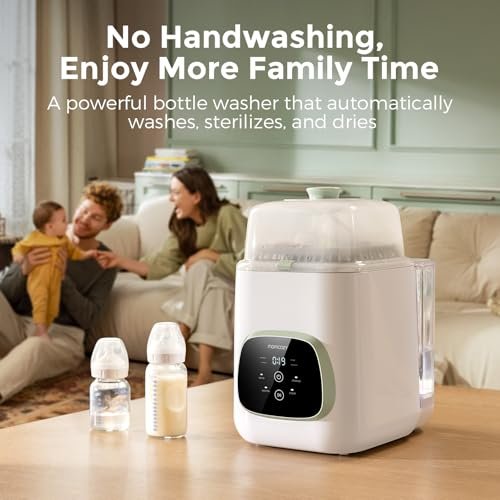
Electric steam sterilizers use hot steam to kill bacteria. You place bottles inside, add water, and turn it on. The steam heats up and cleans the bottles quickly. This type is fast and effective. It also dries bottles after sterilizing. Many parents like it for daily use.
Microwave Sterilizers
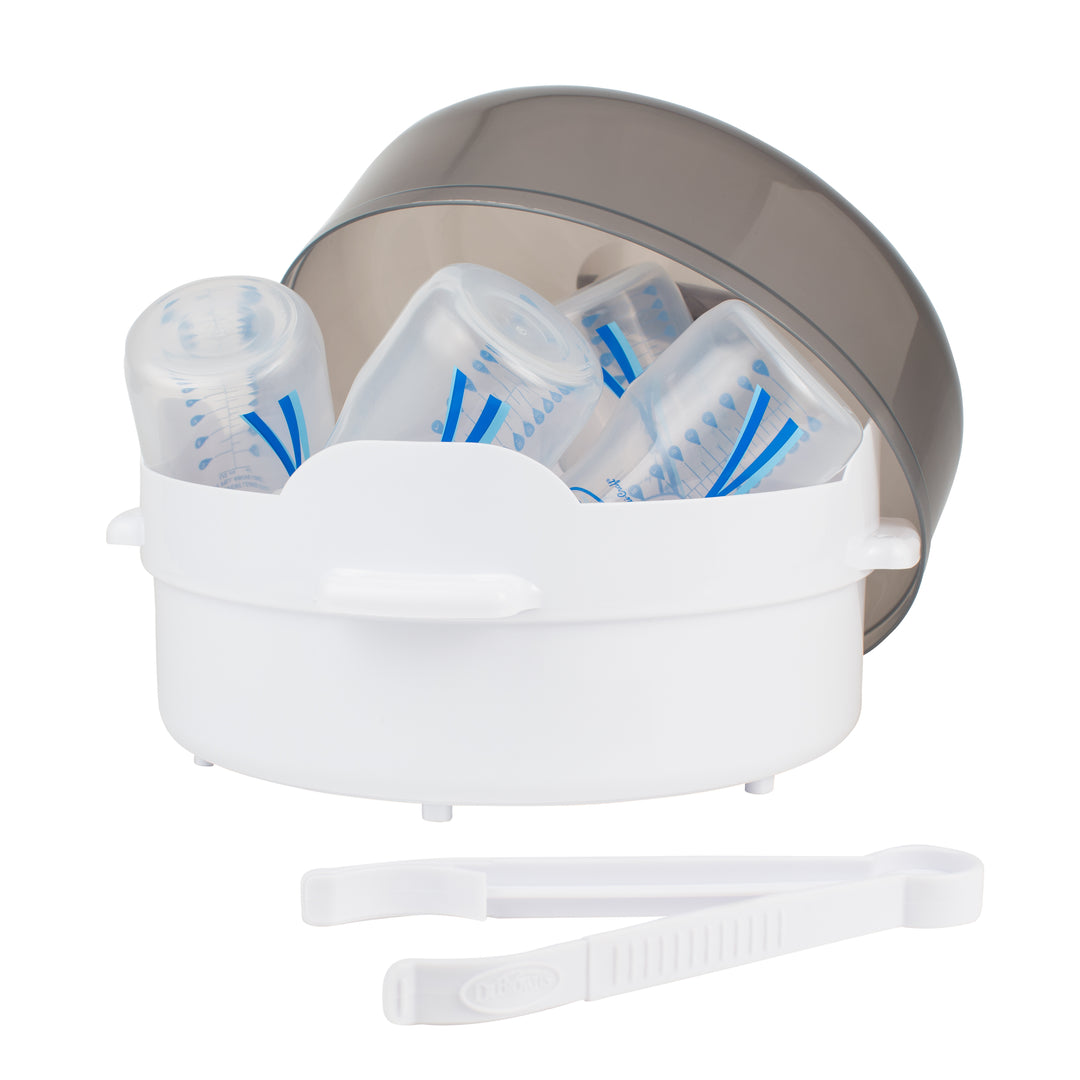
Microwave sterilizers use steam created by microwaving water. You put bottles in a special container and heat them in the microwave. This method is quick and easy. It takes only a few minutes. It uses less space and is good for small kitchens. Just be sure your microwave is powerful enough.
Cold Water Sterilizers
Cold water sterilizers use special liquid or tablets to kill germs. You soak the bottles in cold water with the sterilizing solution. This method does not need electricity or heat. It works well for travel or places without power. Bottles stay clean for up to 24 hours in the solution.
Uv Sterilizers
UV sterilizers use ultraviolet light to destroy bacteria. You place bottles inside the device, and the light kills germs on surfaces. This method is chemical-free and quick. It also dries bottles after sterilizing. UV sterilizers are modern and easy to use but can be more expensive.
How Steam Sterilization Works
Steam sterilization is a common and effective way to clean baby bottles. It uses hot steam to kill germs and bacteria. This method is safe and easy, making it popular among parents. Understanding how it works helps you trust the process and keep your baby’s bottles clean.
Steam Generation Process
The sterilizer heats water to create steam. Water sits in a small container inside the device. When powered on, the water quickly boils and turns into steam. This steam rises and fills the sterilizer chamber. It surrounds the baby bottles with hot vapor.
Heat And Germ Elimination
Steam’s high heat kills harmful germs and bacteria. The steam penetrates every part of the bottle. It reaches the nipple, cap, and inside surfaces. Heat breaks down germs’ cell walls, making them inactive. This leaves bottles safe for your baby to use.
Cycle Duration
The sterilization cycle usually lasts 5 to 15 minutes. This time ensures all germs are destroyed. After the cycle ends, bottles remain sterile for hours if unopened. This gives parents peace of mind before feeding time.
Using A Microwave Sterilizer
Using a microwave sterilizer is a quick and easy way to clean baby bottles. This method uses steam to kill harmful germs and bacteria. It saves time and uses less water than traditional boiling. Many parents find microwave sterilizers convenient for daily use.
Setup And Operation
First, add the right amount of water to the sterilizer base. Place the baby bottles and parts inside, standing them upright. Close the lid securely. Put the sterilizer in the microwave. Set the microwave to the recommended time, usually between 3 to 8 minutes. After the cycle ends, let the sterilizer cool before opening. Your bottles are now ready to use.
Safety Measures
Always use microwave-safe sterilizers made for baby bottles. Handle the sterilizer carefully after heating; it will be hot. Avoid opening the lid right away to prevent steam burns. Use clean hands or tongs to remove bottles. Regularly check the sterilizer for cracks or damage. Follow the manufacturer’s instructions to keep everything safe.
Cold Water Sterilization Method
The cold water sterilization method is a popular way to clean baby bottles without using heat. This method uses special chemicals that kill germs in cold water. It is gentle and safe for bottles that cannot handle high temperatures. Many parents choose this method for its simplicity and effectiveness.
Chemical Solutions Used
The main chemicals used are sterilizing tablets or liquids. These contain safe disinfectants that kill bacteria and viruses. The solutions are non-toxic and designed for baby products. They break down germs quickly without harming the bottle materials.
Procedure And Timing
First, fill a clean container with cold water. Add the sterilizing tablet or liquid as per instructions. Submerge all baby bottles and parts completely in the solution. Let them soak for about 30 minutes to ensure full sterilization. After soaking, rinse the bottles with clean water or use them directly, depending on the product guide.
:max_bytes(150000):strip_icc()/prt-bottle-sterilizers-test-papablic-classic-and-dryer-nick-frasher-1-e835b8b903d542608f1cab1d3d6dc9a6.jpeg)
Uv Sterilization Explained
UV sterilization is a popular method to clean baby bottles. It uses ultraviolet light to kill germs without chemicals. This method is fast and safe for delicate items like baby bottles. Understanding how UV sterilization works helps parents trust the process more.
Let’s explore how UV light kills germs and its strengths and limits.
Uv Light Mechanism
UV sterilizers use UV-C light to kill bacteria and viruses. This light damages the DNA of germs, stopping them from growing. The sterilizer shines UV light inside the bottle, reaching all surfaces. The process takes just a few minutes to complete. No water or heat is needed, which protects bottle parts from damage.
Effectiveness And Limitations
UV light kills most bacteria and viruses found on baby bottles. It works well on smooth, clean surfaces. Dirt or milk residue can block UV light, reducing its power. UV sterilizers do not remove physical dirt, so bottles must be washed first. Some germs may need longer exposure to be fully killed. UV sterilization does not use heat, so it is gentle on plastic parts.
Factors To Consider When Choosing A Sterilizer
Choosing the right sterilizer for baby bottles is important. It helps keep your baby safe and healthy. Many factors affect how well a sterilizer works for your needs. Consider these points carefully before buying.
Capacity And Size
Think about how many bottles you need to clean at once. Some sterilizers hold only a few bottles. Others can clean many bottles and accessories together. Choose a size that fits your daily needs. Also, consider the space where you will keep the sterilizer.
Ease Of Use
Look for a sterilizer that is simple to operate. Clear buttons and easy instructions help. Some models have automatic shut-off for safety. A user-friendly design saves time and effort. Parents often prefer quick and simple devices.
Speed And Efficiency
Check how fast the sterilizer cleans bottles. Some models take just a few minutes. Faster sterilizers help when you need bottles quickly. Efficiency also means it uses less water and energy. This saves money and is better for the environment.
Cost And Maintenance
Compare prices of different sterilizers. Some are more expensive but last longer. Others may need frequent replacements or special parts. Also, think about how easy it is to clean the sterilizer. Low maintenance saves time and effort.
Tips For Safe Sterilization
Sterilizing baby bottles keeps them clean and safe for feeding. Using a bottle sterilizer kills harmful germs effectively. Follow some important tips to ensure safe sterilization every time. These tips help protect your baby’s health and keep bottles ready for use.
Proper Bottle Preparation
Start by washing bottles with warm, soapy water. Rinse well to remove all soap residue. Disassemble all parts, such as nipples and caps. Place bottles and parts carefully inside the sterilizer. Avoid overcrowding to allow steam to reach all surfaces. Follow the sterilizer’s instructions for best results.
Storage After Sterilization
Remove bottles only when the sterilizer signals completion. Use clean hands or sterile tongs to handle bottles. Store sterilized bottles in a clean, covered container. Keep them sealed until ready to use. Use bottles within 24 hours to ensure they stay germ-free.

Frequently Asked Questions
How Does A Bottle Sterilizer Kill Germs?
A bottle sterilizer uses steam heat to kill 99. 9% of germs and bacteria. The high temperature steam penetrates the bottles, effectively sterilizing them quickly and safely without chemicals.
Is Bottle Sterilizing Better Than Washing With Soap?
Yes, sterilizing removes bacteria and viruses that regular soap and water can miss. It offers extra protection, especially for newborns with sensitive immune systems.
How Long Does A Bottle Sterilizer Cycle Take?
Most bottle sterilizer cycles last between 5 to 15 minutes. The duration depends on the sterilizer model and the number of bottles being sterilized.
Can I Sterilize Breast Pump Parts Too?
Yes, many bottle sterilizers are designed to sterilize breast pump parts. Check your sterilizer’s manual to confirm compatible items and ensure safe sterilization.
Conclusion
A bottle sterilizer kills germs using steam or UV light. It keeps baby bottles clean and safe to use. This helps protect babies from infections. Sterilizing is quick and easy with the right device. It saves time compared to boiling water.
Clean bottles mean healthier feeding times. Choosing a good sterilizer can make a big difference. Simple steps lead to better baby care every day. A clean bottle is a happy bottle.