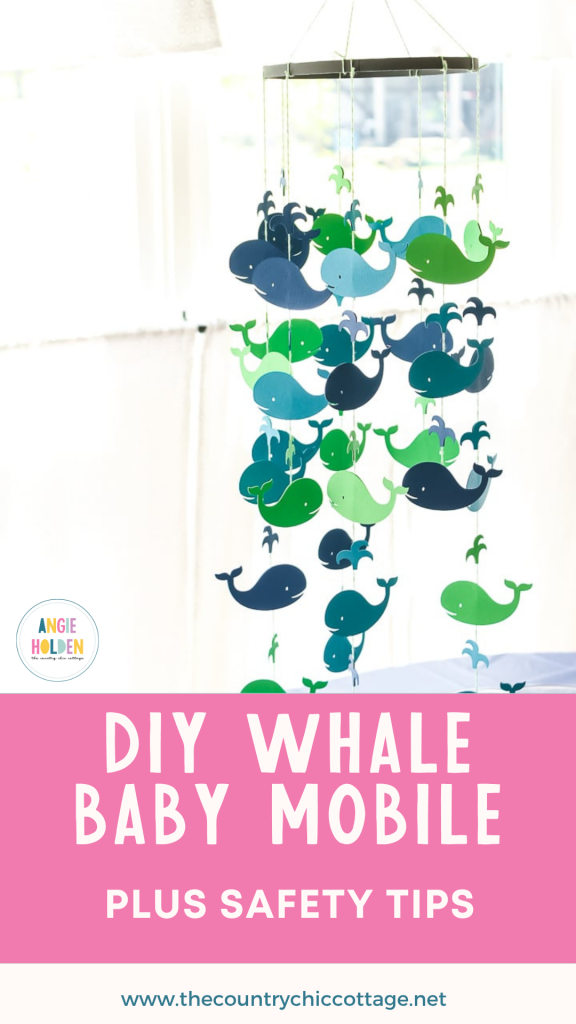
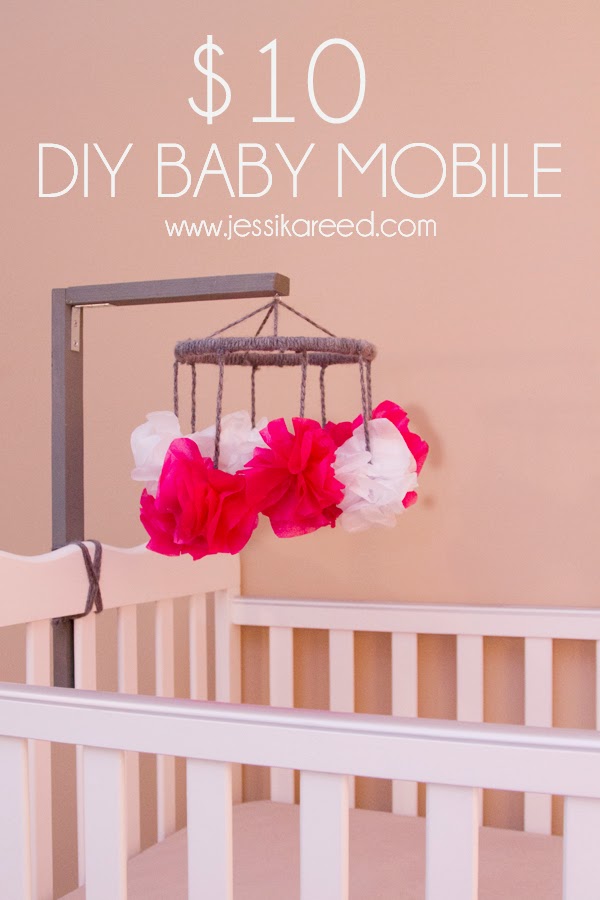
Are you thinking about making a DIY crib mobile for your little one? It sounds like a fun and creative way to add a personal touch to your baby’s nursery.
But before you start cutting and gluing, it’s important to ask: are DIY crib mobiles really safe for your baby? Your child’s safety is your top priority, and even small details can make a big difference. You’ll discover what makes a crib mobile safe or risky, and how you can enjoy crafting without putting your baby in danger.
Keep reading to find out how to protect your baby while still creating something special with your own hands.

Risks Of Diy Crib Mobiles
DIY crib mobiles can add a personal touch to a nursery. They often look charming and creative. Yet, they carry certain risks that parents must know. Safety is the top priority with baby items. Understanding these risks helps prevent accidents and keeps babies safe.
Choking Hazards
Small parts can easily come loose from homemade mobiles. Babies put things in their mouths. Loose beads, buttons, or decorations can block airways. Even tiny pieces pose a serious choking threat. Always check if parts are firmly attached and too big to swallow.
Strangulation Risks
Strings or ribbons on DIY mobiles can be dangerous. Babies might get tangled in them. Long cords or loose threads can wrap around a baby’s neck. This can cause injury or suffocation. Keep strings short and out of baby’s reach at all times.
Toxic Materials Concerns
Not all craft supplies are safe for babies. Some paints, glues, or fabrics contain harmful chemicals. Babies have sensitive skin and breathe close to mobiles. Toxic substances can cause allergic reactions or health problems. Use only non-toxic, baby-safe materials for all parts.
Safe Materials To Use
Choosing safe materials is key for DIY crib mobiles. Babies spend a lot of time near these toys. Using the right materials keeps them safe and healthy. Avoid anything that can cause allergies or harm. Focus on soft, non-toxic, and sturdy items that last.
Non-toxic Fabrics And Paints
Use fabrics made without harmful chemicals. Organic cotton and wool are good choices. Avoid synthetic materials that can irritate baby’s skin. Paints must be labeled non-toxic and safe for children. Water-based paints are better than oil-based types. These reduce fumes and risks from chemicals.
Secure Attachments
All parts must be firmly attached to avoid falling. Use strong thread or thin wire for hanging pieces. Double knot threads to stop loosening. Avoid small parts that can break off easily. Check attachments regularly for wear or damage.
Durable Components
Choose materials that do not break or tear easily. Wood, felt, and thick fabrics work well. Avoid plastic parts that can crack or splinter. Durable components help keep the mobile safe long-term. Strong materials also prevent choking hazards.
Design Tips For Safety
Designing a DIY crib mobile can be fun and creative. Safety must be the top priority. Simple rules help keep your baby safe while enjoying the mobile’s charm. Follow these design tips to make a safe crib mobile.
Avoid Small Detachable Parts
Small parts can easily come off and pose a choking risk. Use larger pieces that cannot break into tiny bits. Secure all parts firmly with strong glue or stitching. Check the mobile often for loose pieces.
Keep Strings Short
Long strings can cause strangulation hazards. Keep all strings short and tight. Avoid using ribbons or cords that can stretch. Use sturdy materials that do not fray or break easily.
Proper Height And Placement
Hang the mobile high enough so the baby cannot reach it. The mobile should be out of the baby’s grasp at all times. Place it where it does not block breathing or movement. Make sure it is firmly attached to avoid falling.
Installation Best Practices
Installing a DIY crib mobile safely matters a lot for your baby’s safety. Proper installation keeps the mobile steady and out of reach. It reduces risks of accidents and helps your baby enjoy the mobile safely.
Secure Mounting Methods
Choose strong and stable mounting points. Use screws or hooks that fit the crib frame well. Avoid adhesives or weak tapes that can fall off. Make sure the mobile hangs firmly without wobbling. Keep the mobile high enough to stay out of the baby’s reach.
Regular Inspection
Check the mobile often for loose parts or wear. Tighten screws and fix any damage immediately. Remove the mobile if it shows signs of breaking. Regular checks help prevent accidents before they happen.
Avoiding Overhead Hazards
Do not hang the mobile directly above the baby’s head. Leave enough space so the baby cannot grab it. Avoid strings or parts that can wrap around fingers or neck. Choose soft, light materials to reduce injury risks.
Alternatives To Diy Mobiles
Choosing the right visual stimuli for your baby is important. DIY crib mobiles might seem fun but safety concerns arise. Alternatives offer peace of mind and still engage your little one effectively. These options provide safe, tested designs or different ways to stimulate your baby’s senses.
Certified Store-bought Options
Certified crib mobiles go through strict safety tests. They use non-toxic materials and secure attachments. These mobiles reduce risks like choking or falling parts. Many have soft colors and gentle movements. They help develop your baby’s vision and focus. Buying certified mobiles supports a safer environment for your baby.
Non-mobile Visual Stimuli
Visual stimuli don’t always need to move. Wall decals or high-contrast posters are good options. These are safe and stay out of reach. They help babies track shapes and colors. Soft light projectors create calm, shifting images. These alternatives keep your baby entertained and safe without parts that move above the crib.
Frequently Asked Questions
Are Diy Crib Mobiles Safe For Newborns?
DIY crib mobiles can be safe if made with non-toxic materials. Ensure all parts are securely attached. Avoid small detachable pieces to prevent choking hazards. Always follow safety guidelines and supervise your baby during use.
What Materials Are Safest For Diy Crib Mobiles?
Use non-toxic, BPA-free, and hypoallergenic materials. Soft fabric, untreated wood, and organic cotton are good choices. Avoid sharp or heavy components. Prioritize lightweight and baby-safe materials to ensure your infant’s safety.
How High Should A Diy Crib Mobile Hang?
Hang the mobile at least 12 inches above the mattress. This prevents babies from grabbing or pulling it down. Proper height ensures safety and allows easy viewing without risk of injury.
When Should I Remove A Crib Mobile?
Remove the mobile once your baby can push up on hands and knees. This usually happens around 5 months. Removing prevents potential entanglement or pulling hazards as your baby becomes more mobile.
Conclusion
DIY crib mobiles can be a fun and creative project. Safety must always come first for your baby’s well-being. Choose soft, non-toxic materials and avoid small parts that can detach. Keep the mobile out of your baby’s reach at all times.
Regularly check for wear and tear to prevent accidents. A safe crib mobile adds charm without risk. Trust your instincts and prioritize safety above all else. Your baby’s comfort and security matter most.


