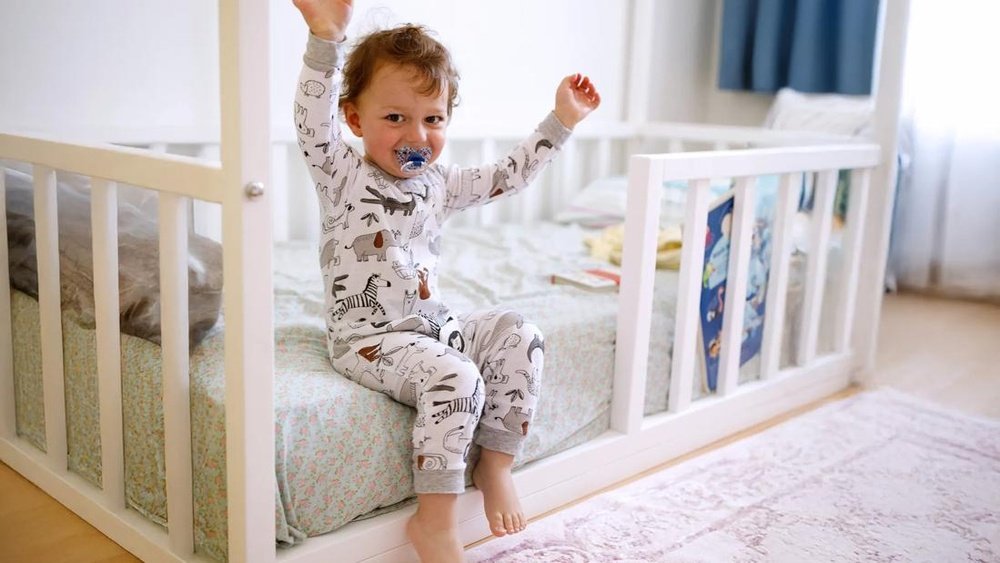
Are you wondering when the right time is to move your baby from their crib to a bed? This transition can feel overwhelming, and you might be asking yourself if your little one is ready.
Making this change too early or too late can affect your child’s sleep and your peace of mind. You’ll discover the key signs to watch for and practical tips to make the switch smooth and safe. Keep reading to find out exactly when and how to help your baby take this important step.
Signs Your Baby Is Ready
Knowing the right time to switch your baby from a crib to a bed matters a lot. It can keep your child safe and comfortable. Watch for clear signs that show your baby is ready. These signs help make the transition smooth and stress-free.
Climbing Out Of The Crib
One big sign is when your baby starts climbing out. This can be risky and cause falls. If your child tries to climb over the crib rails, it’s time to think about a bed. Staying in a crib might not be safe anymore.
Showing Interest In A Big Kid Bed
Babies sometimes show they want to sleep in a big bed. They may ask about it or want to try it. This interest shows they feel ready for a change. Encouraging this feeling can make them excited about bedtime.
Physical Growth And Development
Growth also plays a role. When your baby grows taller, the crib may feel cramped. Their body might not fit well in the crib anymore. Stronger muscles and better balance also help them move safely to a bed.
Ideal Age Range For Transition
Deciding the right time to move your baby from a crib to a bed matters for safety and comfort. The ideal age range can guide parents through this change smoothly. It helps balance your child’s independence with their need for security. Understanding typical age milestones and recognizing your child’s unique growth helps make the transition easier.
Typical Age Milestones
Most children switch from crib to bed between 18 months and 3 years old. Around this age, toddlers start showing signs of climbing out of the crib. This can be a safety concern and a signal to move to a bed. Some kids feel ready sooner, while others take more time. Watch for signs like expressing a desire for a bigger bed or trying to escape the crib.
Variations By Child
Every child grows at their own pace. Some may stay in a crib until age 4, while others move earlier. Factors like physical development, temperament, and sleep habits affect timing. Children who are very active or curious might need a bed sooner. Others who need extra comfort may benefit from staying in a crib longer. Pay close attention to your child’s behavior and comfort during sleep time.
Choosing The Right Bed
Choosing the right bed for your baby’s transition from crib is important. The bed should be comfortable and safe. It should also suit your child’s size and needs. This helps your child feel secure and sleep well. There are different bed options to consider. Each has benefits and things to watch for.
Toddler Beds Vs Twin Beds
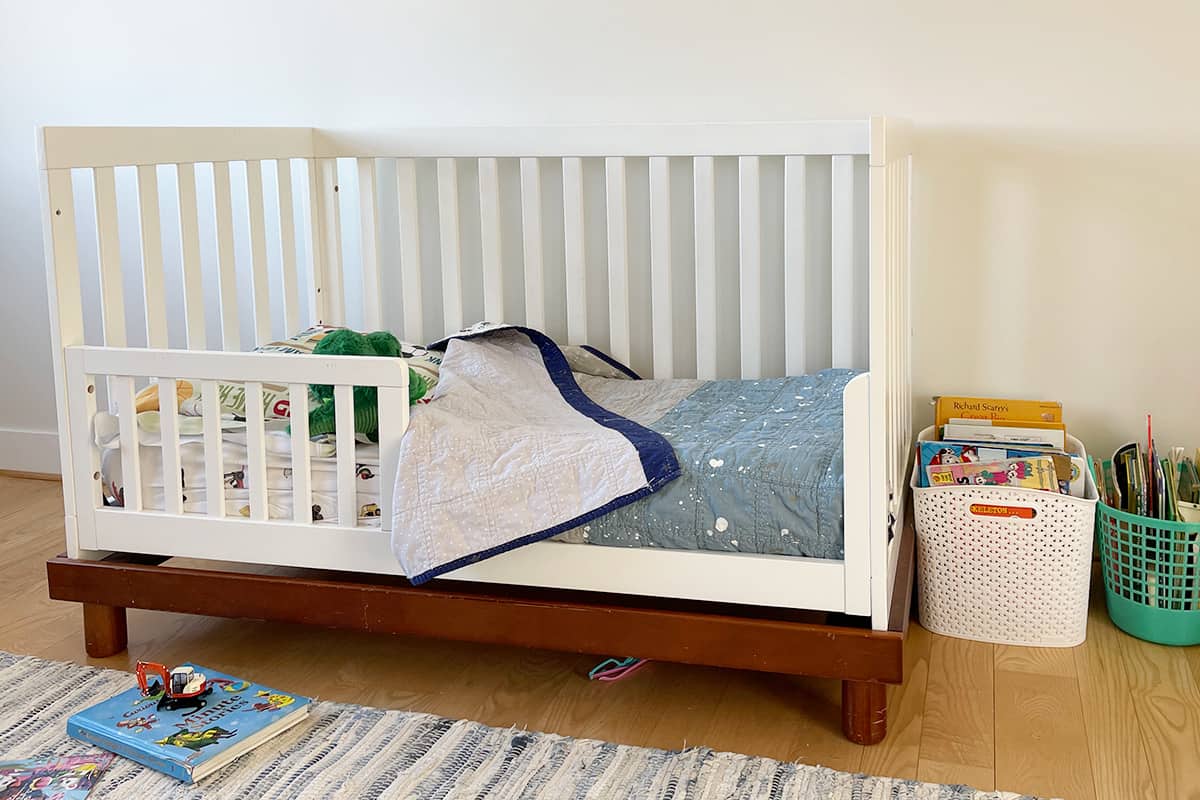
Toddler beds are smaller and lower to the ground. They use the same crib mattress. This makes the switch easier for your child. Toddler beds often have side rails to prevent falls. They are perfect for children aged 1.5 to 3 years.
Twin beds are larger and last longer as your child grows. They offer more sleeping space and can be used for many years. Twin beds need a new mattress and bedding. This option suits children older than 3 years or those who need more room.
Safety Features To Consider
Choose a bed with strong side rails. They help keep your child safe during sleep. Look for beds with a low height to prevent injury from falls. Check that the bed frame has no sharp edges or small parts. The mattress should fit the bed frame tightly. This stops your child from getting stuck between the mattress and frame.
Test the bed’s stability before use. Make sure it does not wobble or tip easily. Avoid beds with toxic paints or materials. Choose beds that meet safety standards for children’s furniture. Safety is key for a smooth and safe transition.
Preparing The Room
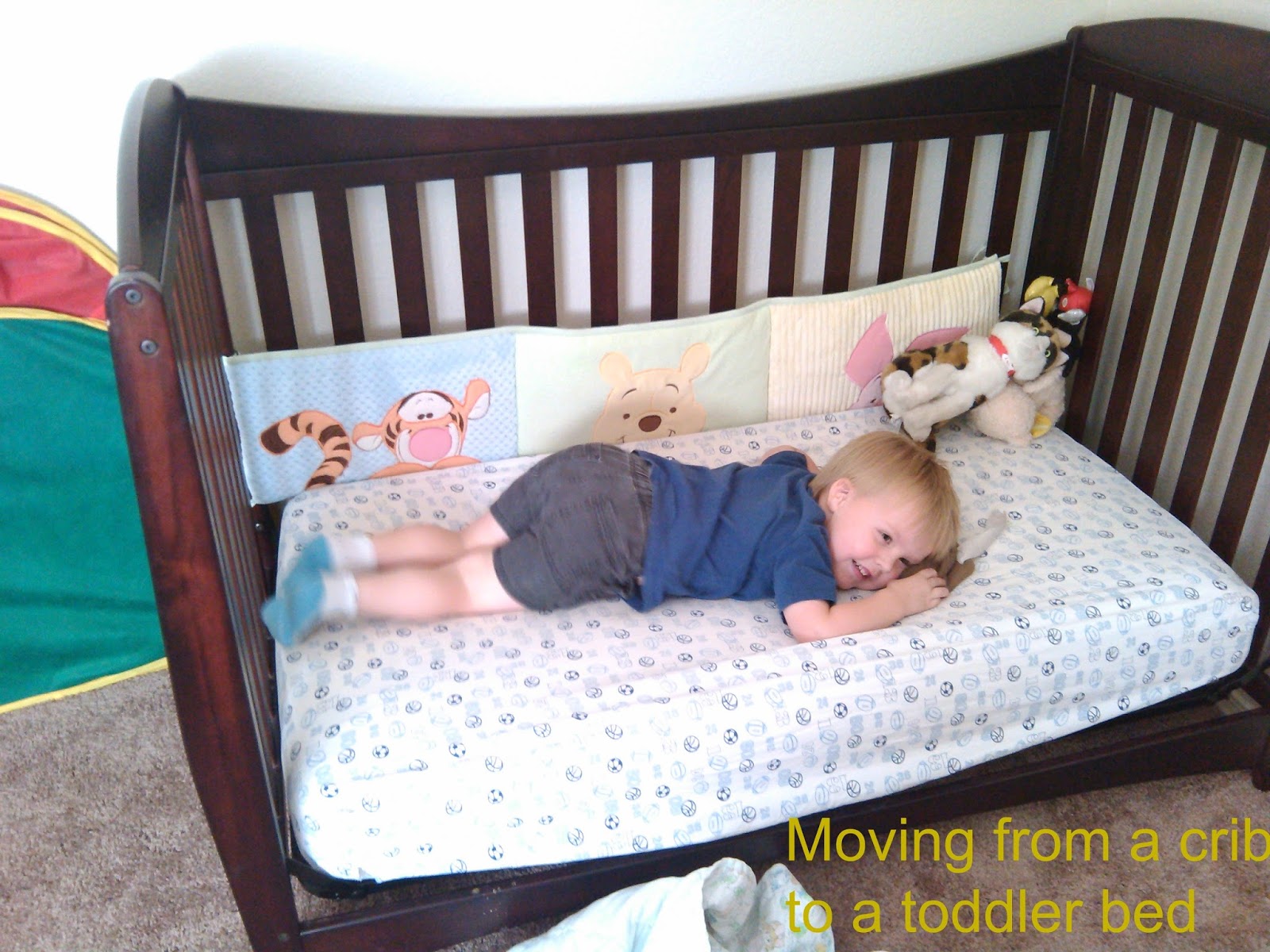
Preparing your baby’s room for the transition from crib to bed is very important. A safe and comfortable space helps your child feel secure and sleep well. This step makes the change easier for both of you. Focus on making the room safe and welcoming.
Childproofing Tips
Remove sharp or small objects from the room. Cover electrical outlets with safety plugs. Secure furniture to the wall to stop tipping. Use window guards or locks to prevent falls. Keep cords from blinds out of reach. Check the floor for toys or items that cause tripping. These steps protect your child as they explore their new bed.
Making The Space Inviting
Choose soft, cozy bedding with favorite colors or characters. Add a nightlight to keep the room softly lit. Place a favorite stuffed toy or blanket near the bed. Keep the room tidy and free of clutter. Add simple decorations that your child likes. These touches create a warm, happy place for sleep and play.
Helping Your Child Adjust
Transitioning your child from a crib to a bed can be a big change. It may bring some worries or fears for your little one. Helping your child adjust is important for a smooth switch. Simple steps can make the new bed feel safe and comfortable. Your support helps your child feel confident and calm during this time.
Establishing A Bedtime Routine
A steady bedtime routine gives your child comfort and predictability. Try the same steps each night, like a bath, story, and quiet time. This routine signals that sleep time is near. Keep the routine calm and gentle. It helps your child relax and feel ready for bed.
Using Comfort Objects
Comfort objects like a favorite blanket or stuffed toy bring security. Let your child take these to bed. These items remind them of safety and love. They can reduce fear of the new bed. Comfort objects help your child feel cozy and calm.
Positive Reinforcement
Praise your child for trying the new bed. Say kind words like “Great job!” or “I’m proud of you.” Small rewards can encourage good sleep habits. Positive reinforcement builds your child’s confidence. It makes the bed feel like a happy place.

Dealing With Common Challenges
Moving a baby from a crib to a bed can be a big change for both parents and child. This transition often comes with challenges. Parents need to prepare and handle these issues calmly. Understanding common problems helps make the change smoother and less stressful.
Nighttime Wandering
Babies may get out of bed and walk around at night. This can worry parents. Setting up a safe room is important. Use baby gates or door alarms to keep the child safe. Teach your child to stay in bed by using gentle reminders.
Fear Of The Dark
Many children feel scared in a new bed, especially in the dark. A nightlight can offer comfort. Let your child bring a favorite toy or blanket. Talk about the dark in a positive way. This helps reduce fear and builds confidence.
Resistance To The New Bed
Some children refuse to sleep in their new bed. This is normal. Make the bed inviting with soft sheets and fun pillows. Create a bedtime routine that feels safe and calm. Praise your child for trying to sleep in the bed. Patience and consistency will help them adjust.
When To Seek Professional Advice
Deciding when to move your baby from a crib to a bed can be tricky. Sometimes, a little help from a professional makes the process smoother. Knowing the signs that show it is time to seek advice can save stress for both you and your child. This section highlights key moments when talking to an expert is best.
Sleep Disruptions
Frequent waking up at night may signal a problem. If your baby suddenly starts having trouble sleeping, a professional can help find the cause. Nighttime restlessness or fear of sleeping alone often need extra care. Persistent sleep interruptions can affect your baby’s growth and mood. Experts can offer solutions to improve sleep quality and create a calm bedtime routine.
Behavioral Concerns
Notice changes in your baby’s behavior after moving to a bed? Acting out, increased tantrums, or anxiety can be signs to seek help. These behaviors may show your child feels unsafe or confused in the new sleeping space. A specialist can guide you on managing these emotions. They provide strategies to make your baby feel secure and comfortable during this change.
Frequently Asked Questions
When Is The Best Age To Switch From Crib To Bed?
Most experts suggest transitioning between 18 months and 3 years. This depends on your child’s development and readiness. Watch for signs like climbing out or expressing interest in a bed. Safety and comfort are key factors for a smooth change.
How Can I Know If My Baby Is Ready For A Bed?
Look for signs like climbing out of the crib or asking about a bed. Your child should be able to understand simple instructions and follow bedtime routines. Readiness varies, so assess your child’s behavior and safety before transitioning.
What Safety Measures Should I Take When Switching Beds?
Use bed rails to prevent falls and place the bed close to the wall. Remove sharp objects and install a nightlight for comfort. Ensure the room is childproofed to create a safe sleeping environment during the transition.
How Do I Make The Transition From Crib To Bed Easier?
Introduce the new bed gradually, maintain consistent bedtime routines, and offer comfort items. Be patient and positive to help your child adjust. Involve your child in choosing bedding to make the new bed inviting and familiar.
Conclusion
Choosing the right time to move your baby to a bed matters. Watch for signs like climbing out of the crib or asking for a bigger space. A smooth change helps your child feel safe and comfortable. Keep routines steady and be patient during this shift.
Every child grows at their own pace. Trust your instincts and your baby’s needs. This change marks a new step in your little one’s growth. Embrace the process with care and love.