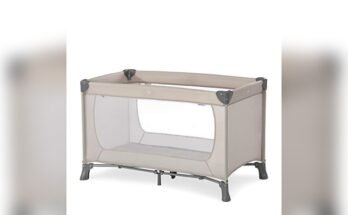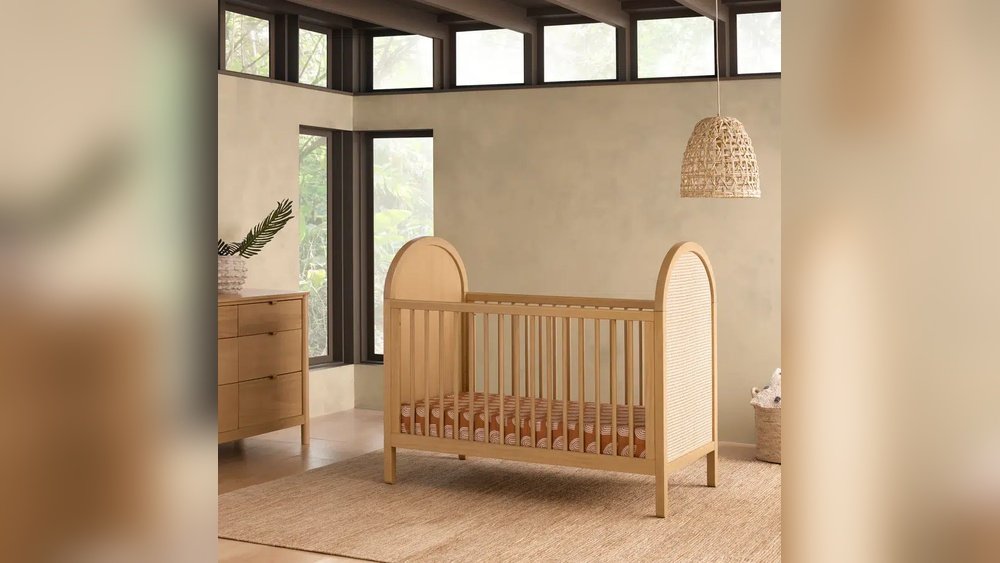
Choosing the right materials for your baby’s crib is one of the most important decisions you’ll make as a parent. You want to create a safe, cozy space where your little one can sleep peacefully, without worrying about harmful chemicals or unsafe construction.
But with so many options out there, how do you know which materials are truly safe? You’ll discover the safest crib materials that protect your baby’s health and ensure their comfort. Keep reading to find out what to look for—and what to avoid—so you can make the best choice for your child’s nursery.
Key Safety Factors In Baby Crib Materials
Choosing safe materials for baby cribs is very important. Babies spend many hours in their cribs. The materials must protect their health and keep them safe. Some factors matter most when picking crib materials. These include the type of paint, strength, allergens, and air flow. Each factor helps create a safe sleeping space for babies.
Non-toxic Finishes And Paints
Paints and finishes on cribs must be free from harmful chemicals. Toxic substances can cause breathing problems or skin irritation. Non-toxic finishes are safe even if babies chew on the crib. Look for paints that meet safety standards. These paints do not release dangerous fumes or toxins. This keeps the air clean and the baby safe.
Durability And Strength
Crib materials must be strong and last long. Weak materials can break or splinter easily. This can hurt the baby or cause accidents. Solid wood and strong metals are good choices. The crib should hold weight without wobbling. Long-lasting materials also mean safer use over time.
Hypoallergenic Properties
Some babies have sensitive skin or allergies. Materials that cause fewer allergic reactions are better. Hypoallergenic materials reduce dust, mold, and chemical irritants. Natural woods and organic fabrics often help reduce allergies. A crib made with these materials can keep babies comfortable.
Breathability And Ventilation
Good airflow in the crib helps prevent overheating. Breathable materials allow air to move freely. This lowers the risk of suffocation or heat rash. Mesh sides or slatted wood designs improve ventilation. Proper airflow creates a cool and safe sleep area.

Wood Types Ideal For Baby Cribs
Choosing the right wood type is key for a safe baby crib. Wood affects durability, safety, and style. Some woods last longer and resist damage better. Others may have chemicals or be less strong. Understanding wood types helps pick a healthy crib for your baby.
Solid Hardwood Benefits
Solid hardwoods like oak, maple, and cherry are very strong. They hold up well to daily use. These woods resist dents and scratches easily. Solid hardwood cribs provide sturdy support for babies. They do not release harmful chemicals. Hardwood is safe and long-lasting for baby furniture.
Avoiding Softwoods And Treated Woods
Softwoods like pine or fir are less durable. They can dent and break more easily. Some softwoods may be treated with chemicals. Treated wood can release toxins that harm babies. Avoid cribs made with pressure-treated or chemically treated wood. Choose natural, untreated wood for safety.
Sustainable And Eco-friendly Wood Options
Eco-friendly woods come from forests managed to grow more trees. Bamboo and reclaimed wood are good choices. These woods reduce waste and protect nature. Sustainable woods often have fewer chemicals. They offer a green option for baby cribs. Choosing these supports the planet and your child’s health.
Metal Cribs: Safety Considerations
Metal cribs offer a strong and durable option for baby sleep spaces. They often last longer than wood or plastic. Parents appreciate their sleek design and easy cleaning. Still, safety is a top concern with metal cribs. Certain features make metal cribs safer for babies.
Rust-resistant Coatings
Metal cribs must have coatings that resist rust. Rust can create sharp edges and harmful flakes. A good rust-resistant finish keeps the metal smooth and safe. Look for cribs with powder-coated or enamel finishes. These coatings protect the metal and last longer.
Smooth Edges And Joints
Edges and joints on metal cribs must be smooth and rounded. Sharp corners can cause cuts or injuries. Joints should fit tightly to avoid pinching hazards. Check that screws and bolts are flush and secure. A well-made crib has no rough spots or gaps.
Weight And Stability
Metal cribs tend to be heavier than other types. This weight adds stability and reduces tipping risk. A stable crib is vital for baby safety during movement. Check the crib’s base to ensure it sits flat and firm. Heavy cribs stay steady even if a baby moves a lot.
Alternative Materials In Baby Cribs
Alternative materials in baby cribs offer safe and eco-friendly choices. These materials differ from traditional hardwoods and metals. Parents seek options that balance safety, durability, and environmental impact. Understanding these materials helps make informed decisions for a baby’s nursery.
Bamboo And Natural Fibers
Bamboo is strong and grows quickly, making it a sustainable option. It resists moisture and pests naturally without chemicals. Cribs made from bamboo often have fewer toxins. Natural fibers like wicker or rattan add a soft, organic touch. These fibers must be tightly woven and treated for safety.
Engineered Wood Products
Engineered wood includes plywood and MDF. These materials use wood scraps glued together under heat. They are cost-effective and stable but vary in quality. Look for low-formaldehyde or no-added-formaldehyde options to reduce harmful fumes. Proper finishing keeps these cribs safe for babies.
Plastic Components And Safety
Plastic parts appear in crib hardware or teething rails. High-quality plastics are non-toxic and BPA-free. They withstand chewing and moisture without breaking down. Avoid plastics that contain phthalates or lead. Check for certifications that confirm the material’s safety for children.
Certifications And Standards To Look For
Choosing a safe baby crib is essential for your child’s health. Certifications and safety standards show that a crib meets strict safety rules. These labels help parents trust the crib’s quality and safety. Understanding these certifications can guide you to the best crib choice.
Jpma Certification
The Juvenile Products Manufacturers Association (JPMA) certifies baby products. A JPMA seal means the crib passed safety tests. This certification checks for strong construction and safe materials. Cribs with JPMA certification meet high safety demands.
Astm Safety Standards
ASTM International sets detailed safety rules for baby cribs. These rules cover crib design and materials used. ASTM standards reduce risks like choking or falling. A crib meeting ASTM standards offers extra protection for babies.
Cpsc Regulations
The Consumer Product Safety Commission (CPSC) enforces crib safety laws. These laws include strict rules on crib parts and finishes. CPSC regulations prevent hazards like sharp edges or toxic paints. Cribs following CPSC rules ensure safer sleep for infants.

Maintaining Crib Material Safety Over Time
Maintaining crib material safety over time helps protect your baby from harm. Cribs face daily use, spills, and changes in temperature. These factors can weaken materials and cause risks. Regular care keeps the crib strong and safe for your little one. Follow simple steps to maintain wood, metal, and other crib materials.
Regular Inspections And Repairs
Check the crib often for loose screws or broken parts. Tighten any loose fittings to prevent accidents. Look for cracks in wood or chips in paint. Replace damaged pieces immediately. Fixing small problems early stops bigger dangers later. Use tools carefully to avoid damage during repairs.
Cleaning Tips For Different Materials
Clean wood cribs with a soft cloth and mild soap. Avoid harsh chemicals that can damage finishes. For metal cribs, use a damp cloth and gentle cleaner. Dry metal parts well to stop rust. Plastic parts need only warm water and soap. Regular cleaning removes dust and germs, keeping the crib fresh.
Avoiding Wear And Tear Risks
Do not place the crib near windows or heaters. Sunlight and heat can dry out wood and fade paint. Use crib bumpers and soft bedding carefully to avoid scratches. Avoid dragging the crib across floors to stop damage. Move it gently and lift when needed. Protecting the crib surface extends its life and safety.
Frequently Asked Questions
What Materials Are Safest For Baby Crib Construction?
Solid wood like maple, oak, and birch is safest for baby cribs. These woods are durable, non-toxic, and splinter-free. Avoid softwoods like pine, which may emit harmful resins. Certified non-toxic finishes and paints also ensure safety for baby furniture.
Are Non-toxic Finishes Important For Baby Cribs?
Yes, non-toxic finishes are crucial for baby cribs. Babies often chew crib rails, so low-VOC, lead-free paints and finishes prevent exposure to harmful chemicals. Look for certifications like GREENGUARD to ensure the crib’s finish is safe for infants.
Is Metal Safe For Baby Crib Frames?
Metal frames can be safe if they are sturdy and coated with non-toxic paint. Avoid cribs with rust or sharp edges to prevent injury. Ensure the metal is lead-free and meets current safety standards for infant furniture.
Why Avoid Mdf And Particleboard In Baby Cribs?
MDF and particleboard often contain formaldehyde and other chemicals. These materials can off-gas harmful fumes over time. They are also less durable and may release particles if damaged, making them less safe compared to solid wood or metal.
Conclusion
Choosing safe materials for baby cribs protects your child’s health and comfort. Solid wood with non-toxic finishes works best. Avoid cribs with harmful chemicals or rough edges. Breathable materials help babies sleep safely and peacefully. Always check for certifications that ensure safety standards.
Safe cribs bring peace of mind to parents. Remember, simple and natural materials keep babies safe and happy. Your baby deserves the safest place to rest and grow.