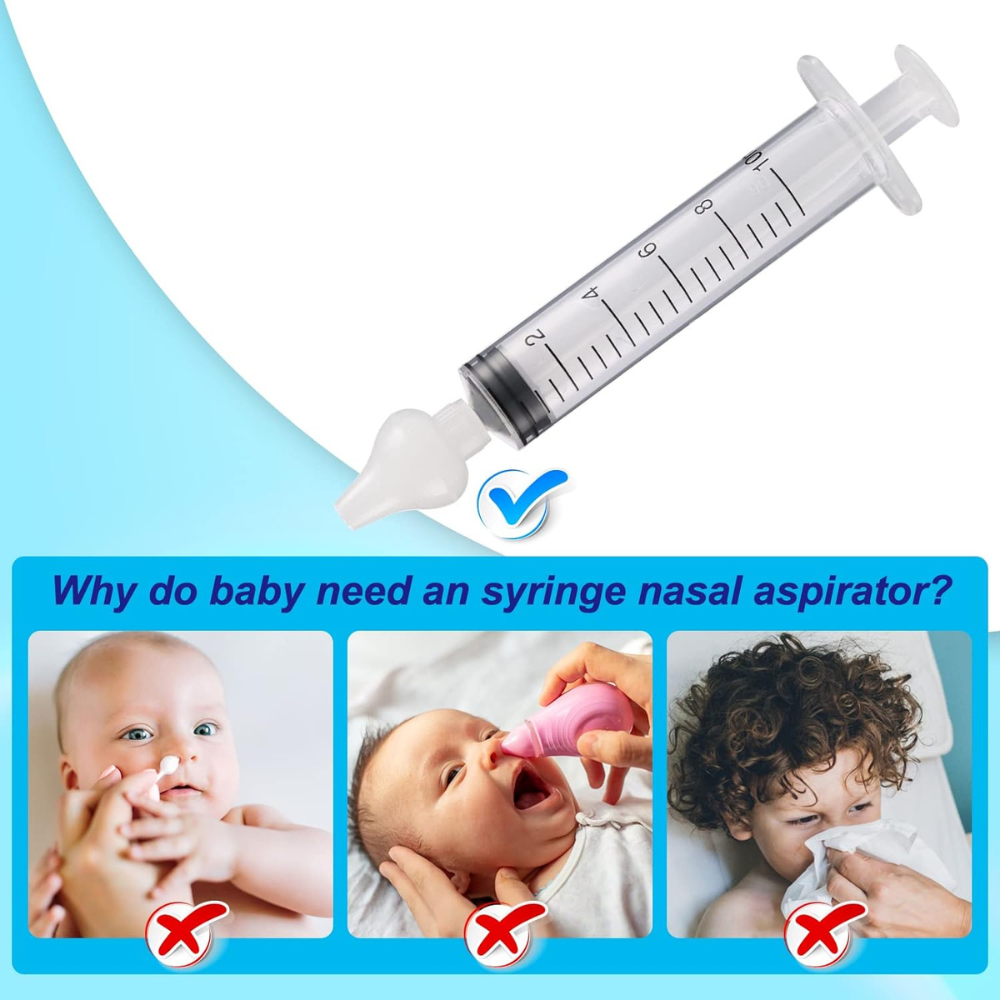
You can use a nasal aspirator from birth when used gently and correctly.
If you’re wondering what age can you use a nasal aspirator for baby, you’re not alone. As a parent and caregiver, I’ve guided many families through safe suction, soothing tricks, and hygiene habits that work in real life. This guide blends hands-on experience with pediatric best practices, so you can clear tiny noses with confidence and care.
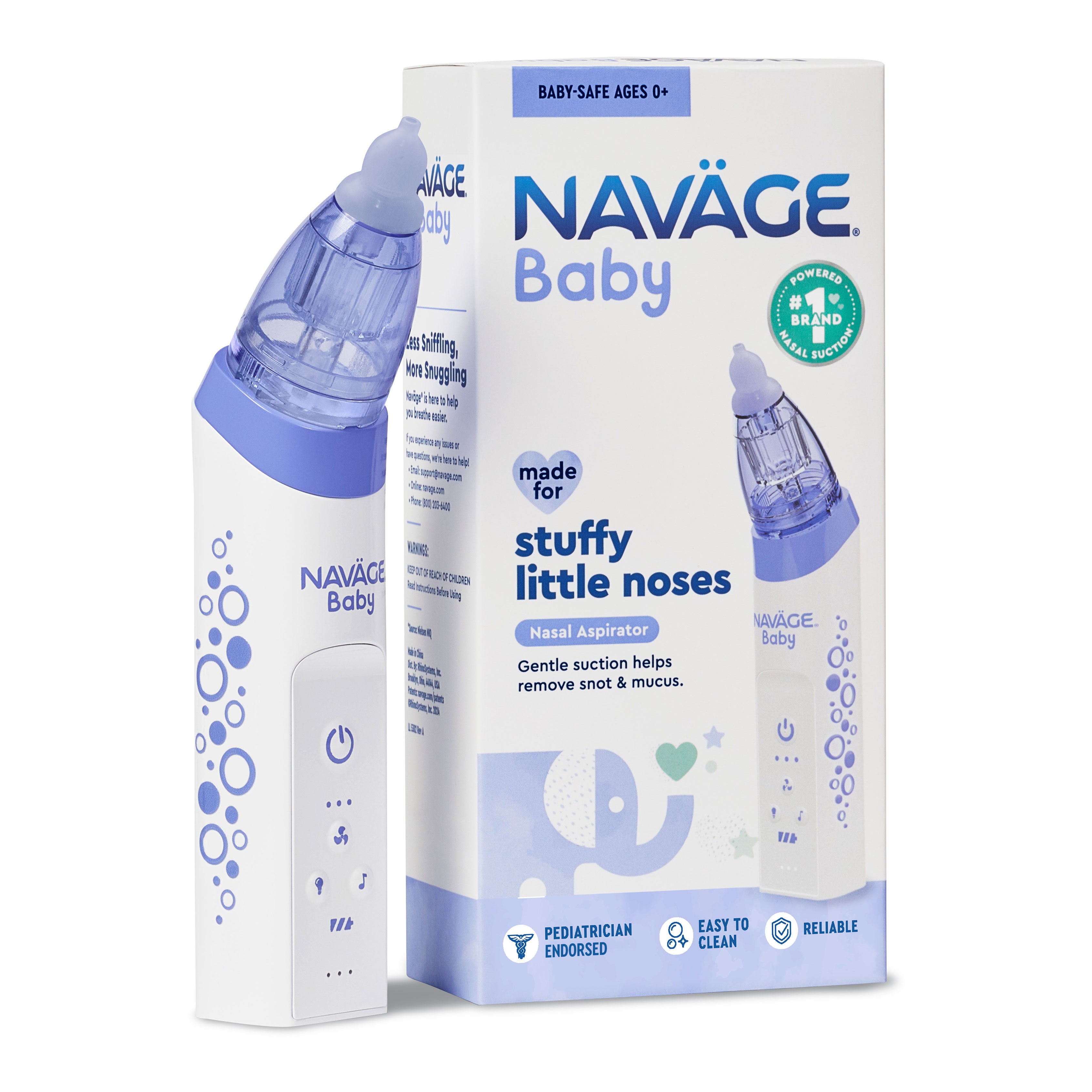
What age can you use a nasal aspirator for baby? The safe timeline
You can start from day one. Newborns breathe mostly through the nose. A blocked nose can make feeding and sleep hard. Gentle suction with saline is safe at any age when you use the right tool and method.
Think of it like wiping a tiny nose. You use soft strokes, not force. The same idea applies here. Use saline first. Then apply brief, gentle suction. Stop if the baby looks upset or if the mucus clears.
Parents often ask, What age can you use a nasal aspirator for baby when they have colds? The answer is the same: from birth, as needed, with good technique. Keep the sessions short and calm. Watch your baby’s cues.
What age can you use a nasal aspirator for baby if they were preterm? Preterm babies can also use one. Be extra gentle, use fewer pulls, and consult your care team if needed.
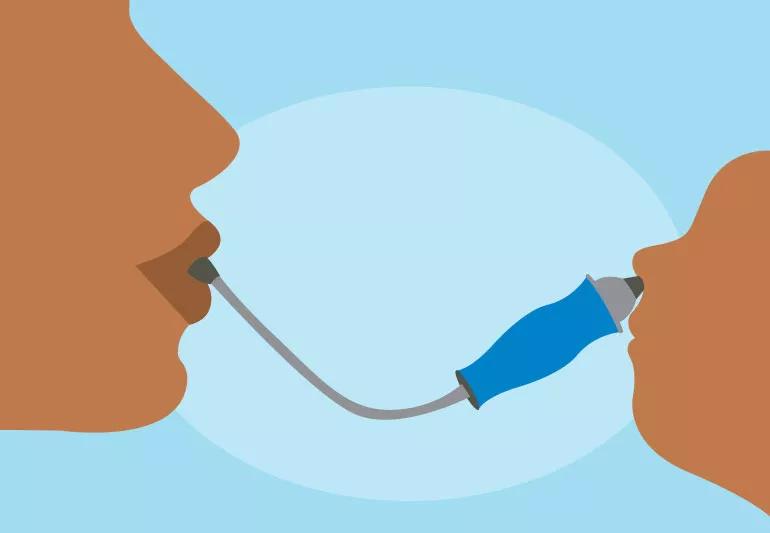
Types of nasal aspirators and age fit
There are three main types. Each works for newborns, infants, and toddlers with the right care.
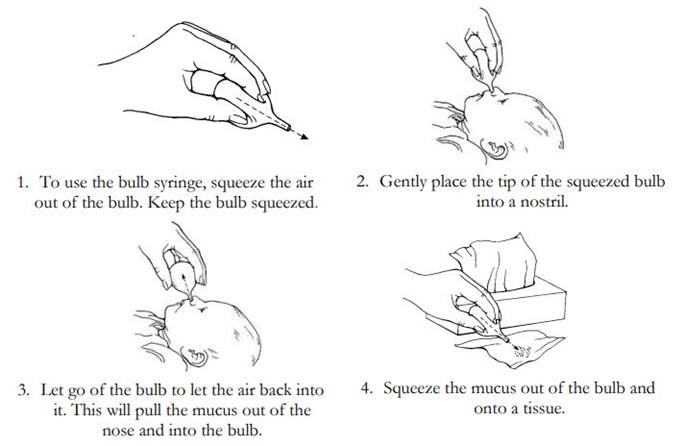
- Bulb syringe. Simple and cheap. Good control, but needs careful cleaning.
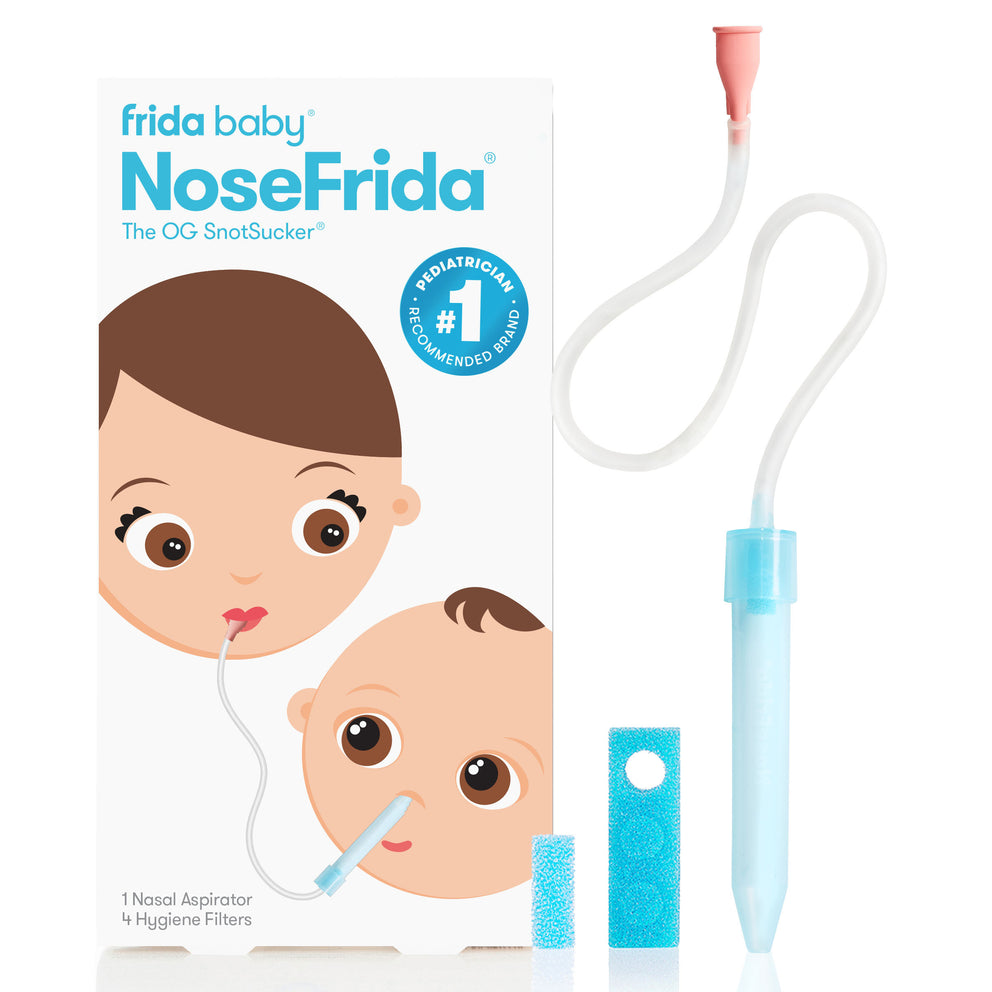
- Manual suction tube (mouth-operated). Precise and strong enough for thick mucus. Use filters and clean well.
- Battery or electric aspirator. Easy for quick sessions. Choose models with soft tips and variable suction.
What age can you use a nasal aspirator for baby with each type? Any age, as long as the tip is soft, the suction is gentle, and the device is clean. For very tiny noses, a slim tip helps. For toddlers, a slightly wider tip can seal better.

Step-by-step: safe suction for newborns, infants, and toddlers
Use the same simple flow at every age. Keep it short and calm.
- Prepare. Wash hands. Gather saline, aspirator, tissues, and a towel.
- Position. Lay baby on their back or hold upright. Slight head tilt helps.
- Saline. Add 2–3 drops or a gentle spray in each nostril. Wait 30–60 seconds.
- Suction. Place the tip at the nostril entrance, not deep inside. Suction for 1–2 seconds. Release. Repeat on the other side.
- Limit. Do 1–3 pulls per nostril per session. Take a break if baby fusses.
- Clean. Wash and dry parts after every use. Sterilize as the device allows.
What age can you use a nasal aspirator for baby during sleep? Try to clear the nose before naps and bedtime. Avoid mid-sleep suction unless needed.
How often to use and when to stop
Use it when your baby sounds congested, has noisy breathing, or struggles to feed. Do not overdo it. The nose can get irritated.
- Normal days. Once or twice as needed.
- During a cold. Up to 3–4 short sessions per day.
- Feeding support. Clear the nose right before nursing or a bottle.
Stop and call your doctor if you see blood, swelling, or pain. Also call if breathing looks hard, fever persists, or dehydration signs appear. What age can you use a nasal aspirator for baby during illness? From birth, but always pair it with saline and gentle technique.

Tips from experience: soothe, clean, and travel smart
These small tweaks make a big difference in real life.
- Warm the saline. Room-temp drops feel better than cold ones.
- Use a comfort cue. A song, a pacifier after, or a favorite swaddle.
- Time it well. Right after a warm bath works great.
- Be quick. Two to three short pulls beat a long session.
- Clean like a pro. Rinse, wash with mild soap, and air-dry fully.
I learned to keep a travel kit in the diaper bag. Saline, a compact aspirator, and wipes. What age can you use a nasal aspirator for baby on trips? Any age, but prep helps.

Risks, myths, and what doctors say
Used right, risks are low. The main concern is irritation from too much suction or rough tips. Keep it gentle and infrequent.
Common myths:
- Suction causes ear infections. Proper, brief suction does not push mucus into the ears.
- You must clear every bit. Aim for easier breathing, not a squeaky-clean nose.
- Electric is always too strong. Many models allow low settings and work well for newborns.
What age can you use a nasal aspirator for baby without worry? With the right method, from birth onward. If something feels off, pause and ask your pediatrician.

Choosing a quality nasal aspirator
A good device makes the process safer and faster.
- Soft, flexible tips. Reduce irritation and fit tiny noses.
- Adjustable suction. Manual control or low settings for newborns.
- Easy to clean. Few parts, dishwasher-safe, and clear airflow paths.
- Filters or one-way valves. Keep hygiene high.
- Quiet motor. Less scary for little ears if electric.
What age can you use a nasal aspirator for baby with a stronger device? Any age, if the lowest setting is used and the tip never goes deep.

Related care that helps congestion
Suction is one part of a bigger plan. These simple steps boost comfort.
- Saline drops or sprays. Loosen thick mucus before suction.
- Cool-mist humidifier. Adds moisture and eases breathing.
- Upright time. Hold baby on your chest after feeds.
- Steamy bathroom. Sit in steam for a few minutes, then suction.
- Fluids and feeding. Hydration helps thin secretions.
What age can you use a nasal aspirator for baby with these tools? From birth, pair suction with saline and moisture for best results.
Frequently Asked Questions of What age can you use a nasal aspirator for baby?
Is a nasal aspirator safe for newborns?
Yes, when used with saline and gentle, brief suction. Keep the tip at the entrance of the nostril and limit pulls.
How many times a day can I use it?
Use it only when needed. During colds, limit to 3–4 short sessions per day to avoid irritation.
Do I need saline before every use?
Saline helps every time by loosening mucus and reducing friction. It makes suction faster and more comfortable.
Can suction cause nosebleeds?
Overuse or rough technique can. Use soft tips, brief pulls, and pause if you see redness or blood.
What signs mean I should call the doctor?
Fast breathing, flared nostrils, bluish lips, fever that lasts, poor feeding, or dehydration. Trust your gut and seek care.
Will my baby hate it forever?
Most babies fuss at first. With a calm routine and quick sessions, many adjust within a few days.
Conclusion
You can safely use a nasal aspirator from birth, as long as you keep it gentle, brief, and paired with saline. Choose a soft-tipped device, clean it well, and focus on comfort. The goal is easier breathing and better feeds, not a perfect-clear nose.
If you found this helpful, share it with another parent, bookmark it for the next sniffles, and leave a question below. Your baby will breathe easier, and so will you.

