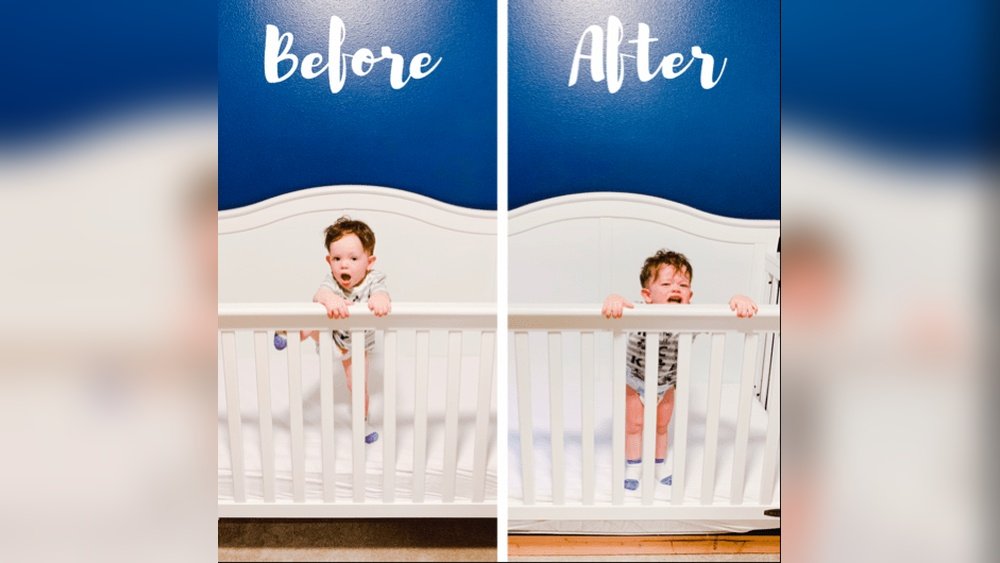
Is your little one trying to climb out of their crib? It can be scary and stressful when your baby starts to test the limits of their crib’s safety.
You want to keep them safe, but also want to encourage their growing independence. If you’re wondering how to stop your baby from climbing out of the crib, you’re not alone. You’ll find simple and effective tips that protect your child and give you peace of mind.
Keep reading to discover practical solutions that work for you and your baby.
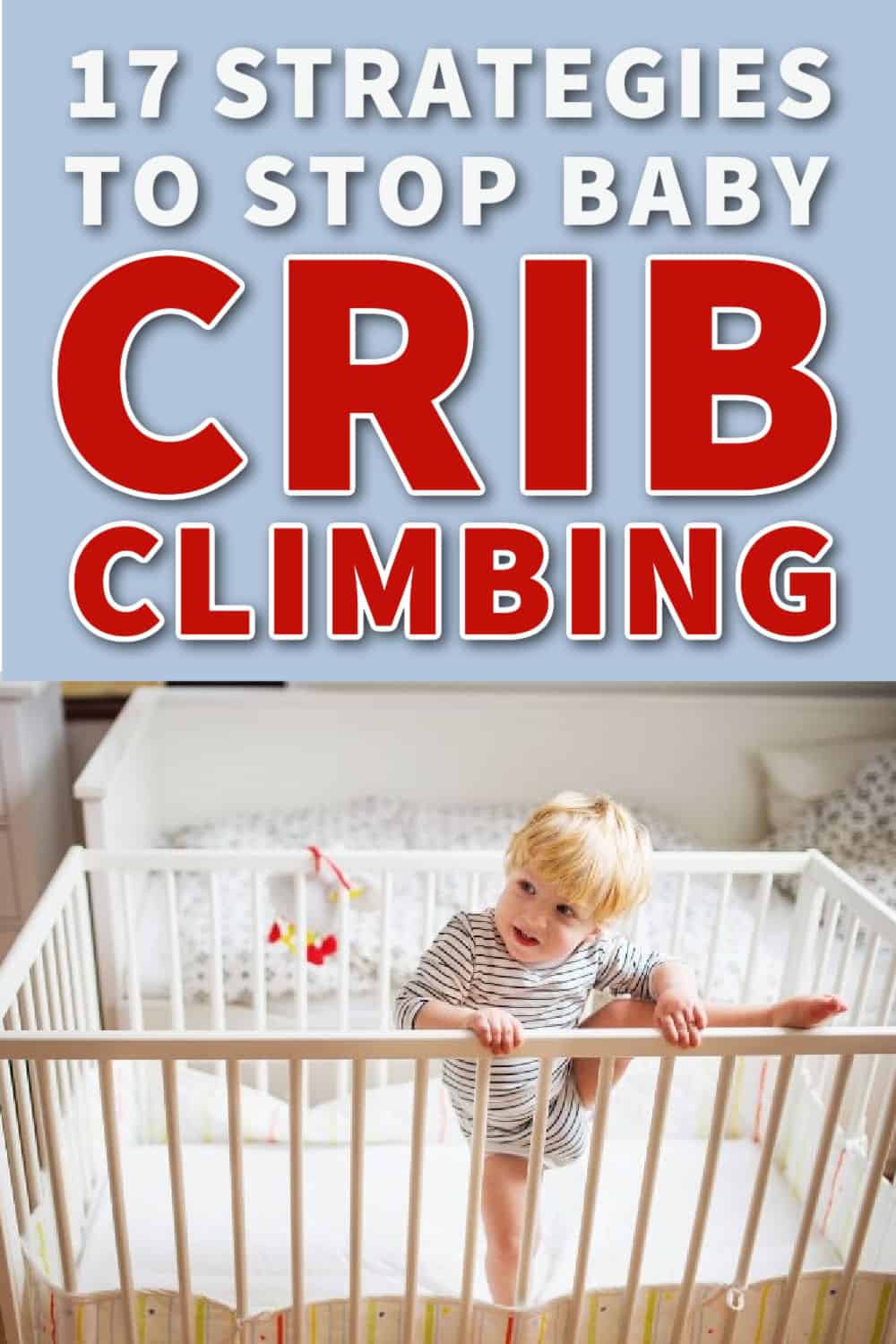
Reasons Babies Climb Out
Babies climbing out of their cribs is a common challenge for many parents. Understanding why your baby tries to climb out helps you manage the behavior safely. Babies explore the world in many ways. Climbing is one of their natural actions as they grow and learn.
Exploring Curiosity
Babies are curious about everything around them. The crib walls look like a small obstacle to explore. Climbing helps them discover new things beyond their usual space. This curiosity drives them to try and see what is outside the crib.
Physical Development
As babies grow stronger, they gain new skills. Crawling, standing, and climbing are part of this growth. Their muscles become stronger, and their coordination improves. Climbing out of the crib shows they are developing well physically.
Seeking Independence
Babies start to want more control over their actions. Climbing out of the crib gives them a sense of freedom. They want to move and explore on their own. This behavior reflects their growing need for independence and self-confidence.
Risks Of Climbing Out
Babies climbing out of their cribs is a common challenge for many parents. This behavior can lead to several risks that affect both the child and the family. Understanding these risks helps in taking the right steps to keep your baby safe and comfortable.
Potential Injuries
Climbing out of a crib can cause serious injuries. Falls from the crib may lead to bruises, cuts, or broken bones. Babies might hit their heads on the floor or nearby furniture. These injuries can happen quickly and without warning. Preventing climbing reduces the chance of harm.
Sleep Disruptions
When a baby climbs out, sleep routines often get disturbed. The child may wake up fully and become active. This leads to less rest for the baby and parents. Poor sleep affects a baby’s mood and growth. Keeping the baby safely inside the crib helps maintain good sleep habits.
Parental Concerns
Parents often feel worried and stressed when babies climb out. It creates a constant need to watch the child closely. This reduces the parent’s peace of mind and can increase anxiety. Safe sleep spaces help parents feel more relaxed and confident in their baby’s safety.
Preventive Measures
Preventing your baby from climbing out of the crib is important for safety. Taking simple steps can keep your child secure during sleep. Start with easy changes at home. These measures help reduce the chance of climbing and falling.
Lowering The Mattress
Adjust the crib mattress to the lowest setting. This makes climbing out harder for your baby. Check the mattress height often as your child grows. A lower mattress keeps your baby safer and less tempted to climb.
Using Sleep Sacks
Use a sleep sack instead of loose blankets. Sleep sacks limit leg movement and make climbing difficult. Choose a cozy, well-fitting sleep sack for comfort. This simple tool helps keep your baby inside the crib at night.
Removing Climbing Aids
Remove toys, pillows, and bumpers from the crib. These items can be used by your baby as steps. Keep the crib bare to prevent climbing aids. A clear crib creates a safer sleeping space for your baby.
Crib Safety Enhancements
Keeping your baby safe in their crib is a top priority. Babies can climb out as they grow stronger and more curious. Safety enhancements in the crib help prevent falls and injuries. These simple changes create a safer sleeping space.
Installing Mesh Liners
Mesh liners cover the crib rails to stop babies from climbing. They are soft and breathable, allowing air to flow freely. Mesh liners also prevent fingers and limbs from getting stuck. Choose liners that fit tightly and are easy to clean. Avoid thick or padded liners that can cause suffocation risks.
Adding Crib Tents
Crib tents create a barrier over the crib, preventing climbing out. They are made of strong mesh material and zip securely. Crib tents keep babies inside without hurting them. Make sure the tent fits your crib perfectly. Check for holes or tears often to keep it safe.
Choosing The Right Crib
Select a crib with high, sturdy sides that are hard to climb. Look for models that meet current safety standards. Adjustable mattress heights help keep the baby safe as they grow. Avoid cribs with drop sides or loose parts. A well-built crib reduces climbing risks and provides peace of mind.
Alternative Sleep Options
Choosing the right sleep option can help stop your baby from climbing out of the crib. Some babies grow too fast for cribs. They need a safe space that fits their new skills. Alternative sleep setups can keep your child secure and comfortable. They also ease parents’ worries about falls or injuries.
Transitioning To Toddler Beds
Toddler beds are a common choice after the crib. They sit low to the floor. This reduces the risk of injury from falls. Many toddler beds have rails to prevent rolling out. The size is just right for small children. This option gives your baby more freedom while staying safe.
Switching to a toddler bed can be smooth. Use favorite blankets and toys to make it cozy. Keep a consistent bedtime routine. This helps your child feel secure in the new bed.
Co-sleeping Considerations
Co-sleeping means sharing a bed with your baby. Some parents find it easier than using a crib. It can reduce climbing out since your child stays close. Safety is important with co-sleeping. Use a firm mattress and avoid soft bedding. Make sure the baby cannot fall out or get trapped.
Co-sleeping is not for every family. Think about your space and habits. Discuss with a pediatrician if you are unsure. Clear rules help keep co-sleeping safe and comfortable.
Room Setup Adjustments
Small changes in the room can help. Place the crib away from windows and furniture. This stops your baby from climbing out using outside help. Use baby gates on doors if needed. Soft rugs or mats under the crib cushion any falls.
Keep toys and distractions low in the room. This reduces the urge to climb. A calm and simple room helps your baby relax and sleep better.

Behavioral Strategies
Behavioral strategies help guide your baby’s actions gently. They focus on teaching your child safe habits. These methods build trust and reduce crib climbing.
Consistency and positive interactions make a big difference. Your baby learns what is expected through daily practice.
Consistent Bedtime Routine
Start a calm and clear bedtime routine every night. Use the same steps in the same order. This helps your baby feel safe and ready for sleep.
Include quiet activities like a warm bath or story time. Avoid exciting games or screen time before bed. A steady routine lowers restlessness and climbing attempts.
Positive Reinforcement
Praise your baby when they stay in the crib. Use kind words and smiles to show approval. Rewards like a gentle hug or soft toy work well.
Ignore small attempts to climb out unless dangerous. Focus on good behavior to encourage it more. This approach teaches your baby that staying in crib is better.
Redirecting Attention
Offer a favorite toy or sing a soft song if your baby tries to climb. Change their focus to something calming and safe.
Gently place your baby back in the crib without anger. Use soothing words to help them relax again. Redirection helps stop climbing without stress.
When To Seek Help
Knowing when to seek help for your baby climbing out of the crib is important. This behavior can be risky and stressful for parents. Sometimes, expert advice is needed to keep your baby safe and comfortable. Understanding the right time to ask for help can make a big difference.
Consulting Pediatricians
Pediatricians can check if your baby’s climbing is a sign of a bigger issue. They can assess your baby’s physical and mental development. Your doctor may suggest ways to reduce climbing risks. They also offer advice tailored to your baby’s age and needs. A visit to the pediatrician can give you peace of mind.
Professional Sleep Advice
Sleep experts help with safe sleeping habits and routines. They can identify problems causing your baby to climb out. These professionals suggest changes in bedtime routines or crib setup. Their guidance helps improve sleep quality for both baby and parents. Sleep advice can be key to stopping climbing safely.

Frequently Asked Questions
How Can I Prevent My Baby From Climbing Out Of Crib?
Lower the crib mattress to its lowest setting and remove any furniture nearby. Use breathable mesh crib liners and keep the crib bare to discourage climbing.
When Should I Transition My Baby Out Of The Crib?
Consider transitioning around 18-24 months or when climbing becomes frequent. Use a toddler bed to ensure safety and prevent falls.
Are Crib Tents Safe To Stop Climbing Out?
Crib tents can prevent climbing but must be securely installed. Always choose certified, breathable models and supervise your baby regularly.
What Are Alternative Sleep Options If Baby Climbs Out?
Use a toddler bed or a floor mattress. Ensure the room is baby-proofed to create a safe sleeping environment.
Conclusion
Stopping a baby from climbing out of the crib takes patience and care. Try lowering the mattress or using a sleep sack. Keep the room safe and remove any nearby furniture. Watch your baby closely during playtime. Remember, this phase will pass soon.
Stay calm and consistent with your approach. Your baby’s safety is the top priority. Small changes can make a big difference. Trust yourself as you find what works best.