Are you struggling with your newborn’s sudden change in sleep patterns? If your little one used to sleep soundly but now wakes up frequently or fights naps, you’re not alone.
Newborn sleep regression can feel overwhelming and exhausting, but understanding what’s happening can make a big difference. You’ll discover simple, effective ways to handle these challenging moments and help your baby—and yourself—get the rest you both need. Keep reading to find practical tips that can bring calm back to your nights.
Signs Of Sleep Regression
Recognizing the signs of newborn sleep regression helps parents stay calm and prepared. Sleep regression can make nights tough and days tiring. Understanding the clues lets you support your baby better. Watch for changes in behavior and sleep patterns. These signals show your little one is going through a phase, not a permanent problem.
Common Age Milestones
Sleep regressions often happen at certain ages. Around 4 months, many babies face their first regression. Another wave may come near 8 to 10 months. Some infants show changes again around 12 months. These ages match big brain and body growth. Expect some sleep interruptions during these times.
Behavioral Changes
Babies may act fussier than usual. They might cry more at bedtime or wake-ups. Clinginess can increase, wanting more comfort and hugs. Some lose interest in naps or refuse sleep. Watch for signs like rubbing eyes or yawning but resisting rest. These changes show your baby needs extra patience and care.
Sleep Pattern Disruptions
Sleep regression often disrupts usual sleep habits. Babies wake more at night and struggle to fall asleep. Naps become shorter or skipped altogether. Bedtime routines might no longer work as before. Sleep cycles can feel unpredictable and erratic. These disruptions typically last a few weeks before settling.
Causes Behind Sleep Regression
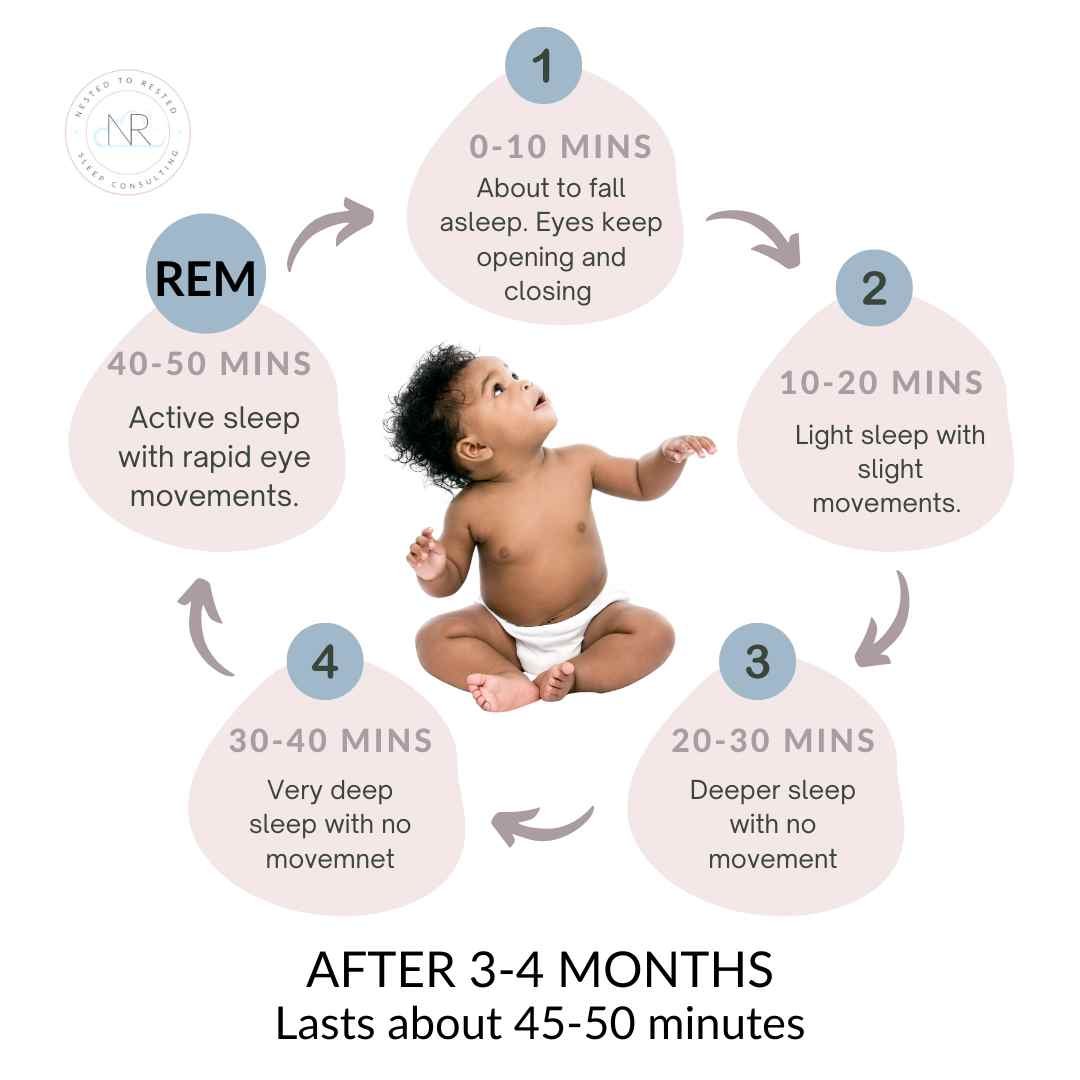
Sleep regression in newborns can feel confusing and tiring for parents. It happens when a baby who used to sleep well suddenly wakes up more often. Understanding what causes this change can help parents stay calm and support their little one better. Several key reasons often cause sleep regression in newborns.
Developmental Growth
Babies grow fast in their first months. Their brains develop new skills, like rolling over or grabbing toys. These changes can make sleep harder. The baby’s mind stays active, even during sleep times. This can cause frequent waking or shorter naps. Growth spurts also increase hunger, causing more night feedings.
Teething And Discomfort
Teething starts early for many babies. Sore gums and swelling can make sleep painful. Babies may wake up crying or fussing. Drooling and chewing on hands also increase. These signs often appear right before sleep regression. Comfort measures and gentle care help babies feel better and sleep more.
Environmental Factors
Changes in the baby’s surroundings affect sleep too. New noises, light, or temperature shifts can wake a newborn. Even small changes in routine can confuse babies. A new caregiver or travel may disrupt sleep patterns. Keeping a calm, familiar environment supports better sleep.
Effective Sleep Strategies
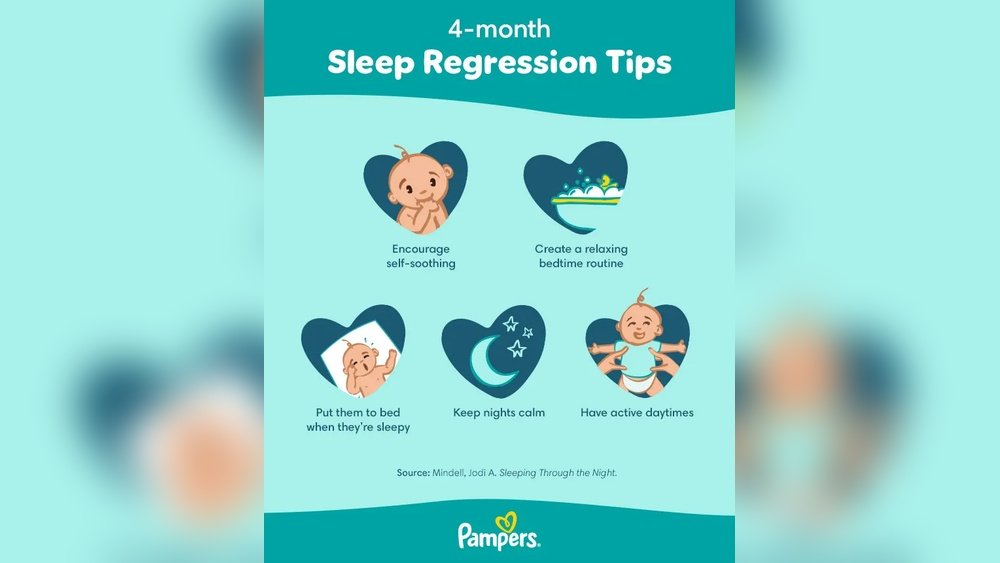
Handling newborn sleep regression can feel tough for parents. Using effective sleep strategies helps ease this phase. These strategies support better sleep habits and comfort for your baby.
Consistency and calmness are key. Focus on creating a peaceful sleep environment and gentle routines. These steps help your baby feel safe and secure at bedtime.
Consistent Bedtime Routine
Set a regular bedtime every night. This helps your baby know when to sleep. Include simple activities like a warm bath or quiet story time. Repeating the same steps signals it is time to rest.
Keep the routine short and calm. Avoid bright lights and loud noises. This routine builds comfort and lowers fussiness before sleep.
Soothing Techniques
Use gentle methods to calm your baby. Rocking, soft singing, or gentle pats work well. Swaddling can also help newborns feel secure. Try different techniques to find what soothes your baby most.
Stay patient and calm during fussiness. Your calmness helps your baby relax and settle down faster.
Safe Sleep Environment
Create a quiet, dark, and cool sleep space. Use a firm mattress with a fitted sheet only. Remove pillows, toys, and loose blankets from the crib. This reduces risks and helps your baby sleep soundly.
Keep noise low and use a white noise machine if needed. A safe, cozy environment encourages longer, better sleep.
Nutritional Considerations
Nutritional needs play a key role in managing newborn sleep regression. Proper feeding helps babies feel full and comfortable. This comfort supports longer, better sleep periods. Understanding feeding schedules, hydration, and diet impact is important for parents. These factors affect how well a baby sleeps through the night.
Feeding Schedules
Newborns thrive on routine. Feeding them at regular times reduces fussiness. It also prevents hunger from waking them up. During sleep regression, babies may want to feed more often. Adjust feeding times gently to meet their needs. Pay attention to hunger cues and respond promptly.
Hydration Needs
Hydration is vital for newborns. Breast milk and formula provide essential fluids. Dehydration can cause discomfort and interrupt sleep. Ensure your baby gets enough fluids throughout the day. Watch for signs like dry mouth or fewer wet diapers. Staying hydrated helps babies stay calm and sleep better.
Impact Of Diet On Sleep
The quality of milk affects newborn sleep. Breast milk contains natural sleep-promoting hormones. Formula-fed babies may need different adjustments. Avoid introducing solid foods too early. Solid foods can cause digestion issues and affect sleep. A balanced diet supports healthy sleep patterns and growth.
When To Seek Professional Help
Newborn sleep regression can be tough for parents. Most sleep changes improve with time and patience. Sometimes, sleep problems signal a deeper issue. Knowing when to seek professional help protects your baby’s health and well-being. Early help can prevent long-term sleep struggles.
Recognizing Sleep Disorders
Not all sleep problems are typical regressions. Watch for signs like loud snoring, pauses in breathing, or extreme restlessness. Frequent night waking beyond normal patterns may suggest a sleep disorder. Difficulty falling asleep despite a good routine needs attention. These signs require professional evaluation.
Consulting Pediatricians
Speak with a pediatrician if sleep problems persist beyond a few weeks. Doctors check for medical issues affecting sleep, such as reflux or allergies. They listen to your concerns and observe your baby’s behavior. Pediatricians guide you on safe sleep habits and next steps. Regular checkups are a good time to discuss sleep worries.
Therapies And Interventions
Professionals may suggest therapies to improve your baby’s sleep. Behavioral interventions help build healthy sleep routines. Sometimes, physical therapy addresses muscle tone or breathing issues. Sleep studies can diagnose specific problems like apnea. Early intervention supports better sleep and overall development.

Parental Self-care Tips
Newborn sleep regression can be tough on parents. Your own well-being matters. Taking care of yourself helps you handle the challenges better. Here are some key tips for parental self-care during this time.
Managing Stress
Stress makes everything harder. Try deep breathing or short breaks to calm your mind. A few minutes of quiet time can refresh your energy. Avoid pushing yourself too hard. Rest is just as important as work.
Sharing Responsibilities
Parenting is a team effort. Share nighttime duties with your partner or family members. Taking turns helps you get better rest. Don’t hesitate to ask for help. It lightens your load and keeps you balanced.
Finding Support Networks
Talking to others eases feelings of isolation. Join parent groups online or in your area. Sharing stories and tips can bring comfort. Support networks offer advice and understanding. You are not alone in this journey.
Frequently Asked Questions
What Causes Newborn Sleep Regression?
Newborn sleep regression is caused by growth spurts, developmental milestones, and changes in sleep cycles. It often occurs around 4 months. Babies become more aware of their environment, leading to disrupted sleep patterns and frequent night waking.
How Long Does Newborn Sleep Regression Last?
Newborn sleep regression typically lasts 2 to 6 weeks. Each baby is different, so duration can vary. Consistent sleep routines and comforting techniques can help ease the transition and support better sleep.
How Can I Soothe My Baby During Sleep Regression?
To soothe your baby, maintain a calm environment, offer gentle rocking, and use white noise. Stick to a consistent bedtime routine. Respond promptly to their needs with patience and comfort to help them feel secure.
When Should I Seek Help For Newborn Sleep Issues?
Seek help if your baby’s sleep problems persist beyond 6 weeks or worsen. Consult a pediatrician if your baby shows signs of illness, extreme fussiness, or poor weight gain. Professional advice ensures proper care and peace of mind.
Conclusion
Newborn sleep regression can feel tough and tiring. Stay calm and keep a steady routine. Small changes help your baby feel safe and sleep better. Remember, this phase will not last forever. Trust your instincts and be patient every night.
Soon, peaceful sleep will return for both of you. Taking care of yourself matters too. Rest when you can and ask for help. You and your baby will get through this together. Keep hope and love close at hand.


