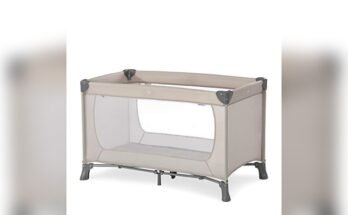
Choosing the right crib bedding is one of the most important decisions you’ll make for your baby’s comfort and safety. You want your little one to sleep soundly, but you also want to protect them from any risks that come with poor bedding choices.
If you’re feeling overwhelmed by all the options out there, don’t worry—you’re not alone. You’ll discover simple, clear steps to pick crib bedding that keeps your baby cozy and safe. Keep reading, because a small change in your crib setup can make a big difference in your baby’s well-being.
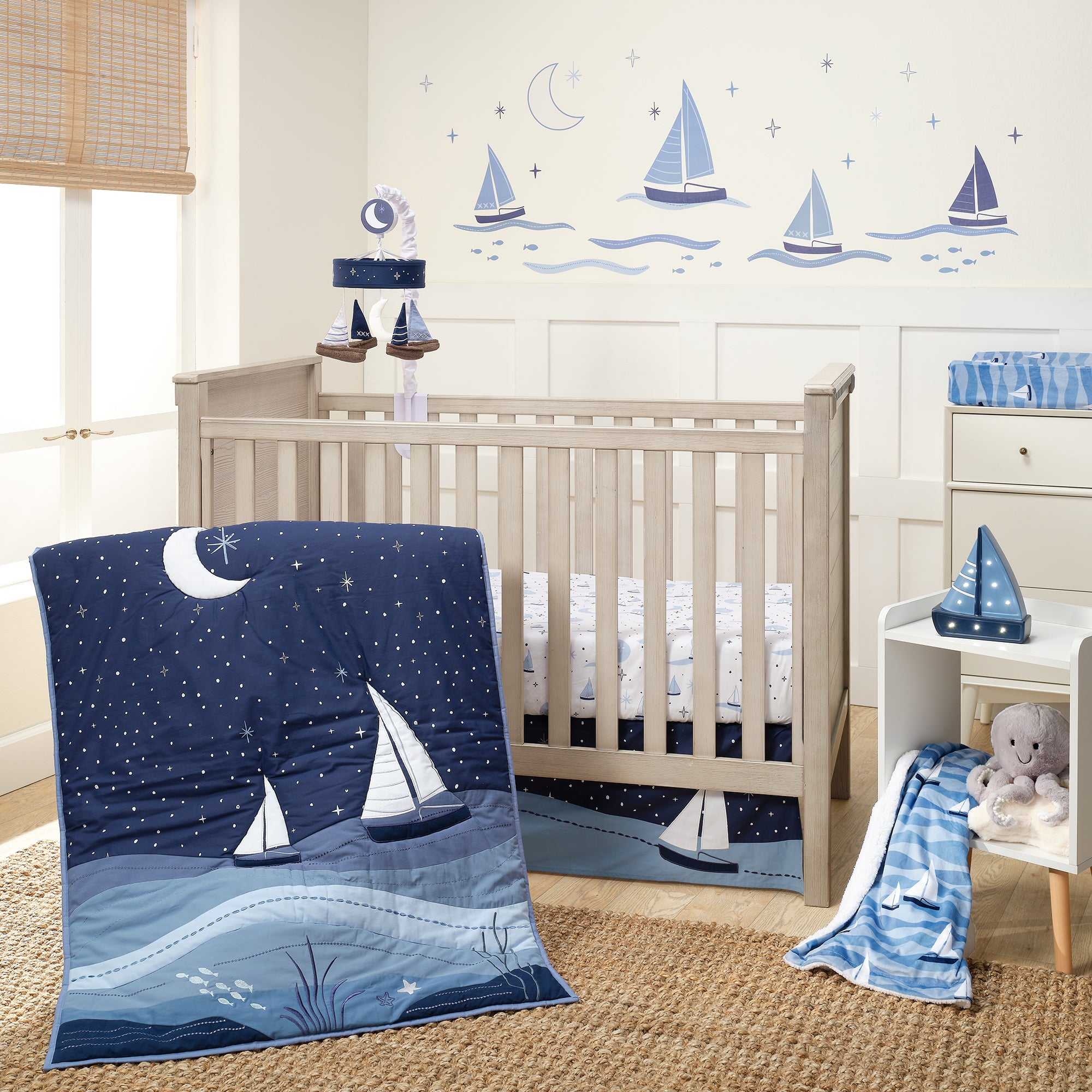
Safety First In Crib Bedding
Safety is the top priority when choosing crib bedding. Babies need a secure and comfy sleep space. Poor choices can create risks like suffocation or overheating. Understanding key safety tips helps protect your little one.
Avoiding Suffocation Hazards
Keep pillows, thick blankets, and stuffed toys out of the crib. These items can block a baby’s airways. Use only a fitted sheet on the mattress. Avoid loose bedding that can cover a baby’s face. A clear crib reduces suffocation risks.
Choosing Breathable Materials
Select crib bedding made from soft, breathable fabrics. Cotton is a good choice because it lets air flow well. Avoid materials that trap heat or cause sweating. Breathable bedding helps keep babies cool and comfortable. This lowers the chance of overheating.
Fitting Bedding To Crib Size
Use bedding that fits the crib mattress snugly. Loose sheets or bumpers can slip and create gaps. Check dimensions before buying to ensure a tight fit. Properly fitting bedding keeps babies safe and secure. It stops fabric from bunching up around them.

Material Matters
Choosing crib bedding starts with the material. It affects your baby’s comfort and safety. The right fabric keeps your baby cozy and healthy. Some materials breathe well, while others trap heat. Some fabrics are soft, but others might cause allergies. Understanding fabric types helps pick safe bedding.
Organic Vs Synthetic Fabrics
Organic fabrics come from natural fibers like cotton or bamboo. They avoid chemicals and pesticides. These fabrics feel soft and gentle on baby’s skin. Synthetic fabrics use man-made fibers like polyester or nylon. They can be less breathable and trap heat. Organic bedding often reduces skin irritation risks. Synthetic bedding may last longer but can cause sweating.
Hypoallergenic Options
Hypoallergenic fabrics reduce allergy risks. They prevent dust mites and mold growth. Cotton and bamboo are common hypoallergenic choices. Avoid fabrics that shed fibers or cause itching. Hypoallergenic bedding helps babies with sensitive skin sleep well. It keeps the crib environment clean and safe.
Easy-to-clean Fabrics
Babies create messes often. Choose fabrics that wash easily and dry fast. Cotton and polyester blends clean well without damage. Avoid fabrics that shrink or lose shape after washing. Easy-care bedding saves time and effort. It keeps the crib fresh and ready for use.
Types Of Crib Bedding
Choosing the right crib bedding is important for your baby’s comfort and safety. Different types of crib bedding serve different purposes. Understanding each type helps you make safer choices. Focus on materials, fit, and safety features.
Sheets And Mattress Protectors
Sheets cover the mattress and keep your baby comfortable. Choose fitted sheets with tight corners. They fit snugly and do not come loose. Use mattress protectors to guard against spills and stains. Waterproof protectors keep the mattress clean and dry. Both sheets and protectors should be soft and breathable.
Bumpers And Their Risks
Bumpers are soft pads placed inside the crib. They prevent babies from bumping against crib rails. But bumpers can cause risks like suffocation and overheating. Many experts advise against using crib bumpers. Instead, keep the crib bare for better airflow and safety.
Blankets And Swaddles
Blankets keep babies warm but can be unsafe in the crib. Loose blankets can cover the baby’s face. Swaddles wrap babies snugly to provide comfort. Use swaddles designed for safe sleep. Avoid thick or heavy blankets in the crib. Choose lightweight options that allow air circulation.
Design And Comfort
Choosing crib bedding is about more than looks. Design and comfort play a big role in your baby’s sleep quality and safety. Soft, breathable materials keep your baby cozy. Attractive colors and patterns create a calm, happy space. Each piece should feel gentle and suit your nursery style.
Softness And Texture
Soft bedding helps your baby feel safe and snug. Choose fabrics that are smooth and gentle on delicate skin. Avoid rough or scratchy materials that can cause irritation. Cotton and bamboo fabrics are great choices. They offer a soft touch and are easy to clean. Check for any loose threads or rough seams before buying.
Temperature Regulation
Good crib bedding helps keep your baby cool or warm as needed. Breathable fabrics allow air to flow and prevent overheating. Natural fibers like cotton help regulate temperature better than synthetics. Avoid heavy blankets or thick materials that trap heat. Thin layers work best for a comfortable sleep environment all night long.
Colors And Patterns
Choose calm colors that create a peaceful nursery. Soft pastels and neutral tones reduce visual distractions. Bright or dark colors can be too stimulating for babies. Simple patterns work well and add charm without overwhelming. Pick designs that match your nursery theme. This creates a cozy, inviting space for your baby.
Certifications And Standards
Choosing crib bedding involves more than just style and comfort. Safety is the top priority for any parent or caregiver. Certifications and standards ensure the bedding meets strict safety rules. These guarantees help protect babies from risks like choking, suffocation, and harmful chemicals.
Understanding these certifications helps you pick bedding that is safe and reliable. It also gives peace of mind knowing the product has passed important tests. Always check for proper labeling before buying crib bedding.
Safety Certifications To Look For
Look for certifications from trusted organizations. The Juvenile Products Manufacturers Association (JPMA) certification means the product meets safety and quality standards. The Global Organic Textile Standard (GOTS) certifies organic and chemical-free fabrics. OEKO-TEX Standard 100 ensures textiles are free from harmful substances. These labels show the bedding is tested and safe for babies.
Compliance With Safety Guidelines
Check if the bedding follows government safety rules. The Consumer Product Safety Commission (CPSC) sets strict guidelines for crib bedding. These include rules on fabric flammability, choking hazards, and proper fit. Bedding must fit snugly and have no loose parts. Following these rules reduces accident risks and keeps babies safe during sleep.

Maintenance Tips
Maintaining crib bedding is key for your baby’s safety and comfort. Clean, fresh bedding helps prevent allergies and skin irritations. It also keeps the crib inviting and cozy for your little one.
Proper care extends the life of bedding. It helps keep fabrics soft and colors bright. Follow simple steps to ensure your crib bedding stays in top shape.
Washing And Care Instructions
Check the label for washing directions before cleaning. Use gentle detergents that are free of dyes and perfumes. Wash bedding in warm water to kill germs. Avoid bleach and fabric softeners that can irritate baby’s skin. Dry bedding on low heat or air dry to prevent shrinking. Wash sheets and blankets often to keep them clean.
Replacing Worn Bedding
Inspect crib bedding regularly for signs of wear. Look for tears, holes, or thinning fabric. Replace bedding if it becomes rough or damaged. Worn bedding can be unsafe or uncomfortable. Keep spare bedding on hand for quick changes. Fresh bedding keeps the crib safe and inviting for sleep.
Common Mistakes To Avoid
Choosing crib bedding needs careful attention to keep your baby safe. Avoiding common mistakes helps create a safe sleep space. Small errors can increase risks and cause discomfort. Knowing these mistakes protects your baby’s health and safety.
Focus on simple choices that follow safety guidelines. Each decision matters for your little one’s peaceful sleep. Learn what to avoid to make better choices.
Overcrowding The Crib
Many parents add too many items to the crib. Pillows, stuffed toys, and extra blankets can crowd the space. This can cause suffocation or overheating. Babies need room to move freely and breathe well. Keep the crib clear except for a fitted sheet and a mattress.
Using Loose Bedding
Loose blankets and sheets can cover your baby’s face. This increases the risk of Sudden Infant Death Syndrome (SIDS). Avoid using quilts, comforters, or loose sheets inside the crib. Instead, opt for a tight-fitting crib sheet. Sleep sacks are a safer alternative for warmth.
Ignoring Recalls And Safety Alerts
Product recalls happen when bedding poses safety hazards. Ignoring these alerts can put your baby at risk. Always check if your crib bedding has any recalls. Stay updated by visiting official safety websites regularly. Replace any recalled items immediately for your child’s protection.
Frequently Asked Questions
What Materials Are Safest For Crib Bedding?
Choose breathable, hypoallergenic fabrics like cotton or organic cotton. Avoid synthetic materials that trap heat or cause allergies. Natural fibers promote airflow and reduce the risk of overheating or skin irritation for your baby.
How To Ensure Crib Bedding Fits Properly?
Measure your crib mattress before buying bedding. Look for fitted sheets with deep pockets and elastic edges. Proper fit prevents loose fabric, reducing suffocation or entanglement risks and ensuring your baby’s safety during sleep.
Why Avoid Pillows And Blankets In A Crib?
Pillows and blankets increase the risk of suffocation and Sudden Infant Death Syndrome (SIDS). Use only a firm mattress with a fitted sheet. Keep the crib free from soft objects to maintain a safe sleep environment.
How Often Should Crib Bedding Be Washed?
Wash crib bedding weekly in hot water to kill germs and allergens. Frequent cleaning helps maintain hygiene and reduces the risk of infections or skin irritations for your baby.
Conclusion
Choosing crib bedding safely keeps your baby comfy and secure. Always pick soft, breathable fabrics without loose parts. Check for tight fits to avoid any gaps or hazards. Remember, simple designs often mean safer sleep. Trust your instincts and prioritize safety over style.
This helps your little one rest peacefully every night. Safe bedding supports healthy growth and happy dreams. Keep these tips in mind for the best crib setup. Your baby deserves a safe, cozy space to sleep.