Teething is a challenging time for both you and your little one. Your baby’s gums can become sore, swollen, and uncomfortable, making daily care essential.
But how do you keep your baby’s mouth clean and healthy during this sensitive stage? You might worry about what’s safe to use or how often to clean those tiny gums. This guide will give you simple, effective teething care hygiene tips that protect your baby’s smile and ease their discomfort.
Keep reading to discover easy steps you can take right now to support your baby’s teething journey with confidence.
Signs Of Teething
Teething is a natural stage for babies. It starts when their first teeth push through the gums. Knowing the signs helps parents care better during this time. Babies can feel uncomfortable and need extra attention. Watch closely for these early signals.
Common Symptoms
Babies often drool more than usual. Their gums may look red and swollen. You might see them biting on toys or fingers a lot. Some babies have a slight fever. Cheeks can become flushed or warm to touch. These signs show teeth are about to appear.
Behavioral Changes
Babies may become fussier or cry more. They might want to be held often. Sleep patterns can change, causing frequent waking. Some lose interest in food or bottle. They may also pull at their ears or rub their face. These changes happen as they try to soothe pain.

Safe Teething Remedies
Safe teething remedies help soothe your baby’s sore gums. Choosing gentle options keeps your baby comfortable without harm. These remedies reduce pain and fussiness during teething.
Cold Compress Options
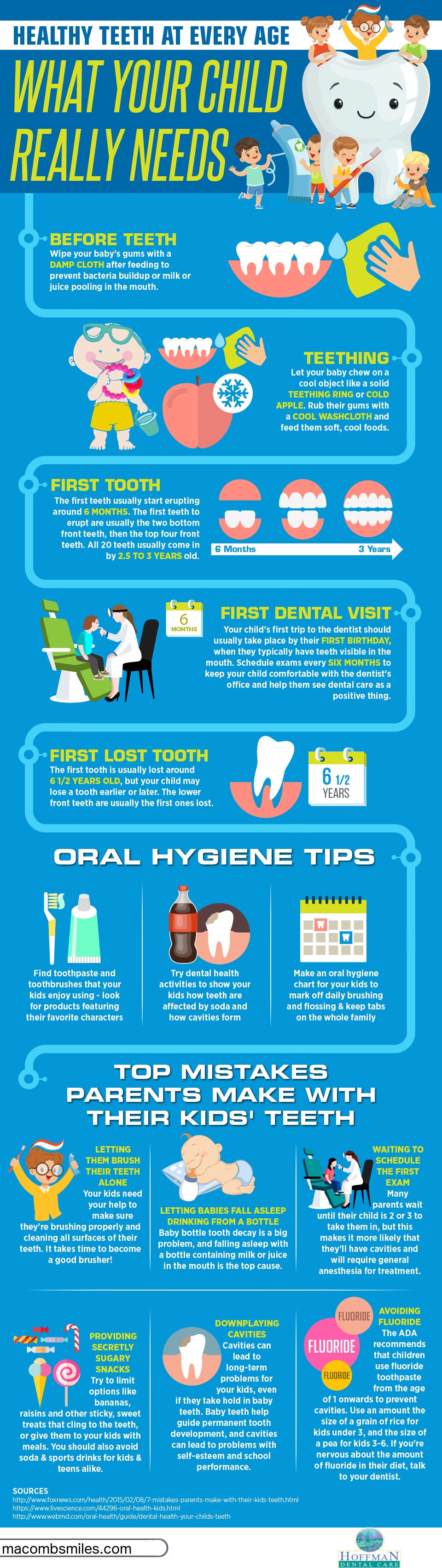
Cold compresses numb the gums and ease swelling. You can use a clean, damp washcloth chilled in the fridge. Let your baby chew on it for quick relief.
A cold teething ring is another good choice. It stays cool longer and is safe to chew. Avoid freezing, as it may hurt delicate gums.
Teething Toys And Rings
Teething toys give babies something safe to bite. Choose BPA-free and non-toxic materials for safety. Soft silicone or rubber toys work well for tender gums.
Make sure toys are easy to clean. Regular washing prevents germs and keeps your baby healthy. Rotate different toys to keep your baby interested.
Oral Hygiene Practices
Good oral hygiene starts before teeth appear. Caring for your baby’s mouth helps prevent germs and keeps the gums healthy. Healthy gums support the growth of strong teeth. Establishing simple cleaning habits early sets the stage for lifelong dental health.
Cleaning Baby’s Gums
Use a soft, clean cloth or a baby gum brush. Gently wipe the gums twice a day. This removes milk residue and bacteria. Never use toothpaste at this stage. Keep the process gentle and short. It helps your baby get used to mouth cleaning.
Brushing Emerging Teeth
Once the first tooth appears, start brushing twice daily. Use a small, soft-bristled toothbrush made for babies. Apply a tiny smear of fluoride toothpaste, about the size of a grain of rice. Brush gently in small circles. Clean all tooth surfaces and the gum line. Encourage your baby to open their mouth wide for easy cleaning.
Feeding Tips During Teething
Feeding a baby during teething can be challenging. The gums feel sore and tender. Babies may refuse food or drink. Choosing the right foods helps soothe discomfort. Avoiding certain items protects sensitive gums. Proper feeding supports your baby’s health and comfort.
Soothing Foods And Drinks
Offer cold foods to ease gum pain. Chilled applesauce or yogurt works well. Cool water also helps calm irritation. Soft foods reduce chewing difficulty. Mashed bananas or cooked carrots are good choices. Cold, soft items provide gentle relief.
Avoiding Irritants
Stay away from acidic or spicy foods. Citrus fruits can worsen gum soreness. Avoid salty snacks that may sting. Hard or crunchy foods can hurt tender gums. Limit sugary drinks to prevent tooth decay. Careful food choices protect your baby’s comfort and health.
When To Seek Medical Advice
Teething can be a tough time for babies and parents. Most symptoms are normal and will pass. Sometimes, the signs may need a doctor’s check. Knowing when to seek medical advice helps keep your baby safe.
Signs Of Infection
Watch for redness or swelling around the gums. Pus or unusual discharge means infection. A fever over 101°F (38.3°C) can also signal a problem. If your baby has a bad smell in the mouth, it may be infected. These signs need prompt medical care to avoid complications.
Persistent Discomfort
Teething pain usually eases after a few days. If your baby cries a lot and cannot sleep, seek advice. Refusing to eat or drink for more than a day is a warning. Continuous irritability and fussiness may mean the pain is serious. A doctor can check for other causes and suggest treatment.

Frequently Asked Questions
How Often Should I Clean My Baby’s Gums During Teething?
Clean your baby’s gums twice daily using a soft, damp cloth. This removes bacteria and keeps their mouth healthy before teeth appear.
What Are The Safest Teething Toys For Hygiene?
Choose BPA-free, easy-to-clean teething toys. Avoid toys with small parts or toxic materials to ensure safe and hygienic teething relief.
Can I Use Toothpaste For My Teething Baby?
Use a smear of fluoride-free toothpaste for babies under two years. This protects gums without the risk of swallowing harmful fluoride.
How Can I Soothe My Baby’s Teething Discomfort Hygienically?
Chill a clean, wet washcloth or teething ring. Cold helps reduce pain and inflammation while maintaining hygiene.
Conclusion
Teething can be tough for little ones and parents alike. Keeping good hygiene helps ease discomfort and prevents infections. Clean your baby’s gums and teeth gently every day. Use soft, safe tools made for babies. Watch for signs of irritation or unusual symptoms.
Consistent care supports healthy teeth growth and a happy smile. Simple steps make a big difference in teething comfort. Trust your efforts to keep your child healthy and calm. Small habits today lead to strong teeth tomorrow.


