Are you struggling to get your newborn to settle down at night? You’re not alone.
Creating a bedtime routine for your little one can feel overwhelming, but it’s one of the best ways to help your baby sleep better—and give you some much-needed rest too. You’ll discover simple, effective bedtime routine ideas that fit your baby’s needs and your lifestyle.
Keep reading, and you’ll find easy steps to soothe your newborn and make bedtime a calm, happy experience for both of you.
Setting The Mood
Setting the mood for your newborn’s bedtime is very important. It helps your baby feel safe and ready to sleep. A peaceful atmosphere makes falling asleep easier. Small changes in the room can make a big difference. Focus on calm surroundings, soft lighting, and gentle sounds. These help your newborn relax and settle down.
Creating A Calm Environment
Keep the room quiet and free from distractions. Remove bright colors and busy patterns. Use soft, neutral tones on walls and bedding. Clear clutter to create a peaceful space. Dress your baby in comfortable clothes. Make sure the room temperature is cozy but not hot. Calm surroundings signal your baby it is time to rest.
Choosing Soft Lighting
Bright lights can disturb your newborn’s sleep. Use dim lights or a small nightlight. Soft lighting helps your baby’s eyes adjust. Avoid harsh overhead lights in the evening. Warm light colors, like yellow or orange, are best. Soft light creates a soothing space. It tells your baby that nighttime is here.
Soothing Sounds For Sleep
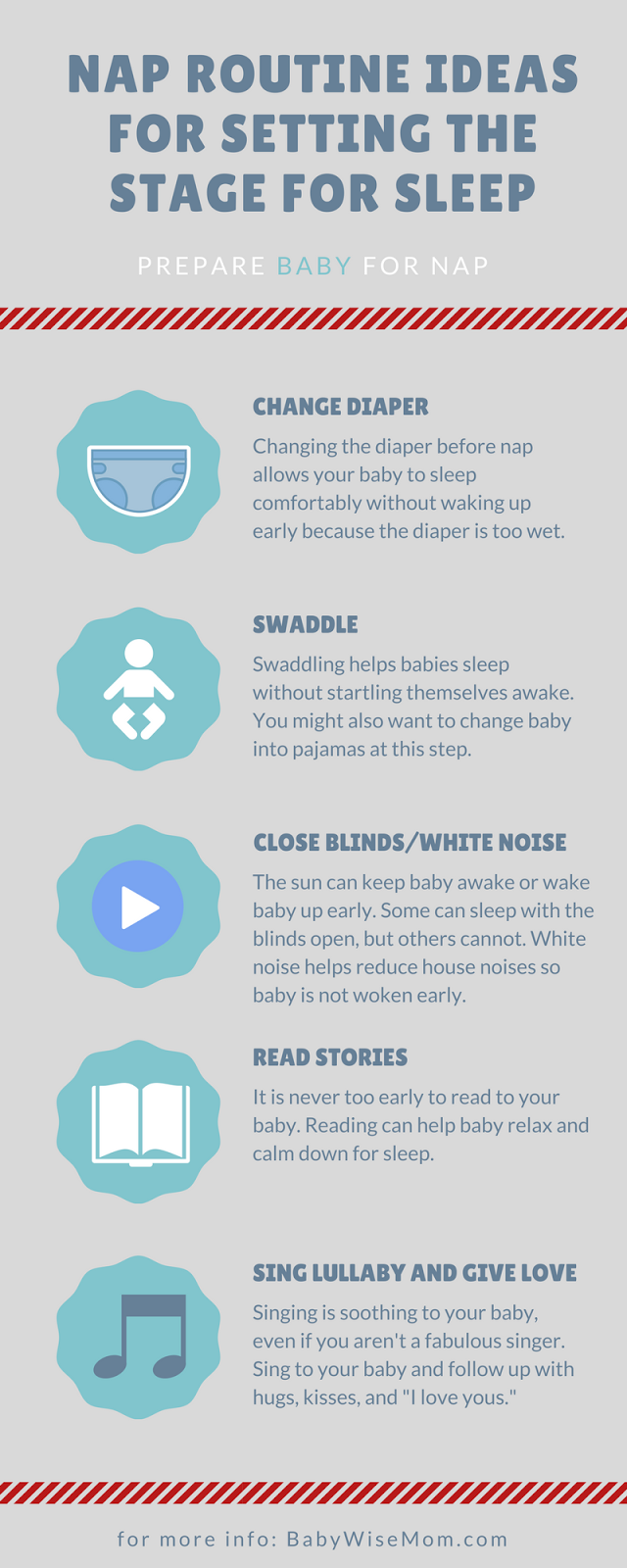
Quiet sounds can help your baby relax. Use white noise or soft lullabies. Gentle nature sounds, like rain or waves, work well. Keep the volume low and steady. Sudden noises can startle your newborn awake. Consistent sounds create a comforting background. Your baby will learn to associate these sounds with sleep.
Establishing A Consistent Schedule
Establishing a consistent schedule helps your newborn feel safe and calm. Babies thrive on routines. A steady rhythm can improve their sleep quality and mood. It also gives parents a clearer plan for the day and night.
Start by setting regular times for feedings, naps, and bedtime. This predictability signals to your baby when to eat, rest, and sleep. It supports healthy sleep habits that grow with your child.
Timing Feedings And Naps
Feed your baby at regular intervals to avoid hunger disruptions. Fresh milk or formula at set times creates comfort and stability. Plan naps around feeding times to prevent overtiredness. Short naps during the day help your baby stay rested without interfering with night sleep.
Recognizing Sleep Cues
Watch for signs like yawning, rubbing eyes, or fussiness. These clues show your baby is ready for sleep. Responding quickly helps your baby fall asleep easier. Avoid forcing sleep; follow your baby’s natural signals.
Balancing Day And Night
Expose your baby to natural light during the day. Keep nights dark and quiet to signal sleep time. This contrast helps your baby learn the difference between day and night. A calm environment supports longer, deeper sleep at night.
Gentle Bedtime Activities
Creating a calm and peaceful bedtime for your newborn helps them sleep better. Gentle bedtime activities prepare your baby for rest. These quiet moments build comfort and trust. They help your baby feel safe and relaxed before sleep.
Swaddling Techniques
Swaddling wraps your baby snugly in a soft blanket. This mimics the womb’s cozy feeling. Use a lightweight, breathable fabric to avoid overheating. Lay the blanket flat and fold one corner down. Place your baby on the blanket with their shoulders aligned. Wrap one side tightly across the body and tuck it under. Fold the bottom up and the other side snugly. Make sure the hips can move to avoid discomfort. Swaddling reduces startle reflex and helps babies settle.
Infant Massage Benefits
Massage soothes your baby and eases muscle tension. Use gentle, slow strokes with warm hands. Start with the legs, moving to the tummy and arms. Avoid pressing hard on the soft spots. Massage helps improve sleep quality and digestion. It also strengthens your bond and calms fussiness. A short, gentle massage before sleep creates a relaxing routine.
Quiet Storytime Ideas
Reading softly to your newborn builds a peaceful mood. Choose simple books with large pictures and few words. Speak in a calm, gentle voice. Point to pictures and smile often. Repeating the same story helps your baby recognize sounds. This quiet time encourages language skills and comfort. Keep storytime brief, about 5 to 10 minutes. It signals the body to wind down for bed.

Safe Sleep Practices
Safe sleep practices help protect your newborn during bedtime. These steps reduce the risk of accidents and keep your baby comfortable. Creating a safe sleep environment is one of the most important parts of your bedtime routine.
Choosing The Right Sleep Surface
Select a firm and flat mattress for your baby’s crib or bassinet. Avoid soft surfaces like sofas, cushions, or adult beds. These can increase the risk of suffocation or injury. A fitted sheet made for the mattress helps keep the sleep area secure and clean.
Positioning For Safety
Always place your newborn on their back to sleep. This position lowers the chance of sudden infant death syndrome (SIDS). Avoid letting your baby sleep on their stomach or side. Keep the baby’s head and face uncovered during sleep.
Avoiding Sleep Hazards
Remove pillows, blankets, and stuffed toys from the crib. Loose items can block your baby’s breathing. Use wearable sleep sacks instead of loose blankets. Keep cords, mobiles, and other objects away from the baby’s reach.
Handling Night Wakings
Night wakings are normal for newborns. Babies need to feed, feel comforted, or have a diaper change. Parents often feel tired and unsure about how to help their baby sleep again. Handling these wake-ups gently can make bedtime easier for both baby and parents.
Soothing Without Overstimulation
Use soft voices and gentle touches to calm your baby. Avoid bright lights or loud sounds. Rock your baby slowly or offer a pacifier. Keep the environment quiet and dim. This helps your baby relax without becoming too alert.
When To Respond Immediately
Respond right away if your baby cries loudly or seems in pain. Check for hunger, wet diaper, or discomfort. Quick care helps your baby feel safe. If your baby is just fussing, wait a moment before going in. Sometimes, babies settle back to sleep on their own.
Tips For Returning To Sleep
Keep your actions calm and slow. Avoid picking up your baby unless necessary. Use soft shushing sounds or gentle pats. Stay in the room until your baby is calm. Put your baby down while still sleepy but awake. This teaches your baby to fall asleep independently.
Parental Self-care
Taking care of a newborn is joyful but very tiring. Parents need to care for themselves to keep strong and healthy. Parental self-care helps you feel better and enjoy your baby more. It also helps you handle the challenges of sleepless nights.
Managing Sleep Deprivation
Newborns wake often, making sleep hard for parents. Try to rest when your baby sleeps, even for short times. Avoid caffeine late in the day to help your own sleep. Share night duties with a partner or family member. Small naps add up and improve your energy.
Stress-relief Strategies
Stress is common with a new baby. Deep breathing or gentle stretching can calm your mind. Listen to soft music or take a quiet moment alone. Simple activities like reading or a short walk help reduce stress. Keep your thoughts positive and focus on small joys.
Seeking Support When Needed
Asking for help is a sign of strength. Talk to friends or family about your feelings and needs. Join parenting groups to share experiences and advice. Professional support from doctors or counselors can also help. You do not have to face challenges alone.

Frequently Asked Questions
What Is The Ideal Newborn Bedtime Routine Length?
A newborn bedtime routine should last about 20 to 30 minutes. This timeframe helps signal sleep time without overstimulating your baby. Consistency is key to establishing good sleep habits.
How Can I Soothe My Newborn Before Bedtime?
Gentle rocking, soft singing, and dim lighting calm newborns effectively. Warm baths and swaddling also create a relaxing pre-sleep environment. These methods promote comfort and security.
When Should I Start A Bedtime Routine For My Newborn?
Begin a bedtime routine as early as two weeks old. Early routines help your baby adapt to a sleep schedule. Start with simple calming activities and build consistency.
What Activities Help Newborns Fall Asleep Faster?
Activities like gentle massage, quiet lullabies, and soft rocking aid sleep. Avoid bright lights and loud noises to maintain a peaceful atmosphere. These help newborns relax and drift off easily.
Conclusion
Creating a bedtime routine helps your newborn feel safe and calm. Choose simple, quiet activities that your baby enjoys. Keep the routine consistent every night for best results. Small steps can make a big difference in sleep quality. Patience and love are key to success.
Enjoy these peaceful moments with your little one. Sleep will come easier with time and care. Your efforts today build healthy habits for tomorrow.


