Yes—proper nasal suction can ease congestion and help many babies sleep longer.
If you have ever rocked a stuffy baby at 2 a.m., you know how a blocked nose can wreck sleep. Parents often ask, does a nasal aspirator help baby sleep better? I have coached many families on this. With the right tool, gentle technique, and smart timing, you can clear tiny noses, reduce fussiness, and set up longer stretches of sleep. This guide blends hands-on tips with medical insight, so you can soothe your baby with confidence.
:max_bytes(150000):strip_icc()/par-best-baby-nasal-aspirators-tout-3e2ad2afbbb24040aa9ebcbc4c59ffa4.jpg)
Why nasal congestion disrupts baby sleep
Newborns and young infants are nose breathers. When the nose is blocked, they struggle to feed, settle, and sleep. You may see mouth breathing, snorts, or frequent waking.
A clogged nose also dries the mouth and throat. That can cause cough and more wake-ups. Gentle suction plus saline can break this cycle.
Parents still ask, does a nasal aspirator help baby sleep better? It can, when congestion is the main issue. Clear airflow means easier breathing and calmer sleep.
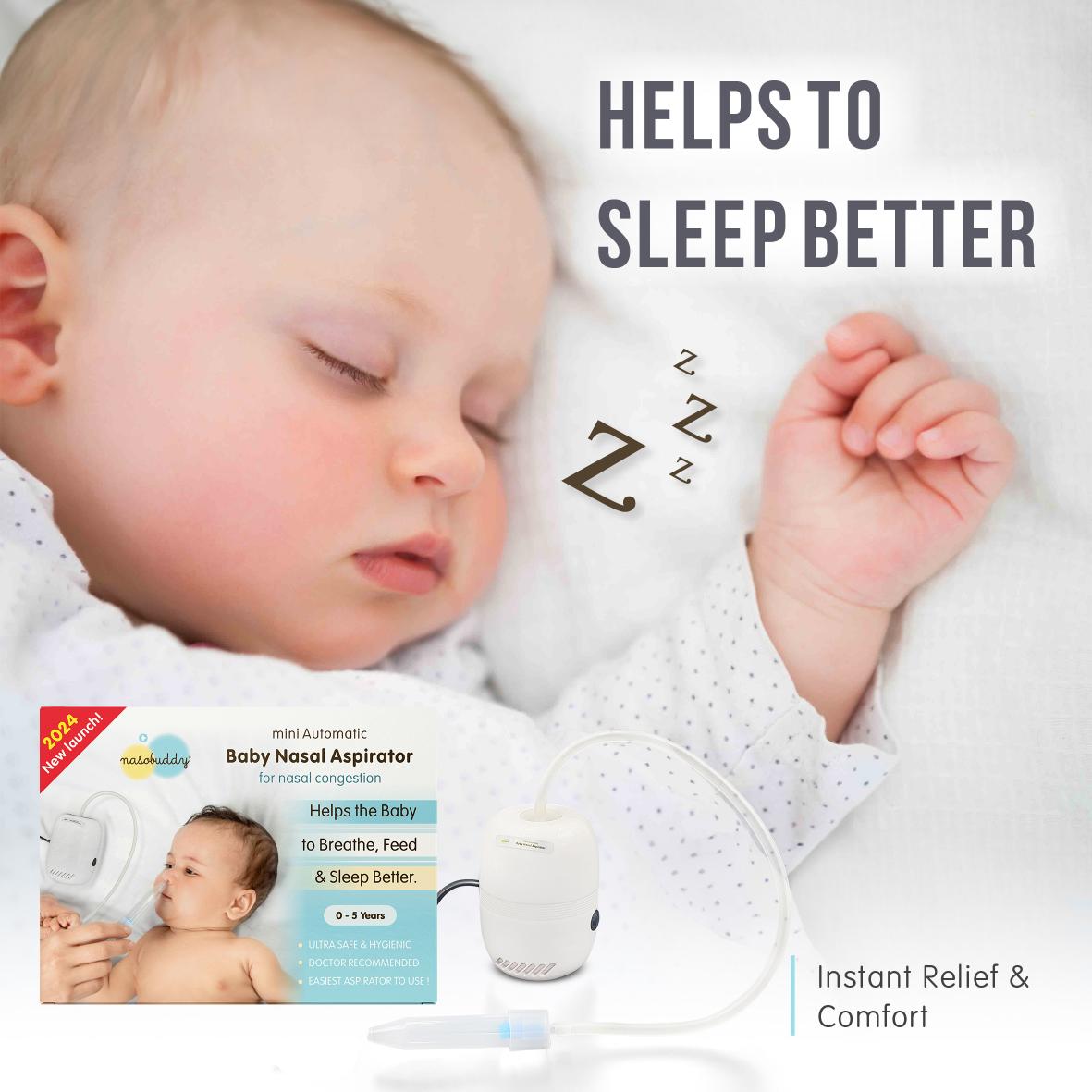
What a nasal aspirator does and the types you can use
A nasal aspirator removes mucus from the nostrils. This lowers resistance to airflow. It also helps babies feed well before bed, which supports longer rest.
Common types:
- Bulb syringe. Simple and cheap. Can be hard to clean well.
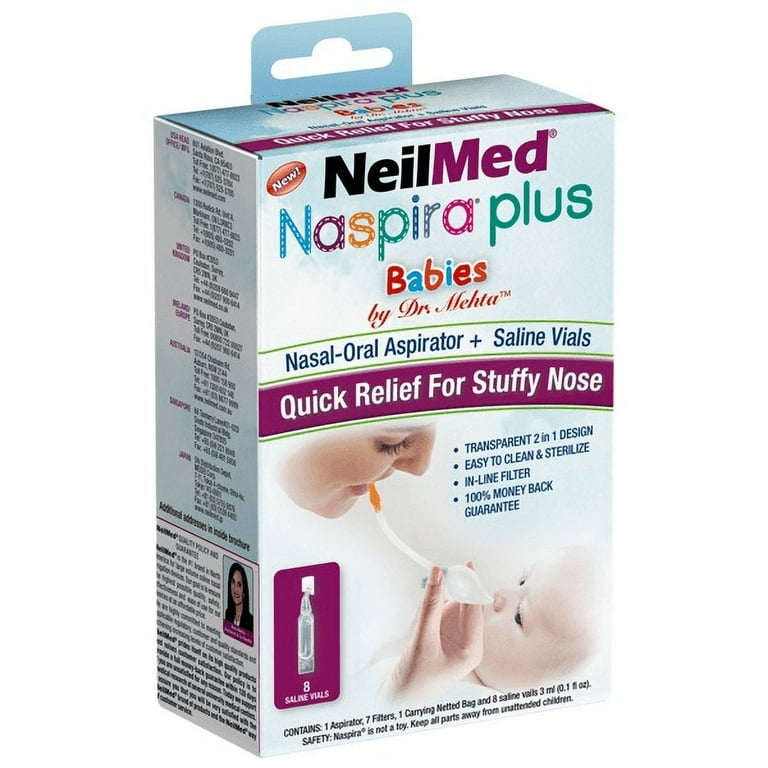
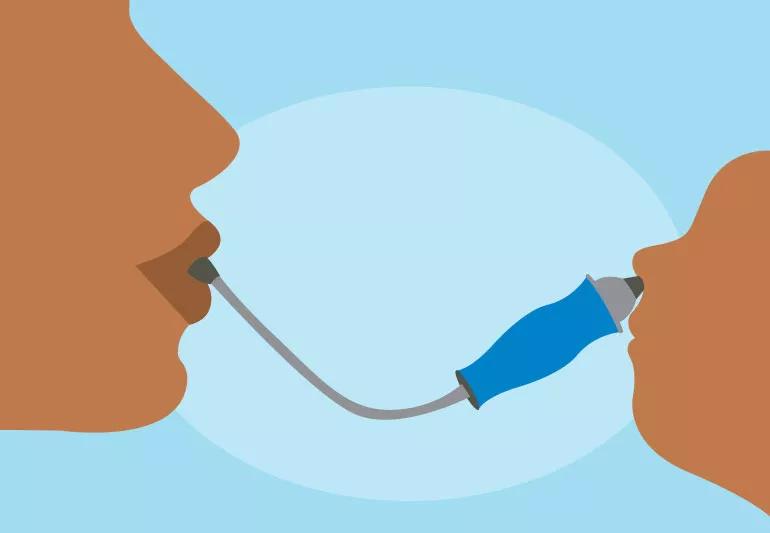
- Manual suction with tubing. You control the suction with your breath. Filters block mucus.
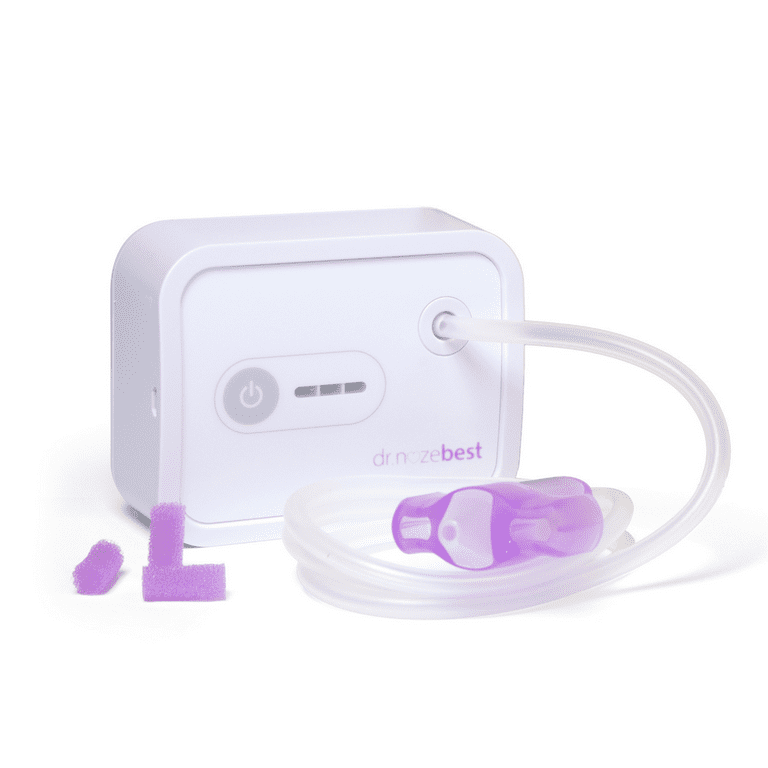
- Electric aspirator. Gentle, steady suction with tips of different sizes.
What matters most is a soft tip, gentle suction, and easy cleaning. Use saline drops or mist first to loosen thick mucus.
Does a nasal aspirator help baby sleep better? Evidence and expert view
So, does a nasal aspirator help baby sleep better? The short answer is yes for many families, when used with saline and a calm routine. Parents often report fewer wake-ups on congested nights after a quick saline-and-suction session.
Clinical guidance supports saline irrigation and gentle suction for infant colds. Studies in infants show that saline plus suction can reduce nasal symptoms, improve feeding, and ease breathing. While few trials measure sleep time directly, better nasal airflow helps babies settle and stay asleep.
Does a nasal aspirator help baby sleep better every time? Not if the cause of waking is hunger, overstimulation, reflux, or teething. But when a stuffy nose is the main trigger, suction is a fast, safe tool. Used before naps and bedtime, it often extends sleep stretches.
Parents wonder again, does a nasal aspirator help baby sleep better during colds? Yes, it can reduce snorts and pauses that wake your baby. Keep suction gentle and brief to avoid irritation.
When and how to use a nasal aspirator for better sleep
Timing matters. Use it when you hear snorts or see flared nostrils. The sweet spot is right before naps, bedtime, and feeds.
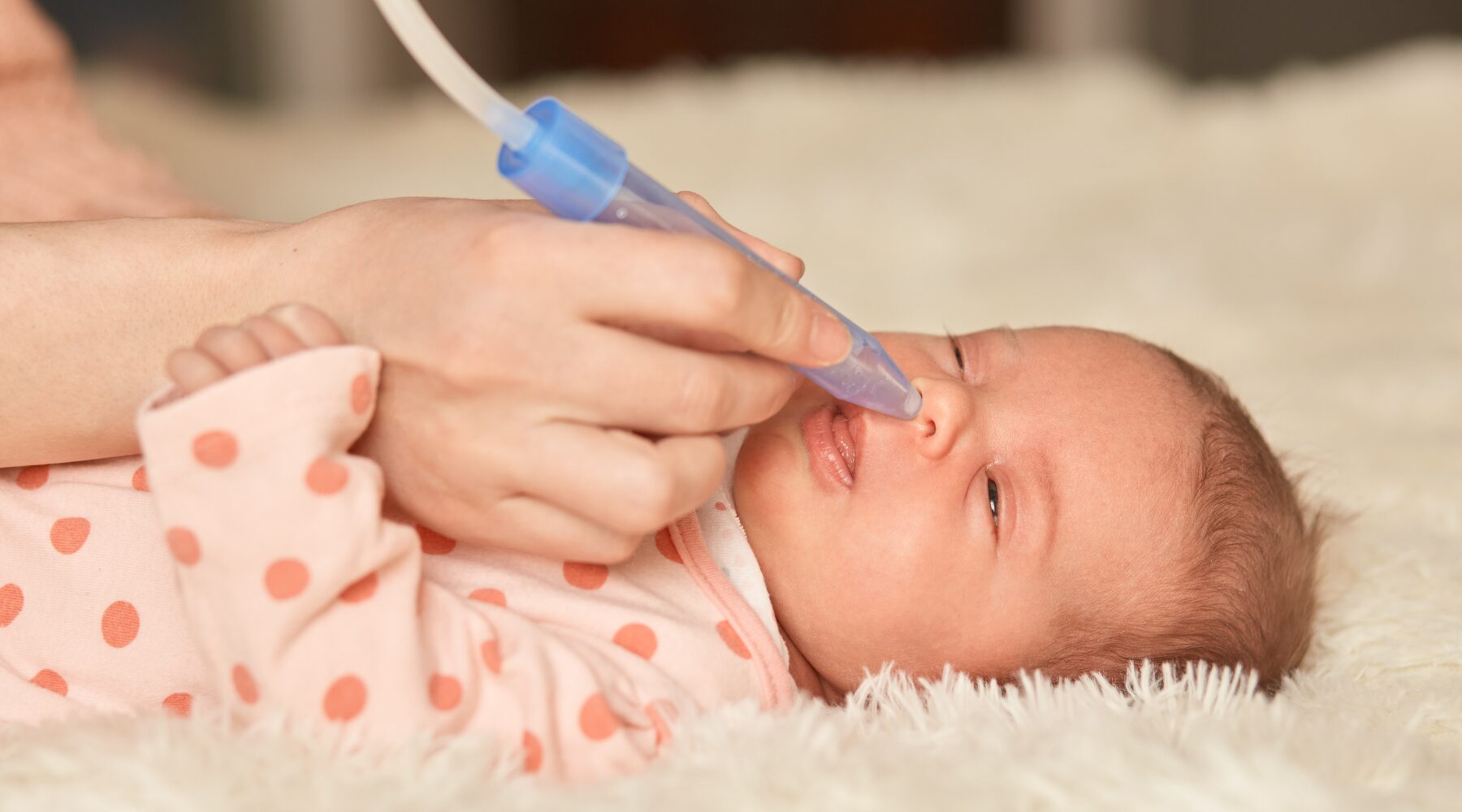
Simple steps:
- Lay baby on a slight side or hold upright on your chest.
- Add 2 to 3 drops of sterile saline in each nostril. Wait 30 to 60 seconds.
- Gently insert the tip at the nostril entrance. Do not push deep.
- Suction for 2 to 3 seconds per nostril. Pause. Repeat once if needed.
- Wipe the tip, then clean the device right after use.
Safety and comfort tips:
- Limit to 2 or 3 times per nostril per session.
- Use 3 or fewer sessions per day unless your clinician says more.
- Stop if you see blood or baby fights hard.
- Keep the room humid and offer extra fluids if age-appropriate.
If you plan a bedtime routine, ask yourself, does a nasal aspirator help baby sleep better when used first? Yes. Clearing the nose before the rest of the routine helps the rest work.

A gentle bedtime routine that includes nasal suction
You can fold suction into a short, calm routine. Aim for the same order each night so your baby knows what comes next.
Try this:
- Warm, steamy bathroom for a few minutes to loosen mucus.
- Saline drops, then gentle suction.
- Feed while upright to reduce post-nasal drip.
- Quick wipe, fresh sleep sack, white noise, dim lights.
- Hold and hum for a minute, then place baby down drowsy but awake.
Many parents tell me this routine eases the evening chaos. They also ask, does a nasal aspirator help baby sleep better if used after the feed? It is best before the feed to reduce air swallowing and fuss.
)
Mistakes to avoid and safety red flags
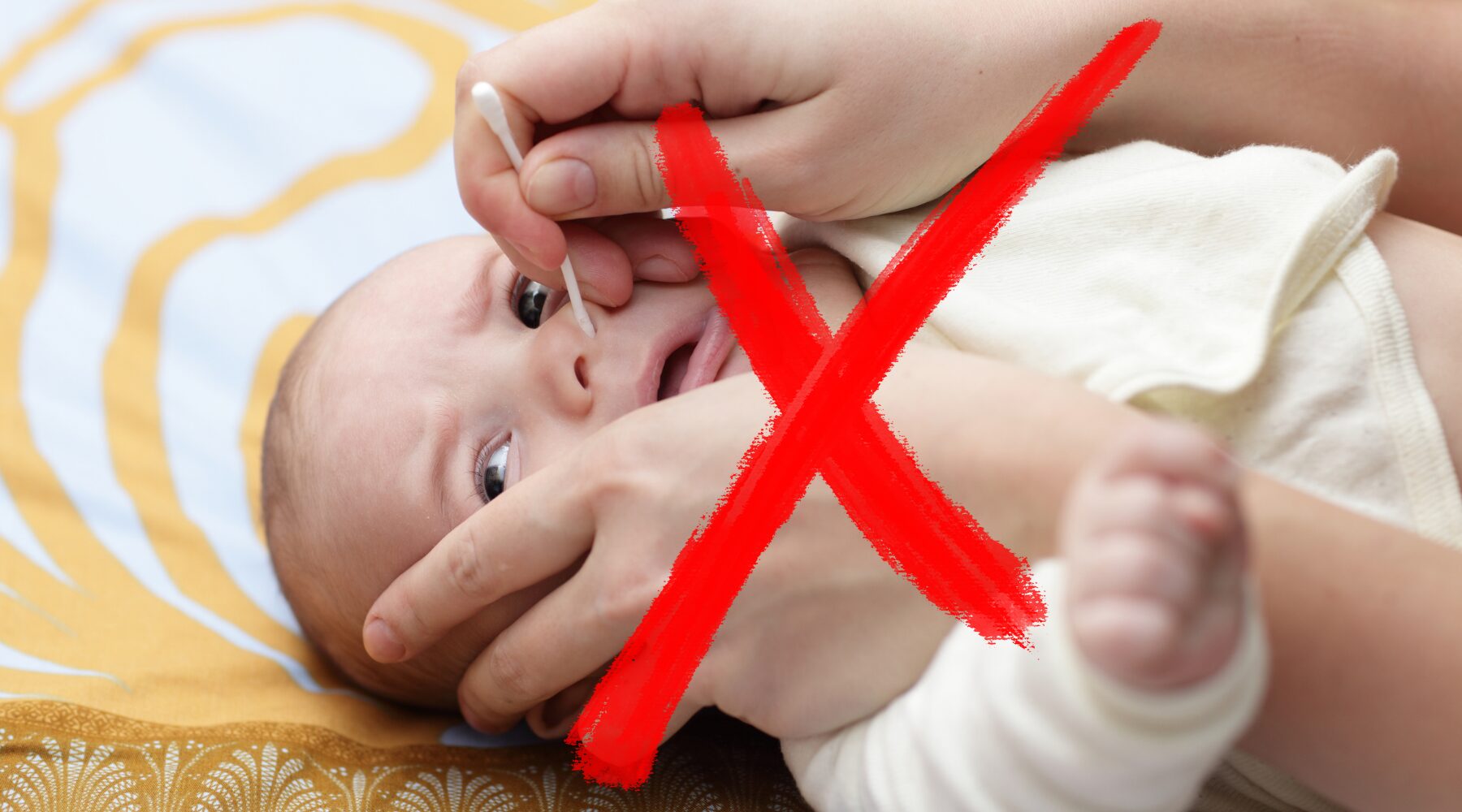
Common mistakes:
- Over-suction. Too often or too long can irritate the nose.
- Skipping saline. Dry mucus is hard to remove and can cause friction.
- Poor cleaning. Bulb syringes can trap mold if not opened and dried.
- Wrong tip size. A large tip can hurt; a tiny tip may not seal.
Watch for red flags:
- Fast breathing, chest pulling in, blue lips, or grunting
- High fever in a young infant
- No wet diapers for 8 hours or sunken soft spot
- Thick green mucus for many days with fever
- Ear pain, nonstop crying, or blood from the nose
If any of these show up, stop and seek care. And remember, does a nasal aspirator help baby sleep better if symptoms are severe? It is not a fix for serious illness. Get medical help.
What I have learned helping families
In my work with new parents, I keep a few rules. Keep it gentle. Keep it clean. Keep it short. Babies like short bursts, not long sessions.
One family said their 5-month-old woke every 40 minutes with a cold. We added saline, two quick suctions per nostril, then a quiet feed. That night, he slept two hours in a row, then three. Does a nasal aspirator help baby sleep better every night? No. But on stuffy nights, it often makes a clear difference.
Alternatives and extras to ease congestion
You can add simple tools that pair well with suction.
- Saline drops or mist. Use before suction to loosen mucus.
- Cool-mist humidifier. Run it near the crib but out of reach.
- Steamy shower sit-in. Hold baby outside the water for a few minutes.
- Upright cuddles after feeds. Helps mucus drain.
- Gentle chest-to-chest snuggles. Calm baby for easier breathing.
Avoid menthol rubs on infants, essential oil diffusers near the crib, and over-the-counter cold medicines in young children unless your clinician approves. Parents may still ask, does a nasal aspirator help baby sleep better without these extras? Often, yes. The combo of saline and suction alone is powerful.
How to choose the right nasal aspirator
When you shop, think simple, safe, and easy to clean.
- Tip shape and softness. A soft, wide edge seals well without pressure.
- Suction control. Manual models give fine control. Electric models offer steady power.
- Noise level. Quieter devices are less startling at night.
- Cleaning. Look for parts that open fully and tolerate boiling or dishwasher cycles.
- Filters. If using manual suction, keep spare filters on hand.
- Portability. A small case helps for travel and daycare.
Ask the key question while choosing: does a nasal aspirator help baby sleep better with consistent use? Yes, the best device is the one you can use fast, gently, and often without hassle.
Frequently Asked Questions of Does a nasal aspirator help baby sleep better?
How often can I use a nasal aspirator in a day?
Use it up to three times per day, with short, gentle sessions. More frequent use can irritate the nose and cause swelling.
Does a nasal aspirator help baby sleep better during teething?
If congestion is present, it may help. If teething is the main cause of waking, focus on comfort and routine instead.
What age is safe to start using a nasal aspirator?
You can use one from birth, with saline and a soft tip. Keep suction gentle and brief.
Does a nasal aspirator help baby sleep better if the mucus is thick and dry?
It helps more if you use saline first. Saline loosens thick mucus, making suction fast and gentle.
Can I use a humidifier instead of suction?
A humidifier helps, but it does not remove mucus. Saline plus suction offers more immediate relief.
Does a nasal aspirator help baby sleep better if my child has allergies?
It can reduce nasal blockage at night. Also discuss long-term allergy plans with your clinician.
Will suction cause nosebleeds or damage?
Not if done gently with saline and short bursts. Stop if you see blood and give the nose time to heal.
Conclusion
A clear nose is a calm nose. When used with saline and care, a nasal aspirator can reduce congestion, ease feeds, and support longer sleep. It is not a cure for every wake-up, yet it is one of the fastest tools for stuffy nights.
Try the simple routine tonight: saline, gentle suction, feed upright, and lights down. Track your baby’s sleep for a few days to see the change. If you found this helpful, share it with a friend, subscribe for more baby sleep tips, or leave a question so we can help you one-on-one.