Most babies do well with gentle suction 2–4 times a day.
Wondering how often can I use a nasal aspirator on my baby? I’ve helped many worried parents through stuffy nights and fussy feeds. This guide gives clear, safe, and simple steps grounded in pediatric best practice. If you’ve asked “How often can I use a nasal aspirator on my baby?” you’ll get a complete, practical answer here, plus the little tricks that make a big difference.

How often can I use a nasal aspirator on my baby?
How often can I use a nasal aspirator on my baby? Use it only when your baby sounds congested or has visible mucus. For most babies, limit suction to 2–4 sessions per day during a cold. Space sessions by a few hours so the nose can rest.
Before each session, use saline drops or spray. This loosens thick mucus and reduces irritation. Keep each suction pass short. Aim for 3 seconds or less per nostril. Repeat up to 2–3 passes per side if needed.
Newborns have delicate noses. Be extra gentle and keep sessions brief. If you ever see blood, stop suction for the day and add moisture with saline and a humidifier.
How often can I use a nasal aspirator on my baby when they are well? You may not need it daily. Save suction for before feeds and sleep when stuffiness makes breathing hard. If symptoms last more than 10 days, call your pediatrician.

How nasal aspirators work and when to use them
A nasal aspirator uses gentle negative pressure to remove mucus from the nostrils. Babies cannot blow their noses yet, so suction helps them breathe, feed, and sleep better.
Use the device when your baby sounds snuffly, struggles to latch, or wakes due to nasal noise. Saline softens mucus first. Suction clears it out second. This two-step plan is both simple and effective.
How often can I use a nasal aspirator on my baby with this two-step plan? As needed, but still keep to 2–4 sessions per day during illness.
A simple schedule you can follow
How often can I use a nasal aspirator on my baby without causing harm? Try this gentle rhythm.
- Morning: Saline, then quick suction if your baby sounds stuffy.
- Before feeds: Clear the nose so feeding is calm and steady.
- Before naps and bedtime: One short session helps longer sleep.
- Overnight: Use only if your baby wakes and struggles to breathe.
If the nose looks red or your baby resists, skip a session. Add a cool-mist humidifier and extra saline instead.

Safe technique: step-by-step
Good technique matters more than strong suction. Here is a short process I teach new parents.
- Wash your hands and gather supplies: saline, aspirator, tissues.
- Position baby with head slightly raised. A rolled towel under the shoulders helps.
- Add 2–3 drops of saline in one nostril. Wait 30–60 seconds.
- Seal the tip just at the entrance of the nostril. Do not insert deep.
- Suction for up to 3 seconds. Release. Wipe. Let baby rest.
- Repeat 1–2 more passes if needed. Then switch sides.
- Finish by wiping the outside of the nostrils. Do not swab inside with cotton.
- Clean the device right away.
How often can I use a nasal aspirator on my baby with this method? Often enough to help breathing, but still limited to a few short sessions per day.

Types of aspirators: what to know
Not all devices feel the same. Pick what lets you be gentle and precise.
- Bulb syringe: Cheap and simple. Harder to clean. Squeeze before placing at the nostril so you do not push air in.
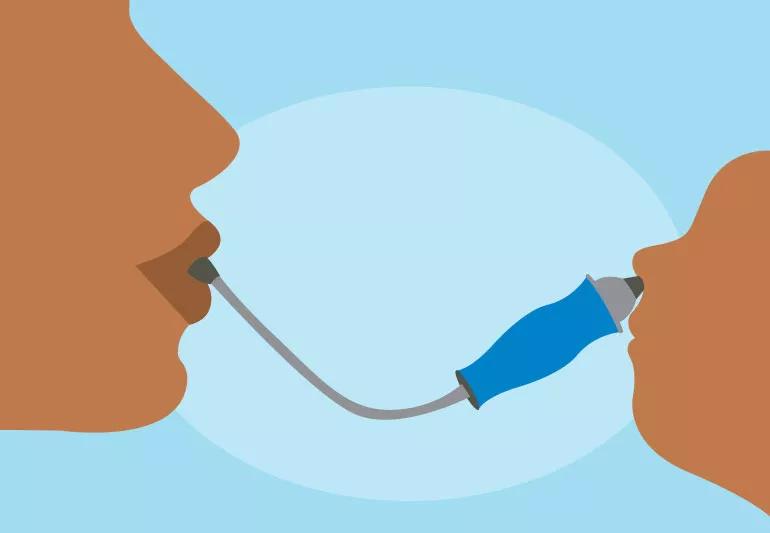
- Manual suction (mouth tube): Good control and strong results with gentle technique. Replace filters often.
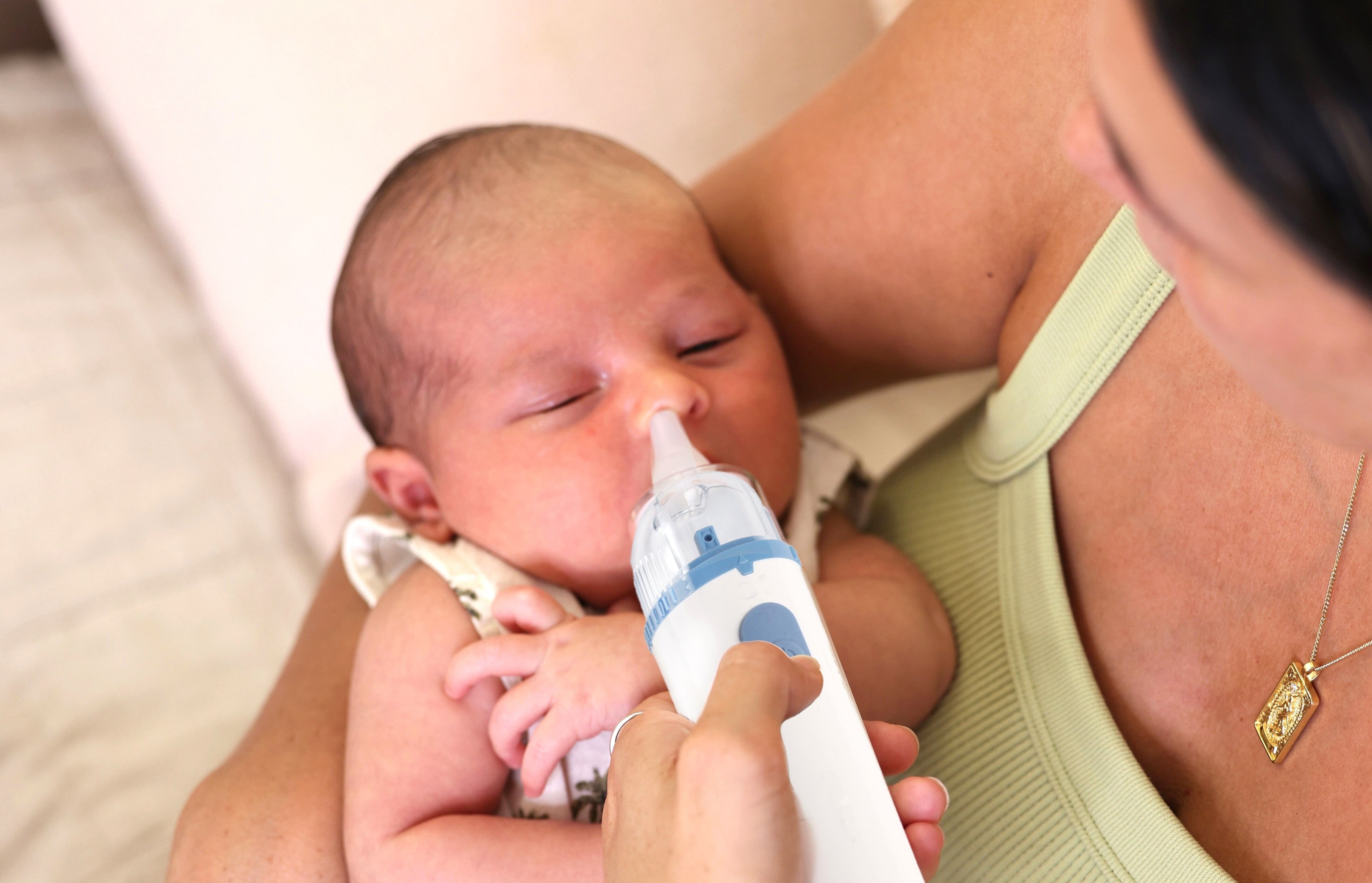
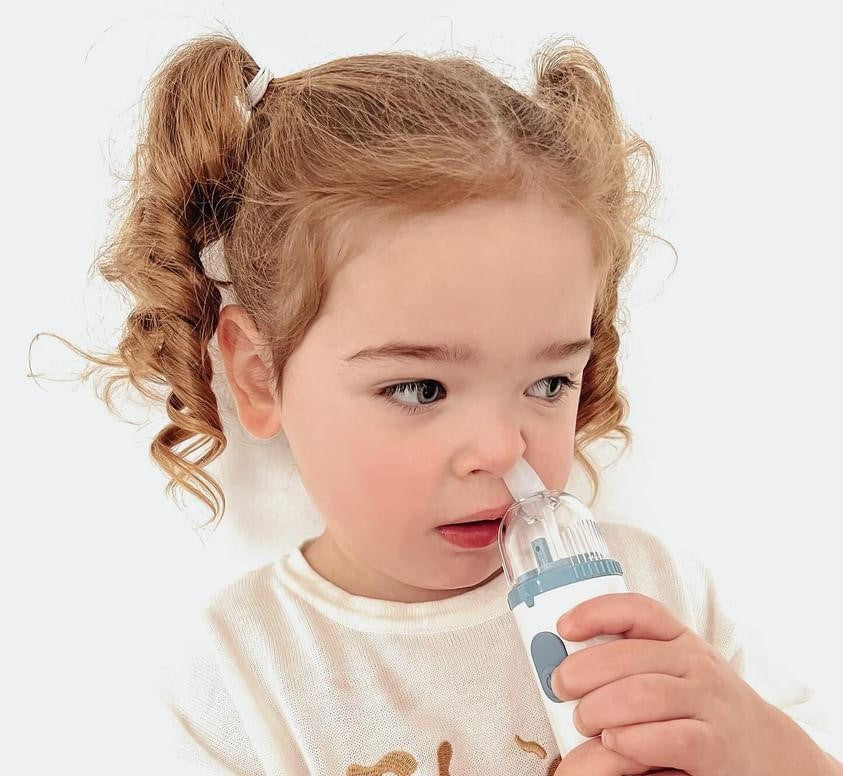
- Electric aspirator: Consistent suction and easy to use. Keep passes short and follow device time limits.
How often can I use a nasal aspirator on my baby with each type? The same general rule applies. Keep sessions brief and spaced out.
Signs of overuse and risks to avoid
Too much suction can irritate the nose. Watch for these signs.
- Pink or red nostrils that look sore
- Small nosebleeds or scabs
- More swelling and worse stuffiness after suction
- Your baby cries hard at the start of a session
If this happens, pause suction for 24 hours. Use saline, steam from a warm shower in the room, and a cool-mist humidifier. If bleeding or swelling keeps coming back, call your pediatrician.

What to pair with suction for best results
Nasal care works best as a team effort. Here are helpers I use and recommend.
- Saline drops or spray: Use before every suction session.
- Cool-mist humidifier: Run in the sleep space to ease dryness.
- Warm bath or steamy bathroom: Moist air loosens mucus.
- Upright snuggles after feeds: Helps drainage and breathing.
- Fluids and frequent feeds: Keeps mucus thin.
How often can I use a nasal aspirator on my baby when I use these tools? You may need fewer sessions because mucus stays thin and easy to clear.
When to call the doctor
Some signs mean you should seek care now.
- Fast breathing, flaring nostrils, or chest muscles pulling in
- Blue lips or face, or pauses in breathing
- Fever in a baby under 3 months (100.4°F or higher)
- Signs of dehydration, like fewer wet diapers
- Symptoms that last more than 10 days or keep coming back
- Ear pulling or thick green mucus with fever
If you face any of these, stop home suction and call your pediatrician. Ask them again, “How often can I use a nasal aspirator on my baby?” for your child’s case. They can tailor a plan.

Cleaning and hygiene: reduce germs and irritation
Clean gear is safer and works better. It also prevents repeat illness.
- Disassemble the device after every use.
- Wash parts in warm, soapy water. Rinse well. Air-dry fully.
- For bulb syringes, squeeze soapy water in and out many times. Then rinse until clear.
- Some parts are top-rack dishwasher safe. Check your manual.
- Replace filters in manual devices as directed.
- Store dry and covered to keep dust away.
A clean device means fewer germs and less chance of nose irritation from residue.
Personal tips I share with parents
Here is what has helped the families I coach, and what I used with my own kids.
- Keep a mini kit by the changing table: saline, aspirator, tissues.
- Use a tiny drop of saline first, wait, and then suction. Patience saves the nose.
- If your baby fights suction, sing the same short song each time. Routine calms fear.
- Track sessions on your phone. This prevents overuse and shows patterns.
- Ask your pediatrician early. Bring the device to the visit and get a quick demo.
If you still ask yourself, “How often can I use a nasal aspirator on my baby?” remember: less is often more. Quality beats quantity.
Frequently Asked Questions of How often can I use a nasal aspirator on my baby?
Can I use a nasal aspirator every day?
Yes, if your baby is congested. Keep it to 2–4 short sessions per day and always use saline first.
How long should I suction each nostril?
Limit each pass to about 3 seconds. Do up to 2–3 passes per nostril, then stop and let the nose rest.
What age can I start and stop using a nasal aspirator?
You can start from birth if needed, using extra care. Most babies need less suction after they learn to blow their nose.
Is saline safe for newborns?
Yes, isotonic saline is safe and often recommended. Use 1–2 drops per nostril and wait before suction.
Can overuse cause problems?
Yes, it can cause irritation, swelling, and small bleeds. If you see these signs, pause suction for a day and add moisture.
Is an electric aspirator better than a bulb syringe?
Both work if used well. Choose the one you can control gently and clean fully every time.
How often can I use a nasal aspirator on my baby at night?
Try one short session before bedtime. Use another only if your baby wakes and has clear trouble breathing through the nose.
Conclusion
You now have a clear plan for safe suction, simple tools, and a calm routine. Use saline first, keep sessions short, and aim for 2–4 gentle sessions per day during illness. When in doubt, step back, add moisture, and ask your pediatrician.
Want more baby-care guides like this? Subscribe for updates, share your tips in the comments, and let me know what worked for your little one.