
You might be wondering why setting a sleep schedule for your newborn matters so much. The truth is, a consistent sleep routine can make a huge difference for both your baby and you.
When your newborn sleeps well, they grow healthier and happier. And you get the chance to rest, recharge, and feel more in control. If you want to learn how a simple schedule can transform your days and nights, keep reading.
This guide will show you why a newborn sleep schedule is important and how it can ease your parenting journey.
Benefits Of A Sleep Schedule
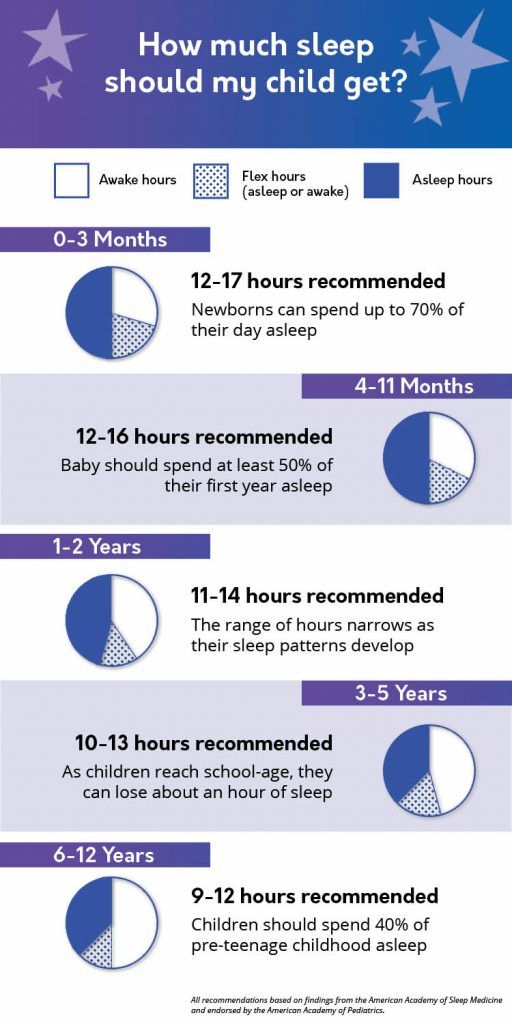
Setting a sleep schedule for a newborn has many benefits. It helps the baby’s body and mind work well. A regular sleep routine gives your baby a sense of safety and comfort. The benefits go beyond just rest. They affect growth, brain power, and mood.
Promotes Healthy Growth
Sleep supports your baby’s physical growth. During deep sleep, the body releases growth hormones. These hormones help build strong bones and muscles. A steady sleep schedule ensures your baby gets enough deep sleep. This leads to better overall health and development.
Supports Brain Development
Brain cells need sleep to form connections. These connections help your baby learn and remember. A regular sleep routine helps the brain work at its best. Babies who sleep well show faster learning and better focus. Sleep also helps clear waste from the brain, keeping it healthy.
Enhances Mood And Behavior
Good sleep helps babies stay calm and happy. Tired babies can become fussy and hard to soothe. A set sleep schedule reduces fussiness and crying. Well-rested babies show better mood and social interaction. This makes caring for your baby easier and more joyful.

Challenges In Newborn Sleep
Newborn sleep can be very hard for parents and babies. Babies do not follow a clear sleep routine right away. This creates many challenges. Understanding these challenges helps parents handle newborn sleep better.
Irregular Sleep Patterns
Newborns sleep in short bursts, not long stretches. Their sleep time can be different each day. This makes it hard to predict when they will sleep. Parents may feel tired and unsure how to plan.
Frequent Night Wakings
Babies often wake up many times at night. They need feeding, changing, or comfort. This breaks the parents’ sleep too. It can cause stress and make it hard to rest well.
Day-night Confusion
Newborns sometimes mix up day and night. They may sleep more during the day and stay awake at night. This makes nights harder for parents. Helping babies learn day and night takes time.
Signs Your Baby Needs A Schedule
Knowing when your baby needs a sleep schedule can help both of you. Babies cannot tell us they are tired or need rest. Parents watch signs to understand their baby’s needs. A clear schedule helps your baby feel safe and rested.
Excessive Fussiness
Babies who cry more than usual may need a schedule. Fussiness can mean they are tired but do not know how to sleep. A regular routine helps calm them down. It gives their body a clear signal to rest.
Difficulty Falling Asleep
Babies who struggle to fall asleep often need a set schedule. Without a routine, their bodies do not know when to rest. This causes longer times to fall asleep. A schedule teaches them when it is time to sleep.
Short Naps
Short naps can show your baby needs more structure. When naps are too short, babies do not get enough rest. This can make them tired and cranky later. A sleep schedule helps lengthen naps and improve rest quality.
Creating A Sleep Routine
Creating a sleep routine helps your newborn feel safe and calm. Babies thrive on regular patterns. A steady routine teaches them when it is time to rest. This helps improve their overall sleep quality. Good sleep supports growth and brain development. It also makes daily life easier for parents.
Consistent Bedtime
Set the same bedtime every night. A regular bedtime signals the body to prepare for sleep. It helps the baby’s internal clock adjust. Avoid letting your newborn stay up too late. Consistency reduces fussiness and helps them fall asleep faster.
Calming Pre-sleep Activities
Choose quiet and gentle activities before bed. Soft singing, gentle rocking, or reading a short story can help. These actions soothe your baby’s mind and body. They create a peaceful mood that encourages sleep. Avoid loud noises or bright lights during this time.
Safe Sleep Environment
Make the sleeping area comfortable and secure. Use a firm mattress and avoid loose bedding or toys. Keep the room at a cool, comfortable temperature. A safe environment reduces risks and promotes better sleep. It gives parents peace of mind too.
Tips For Daytime Naps
Daytime naps play a big role in a newborn’s sleep schedule. Good naps help babies grow and stay happy. Parents can use simple tips to make naps better and easier. These tips help babies get enough rest and feel calm during the day.
Optimal Nap Lengths
Short naps can leave babies tired. Very long naps might disturb night sleep. Aim for naps that last between 30 minutes and 2 hours. Watch your baby’s cues to find the best length. This balance helps babies feel refreshed and not too sleepy.
Nap Timing
Timing naps right helps keep a smooth sleep routine. Try to put your baby down for a nap about 1.5 to 3 hours after they wake up. Avoid letting your baby stay awake too long. Regular nap times create a sense of security and calm for your baby.
Balancing Day And Night Sleep
Day naps should not replace night sleep. Babies need most of their rest at night. Keep daytime naps shorter and night sleep longer. This balance helps the baby learn when to sleep and when to be awake. It supports healthy growth and brain development.
Handling Sleep Disruptions
Handling sleep disruptions is a key part of managing a newborn’s sleep schedule. Babies do not always follow a set routine. Their sleep can be interrupted by many things. Parents need to understand common causes and ways to respond. This helps keep the baby calm and supports better sleep habits over time.
Teething And Growth Spurts
Teething causes discomfort and pain in babies. This often leads to more waking at night. Growth spurts also change sleep patterns. Babies may sleep less or more during these times. These phases usually last a few days to a week. Gentle care and comfort help babies rest better.
Illness And Sleep
When babies are sick, their sleep often changes. Congestion, fever, or pain can cause trouble sleeping. Sick babies may need more naps during the day. They might wake more often at night. Keeping the baby comfortable and following doctor advice is important.
Travel And Schedule Changes
Travel can disrupt a newborn’s sleep schedule. New environments and time zones confuse their body clock. Routine changes can make babies fussy and sleepy at odd times. Gradually adjusting sleep times before travel can ease the shift. Patience helps babies adapt to new schedules.
Parental Self-care And Sleep
Parental self-care and sleep are vital during the newborn phase. Parents often feel exhausted from constant care. Sleep helps recharge energy. Good rest improves mood and patience. It also supports physical health and mental clarity. Creating a newborn sleep schedule benefits parents too. It offers predictable times for rest and breaks. Parents can better manage their own needs and reduce stress.
Managing Fatigue
Newborn care can drain parents quickly. Fatigue affects decision-making and alertness. Short naps during baby’s sleep help. Prioritize rest over chores when possible. Avoid caffeine late in the day. A calm sleep environment aids falling asleep fast.
Sharing Nighttime Duties
Dividing baby care at night eases the load. Partners can alternate feeding and diaper changes. This balance lets each parent get longer rest. Communication about needs and feelings is key. Teamwork improves sleep for both parents.
Seeking Support
Asking for help is a sign of strength. Family or friends can watch the baby briefly. This allows parents to nap or relax. Professional help can also provide guidance. Support networks reduce isolation and improve well-being.

Frequently Asked Questions
Why Is Establishing A Newborn Sleep Schedule Important?
A newborn sleep schedule helps regulate their internal clock and promotes healthy sleep patterns. It ensures babies get enough rest, aiding growth and brain development. Consistent sleep routines also reduce fussiness and improve feeding schedules for both babies and parents.
How Does A Sleep Schedule Benefit Newborn Development?
A regular sleep schedule supports brain maturation and physical growth. It enhances memory, learning, and emotional regulation. Proper rest strengthens the immune system and reduces the risk of sleep-related issues, ensuring newborns develop healthily and adapt better to daily routines.
When Should Parents Start A Newborn Sleep Schedule?
Parents can begin establishing a sleep schedule around 6 to 8 weeks. Early routines help newborns adjust to day-night differences and improve sleep quality. Starting early fosters consistent habits, making it easier for babies to transition to longer nighttime sleep.
Can A Newborn’s Sleep Schedule Improve Parental Well-being?
Yes, a predictable sleep schedule reduces parental stress and fatigue. It creates quieter nights and more predictable feeding times. Better-rested parents can provide more attentive care, improving overall family health and bonding experiences.
Conclusion
A newborn sleep schedule helps babies feel safe and calm. It supports healthy growth and brain development. Parents can also rest better with a clear routine. Regular sleep times teach babies when to sleep and wake. This reduces fussiness and helps the whole family.
Sticking to a schedule brings peace to busy days. Small steps make a big difference over time. Remember, every baby is unique and may need adjustments. Patience and consistency create a strong sleep habit for your child. Sleep matters—for babies and parents alike.


