Are you trying to decide between a crib and a bassinet for your baby? It can feel confusing when both seem like great options.
But choosing the right one matters a lot for your baby’s comfort and your peace of mind. You’ll discover the key differences between a crib and a bassinet. Knowing these will help you make the best choice for your little one’s safe and cozy sleep.
Keep reading, and you’ll soon feel confident about what suits your family’s needs perfectly.

Crib Basics
A crib is a larger bed for babies, used for a longer time. A bassinet is smaller and portable, good for newborns. Both keep babies safe but serve different needs.
Design And Structure
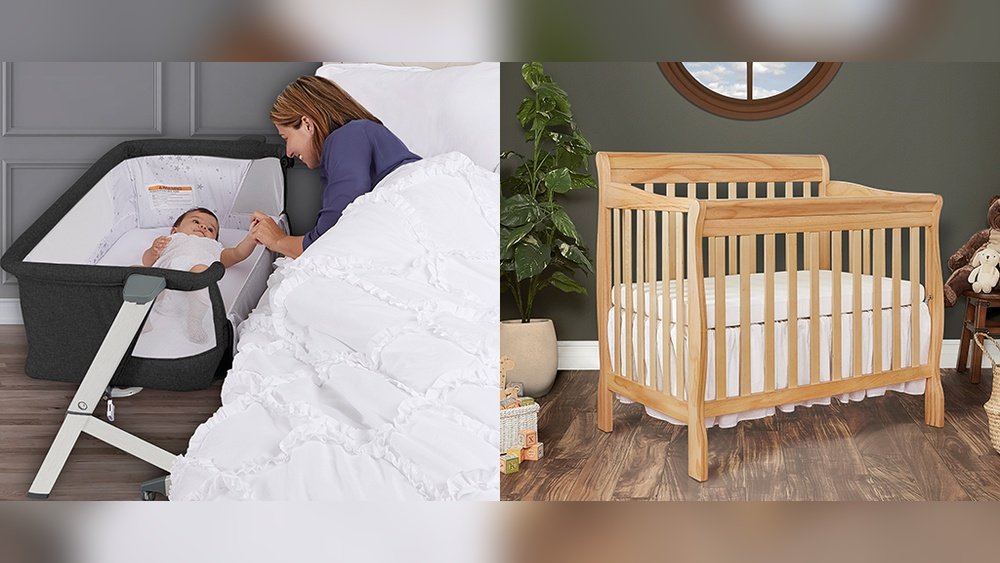
A crib is a small bed made for babies and toddlers. It has tall sides or slats to keep the child safe inside. The structure is sturdy and built from wood or metal. Cribs often have a mattress support that can be adjusted to different heights. This design helps parents place their baby down easily and safely.
Age And Weight Limits
Cribs suit babies from birth up to about two or three years old. The weight limit is usually around 50 pounds. This means the crib can hold a toddler who can sit and stand. After this age or size, children need a bigger bed for comfort and safety.
Safety Features
Cribs follow strict safety rules to protect babies. The slats are close enough to prevent a baby’s head from getting stuck. Many cribs have fixed sides to stop accidental falls. The mattress fits snugly with no gaps to reduce risks. These features make cribs a safe choice for sleeping infants.

Bassinet Basics
A bassinet is smaller and designed for newborns, while a crib is larger and used as babies grow. Bassinets are portable, making them easy to move around the house. Cribs offer more space and last longer for infant sleep.
Compact Design
A bassinet is smaller than a crib. It fits well in small rooms. This design helps parents keep babies close. The cozy space makes babies feel safe. Its size suits newborns perfectly. The compact shape saves room in your home.
Portability
Bassinets are easy to move from room to room. Many models have handles or wheels. Parents can carry babies without waking them. It’s simple to take a bassinet on trips. This portability offers great convenience for parents.
Age And Weight Suitability
Bassinets are made for newborns to about four months old. They usually hold babies up to 15 pounds. After this, babies need a crib. The bassinet supports early growth stages well. It suits infants who cannot yet roll over.
Size And Space Considerations
Choosing between a crib and a bassinet means thinking about size and space. Both have different shapes and footprints. These differences affect where you place them in your home. Understanding these details helps you pick the right option for your space.
Room Requirements
Cribs are larger and need more room. They can take up a big part of a nursery or bedroom. You need enough space around the crib for easy access. Bassinets are smaller and fit in tight spaces. They work well in small rooms or shared spaces. Consider your room size before choosing either one.
Mobility And Placement
Bassinets are light and easy to move. You can place them in the living room or your bedroom. This allows you to keep your baby close during the day and night. Cribs are heavier and stay in one place. They do not move easily once set up. Think about how often you want to move the sleeping area for your baby.

Usage Duration
Understanding the usage duration of a crib and a bassinet helps parents plan better. Both serve different stages of a baby’s growth. Knowing when to use each supports the baby’s comfort and safety.
How Long To Use A Bassinet
A bassinet is best for newborns up to about four months old. It fits small babies perfectly and offers a cozy space. Babies usually outgrow bassinets as they start to move more. Once a baby reaches 15 pounds or can roll over, it is time to stop using a bassinet.
When To Transition To A Crib
Transitioning to a crib happens after the bassinet phase. Cribs are larger and designed for longer use. Babies can sleep safely in a crib until toddler age. Moving to a crib gives babies more space to stretch and explore. Parents should switch before the baby shows signs of climbing or standing.
Cost And Budget Factors
Cost plays a big role in choosing between a crib and a bassinet. Parents often set budgets before buying baby furniture. Knowing price differences helps make smart choices. Both cribs and bassinets come in many styles and prices. Understanding these can save money and reduce stress.
Price Range Comparison
Bassinets usually cost less than cribs. Most bassinets range from $50 to $150. Cribs tend to start around $100 and can go over $500. Some cribs have extra features, raising the price. Bassinets are smaller and simpler, so they cost less. Cribs last longer, which partly explains the higher price.
Value For Money
Cribs offer more use over time. Babies can use cribs for months or years. Bassinets serve mostly for the first few months. Spending more on a crib may save money later. Bassinets are good for short-term use and smaller spaces. Think about how long you need the baby bed. This helps decide the best value for your budget.
Safety Standards And Guidelines
Safety is the top priority for any baby sleep product. Both cribs and bassinets must meet strict safety rules. These rules help protect babies from risks like falls, suffocation, and entrapment. Understanding these guidelines helps parents choose the safest option.
Regulations For Cribs
Cribs must follow federal safety standards in many countries. These standards control the crib’s structure and materials. Slats must be close enough to prevent a baby’s head from getting stuck. The mattress must fit snugly with no gaps. Cribs must not have drop-side rails, which can cause accidents. All parts must be strong and free of sharp edges. Regular safety checks are recommended to ensure the crib stays safe.
Regulations For Bassinets
Bassinets also have clear safety standards to protect babies. They must have a stable base to avoid tipping over. The sides should be firm or made of breathable mesh for air flow. Soft bedding and pillows are not allowed to reduce suffocation risk. Bassinets must support the baby’s weight safely. Parents should check for recalls and certifications before use. Following these rules helps keep babies safe during naps and night sleep.
Practical Tips For Parents
Choosing the right sleep space for your baby can feel tough. Practical tips help parents make clear choices. Knowing the differences between a crib and a bassinet makes a big difference. This guide offers simple advice on picking and caring for each option.
Choosing Between Crib And Bassinet
Think about your baby’s age and size first. Bassinets suit newborns up to about four months. Cribs fit babies from birth to toddler age. Space matters too. Bassinets are smaller and fit well in parents’ bedrooms. Cribs need more room but last longer. Consider your budget. Bassinets are usually less expensive but shorter-term. Cribs cost more but serve your child for years. Safety is key. Check for firm mattresses and sturdy frames in both.
Maintenance And Cleaning
Keep the sleep area clean for your baby’s health. Use washable mattress covers. Wipe bassinet surfaces often with mild soap and water. Crib sheets need frequent washing. Avoid harsh chemicals that can irritate baby’s skin. Check for loose parts or damaged areas regularly. Fix or replace anything unsafe right away. Proper cleaning helps prevent germs and allergies. A clean crib or bassinet supports better sleep for your baby.
Frequently Asked Questions
What Are The Main Differences Between A Crib And A Bassinet?
A crib is larger and used for infants and toddlers, while a bassinet is smaller, designed for newborns. Cribs offer longer use, whereas bassinets are portable and cozy for the first few months.
When Should I Switch From A Bassinet To A Crib?
Switch from a bassinet when your baby can roll over or outgrows its weight limit. Typically, this happens around 3 to 6 months of age for safety reasons.
Are Cribs Safer Than Bassinets For Newborns?
Both cribs and bassinets are safe if used correctly. Bassinets offer a snug space for newborns, while cribs provide more room and stability as babies grow.
Can A Bassinet Replace A Crib For The First Year?
No, bassinets are meant for the first few months only. Babies outgrow them quickly, so a crib is necessary for the first year and beyond.
Conclusion
Choosing between a crib and a bassinet depends on your baby’s needs. Cribs offer more space and last longer. Bassinets are smaller and easier to move around. Both keep your baby safe and comfortable. Think about your home space and how long you need it.
Either choice supports your baby’s sleep well. Trust your instincts and choose what feels right. Your baby will sleep peacefully either way. Simple, safe, and cozy—that’s what matters most.