Are you feeling overwhelmed trying to figure out the best feeding schedule for your newborn? You’re not alone.
Feeding your baby the right way can feel confusing and exhausting, especially when every little detail matters for their growth and your peace of mind. Imagine having a simple, clear plan that fits your baby’s needs and helps you feel confident every step of the way.
You’ll discover exactly what feeding schedule works best for newborns, why timing matters, and how to make feeding times easier for both you and your baby. Keep reading to unlock the secrets to a calm, happy feeding routine that supports your little one’s health and your well-being.
Feeding Basics For Newborns
Feeding a newborn can feel overwhelming at first. Understanding the basics helps parents feel confident. Newborns need frequent feeding to grow strong. Their tiny stomachs fill quickly and need regular refills. Knowing when and how to feed supports healthy development.
Every baby is unique. Their feeding cues and needs may vary. Learning the basics allows parents to respond well. This section covers key points about feeding newborns.
How Often To Feed
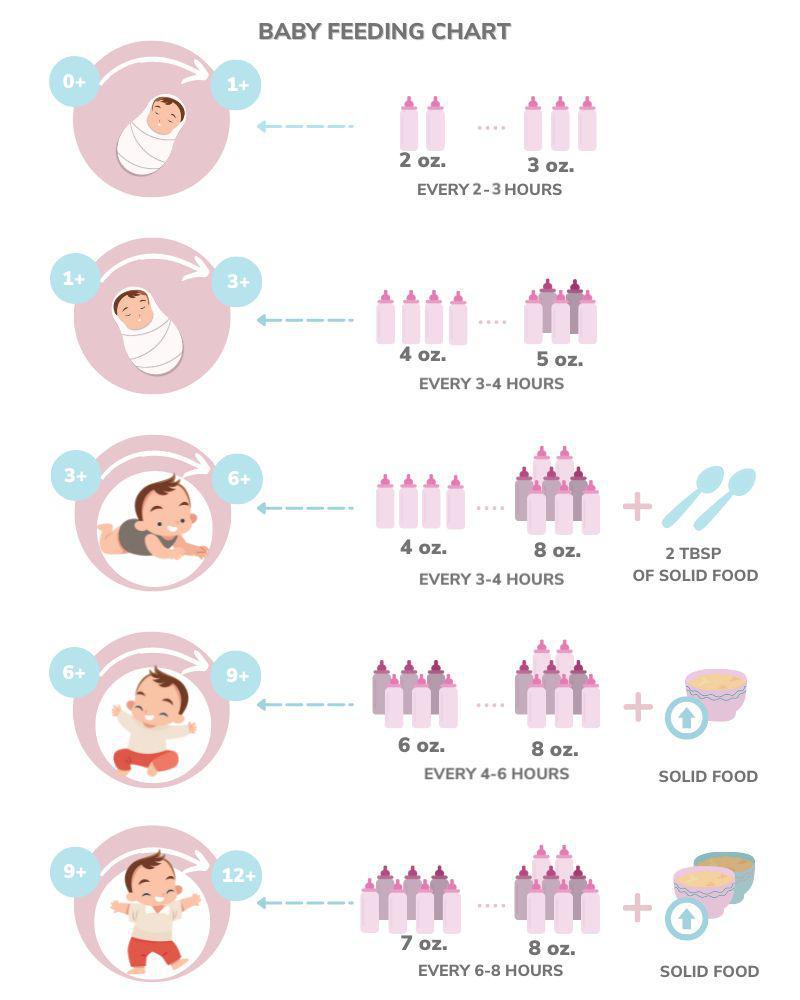
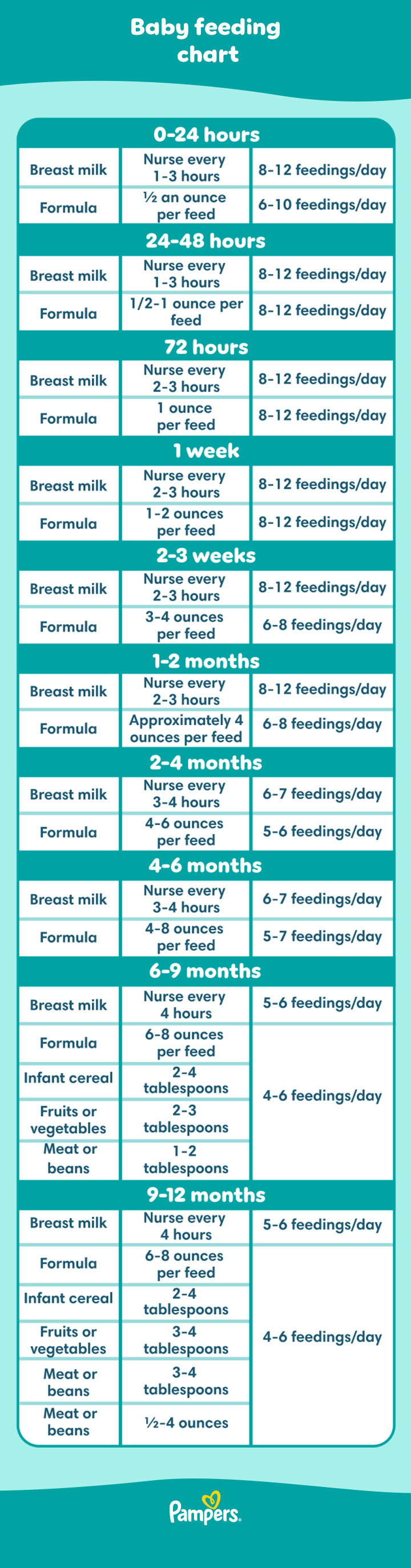
Newborns usually feed every two to three hours. This means about eight to twelve times in 24 hours. Feeding on demand is best. Watch your baby’s hunger signs instead of the clock. Frequent feeding helps maintain milk supply for breastfeeding moms.
Signs Of Hunger
Babies show hunger in many ways. Early signs include lip smacking, rooting, and sucking on hands. Crying is a late hunger sign. Try feeding before your baby gets upset. Calm babies latch better and feed more easily.
Breastfeeding Vs. Bottle Feeding
Breastfeeding provides natural antibodies and bonding time. It may take practice to get a good latch. Bottle feeding allows others to help with feeding. Use breast milk or formula in bottles. Both methods can nourish a newborn well if done correctly.
Creating A Feeding Schedule
Creating a feeding schedule for a newborn helps parents and babies find a good routine. It brings calm and predictability to busy days. Newborns need frequent feeding because their stomachs are very small. Understanding different feeding methods can guide parents to meet their baby’s needs well.
Feeding On Demand Vs. Scheduled Feeding
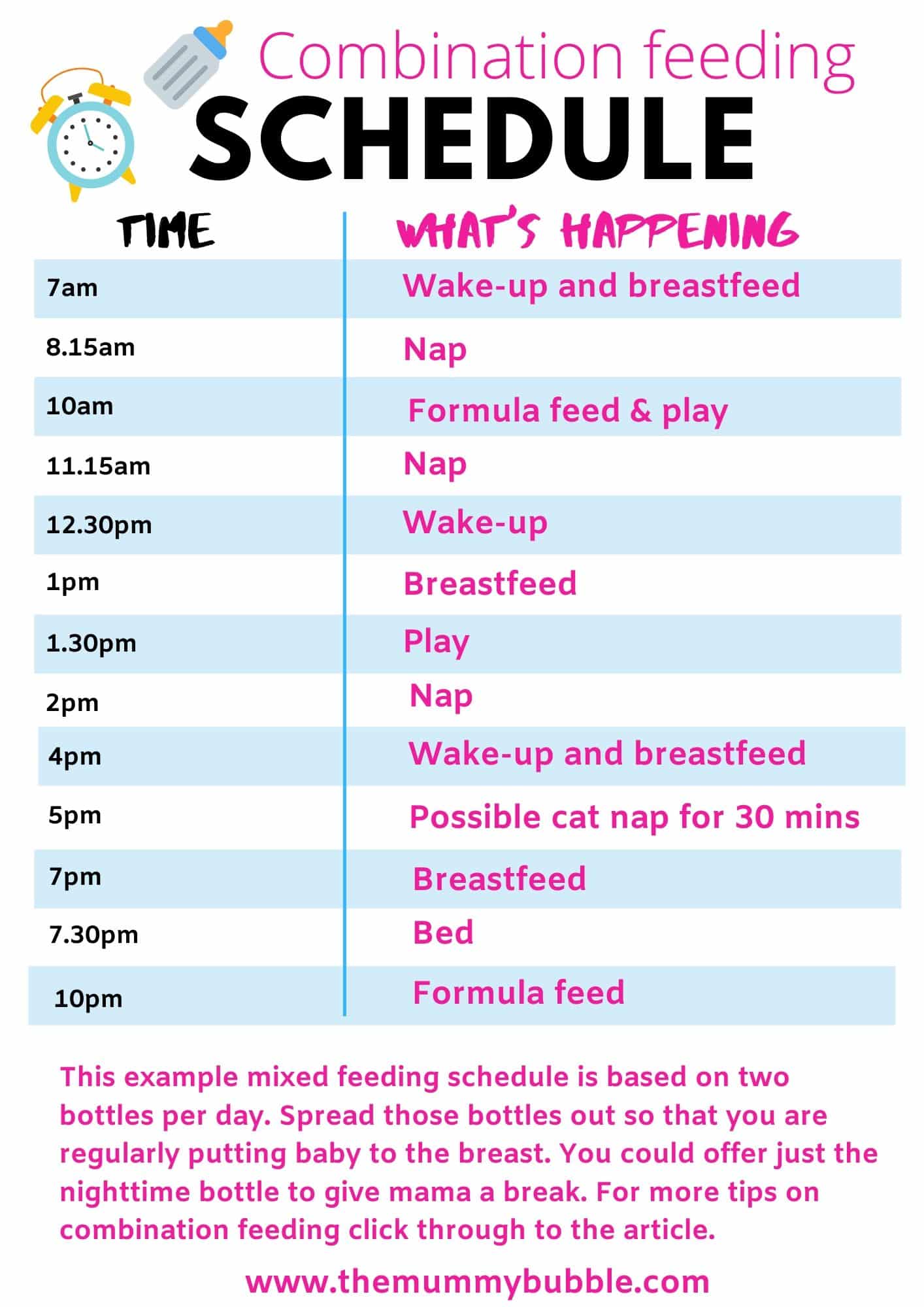
Feeding on demand means feeding the baby when they show hunger signs. Crying, sucking on fingers, or rooting are hunger cues. This method supports the baby’s natural hunger rhythm. Scheduled feeding follows set times, usually every 2 to 3 hours. It helps parents plan their day and ensures regular nutrition. Both methods can work well depending on the baby and family situation.
Typical Feeding Intervals
Newborns usually eat every 2 to 3 hours. This totals 8 to 12 feedings in 24 hours. Each feeding session can last 20 to 45 minutes. Night feedings are common and necessary. Keeping track of feeding times helps notice patterns and baby’s growth. Feeding too much or too little can cause discomfort or slow growth.
Adjusting Schedule As Baby Grows
Babies grow quickly and feeding needs change. Feeding intervals may stretch to every 3 to 4 hours after the first month. The amount of milk per feeding also increases. Watch baby’s weight gain and hunger cues to adjust the schedule. Flexibility is key to match the baby’s changing needs. Parents should remain patient and ready to adapt the feeding plan.
Breastfeeding Tips
Breastfeeding is a natural way to feed your newborn. It builds a strong bond and provides essential nutrients. Many new mothers find it challenging at first. Simple tips can make breastfeeding easier and more comfortable. Understanding proper techniques and care helps both mother and baby thrive.
Latching Techniques
A good latch is key for effective breastfeeding. Position your baby with their nose near your nipple. Wait for your baby to open their mouth wide. Bring your baby close, aiming their lower lip to cover more of the areola. A deep latch feels comfortable and prevents pain. Watch for rhythmic sucking and swallowing sounds. If you feel pain, gently break the latch and try again.
Maintaining Milk Supply
Feed your baby often to keep milk flowing. Breastfeed at least 8 to 12 times a day. Empty one breast before switching to the other. Drink plenty of water to stay hydrated. Rest when you can to support your body. Avoid long breaks between feeds to prevent milk supply drop. Pumping after feeding can also help increase milk production.
Common Breastfeeding Challenges
Soreness and cracked nipples are common at the start. Use warm compresses and nipple creams to soothe pain. Engorgement happens when breasts are too full. Try feeding more often or expressing milk. Some babies may have trouble latching or sucking. Seek help from a lactation consultant for guidance. Mastitis causes breast pain, swelling, and fever. Consult a doctor if you suspect infection.
Bottle Feeding Guidelines
Bottle feeding a newborn can feel tricky at first. Following clear guidelines helps make feeding safe and comfortable. Proper bottle feeding supports your baby’s growth and keeps them happy.
Knowing how to choose formula, prepare it, and hold your baby during feeding is key. Each step matters for your little one’s health and comfort.
Choosing The Right Formula
Select a formula that matches your baby’s needs. Most babies do well with cow’s milk-based formulas. Some need special formulas for allergies or digestion issues.
Consult your pediatrician to pick the best option. Always check the expiration date on the formula package.
Preparing And Storing Formula
Wash your hands before making the bottle. Use clean, sterilized bottles and nipples each time. Follow package instructions carefully for mixing formula and water.
Use safe, clean water. Store prepared bottles in the fridge and use within 24 hours. Never reuse leftover formula from a feeding.
Bottle Feeding Positions
Hold your baby in a semi-upright position. Support their head so they can swallow easily. Keep the bottle tilted to fill the nipple with formula, not air.
Never feed your baby lying flat. Pause often to burp your baby and prevent gas. Watch your baby’s cues to know when they are full.
Nighttime Feeding Strategies
Nighttime feeding is a key part of caring for a newborn. Babies need food often, even during the night. This helps them grow strong and stay healthy. Parents often worry about how to handle these feedings. Good strategies make night feedings easier for both baby and parents.
Managing Night Feedings
Feed your baby in a calm and quiet place. Keep lights dim to avoid waking them too much. Use a soft voice or gentle touch to soothe your baby. Try to make feedings short and focused on eating. This helps the baby learn to sleep better after feeding. Keep necessary items close to avoid extra movement. Consistency in routine helps the baby feel safe and secure.
Safe Sleeping Practices
Always place your baby on their back to sleep. Use a firm mattress without pillows or soft toys. Keep the crib clear to reduce risks. Avoid overheating by dressing the baby in light clothes. Room-sharing without bed-sharing is best. Follow these steps to keep your baby safe at night.
When To Start Night Weaning
Most babies start eating less at night around six months. Watch for signs like sleeping longer stretches. Talk to your doctor before stopping night feedings. Gradually reduce feeding time or amount. This helps your baby adjust without stress. Night weaning varies, so be patient and gentle.
Monitoring Baby’s Growth And Health
Monitoring a newborn’s growth and health is crucial for their well-being. Feeding schedules help guide parents, but watching how your baby grows is just as important. Small changes in weight, feeding habits, or behavior can tell a lot about your baby’s health. Careful observation ensures they get the right nutrition at the right time.
Tracking Weight Gain
Regular weight checks show if your baby is growing well. Babies should gain about 5 to 7 ounces per week after the first month. Use a reliable scale or visit your pediatrician for accurate measurements. Keep a record of the weight to spot any trends or sudden drops. Consistent weight gain means your feeding schedule is working.
Recognizing Feeding Issues
Look for signs like fussiness, vomiting, or refusal to eat. These may suggest feeding problems or discomfort. Watch for changes in bowel movements or unusual sleep patterns. Sometimes, babies feed too quickly or too slowly, which can affect digestion. Early detection of issues helps prevent bigger problems later.
When To Consult A Pediatrician
Contact your pediatrician if your baby is not gaining weight or feeding well. Also, seek help if your baby seems weak, lethargic, or overly sleepy. Persistent vomiting or diarrhea requires medical attention. Trust your instincts and ask questions during check-ups. Early advice supports your baby’s healthy growth and feeding success.
Common Feeding Challenges
Feeding a newborn is full of surprises. Many parents face common challenges during feeding times. These issues can make feeding stressful for both baby and parents. Understanding these challenges helps in managing them better. Here are some common feeding problems and ways to handle them.
Dealing With Colic
Colic causes a baby to cry for long hours. It often happens after feeding. Babies with colic may pull their legs up or clench their fists. To ease colic, try gentle rocking or swaddling. Feeding in a calm, quiet place can help too. Burp your baby often during feeding to reduce gas.
Handling Reflux
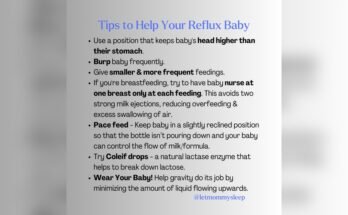
Reflux happens when stomach milk comes back up. It can make babies fussy and uncomfortable. Feeding smaller amounts more often can reduce reflux. Keep your baby upright for at least 30 minutes after feeding. Avoid tight diapers or clothes around the belly. Always talk to a doctor if reflux seems severe.
Overcoming Feeding Refusal
Some babies may refuse to feed at times. This can worry parents a lot. Try feeding in a quiet spot without distractions. Offer the breast or bottle gently without force. Sometimes, a slight break before feeding helps. Check if your baby is teething or feeling unwell. Patience and calmness are key during these moments.
Frequently Asked Questions
How Often Should A Newborn Be Fed Daily?
Newborns typically feed every 2 to 3 hours. This means about 8 to 12 times daily. Feeding on demand helps ensure they get enough nutrition. Watch for hunger cues like sucking or fussiness.
When To Switch From Breastfeeding To Bottle Feeding?
Switching depends on mother and baby’s comfort and health. Many introduce bottles around 4 to 6 weeks. Consult a pediatrician for personalized advice to ensure proper nutrition and transition.
How Much Milk Does A Newborn Need Per Feeding?
Newborns usually consume 1. 5 to 3 ounces per feeding. This amount gradually increases as they grow. Feeding on demand helps meet their changing needs naturally.
What Is The Best Feeding Schedule For Newborn Sleep?
Feeding right before sleep can soothe newborns. However, newborns need regular feedings every 2-3 hours. A consistent routine supports better sleep patterns over time.
Conclusion
Finding the best feeding schedule helps your newborn grow strong. Babies need regular feeding for health and comfort. Watch your baby’s hunger signs and feed on time. Each baby is different; stay flexible and patient. Keep track of feeding times and amounts daily.
Trust your instincts and ask for help if unsure. A good feeding routine brings peace to both baby and parents. Your care makes all the difference in your baby’s start.