If you’re a new parent, you might have noticed your newborn wanting to feed more often than usual. This can feel overwhelming and confusing.
What is cluster feeding, and why does your baby do it? Understanding cluster feeding can help you feel more confident and calm during these intense feeding times. You’ll discover what cluster feeding really means, why your baby needs it, and how you can handle it without stress.
Keep reading to get the answers you’re looking for and make feeding time easier for both you and your little one.
Signs Of Cluster Feeding
Cluster feeding is common in newborns and can feel overwhelming. It happens when babies feed more often than usual in short periods. Understanding the signs helps parents know what to expect and how to respond.
Frequency And Duration
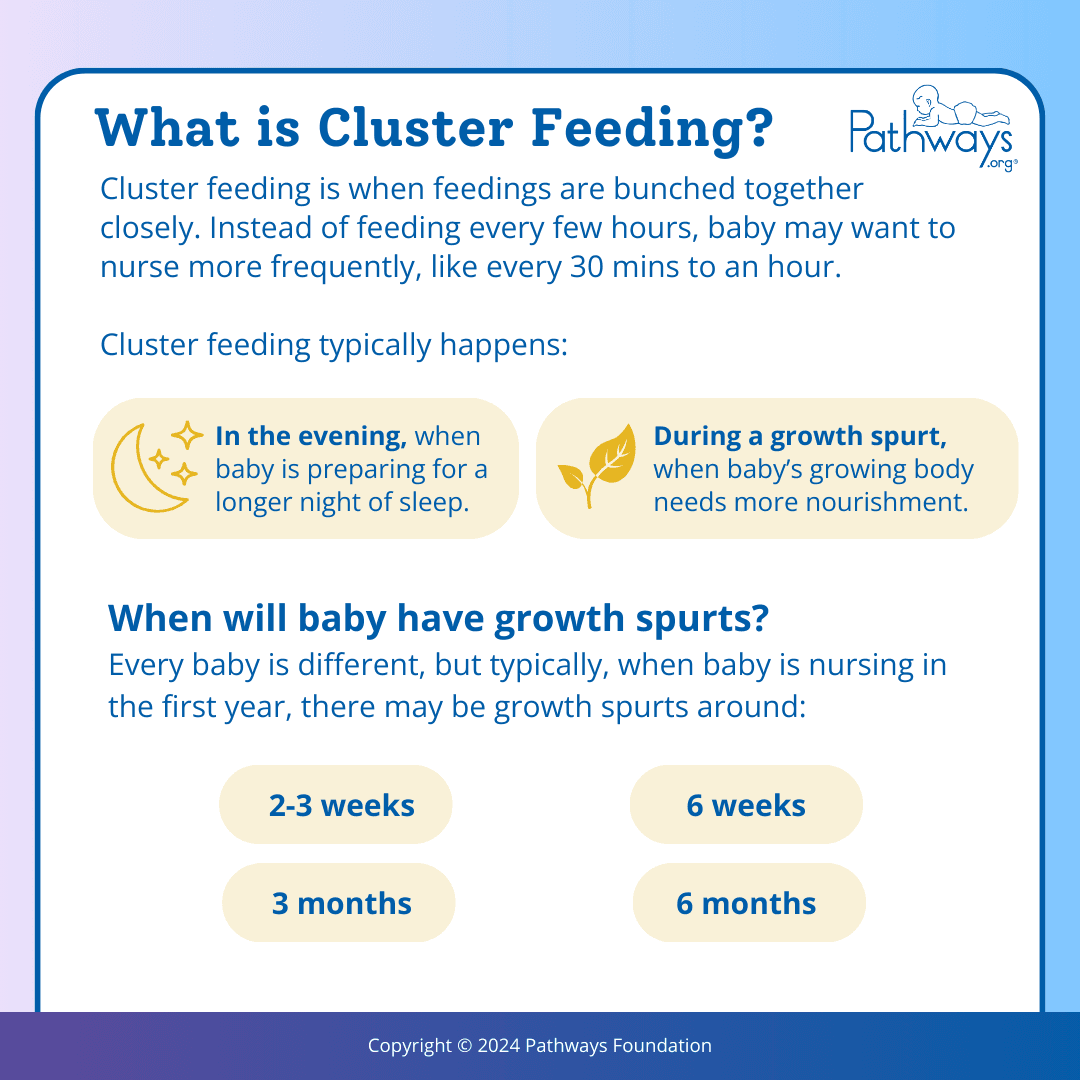
Babies may want to feed every 30 minutes to an hour. These feeding sessions can last longer than normal. Cluster feeding usually happens in the late afternoon or evening. The frequent feeding helps boost milk supply and calm the baby.
Baby’s Behavior
During cluster feeding, babies can seem fussier than usual. They may seem hungry or restless. Babies often want to suck for comfort, not just nutrition. Watch for signs like rooting or sucking on hands.
Feeding Patterns
Feeding is not spaced evenly during cluster periods. Babies feed in bursts, then take short breaks. The pattern repeats several times in a few hours. This behavior helps babies get enough milk and feel secure.
Reasons Behind Cluster Feeding
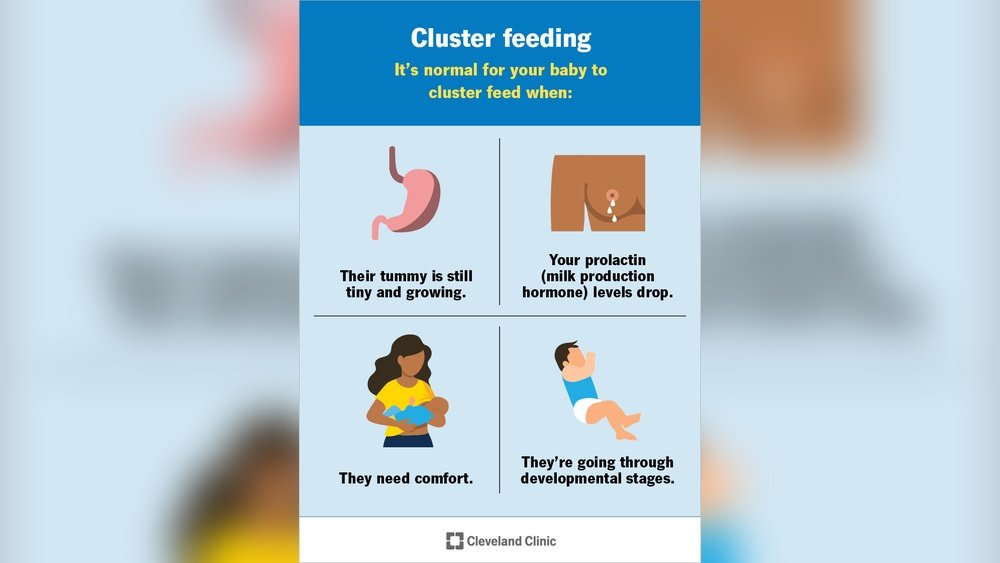
Cluster feeding is a common behavior in newborns where they feed more often in short periods. Understanding why babies cluster feed helps parents respond with patience and care. This feeding pattern serves important purposes for the baby’s growth and comfort. It also helps manage milk supply for breastfeeding mothers.
Growth Spurts
Babies go through rapid growth phases called growth spurts. During these times, they need extra nutrition to support their development. Cluster feeding helps meet this increased demand. Babies feed more often to get enough calories and nutrients. This is a natural way to fuel their fast growth.
Comfort And Bonding
Feeding is not just about hunger. Babies also seek comfort and closeness through nursing. Cluster feeding gives them a chance to feel safe and connected. It soothes fussy or tired babies by providing warmth and touch. This bonding time strengthens the parent-child relationship.
Milk Supply Regulation
Frequent nursing during cluster feeding helps mothers produce more milk. A baby’s sucking signals the body to increase milk production. This ensures that the supply matches the baby’s growing needs. Cluster feeding supports a healthy milk supply and successful breastfeeding.
How Cluster Feeding Affects Parents
Cluster feeding can be a tough time for parents. It means feeding the baby many times in a short period. This can change daily routines and affect parents in different ways. Understanding these effects helps parents prepare and cope better during this phase.
Physical Demands
Cluster feeding often means long hours of holding the baby. Parents may feel tired from constant feeding sessions. It can cause sore nipples and back pain. The body needs extra energy to keep up with frequent feeds. Rest becomes hard to find during these busy times.
Emotional Impact
Parents may feel stressed or overwhelmed during cluster feeding. The baby’s need to feed often can cause frustration. Doubts about milk supply or feeding ability may arise. It can lead to feelings of guilt or anxiety. Support and understanding are important to stay positive.
Sleep Disruption
Cluster feeding often happens in the evening or at night. This leads to many wake-ups and less sleep for parents. Lack of sleep affects mood and energy levels. It can make daily tasks harder to manage. Taking turns and resting when possible helps reduce tiredness.
Tips To Manage Cluster Feeding
Cluster feeding can feel tiring for new parents. Babies want to feed often in short times. This can make parents feel drained or stressed. Managing cluster feeding helps keep both baby and parent calm. Simple tips make feeding times easier and more pleasant.
Staying Hydrated And Nourished
Feedings need energy. Drink plenty of water during the day. Eat small, healthy snacks often. Nutritious foods help keep milk supply steady. Avoid skipping meals to stay strong. Your body works hard during cluster feeding phases.
Creating A Comfortable Feeding Environment
Find a quiet, cozy spot for feeding. Use soft pillows to support your arms. Dim the lights to help you relax. Keep a blanket nearby for warmth. Calm surroundings help baby focus on feeding. Comfort lowers stress for both you and baby.
Seeking Support
Ask family or friends for help. Talk to other parents who have cluster fed. Join local or online support groups. Share your feelings and learn from others. Sometimes a short break helps recharge your energy. Support makes cluster feeding more manageable and less lonely.
When To Seek Medical Advice
Cluster feeding is normal for many newborns, but some signs need medical attention. Knowing when to seek help protects your baby’s health. Trust your instincts and watch for unusual changes.
Signs Of Feeding Problems
Watch if your baby has trouble latching or sucking. Refusing to feed or falling asleep quickly during feeding can be a sign. Crying a lot after feeding or showing discomfort also matters. These signs may indicate feeding problems needing medical advice.
Concerns About Weight Gain
Newborns should steadily gain weight after the first few days. If your baby loses too much weight or does not gain at all, contact a doctor. Weight loss might mean the baby is not getting enough milk. Regular weight checks help track progress.
Maternal Health Issues
Mothers also need to watch their health during feeding times. Painful breasts, fever, or signs of infection require medical care. Extreme tiredness or feeling unwell can affect feeding. Taking care of yourself helps your baby stay healthy.

Breastfeeding Vs Bottle Feeding During Cluster Feeding
Cluster feeding means a baby feeds very often in a short time. This can be tiring for parents. Breastfeeding and bottle feeding both have unique challenges during cluster feeding. Understanding these differences helps parents manage feeding better.
Adjusting Feeding Schedules
Breastfed babies may want to nurse more often during cluster feeding. This helps increase milk supply naturally. Bottle-fed babies can have set feeding times but may still want extra feeds. Parents might need to offer smaller, more frequent bottles. Flexibility is key to meet the baby’s needs.
Supplementing Milk
Some mothers worry about milk supply during cluster feeding. Breastfeeding allows the baby to stimulate milk production by nursing often. Bottle feeding lets parents track exact milk intake easily. Sometimes, supplementing with expressed breast milk or formula helps. This supports the baby’s hunger and growth.
Maintaining Milk Supply
Frequent breastfeeding boosts milk production. Cluster feeding sessions send signals to produce more milk. Bottle feeding does not stimulate milk supply in the same way. Mothers who pump regularly can maintain supply better. Consistent feeding or pumping is important during cluster feeding phases.

Frequently Asked Questions
What Is Cluster Feeding In Newborns?
Cluster feeding is when a baby feeds more frequently than usual in short periods. It helps increase milk supply and comfort the baby. This behavior is common in newborns and usually occurs during growth spurts.
Why Do Newborns Cluster Feed Frequently?
Newborns cluster feed to boost milk intake and promote growth. It also soothes them and helps regulate their sleep patterns. This feeding pattern supports both the baby’s nutritional needs and emotional comfort.
How Long Does Cluster Feeding Last In Newborns?
Cluster feeding typically lasts from a few days up to two weeks. It usually happens during growth spurts, especially in the first few months. The frequency and duration decrease as the baby grows older.
Is Cluster Feeding Normal For Breastfed Babies?
Yes, cluster feeding is very common among breastfed babies. It helps increase the mother’s milk supply and meets the baby’s growing hunger. It is a natural and healthy feeding behavior in breastfeeding.
Conclusion
Cluster feeding is a normal part of newborn growth. Babies feed more often to get extra milk and comfort. It can feel tiring, but it helps your baby grow strong. Keep calm and offer the breast or bottle when your baby wants.
Remember, this phase does not last long. Soon, your baby will feed less often and sleep better. Trust your instincts and enjoy these special bonding moments. Every parent goes through this, and you are not alone. Patience and love make a big difference during cluster feeding times.