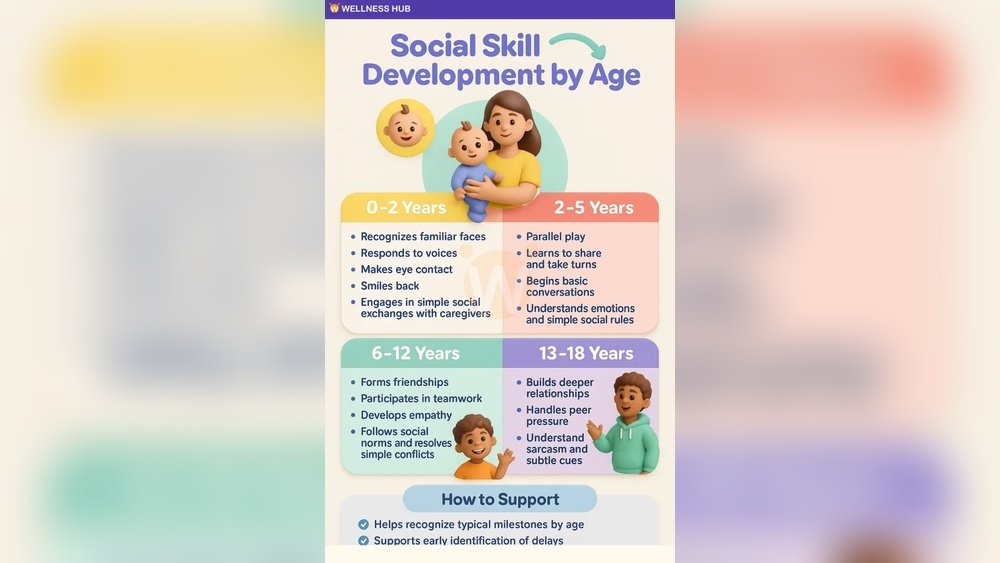
Have you ever wondered what your newborn baby is trying to tell you? Understanding your baby’s social cues can feel like decoding a secret language.
These small signals are your baby’s way of connecting with you and the world around them. When you learn to recognize these cues, you’ll respond better to your baby’s needs and build a stronger bond. Keep reading to discover the most common newborn social cues and how you can tune into your baby’s unique way of communicating.
This knowledge will make those early days less confusing and more rewarding for both of you.

Eye Contact
Eye contact is one of the first ways newborns communicate with their caregivers. It helps build a bond and shows early social awareness. Babies use their eyes to share feelings and notice their surroundings. Understanding newborn eye contact can improve how parents respond to their child’s needs.
Recognizing Focused Gazes
Newborns often stare at faces or bright objects with focused eyes. This gaze shows they are curious and trying to understand the world. A steady look at a parent’s face means the baby is paying attention. This focused gaze is a key social cue that helps parents connect with their newborn.
Signs Of Engagement
Babies show engagement by holding eye contact for a few seconds. They may blink slowly or look away to process information. Smiling or cooing while making eye contact signals happiness and interest. These signs help caregivers know their baby feels safe and connected.
Facial Expressions
Newborns communicate a lot through their faces. Their facial expressions are key signs of how they feel. Parents and caregivers can learn a lot by watching these small movements. Recognizing these expressions helps respond better to a baby’s needs. It also builds a stronger bond between the baby and adults. Facial cues are often the first way babies show their emotions.
Smiles And Their Meanings
Smiles are one of the most joyful newborn expressions. Early smiles may start as reflexes without real emotion. Around six to eight weeks, babies smile to show happiness. These social smiles mean the baby feels safe and comfortable. Smiles can also be a way to get attention. Parents often smile back, encouraging more positive feelings.
Frowns And Distress Signals
Frowns often signal discomfort or confusion. A baby may frown when hungry or tired. Sometimes, frowning shows they feel pain or need a change. These expressions help adults notice problems quickly. Crying often follows a frown as the baby tries to communicate. Watching for frowns helps caregivers act before the baby gets upset.
Vocalizations
Newborns communicate a lot through their voices. Vocal sounds help parents understand their needs and feelings. Listening closely to these sounds builds a strong bond. Vocalizations are a key part of early social interaction. Babies use different sounds to express comfort, discomfort, or curiosity.
Cooing And Babbling
Cooing starts around six to eight weeks old. These are soft, vowel-like sounds such as “oo” and “ah.” Cooing shows the baby is happy and relaxed. It invites parents to talk back and engage with the baby. Babbling comes next, usually around four months. It includes repeated consonant-vowel sounds like “ba” and “da.” Babbling is an important step toward speaking words. It shows the baby is learning how to use their voice.
Crying Patterns And Causes
Crying is the first way newborns show their needs. Different cries mean different things. Hunger cries are usually rhythmic and strong. Tired cries tend to be softer and more whiny. Pain cries are loud and sharp, grabbing attention fast. Parents learn to recognize these cries over time. Responding quickly helps the baby feel safe and cared for. Understanding crying patterns reduces stress for both baby and parent.
Body Movements
Newborns use body movements to share how they feel. These small gestures help parents understand their needs and moods. Watching these movements closely builds a strong bond.
Reaching And Grasping
Babies often reach out to touch things or people. This action shows curiosity and interest. Grasping is a natural reflex that helps babies explore their world. Parents can encourage this by offering safe objects for the baby to hold. These movements signal the baby’s desire to connect and learn.
Tense Vs. Relaxed Postures
Tense body postures can mean discomfort or stress. Babies may stiffen their arms or legs when upset. Relaxed postures usually mean the baby feels safe and calm. A loose, soft body shows contentment and peace. Noticing these differences helps parents respond better to their newborn’s needs.
Gestures
Newborns communicate a lot through gestures. These small movements show their feelings and needs. Parents can learn a lot by watching these signs closely. Gestures help build a strong bond between babies and caregivers. They are simple ways babies express themselves before they learn to talk.
Hand Waves And Kicks
Babies often wave their hands or kick their legs. These actions show excitement or a desire to move. Sometimes, a wave means the baby wants attention. Kicks might show happiness or energy. These gestures are natural and part of early development. Parents can smile or talk to encourage these movements.
Head Turning And Rooting Reflex
Newborns turn their heads toward sounds or touches. This shows they are alert and aware. The rooting reflex happens when babies turn their heads to find a nipple for feeding. It is a vital sign of their readiness to eat. These gestures help babies connect with their world and caregivers.
Sleep Cues
Newborns use many small signals to show they are ready to sleep. Parents can learn these signs to help their baby rest better. Sleep cues help avoid overtiredness and fussiness. Watching for these signs can make bedtime easier for both baby and parent.
Yawning And Eye Rubbing
Yawning is one of the earliest signs a baby is tired. Babies often rub their eyes or face after yawning. These actions mean their body wants to rest. Spotting yawns and eye rubbing helps parents prepare for sleep time. These simple signs tell you the baby is winding down.
Fussiness Before Sleep
Many babies become fussy before falling asleep. Fussiness can include crying, squirming, or turning their head away. This behavior shows the baby is feeling tired but may need help to relax. Responding calmly to fussiness can soothe the baby. Recognizing fussiness early stops the baby from becoming overtired.
Responding To Social Cues
Responding to a newborn’s social cues helps parents connect deeply with their baby. Babies use simple signals like eye contact, facial expressions, and sounds to communicate feelings and needs. Understanding these cues guides parents to react in ways that comfort and encourage their little one. This response builds trust and supports the baby’s emotional growth.
How Parents Can React
Parents should watch for their baby’s signals carefully. Smiles and coos invite a gentle reply. Responding with a soft voice or a smile tells the baby they are noticed. If the baby looks away or cries, parents can offer quiet comfort or a break. Reacting quickly to these signs helps the baby feel safe and loved.
Building Early Bonding
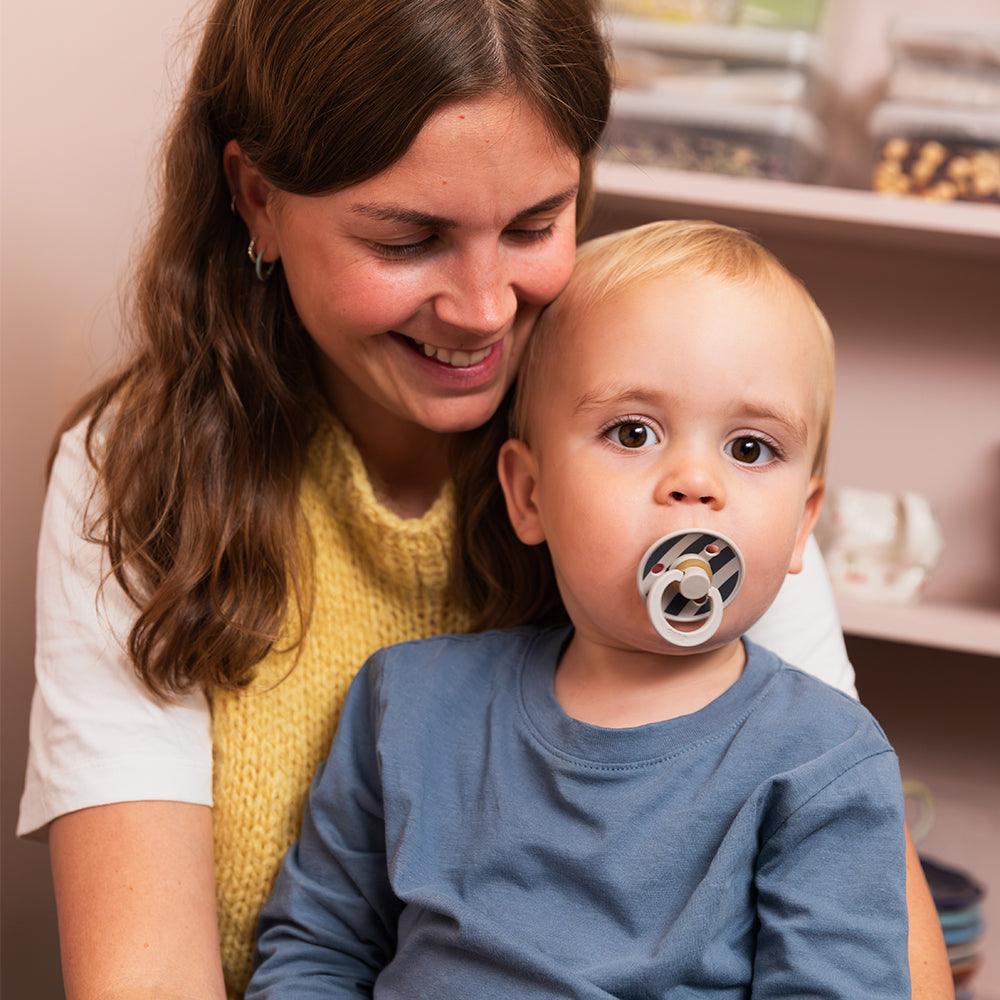
Early bonding grows stronger through shared moments of attention and care. Holding the baby close and talking calmly supports this bond. Parents who mirror their baby’s expressions show that they understand feelings. This simple act makes the baby feel secure. Strong bonds help babies develop healthy social skills later.
Frequently Asked Questions
What Are Typical Newborn Social Cues?
Newborns show social cues like eye contact, smiling, and cooing. These signals express comfort, interest, and bonding needs. Recognizing these helps parents respond and build a strong connection.
How Do Newborns Use Eye Contact Socially?
Newborns use eye contact to connect and communicate. They often gaze at faces to learn and engage. This helps with emotional bonding and early social development.
Why Do Newborns Smile Socially?
Newborn social smiles indicate happiness and comfort. These smiles encourage interaction and emotional bonding with caregivers. It’s an early form of nonverbal communication.
How Can Parents Respond To Newborn Social Cues?
Parents should watch for cues like crying, smiling, or gaze shifts. Responding promptly with soothing or interaction builds trust and emotional security. This supports healthy social growth.
Conclusion
Newborns use simple signals to share feelings and needs. Parents can watch for eye contact, smiles, and sounds. These signs help build a strong bond. Understanding these cues makes caring easier and more joyful. Babies feel safe when adults respond kindly.
Every small gesture matters in early growth. Keep observing and learning with patience. This helps create a loving, happy environment. Enjoy these early moments—they pass quickly but leave lasting memories.


