Welcoming a newborn into your life is full of joy—and challenges. One of the most important skills you can learn is how to swaddle your baby properly.
Swaddling helps your little one feel safe, calm, and sleep better. But getting it right can be tricky. If you’re wondering how to wrap your baby snugly without causing discomfort, this guide is for you. Keep reading to discover simple, effective swaddling techniques that will make both you and your baby feel more relaxed and confident.
Benefits Of Swaddling
Swaddling is a simple way to wrap a newborn snugly in a cloth. It helps babies feel safe and calm. Many parents use swaddling for its soothing effects. This technique also supports better sleep and reduces sudden movements. Understanding these benefits can help caregivers care for their newborns with confidence.
Soothing Newborns
Swaddling comforts babies by mimicking the womb’s tight space. The gentle pressure helps calm their nervous system. This calmness reduces crying and fussiness. Swaddling creates a sense of security that babies crave. It can quickly settle a restless newborn.
Improved Sleep Patterns
Swaddled babies often fall asleep faster. The snug wrap prevents arms and legs from flailing. This limits disturbances during sleep. Babies enjoy longer and deeper sleep cycles. Better sleep helps their brain and body develop well.
Reducing Startle Reflex
The startle reflex causes sudden jerks that wake babies up. Swaddling holds the baby’s arms close to the body. This reduces the reflex’s impact and lessens waking up. Babies feel more relaxed and sleep soundly. It also helps them adjust to the outside world gently.
Choosing The Right Swaddle
Choosing the right swaddle is important for your newborn’s comfort and safety. The right swaddle helps your baby sleep better and feel secure. It also makes swaddling easier for parents. Consider fabric, design, and size to find the best swaddle for your baby.
Fabric Types
Soft and breathable fabrics keep your baby cozy. Cotton is gentle on the skin and allows air flow. Muslin is lightweight and perfect for warmer weather. Some swaddles use bamboo fabric, which is soft and moisture-wicking. Avoid rough or thick fabrics that may cause overheating.
Swaddle Designs
Swaddle blankets come in different styles. Traditional wraps require manual folding and tucking. Velcro or zipper swaddles offer quick and secure fastening. Some designs have wings for easier arm positioning. Choose a design that suits your comfort and your baby’s needs.
Size Considerations
Swaddles come in various sizes. A swaddle too big may be unsafe and cause loose fabric. Too small swaddles can be tight and uncomfortable. Measure your baby or check weight guidelines before buying. A well-fitting swaddle supports safe and snug wrapping.
Basic Swaddling Steps
Swaddling helps newborns feel safe and calm. It mimics the snugness of the womb. Proper swaddling also keeps babies warm and secure. Following basic steps ensures comfort and safety. These steps are simple and easy to learn.
Preparing The Blanket
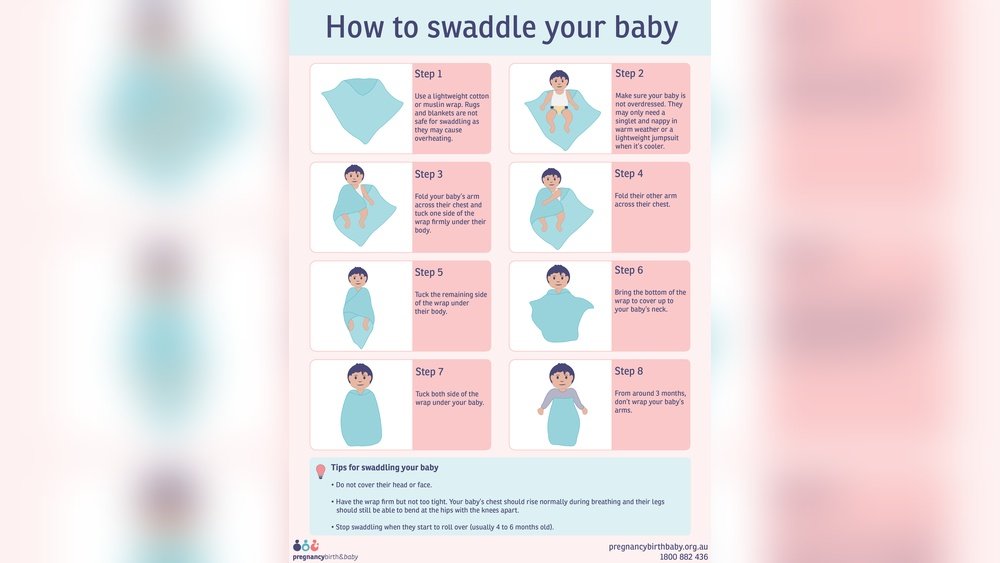
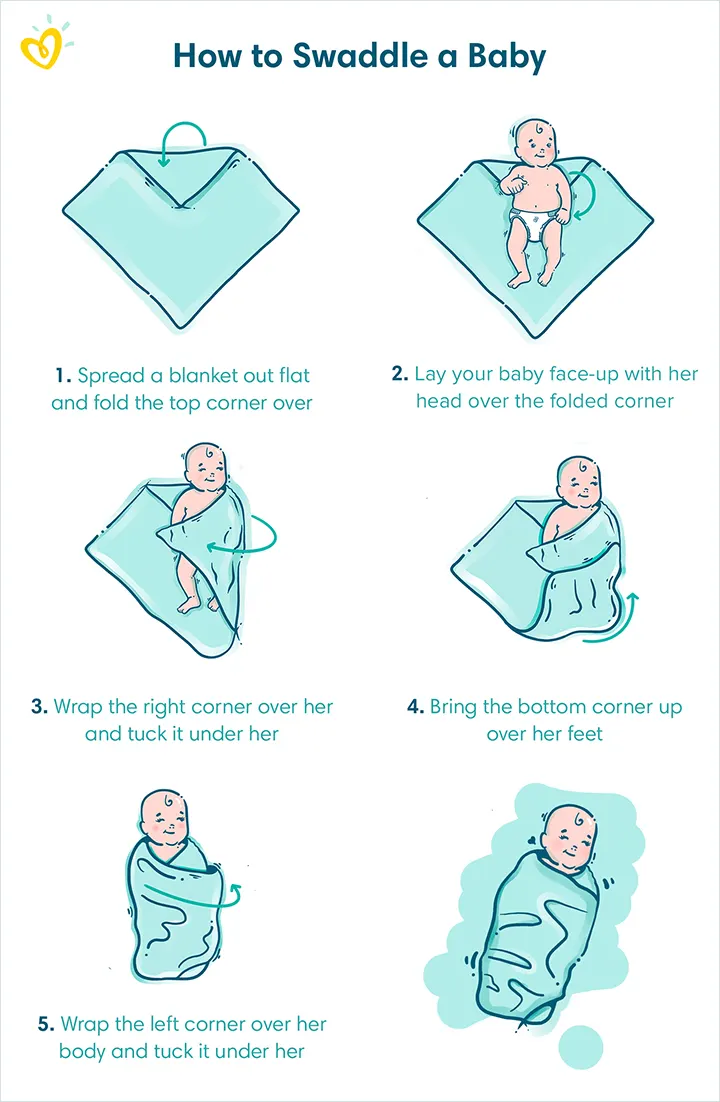
Choose a lightweight, breathable blanket. Lay it flat in a diamond shape. Fold the top corner down about six inches. This creates a straight edge for the baby’s head. Make sure the blanket is clean and soft.
Positioning The Baby
Place the baby on their back. Lay them with their shoulders just below the folded edge. Keep the baby’s head free from the blanket. Arms can be placed inside or outside the wrap. Ensure the baby’s hips have room to move.
Securing The Wrap
Take one side of the blanket and bring it across the baby’s chest. Tuck it snugly under the opposite side. Fold the bottom of the blanket up over the baby’s feet. Wrap the other side of the blanket around the baby. Secure it tightly but not too tight. The baby should still breathe easily and move legs slightly.
Popular Swaddling Techniques
Swaddling helps newborns feel safe and calm. Many parents use different ways to swaddle their babies. Each method offers comfort and security. Choosing the right swaddle technique can soothe your baby quickly. Below are some popular swaddling techniques that many parents trust.
Traditional Blanket Wrap
This classic method uses a square blanket. Lay the blanket flat and fold one corner down. Place the baby on their back with shoulders just below the fold. Wrap one side snugly around the baby and tuck it under. Fold the bottom up, then wrap the other side. Make sure the baby’s hips can move freely.
The Burrito Method
The burrito method is quick and tight. Use a soft, lightweight blanket. Lay it flat and fold one corner down. Place the baby on the blanket, shoulders just below the fold. Wrap the left side over the baby’s arm and chest. Fold the bottom up over the feet. Wrap the right side tightly and tuck it in.
Using Swaddle Sacks
Swaddle sacks are easy and safe. They are like wearable blankets with zippers or Velcro. Just place your baby inside the sack. Close the fasteners to keep the baby snug. These sacks allow more freedom for hip movement. They reduce the risk of loose blankets in the crib.
Safety Tips For Swaddling
Swaddling helps newborns feel secure and sleep better. Safety matters most during this process. Follow key tips to keep your baby safe and cozy.
Avoiding Overheating
Use lightweight blankets for swaddling. Thick fabrics can cause your baby to overheat. Dress your baby in light clothes under the swaddle. Check the room temperature to keep it comfortable. Signs of overheating include sweating and flushed skin. Always feel your baby’s neck to check warmth.
Ensuring Hip Safety
Swaddle loosely around the hips and legs. Tight swaddling can cause hip problems. Let your baby’s legs bend and move freely. Use proper swaddling techniques that support healthy hip development. Avoid wrapping too tightly around the lower body.
Monitoring Baby’s Comfort
Watch your baby’s reactions during swaddling. Unusual fussiness may mean discomfort. Adjust the swaddle to allow easy breathing and movement. Stop swaddling if your baby tries to roll over. Always place your baby on their back to sleep.
When To Stop Swaddling
Swaddling soothes newborns by keeping them snug and secure. Babies often sleep better wrapped up tight. But swaddling is not a forever practice. Knowing when to stop swaddling keeps babies safe as they grow.
Babies develop new skills quickly. At some point, swaddling may limit their movement. It can also raise safety concerns once babies start to roll over or push up. Watching for signs that your baby is ready to stop swaddling helps make this change smooth.
Signs Baby Is Ready
Babies usually show clear signs before stopping swaddling. Rolling over is a big signal. If your baby tries to roll from back to tummy, swaddling can be dangerous. Increased movement in arms and legs is another sign. Babies may start pushing against the swaddle or breaking free. Fussiness during swaddled sleep also means they want more freedom.
Transitioning Out Of Swaddling
Stop swaddling slowly to help your baby adjust. Try swaddling with one arm out first. This lets the baby move a little more but still feel secure. Then switch to both arms out before stopping swaddling completely. Keep bedtime routines calm and consistent. This helps your baby feel safe without the swaddle.
Alternatives To Swaddling
Once swaddling ends, use other sleep aids. Sleep sacks are a good option. They keep babies warm without restricting movement. Lightweight blankets can also provide comfort. Make sure blankets are safe and do not cover the face. Gentle rocking or soft lullabies can soothe babies instead of swaddling.
Common Mistakes To Avoid
Swaddling a newborn helps them feel safe and calm. But mistakes during swaddling can cause discomfort or danger. Avoiding common errors keeps your baby cozy and secure. Learn what to watch for when swaddling your little one.
Wrapping Too Tightly
Wrapping your baby too tight stops their natural movement. It can hurt their hips and chest. Babies need room to breathe and move their legs. Keep the swaddle snug but loose enough for comfort.
Covering The Face
Never cover your baby’s face with the swaddle. This blocks air and can cause suffocation. The blanket should stay below the chin at all times. Keep the head clear to help your baby breathe safely.
Ignoring Baby’s Movements
Babies move a lot, even when swaddled. Watch your baby’s signals and adjust the wrap if needed. Tight wraps can make them fussy or restless. Let your baby move their arms and legs freely for better comfort.

Faqs On Swaddling
Swaddling is a common practice for newborns. Parents often have many questions about it. This section answers some of the most frequent questions. It helps clear doubts and guides safe swaddling habits.
Swaddling And Sids Risk
Swaddling can lower the risk of sudden infant death syndrome (SIDS) if done correctly. Always place babies on their backs to sleep. Avoid tight swaddling around the chest and hips. Stop swaddling once babies show signs of rolling over. Loose blankets or overheating increase SIDS risk. Keep the baby’s head uncovered at all times.
Swaddling For Premature Babies
Premature babies may benefit from swaddling as it offers comfort and warmth. Use softer, breathable fabrics for their delicate skin. Swaddle gently, avoiding tight wraps. Monitor their breathing and temperature closely. Consult a doctor before starting swaddling for a premature baby. Swaddling can help reduce stress and improve sleep.
Swaddling During Daytime
Swaddling during the day helps newborns feel secure and calm. Use it during naps to promote restful sleep. Avoid swaddling for long periods to allow movement and development. Always supervise swaddled babies during daytime naps. Ensure the baby is not too warm. Daytime swaddling supports better sleep routines.

Frequently Asked Questions
What Is The Best Swaddling Technique For Newborns?
The best swaddling technique wraps the baby snugly but allows hip movement. Use a lightweight blanket and ensure the arms are comfortably secured. This prevents startle reflex and promotes better sleep.
How Tight Should A Swaddle Be For Newborns?
A swaddle should be snug but not too tight. Ensure you can fit two fingers between the blanket and baby’s chest. This ensures proper breathing and comfort.
When Should I Stop Swaddling My Baby?
Stop swaddling once your baby shows signs of rolling over. This typically happens around 2 months old. Transitioning helps prevent suffocation risks as mobility increases.
Can Swaddling Help Newborns Sleep Longer?
Yes, swaddling can help newborns sleep longer by reducing startle reflex. It creates a cozy, womb-like feeling that soothes babies and promotes uninterrupted sleep.
Conclusion
Swaddling helps newborns feel safe and sleep better. Use soft blankets and wrap snugly but not too tight. Always leave room for the baby’s hips to move. Watch your baby closely to ensure comfort and safety. Practice different swaddling styles to find what works best.
Keep the baby’s face clear of fabric at all times. Swaddling can soothe your newborn and ease fussiness. Stay calm and patient as you learn this skill. Your baby will thank you with peaceful sleep.


