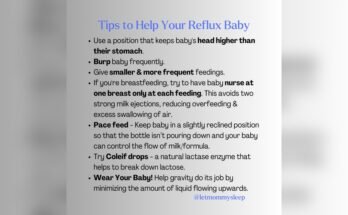
Are you worried that you might be feeding your newborn too much? Overfeeding is more common than you think, and it can lead to discomfort and health issues for your baby.
But don’t worry—by understanding simple signs and tips, you can easily prevent overfeeding and keep your little one happy and healthy. You’ll discover practical advice that every parent needs to know. Keep reading to learn how to recognize when your baby is full and how to create a feeding routine that works best for both of you.
Your newborn’s well-being starts with you, and this guide will help you get it right.
Signs Of Overfeeding
Recognizing the signs of overfeeding in newborns is important for their health. Overfeeding can cause discomfort and other issues. Parents can learn to spot these signs early. This helps keep feeding balanced and babies happy.
Frequent Spitting Up
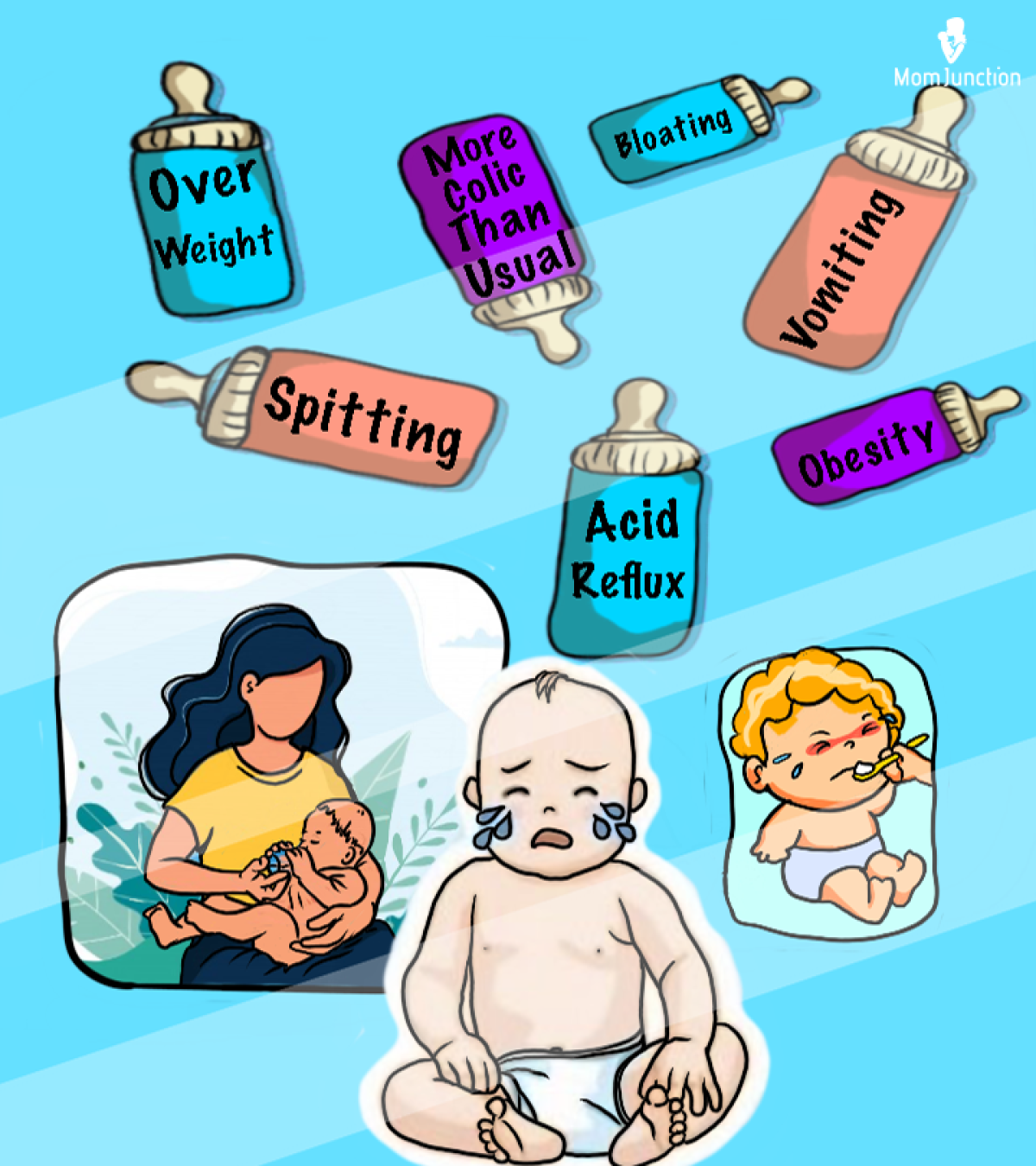
Spitting up often may indicate overfeeding. Babies have small stomachs that fill quickly. Too much milk can cause them to spit up more. Watch for increased spit-up after feedings. This is a key signal to adjust feeding amounts.
Excessive Weight Gain
Rapid weight gain might be a sign of too much feeding. Babies should gain weight steadily but not too fast. Weigh your baby regularly to track growth. Sudden jumps in weight may mean overfeeding. Consult your pediatrician for guidance if this happens.
Fussiness After Feeding
Babies may become fussy after feeding if overfed. This fussiness can show as crying or restlessness. Overfeeding can cause tummy pain or gas. Notice if your baby seems uncomfortable after eating. This can help you adjust feeding habits.

Feeding Frequency And Amount
Understanding how often and how much to feed a newborn helps prevent overfeeding. Babies have small stomachs and need regular, balanced feeding. Too much milk can cause discomfort and health issues. Feeding frequency and amount are key to keeping your baby happy and healthy.
Recommended Feeding Intervals
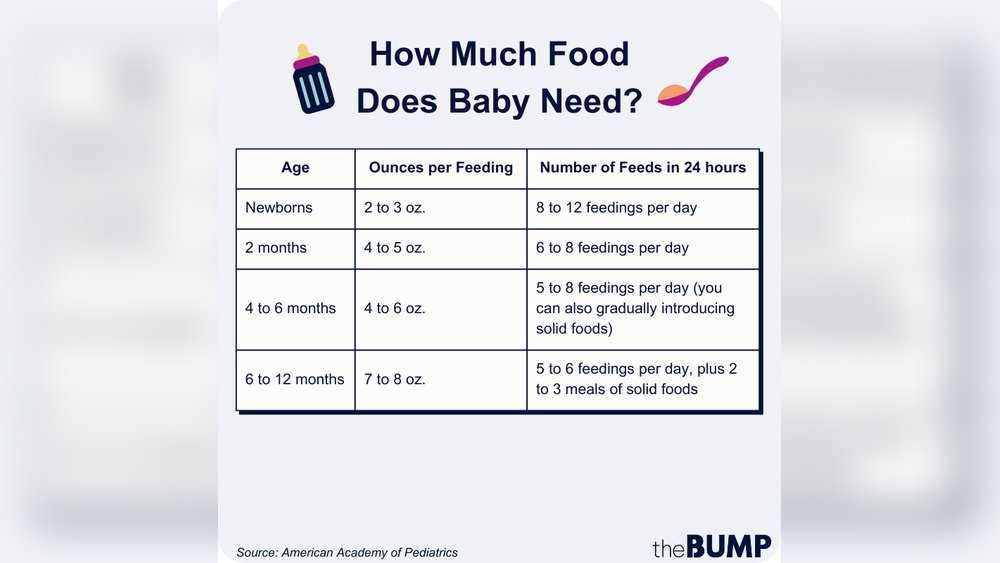
Newborns usually eat every 2 to 3 hours. This means about 8 to 12 times a day. Feeding at regular intervals helps your baby get the right amount. Avoid feeding too often, as this may lead to overfeeding. Watch your baby’s signals to know when it’s time to feed.
Appropriate Milk Quantities
In the first days, newborns drink small amounts, about 1 to 2 ounces. The quantity increases gradually as they grow. By the end of the first month, they might drink 3 to 4 ounces per feeding. Giving too much milk can cause spit-up or fussiness. Use feeding guidelines but stay flexible.
Adjusting Based On Baby’s Cues
Babies show signs when they are full or hungry. Look for cues like sucking, rooting, or crying. Stop feeding when your baby turns away or stops sucking. These signs help you avoid overfeeding. Trust your baby’s signals to guide feeding amounts and timing.
Recognizing Hunger And Fullness
Recognizing when a newborn is hungry or full helps prevent overfeeding. Babies cannot speak, so parents must watch their behavior. Learning these signs supports healthy feeding habits and baby’s comfort.
Hunger Cues To Watch For
Babies show hunger through simple actions. They may suck on their fingers or lips. Rooting, or turning their head toward your hand, is a clear sign. Crying is a late hunger signal. Watch for these early signs to feed on time.
Signs Baby Is Satisfied
After feeding, babies often relax and stop sucking. They may turn away from the bottle or breast. A calm face and soft hands show contentment. Falling asleep is another clue your baby is full. These signs mean it’s time to pause or stop feeding.
Avoiding Feeding Out Of Habit
Feeding should respond to hunger, not routine alone. Sometimes parents feed just to soothe or out of habit. This can cause overfeeding and discomfort. Try to check for real hunger cues first. Offer a pacifier or comfort in other ways if the baby is not hungry.
Choosing The Right Feeding Method
Choosing the right feeding method plays a big role in preventing overfeeding in newborns. Each baby has unique needs, and the feeding style can help manage how much milk they take. Understanding different feeding methods helps parents feed their babies well and avoid giving too much milk.
Breastfeeding Tips To Prevent Overfeeding
Breastfeeding lets babies control how much they eat. Watch your baby’s hunger signs like sucking and rooting. Feed on demand, not by the clock. Let your baby finish one breast before switching to the other. Avoid forcing your baby to keep nursing if they turn away or stop sucking. These steps help your baby eat the right amount.
Bottle Feeding Strategies
Use slow-flow nipples to slow milk flow. Hold your baby in a semi-upright position. Pause often during feeding to let your baby swallow and breathe. Watch for signs of fullness like turning the head away or closing the mouth. Avoid pushing the bottle or finishing the bottle by force. These tips reduce the risk of overfeeding.
Paced Bottle Feeding Benefits
Paced bottle feeding mimics breastfeeding. It lets the baby control the milk flow and pace. Hold the bottle horizontally to slow milk flow. Allow your baby to take breaks and breathe. This method helps babies eat only what they need. It reduces the chance of choking and overfeeding.
Creating A Feeding Schedule
Creating a feeding schedule helps prevent overfeeding in newborns. It sets clear times for feeding and resting. This routine supports the baby’s natural hunger cues. It also helps parents feel confident and less stressed during feeding times.
A good feeding schedule balances regular meal times with the baby’s needs. It allows parents to notice when the baby is truly hungry or full. This balance helps avoid feeding too much or too often. Consistent times also promote better sleep and digestion for the baby.
Balancing Flexibility And Routine
A strict feeding schedule is not always best. Babies grow and change quickly. Their hunger can vary day to day. Allow room for flexibility within the routine. Respond to the baby’s signals of hunger or fullness. Keep the main feeding times, but adjust as needed. This mix of routine and flexibility helps prevent overfeeding.
Tracking Feedings Effectively
Track each feeding to understand your baby’s patterns. Use a simple notebook or an app. Write down the time and amount fed. Note if the baby shows signs of fullness or hunger. Tracking helps spot trends and avoid feeding too much. It also helps healthcare providers give better advice.
Common Myths About Newborn Feeding
Feeding a newborn often comes with many confusing ideas. Parents hear different advice from family, friends, and online sources. Some of these ideas cause worry about overfeeding. Knowing the truth behind common myths helps parents feed their babies safely. It also keeps babies healthy and happy.
Debunking ‘feed On Demand’ Misconceptions
Many believe ‘feed on demand’ means feeding anytime the baby cries. Not all cries mean hunger. Babies cry for many reasons like tiredness or discomfort. Feeding every time might lead to overfeeding. Watch for hunger signs like lip-smacking or rooting. Feeding on demand means responding to these signs. It allows the baby to eat enough without forcing extra milk.
Understanding Growth Spurts
Growth spurts often confuse parents about feeding. Babies eat more during these times. They may seem hungry all the time. This is normal and only lasts a few days. After the spurt, appetite returns to normal. Feeding more during growth spurts does not mean overfeeding. It supports the baby’s fast growth and development. Knowing this helps parents avoid unnecessary worry.
When To Consult A Pediatrician
Knowing when to consult a pediatrician is important for your newborn’s health. Feeding can be tricky in the first weeks. Some babies may eat too much or too little. Watching your baby closely helps you decide if medical advice is needed.
Signs Of Feeding Problems
Look for signs like constant fussiness after feeding. Vomiting often or choking during meals also signals trouble. If your baby refuses to eat or seems very sleepy, alert your doctor. These signs may show feeding problems that need medical care.
Monitoring Baby’s Growth And Health
Track your baby’s weight gain and diaper output daily. Slow growth or sudden weight loss requires a check-up. Your pediatrician can assess feeding habits and overall health. Regular visits help catch feeding issues before they become serious.
Frequently Asked Questions
How Can I Tell If My Newborn Is Overfed?
Signs include frequent spitting up, fussiness, and excessive weight gain. Watch for discomfort after feeding and long feeding sessions. Consult your pediatrician if unsure.
What Are The Risks Of Overfeeding A Newborn?
Overfeeding can cause digestive issues, excessive weight gain, and increased spit-up. It may also lead to unhealthy eating habits later in life.
How Often Should I Feed My Newborn To Avoid Overfeeding?
Feed your newborn on demand, usually every 2-3 hours. Watch hunger cues like rooting or sucking. Avoid forcing extra milk once they stop feeding.
Can Bottle Feeding Increase The Chance Of Overfeeding?
Yes, bottle feeding may lead to overfeeding if parents encourage finishing the bottle. Stop feeding when the baby shows fullness signs to prevent this.
Conclusion
Preventing overfeeding helps newborns stay healthy and comfortable. Watch for hunger and fullness signs carefully. Feed slowly and allow breaks during feeding time. Trust your baby’s cues to guide feeding amounts. Avoid forcing extra milk beyond your baby’s needs. Healthy feeding habits build a strong start for life.
Keep learning and stay patient with your little one. Small steps make a big difference in feeding success.