Have you noticed your baby suddenly feeding more often or seeming fussier than usual? These changes might be signs of a newborn growth spurt.
Understanding these bursts of rapid development can help you respond with confidence and care. You’ll discover what growth spurts look like, why they happen, and how you can support your little one through these important moments. Keep reading to learn how to make this phase easier for both you and your baby.
Signs Of Growth Spurts
Newborn growth spurts are times when babies grow quickly. During these periods, parents notice clear changes in their baby’s behavior and body. Recognizing these signs helps caregivers respond better to their baby’s needs.
Growth spurts can last a few days. Babies may seem different but these changes are normal. Understanding common signs makes this phase easier for families.
Changes In Feeding Patterns
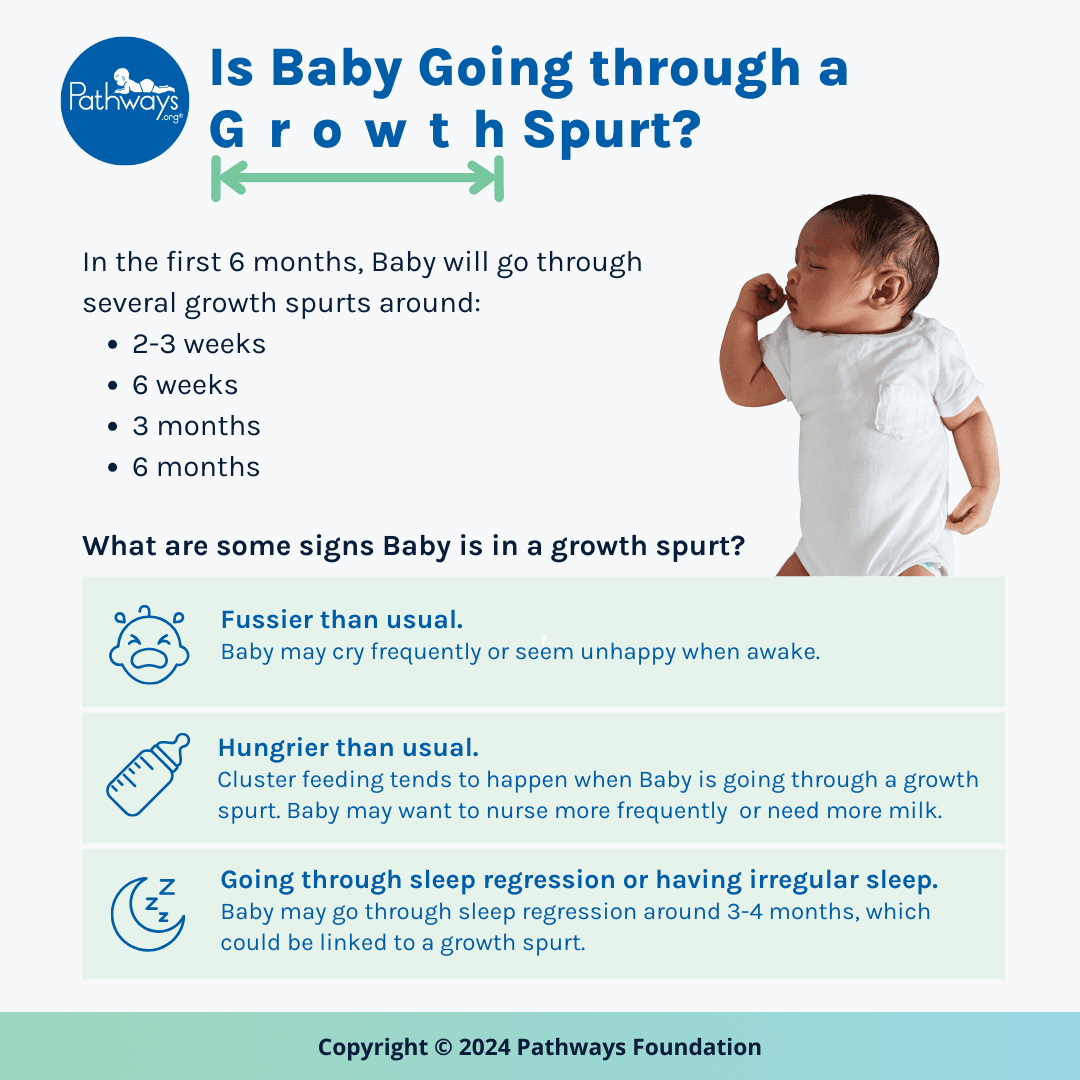
Babies often want to eat more during growth spurts. They may feed more frequently or for longer times. Sometimes, they seem hungrier than usual. This extra feeding helps support rapid growth.
Feeding demands can change suddenly. A baby who feeds well can become fussier at meals. Parents should be ready for these shifts without stress.
Sleep Pattern Shifts
Sleep habits may change during growth spurts. Babies might sleep more or less than normal. Some wake more often during the night. Others take longer naps during the day.
These sleep changes reflect the body’s need to rest and grow. Sleep disruptions are temporary and part of normal development.
Increased Fussiness
Babies can become more irritable during growth spurts. They might cry more and seem restless. This fussiness often happens because of hunger or tiredness.
Parents should stay calm and patient. Comforting a fussy baby helps them feel safe. Fussiness usually passes once the growth spurt ends.
Physical Development Milestones
Growth spurts often come with new physical skills. Babies might start to roll over or hold their head up. These milestones show muscle strength and coordination improving.
Parents may notice changes in size too. Clothes and diapers might fit tighter quickly. These signs show the baby is growing well and healthy.

Common Growth Spurt Timelines
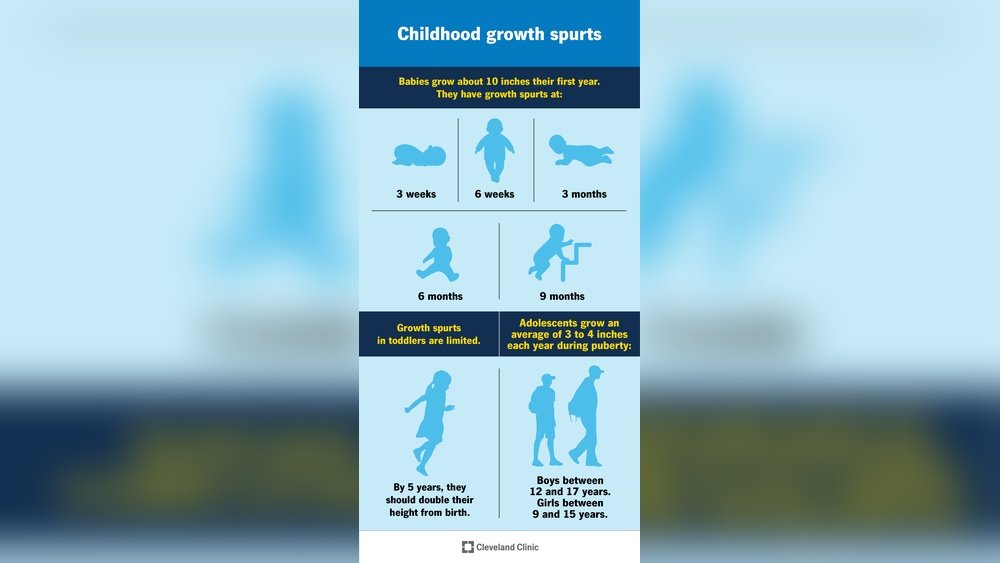
Newborn growth spurts happen at specific times during the first months. These spurts help babies grow fast in a short time. Parents often notice changes in feeding, sleeping, and mood during these periods. Knowing the common growth spurt timelines helps parents prepare and respond better.
Each baby is unique, but many follow similar growth patterns. Recognizing these patterns eases the challenges of parenting a newborn.
First Week And Two-week Spurts
The first week is full of changes as babies adjust to the world. Many newborns have a growth spurt around day 7. This spurt often causes increased hunger and fussiness. Parents may notice their baby wants to feed more often.
A second growth spurt usually occurs around two weeks. The baby’s feeding frequency might increase again. This is a normal sign of healthy development.
One-month And Three-month Spurts
At one month, babies often grow quickly again. They may seem more restless or clingy. Feeding demands can rise during this time.
Another common spurt happens at three months. Babies might want more milk or breastfeeds. Sleep patterns may also change temporarily.
Six-week And Six-month Spurts
Six weeks is a key time for many babies. Growth spurts here can bring fussiness and extra feedings. Parents might see rapid weight gain soon after.
At six months, babies grow again before starting solid foods. This spurt supports new skills like sitting and crawling. Feeding habits and sleep can shift during this time.
Nutrition Tips During Growth Spurts
Newborn growth spurts demand more nutrition than usual. Babies eat more often and need extra care. Parents can support this phase with smart feeding choices. Proper nutrition helps babies grow strong and stay healthy. Small changes in feeding can make a big difference during these times.
Boosting Breastfeeding Efficiency
Feed your baby more often during growth spurts. Offer both breasts at each feeding session. This helps increase milk supply naturally. Watch for hunger cues and respond quickly. Skin-to-skin contact can encourage better feeding. Make sure your baby latches well for effective feeding.
Formula Feeding Adjustments
Increase the amount of formula gradually. Follow your baby’s appetite and avoid overfeeding. Use the same brand and type to prevent digestion issues. Offer smaller, more frequent bottles if needed. Check the temperature and preparation instructions carefully. Keep a feeding log to track changes and needs.
Hydration Importance
Keep your baby hydrated, especially during hot weather. Breast milk and formula provide most needed fluids. Avoid giving water unless advised by a doctor. Watch for signs of dehydration like dry mouth or fewer wet diapers. Proper hydration supports digestion and overall health. Offer feedings often to maintain fluid balance.
Sleep Strategies For Babies
Newborn growth spurts can disrupt a baby’s sleep patterns. Sleep strategies help both baby and parents manage these changes. Good sleep habits support healthy growth and development. They also bring peace to the household.
Focus on calming routines, soothing techniques, and a safe place to sleep. These steps make sleep easier during tough growth phases. Consistency matters a lot in helping babies feel secure.
Creating A Consistent Sleep Routine
Babies thrive on routine. A regular sleep schedule helps their bodies adjust to growth spurts. Start with a calming pre-sleep ritual like a warm bath or gentle rocking. Keep the environment quiet and dim. Put your baby to bed at the same time each night. This signals the brain it is time to rest. Avoid stimulating activities right before sleep. Consistency builds a strong sleep habit over time.
Handling Night Wakings
Night wakings increase during growth spurts. Babies may feel hungry or uncomfortable. Respond calmly and quickly to avoid overstimulation. Offer gentle feeding or soothing without bright lights or loud sounds. Keep interactions brief and quiet. This helps your baby understand nighttime is for sleeping. Avoid picking up the baby immediately unless needed. Patting or softly talking can help them settle back down.
Safe Sleep Environment
A safe sleep space is essential for every baby. Use a firm mattress with a fitted sheet. Keep the crib free from pillows, blankets, and toys. Maintain a comfortable room temperature to prevent overheating. Place your baby on their back to reduce SIDS risk. A quiet, dark room promotes better sleep. Proper safety reduces worries and supports restful nights.
Soothing Techniques For Fussiness
Newborn growth spurts often bring fussiness and restlessness. Babies may cry more and seem unsettled. Parents need soothing techniques to calm their little ones. These methods help babies feel safe and comfortable during tough times.
Gentle Rocking And Swaddling
Rocking mimics the movement babies felt in the womb. It helps them relax and fall asleep faster. Use slow, steady motions to soothe your baby.
Swaddling wraps babies snugly in a soft blanket. This creates a cozy feeling that reduces startle reflexes. It helps babies stay calm and sleep longer.
Using White Noise
White noise masks sudden sounds that may wake a baby. It creates a consistent, gentle background sound. This reminds babies of the womb and eases their fussiness. Use a white noise machine or soft fan sounds.
Skin-to-skin Contact Benefits
Holding your baby close with bare skin calms both of you. It helps regulate the baby’s heart rate and breathing. Skin-to-skin contact builds a strong bond and reduces crying. It also supports better sleep and growth during spurts.
Monitoring Baby’s Development
Monitoring your baby’s development during growth spurts is very important. These periods show rapid changes in size, skills, and behavior. Careful observation helps you support your child’s needs and spot any issues early. You learn what to expect and how to respond to their changing patterns.
Tracking Growth Progress
Keep a daily record of your baby’s weight and length. Note changes in feeding habits and sleep patterns. Watch for new movements like rolling or reaching. Use growth charts from your pediatrician to see if your baby follows normal curves. Small, steady gains usually mean healthy development.
When To Consult A Pediatrician
Call the doctor if your baby stops gaining weight or grows very slowly. Seek help if your baby cries more than usual or seems very weak. Visit the pediatrician for sudden changes in eating or sleeping habits. Trust your instincts—professional advice can give peace of mind.
Recognizing Normal Vs. Concerning Signs
Growth spurts often cause fussiness and extra hunger—this is normal. Mild sleep disruption also happens during these times. Watch for signs like pale skin, persistent vomiting, or extreme lethargy. These can mean your baby needs medical attention. Knowing the difference helps keep your baby safe and happy.
Frequently Asked Questions
What Are Signs Of Newborn Growth Spurts?
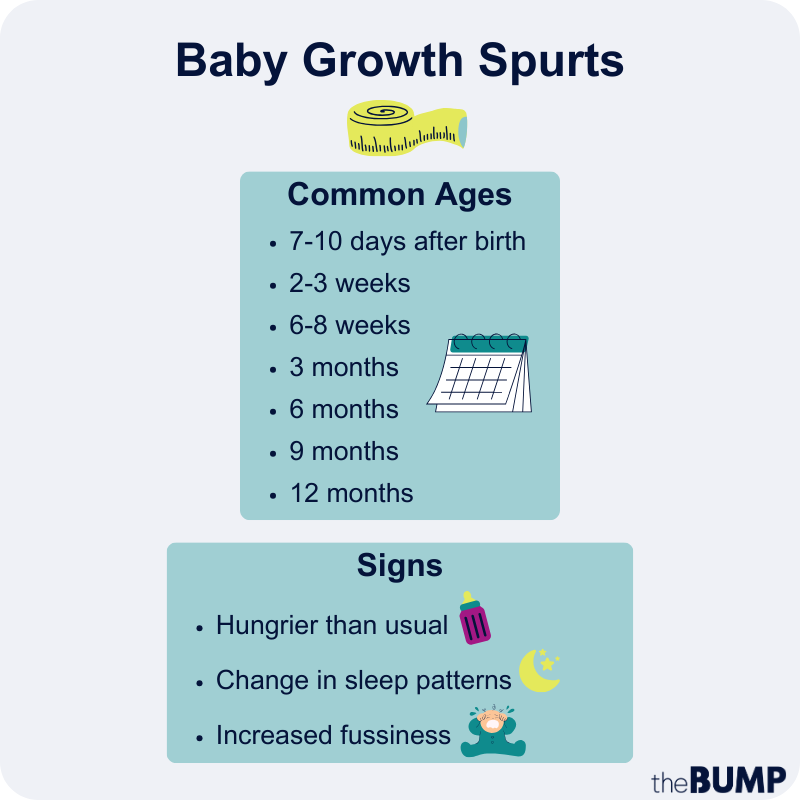
Newborn growth spurts include increased hunger, fussiness, and longer sleep periods. Babies may feed more often and seem restless. These signs typically last a few days and indicate rapid physical and developmental changes.
When Do Newborn Growth Spurts Usually Occur?
Newborn growth spurts commonly happen around 7-10 days, 3 weeks, 6 weeks, 3 months, and 6 months. Each spurt lasts a few days and signals significant developmental milestones.
How Can I Soothe My Baby During Growth Spurts?
To soothe your baby, offer frequent feedings, maintain skin-to-skin contact, and provide gentle rocking. Patience and comfort help your baby feel secure through this challenging phase.
Do Growth Spurts Affect Newborn Sleep Patterns?
Yes, growth spurts often disrupt sleep with more frequent waking and fussiness. Babies may nap more or less and need extra comfort during these periods.
Conclusion
Newborn growth spurts happen often and can surprise parents. Babies may eat more and sleep less during these times. This is normal and helps their bodies grow strong. Stay patient and offer plenty of love and care. Trust your instincts and watch your baby closely.
Growth spurts pass quickly, and your baby will feel better soon. Remember, every baby grows at their own pace. Your support makes a big difference in their healthy development. Keep enjoying these special early moments together.