Are you struggling to get your newborn to latch properly during feeding? You’re not alone.
Many new parents face latching problems that can make feeding stressful and exhausting for both you and your baby. But understanding why these challenges happen and how to fix them can change everything. Keep reading to discover simple, effective tips that will help your baby latch with ease and make feeding time a more comfortable and loving experience for you both.
Common Latching Issues
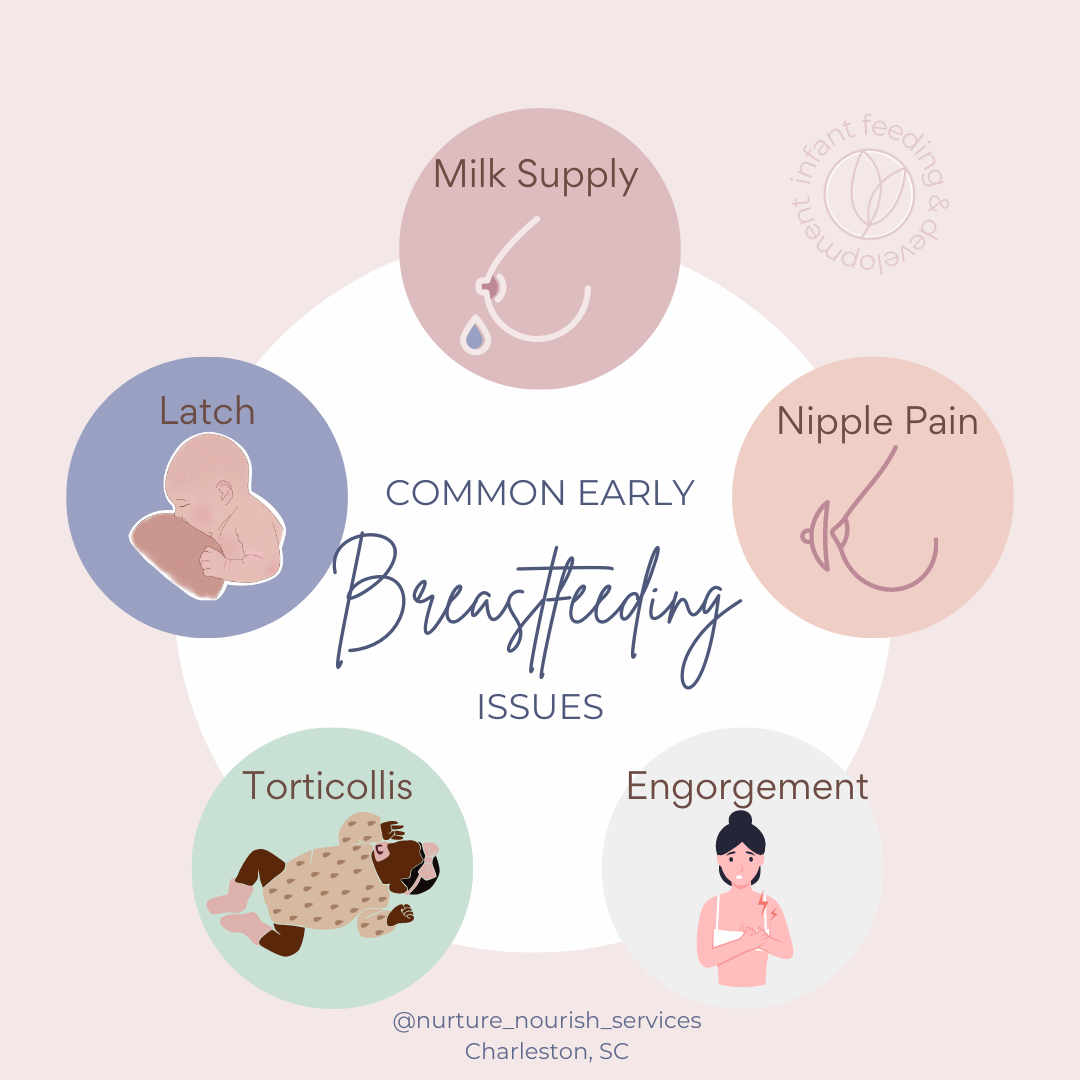
Many new parents face common latching issues with their newborns. These problems can make feeding stressful for both mother and baby. Understanding typical latching challenges helps parents respond better. Early recognition is key to a smoother breastfeeding journey. This section explains the signs and causes of latching problems clearly.
Signs Of Poor Latch
A poor latch causes pain and discomfort for the mother. Nipples may feel sore, cracked, or bruised. The baby might make clicking or smacking sounds during feeding. Milk may leak from the breast or the baby may seem fussy. The baby’s cheeks can appear sucked in or dimpled. Poor weight gain or frequent feeding can also indicate a poor latch.
Causes Of Latching Problems
Newborns may struggle to latch due to tongue tie or lip tie. Premature babies often have weaker sucking reflexes. Incorrect positioning can stop the baby from taking enough breast tissue. Maternal factors like engorgement or flat nipples can also cause issues. Stress and fatigue in mothers may affect the baby’s feeding behavior. Knowing these causes helps parents seek timely support and solutions.
Impact On Breastfeeding
Latching problems in newborns can greatly affect breastfeeding. A poor latch can cause many issues for both mother and baby. Understanding these effects helps in finding solutions early. This improves the feeding experience and supports baby’s growth.
Effects On Milk Supply
A weak latch can reduce milk removal from the breast. Less milk removal signals the body to produce less milk. This can lead to low milk supply over time. The baby may not get enough milk for healthy growth. Frequent, effective feeding helps maintain good milk supply.
Nipple Pain And Damage
Incorrect latching often causes nipple pain and soreness. Baby’s mouth may pinch or pull the nipple too hard. This can cause cracks, bleeding, or blisters on the nipple. Pain can make mothers avoid feeding or stop breastfeeding early. Proper latch techniques help prevent nipple damage and pain.
Techniques To Improve Latch
Latching problems in newborns can cause pain and low milk supply. Using the right techniques helps both mother and baby have a better feeding experience. Improving the latch is important for comfort and effective breastfeeding. Small changes in how the baby attaches to the breast can make a big difference.
Positioning Tips For Mother And Baby
Good positioning helps the baby latch well. The mother should sit comfortably with back support. Holding the baby close and facing the breast is key. The baby’s head and body should be aligned. Avoid twisting the baby’s neck or body. Supporting the baby’s neck and shoulders helps steady the latch. Try different positions like cradle, football hold, or side-lying. Find what feels natural and works best for you both.
Encouraging Proper Mouth Placement
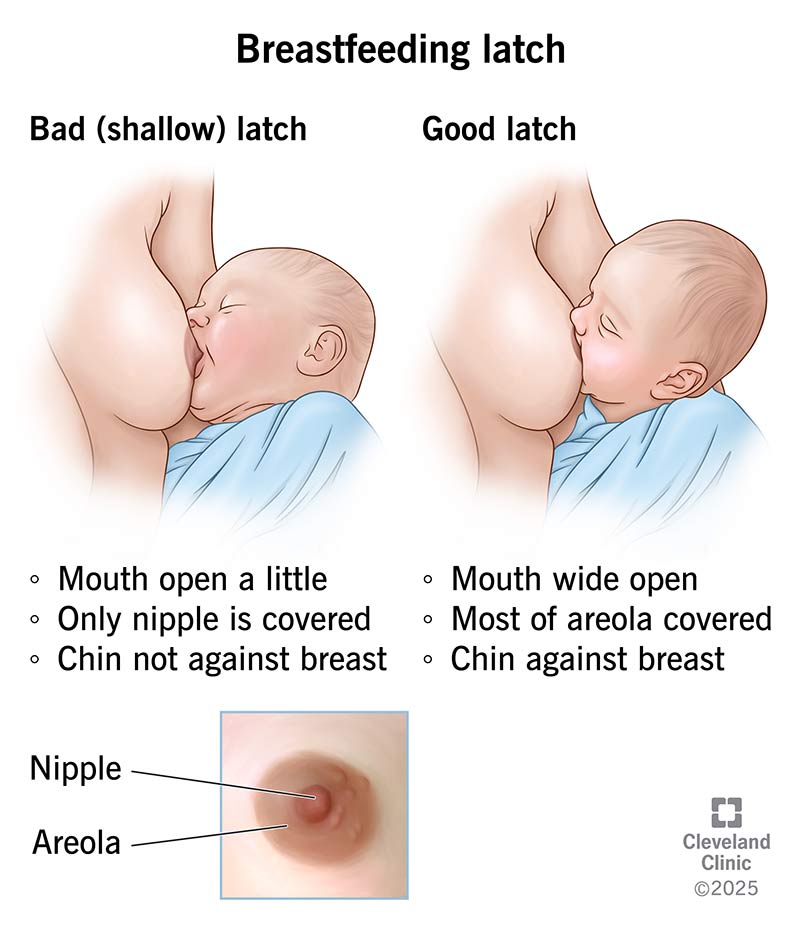
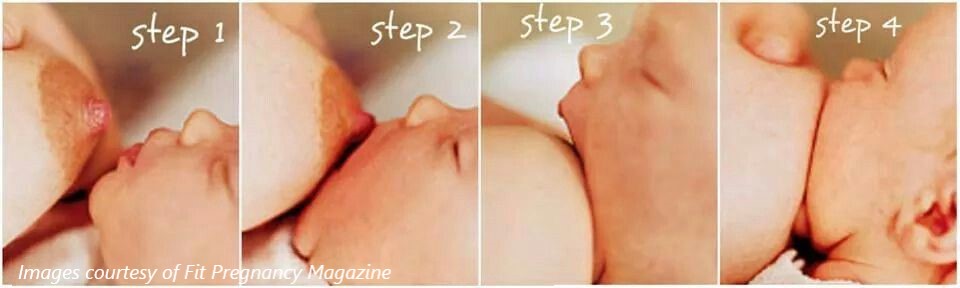
The baby’s mouth must cover more than just the nipple. Aim for a wide open mouth before latching. Gently touch the baby’s lips with the nipple to encourage opening wide. The baby’s lips should flare out like fish lips. The chin should touch the breast, and the nose should be free. This helps the baby get enough milk and reduces nipple pain. Watch for a deep latch with the lower lip turned outward. Adjust the baby’s position if the latch feels shallow.
Tools And Supports
Newborns may face latching problems during breastfeeding. Tools and supports can ease this challenge. They help both mother and baby find comfort and success. Using the right tools can improve the feeding experience. It also helps prevent frustration and pain for the mother.
Using Breastfeeding Pillows
Breastfeeding pillows provide good support for both mother and baby. They help position the baby at the right height. This makes latching easier and more comfortable. Pillows reduce strain on the mother’s arms and back. This comfort helps mothers feed longer without discomfort. Some pillows come in different shapes for various feeding positions. Experimenting with pillows can find the best fit for you.
When To Seek Lactation Consultant Help
Lactation consultants offer expert help with latching problems. They can check if the baby’s latch is correct. Consultants teach techniques to improve feeding. They also help with pain and milk supply issues. Seek help if latching causes pain or the baby is not gaining weight. Early advice can prevent long-term feeding difficulties. Consultants provide personalized support and boost confidence.
Feeding Alternatives
Some newborns face latching problems during breastfeeding. These difficulties can cause frustration and worry for parents. Feeding alternatives can help ensure the baby gets enough milk. These methods support both the baby’s nutrition and the mother’s milk supply.
Choosing the right feeding alternative depends on the baby’s needs and the mother’s comfort. These options provide flexibility and help maintain bonding during feeding times.
Expressed Milk Feeding
Expressed milk feeding uses breast milk that the mother pumps out. This milk can be given to the baby with a bottle or a cup. It ensures the baby receives breast milk even if they cannot latch directly.
This method helps keep the mother’s milk supply active. Expressed milk can be stored safely for later use. It offers a way to continue breastfeeding benefits without direct nursing.
Supplemental Nursing Systems
Supplemental nursing systems (SNS) provide extra milk during breastfeeding. A small tube delivers milk alongside the mother’s nipple. The baby sucks both the breast and the tube at the same time.
SNS encourages the baby to practice latching while getting enough milk. It supports milk supply and helps babies who struggle to feed. This method keeps the breastfeeding process natural and close.
Maintaining Breastfeeding Success
Maintaining breastfeeding success after latching problems takes care and attention. Mothers and babies need support to keep breastfeeding going well. Consistent effort helps both feel safe and comfortable during feeding times. Small actions can lead to big improvements in feeding and bonding.
Monitoring Baby’s Weight Gain
Tracking baby’s weight is key to check feeding success. Regular weight checks show if baby gets enough milk. Healthcare providers often weigh babies during visits. If weight gain is slow, feeding techniques may need adjustment. Healthy weight gain means baby is feeding well and growing strong.
Building Confidence And Patience
Confidence helps mothers keep breastfeeding despite challenges. Learning to trust their body and baby takes time. Patience calms frustration and helps mothers stay focused. Each feeding is a chance to improve skills. Support from family or lactation experts boosts confidence. Gradual progress leads to lasting breastfeeding success.
Frequently Asked Questions
What Causes Latching Problems In Newborns?
Latching problems often arise from tongue-tie, improper positioning, or low milk supply. Newborns may also struggle due to weak sucking reflex or maternal nipple shape. Identifying the cause early helps in effective treatment and improves breastfeeding success.
How Can I Improve My Newborn’s Latch?
Ensure your baby’s mouth covers both nipple and areola fully. Hold your baby close, tummy-to-tummy, and support their head gently. Try different breastfeeding positions and seek help from a lactation consultant if problems persist.
When Should I Seek Help For Latching Issues?
If your baby shows signs of poor weight gain, fussiness, or nipple pain lasts over a week, seek professional help. Early intervention prevents feeding complications and ensures your baby receives proper nutrition.
Can Tongue-tie Cause Latching Problems In Newborns?
Yes, tongue-tie restricts tongue movement, making it hard for babies to latch properly. A healthcare provider can assess and suggest treatments like frenotomy to improve latch and feeding.
Conclusion
Latching problems in newborns can feel tough for parents. Early support helps both mother and baby. Small changes often make feeding easier and less painful. Patience and practice bring better results over time. Don’t hesitate to ask for help from nurses or lactation experts.
Every baby learns at their own pace. Feeding should become a calm and loving moment. Keep trying; success is within reach.