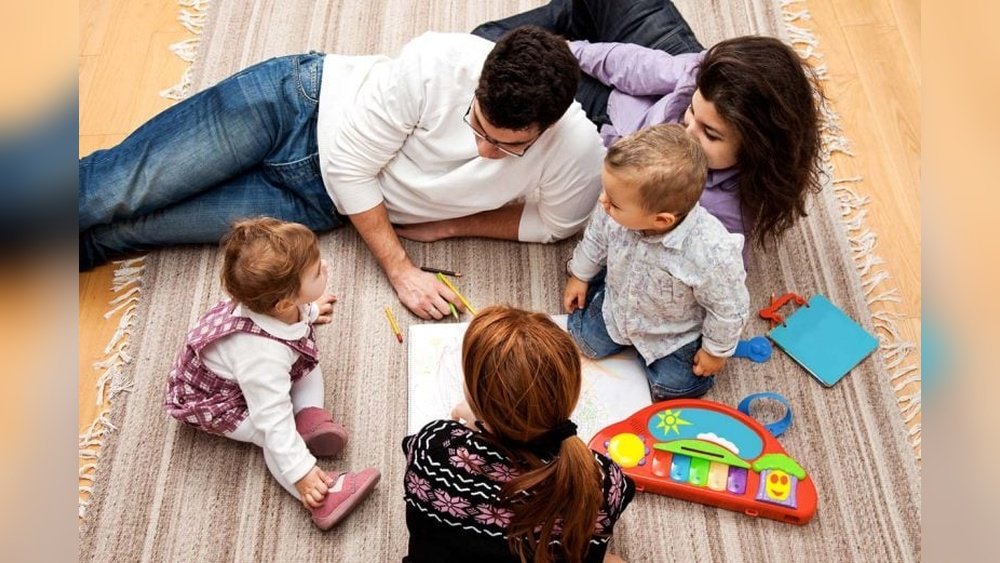
You want the best for your newborn, especially when it comes to their social skills. But how do you help a tiny baby start connecting with others?
Supporting your newborn’s social skills might feel tricky, but it’s easier than you think. With simple, everyday actions, you can give your baby a strong start in building relationships and understanding emotions. Keep reading to discover practical tips you can use right now to boost your baby’s social growth and watch them thrive.

Early Social Signals
Early social signals are the first ways newborns communicate with the world. These signals help babies connect with parents and caregivers. They also build the foundation for social skills later in life. Understanding these early signs lets adults respond with care and love.
Recognizing Newborn Cues
Newborns use simple cues to share their feelings. They may look away to show tiredness or fuss when uncomfortable. Eye contact is a key cue. Babies often stare at faces to learn and bond. Watch for movements like kicking or hand waving. These signals tell you how your baby feels without words.
Responding To Crying And Smiles
Crying is a baby’s way to ask for help. Each cry can mean hunger, pain, or need for comfort. Responding calmly builds trust and safety. Smiles are powerful signals too. A baby’s smile shows happiness and readiness to connect. Smile back and talk softly to encourage more smiles. This exchange strengthens emotional bonds.
Building Bonding Moments
Building bonding moments with your newborn helps start social skills early. These moments create trust and comfort. Babies feel safe and loved. This support shapes how they connect with others later.
Skin-to-skin Contact Benefits
Skin-to-skin contact means holding your baby against your bare chest. This closeness warms and calms the baby. It helps lower their stress and heart rate. Babies feel your heartbeat and breathing. This comfort boosts bonding and helps the baby learn to trust you.
Skin-to-skin time encourages your baby to explore sounds and touch. It supports brain growth. This early bond helps them feel secure. Secure babies grow better social skills and show more interest in others.
Eye Contact And Facial Expressions
Looking into your baby’s eyes creates strong connection moments. Babies love to watch faces closely. Your smile or gentle look teaches them emotions. Babies start to copy your expressions early. This copying helps them learn feelings and communication.
Talking softly while making eye contact keeps your baby engaged. They learn that faces and voices are friendly. These moments build early social skills and help your baby feel connected and happy.
Encouraging Communication
Encouraging communication is key to supporting newborn social skills. Babies learn to connect through sounds and touch. Early interaction builds trust and helps them understand the world. Simple actions boost their confidence to express feelings.
Talking And Singing To Your Baby
Speak clearly and softly to your baby every day. Use simple words and short sentences. Your voice soothes and excites their senses. Singing calm songs also helps them focus and listen. Repeating sounds and words teaches language basics. This creates a strong link between you and your child.
Using Gentle Touch And Sounds
Touch your baby gently to show care and safety. Soft strokes on the skin calm them quickly. Combine touch with quiet sounds like humming or whispering. These actions help babies feel secure and loved. They learn to recognize comfort and respond with smiles or coos. This early bonding supports social skill growth.
Creating A Stimulating Environment
Creating a stimulating environment helps newborns learn social skills early. Babies react to sights, sounds, and textures around them. These experiences shape their brain and social understanding. A well-prepared space encourages curiosity and interaction. It supports emotional growth and connection with caregivers.
Safe And Engaging Spaces
Newborns need a safe place to explore. Soft mats and cushions protect their fragile bodies. Clear the area of small or sharp objects. Keep toys within easy reach to invite play. A calm, quiet room helps babies focus. Gentle lighting reduces stress and promotes comfort. Safety allows babies to feel secure and confident.
Introducing Colors And Textures
Bright colors catch a baby’s attention. Use toys and books with simple, bold patterns. Different textures help babies explore through touch. Soft blankets, rubber toys, and silky fabrics are good choices. Touch stimulates the brain and sensory awareness. Varied textures encourage babies to reach and feel. These experiences build early social and cognitive skills.
Promoting Social Interaction
Promoting social interaction is key to helping newborns develop strong social skills early. Social experiences shape how babies understand the world and connect with others. Small, positive interactions build a foundation for future relationships and communication.
Newborns learn best through gentle, consistent social moments. These moments teach trust and recognition of facial expressions and voices. Creating chances for these interactions supports emotional growth and social awareness.
Playdates And Family Involvement
Introducing newborns to playdates can be simple and calm. Close family members and trusted friends help babies feel safe. Quiet visits with other infants let babies observe and respond to social cues.
Family involvement creates a loving environment for social learning. Parents and relatives talking, singing, and smiling at the baby encourage engagement. These interactions help newborns recognize familiar faces and sounds.
Group time also shows babies how to share attention and express feelings. Even short sessions with others support early social skills development.
Reading And Storytelling Sessions
Reading aloud to newborns introduces them to language and emotions. Stories offer chances to hear different voices and tones. This variety helps babies understand feelings and social signals.
Storytelling invites babies to focus and listen closely. Parents’ facial expressions and gestures during reading add meaning to words. These cues help babies connect words with feelings and actions.
Regular reading sessions build a routine that newborns find comforting. This routine strengthens the bond between baby and parent. It also lays groundwork for social interaction and language growth.
Supporting Emotional Development
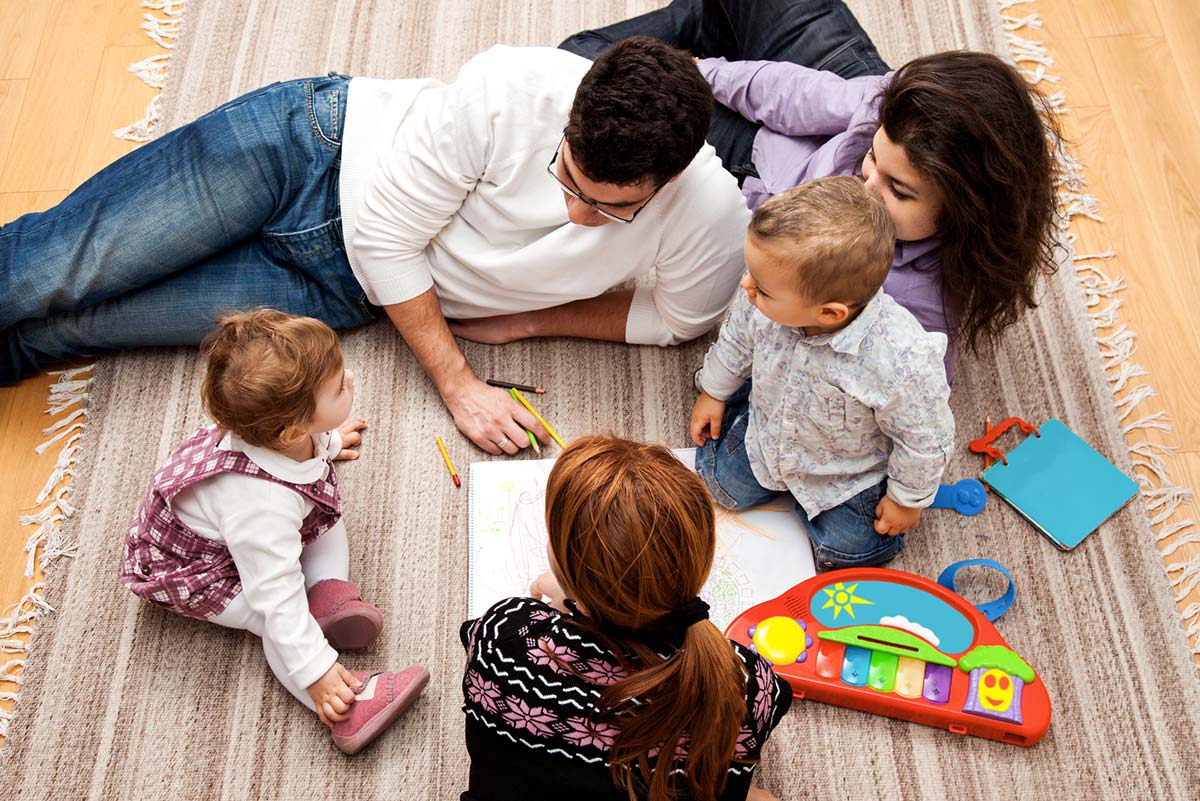
Supporting emotional development is vital for newborns as it shapes their social skills. Babies start to understand feelings through early interactions. These moments build trust and security. Caregivers play a key role by responding with care and kindness. This helps babies feel safe and loved. Emotional support lays a strong foundation for future relationships.
Comforting And Soothing Techniques
Comforting a newborn helps calm their emotions. Gentle rocking or soft singing can soothe a fussy baby. Skin-to-skin contact warms both baby and caregiver. A calm voice reassures the child. Swaddling mimics the womb, providing a sense of safety. These techniques reduce stress and promote emotional balance.
Recognizing And Validating Feelings
Babies express emotions through crying and facial expressions. Caregivers must notice these signs carefully. Responding calmly shows the baby their feelings matter. Naming emotions, like saying “You seem upset,” helps babies learn about feelings. This validation builds trust and emotional awareness. It encourages babies to express themselves openly later.
Monitoring Progress And Challenges
Monitoring a newborn’s social skills helps parents understand their growth clearly. It shows what is going well and what might need more attention. Regular observation allows caregivers to support the baby in the best way possible.
Tracking progress helps catch small issues before they become bigger problems. It also offers reassurance that the baby is developing as expected. This ongoing process is essential for healthy social skill development.
Tracking Milestones
Milestones are important signs of social skill growth. These include smiling, eye contact, and responding to sounds. Parents should note when these behaviors first appear.
Keeping a simple record of milestones helps track the baby’s progress. It shows patterns and highlights areas needing extra care. Milestone checklists are available from doctors or trusted websites.
Seeking Professional Guidance If Needed
Some babies may face challenges in social skill development. Professionals like pediatricians or child psychologists can help. They offer advice and support tailored to each baby’s needs.
Early help can make a big difference in a child’s social abilities. Don’t wait if you notice delays or unusual behavior. Professional guidance ensures the right support is given on time.
Frequently Asked Questions
How Can I Encourage Newborn Social Skills Development?
You can encourage newborn social skills by maintaining eye contact, smiling, and talking gently. Respond promptly to their cues. These actions build trust and communication foundations, essential for early social development.
When Do Newborns Start Showing Social Behaviors?
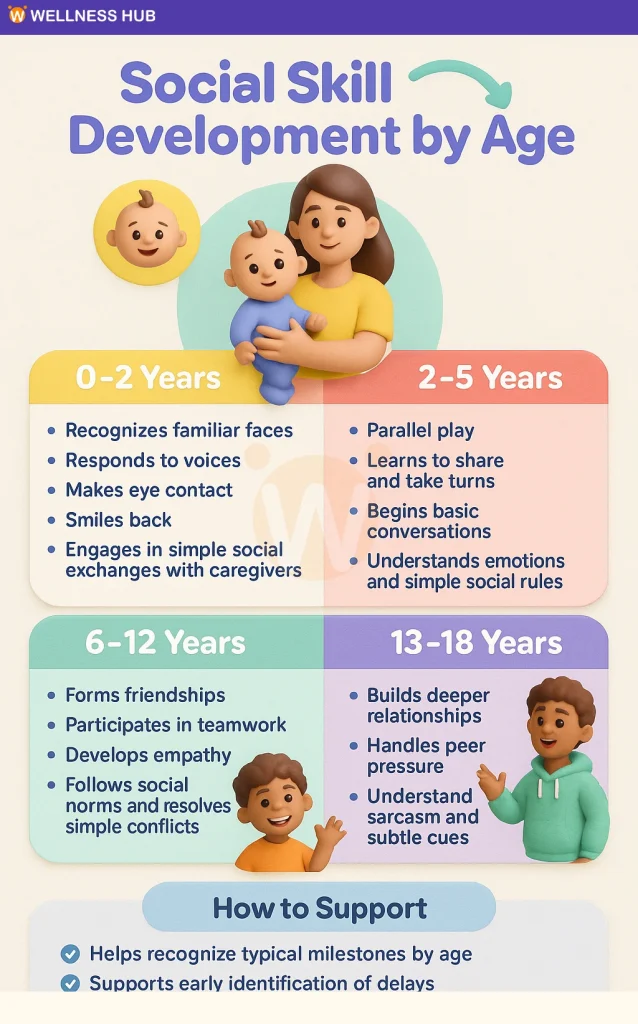
Newborns begin showing social behaviors like eye contact and smiling around 6 to 8 weeks. Early interactions with caregivers help nurture these skills and promote healthy emotional growth.
What Role Does Touch Play In Newborn Social Skills?
Touch is vital for newborn social development. Gentle cuddling and skin-to-skin contact create bonding, security, and emotional connection, fostering early social and emotional skills in infants.
How Important Is Talking To My Newborn For Social Growth?
Talking to your newborn stimulates brain development and helps them recognize voices. It promotes language skills and strengthens your emotional bond, crucial for social interaction later in life.
Conclusion
Supporting newborn social skills takes time and care. Small actions build strong bonds. Talk, smile, and make eye contact often. Babies learn by watching and copying you. Patience helps them feel safe and loved. Keep routines simple and consistent every day.
Celebrate small progress and stay positive. Early social skills shape a child’s future. Give your baby plenty of chances to connect. This support creates happy, confident little ones. Keep nurturing these skills with kindness and warmth.


