Your newborn’s mind is a powerful tool waiting to grow. You might wonder how you can help your little one start solving problems from day one.
The good news is, supporting your baby’s problem-solving skills is easier than you think. By understanding simple techniques and everyday activities, you can boost their brain development and set the stage for lifelong learning. Keep reading to discover practical steps you can take right now to nurture your newborn’s natural curiosity and thinking abilities.

Create A Stimulating Environment
Creating a stimulating environment helps newborns develop problem-solving skills. It encourages curiosity and learning through play. This environment supports brain growth and strengthens early thinking abilities.
Use Age-appropriate Toys
Choose toys that match your newborn’s stage. Soft rattles and textured balls work well. These toys help babies explore cause and effect. Simple toys keep their attention and promote learning.
Incorporate Sensory Experiences
Introduce different textures, sounds, and colors. Soft fabrics, gentle music, and colorful objects excite senses. Sensory play builds connections in the baby’s brain. It helps them understand the world better.
Encourage Safe Exploration
Provide a safe space for your baby to move and touch. Let them reach, grab, and discover objects nearby. Safe exploration boosts confidence and problem-solving skills. Watch closely but allow freedom to explore.
Promote Early Communication
Promoting early communication helps newborns build problem-solving skills. Babies learn by interacting with their caregivers. Simple conversations and sounds create a strong foundation. Early communication supports brain growth and understanding. It encourages curiosity and thinking.
Respond To Baby’s Cues
Watch your baby’s facial expressions and sounds closely. Respond quickly to their needs and signals. Smiling back or talking gently shows you are listening. This teaches babies that communication matters. It helps them try new sounds and expressions.
Use Simple Gestures And Sounds
Use clear gestures like waving or pointing. Pair these with easy sounds or words. This helps babies connect actions with meaning. Gestures support their understanding before they speak. It also makes communication fun and clear.
Read And Sing Regularly
Read short stories with bright pictures often. Singing simple songs helps babies hear new words. Both reading and singing improve listening skills. They also encourage babies to copy sounds. This builds early language and thinking skills.
Foster Curiosity And Exploration
Fostering curiosity and exploration is key to helping newborns develop problem-solving skills. Babies learn by exploring their world and asking silent questions through their actions. Encouraging this natural curiosity sets a strong foundation for future learning and creativity. Caregivers play a vital role by creating safe spaces and offering opportunities for discovery.
Offer Variety In Play Activities
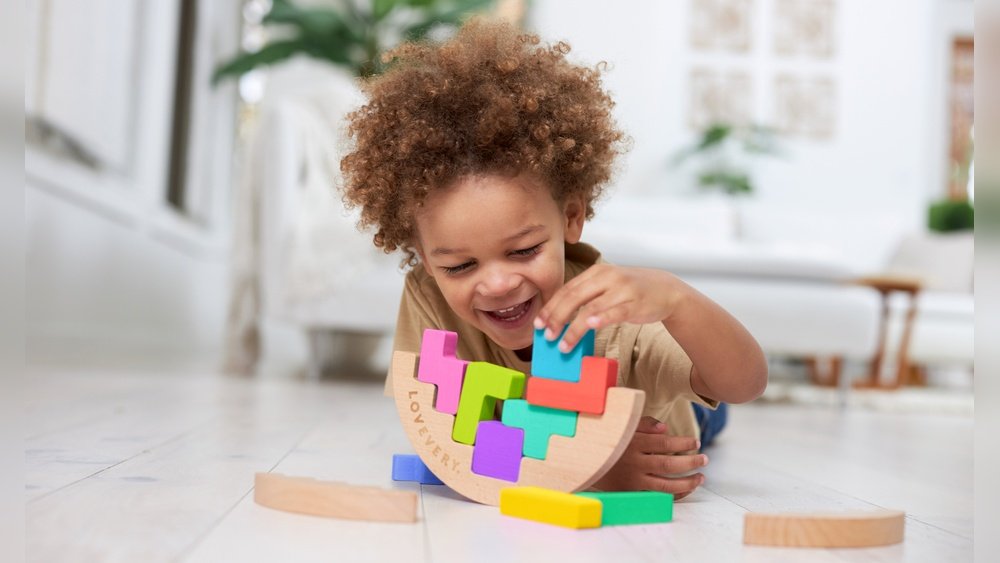
Provide different play activities to stimulate your baby’s mind. Use toys with various colors, shapes, and textures. Rotate toys regularly to keep interest alive. Simple activities like stacking blocks or feeling soft fabrics encourage exploration. Variety helps babies notice differences and make connections.
Allow Time For Independent Play
Give your baby moments to play alone safely. Independent play helps them think and solve problems without help. Avoid rushing to assist at every move. This time builds confidence and attention span. Watch quietly and step in only if needed.
Introduce Cause And Effect Toys
Cause and effect toys teach babies that actions have results. Toys that light up, make sounds, or move when touched are perfect. They learn to predict what happens next. This understanding sharpens their reasoning skills. Choose toys that respond clearly to your baby’s actions.

Support Motor Skill Development
Supporting motor skill development helps newborns explore and learn about their world. Strong motor skills build a foundation for problem-solving and daily activities. Early movement shapes brain growth and coordination.
Focus on gentle activities that encourage movement and control. These simple steps boost a baby’s confidence and curiosity.
Provide Tummy Time Opportunities
Tummy time helps babies strengthen neck, shoulder, and arm muscles. Place your baby on their tummy for short periods while awake. Start with a few minutes and increase time daily. This practice improves head control and prepares babies for crawling.
Encourage Reaching And Grasping
Hold toys within your baby’s reach to promote hand-eye coordination. Bright, soft toys attract attention and motivate reaching. Reaching and grasping build fine motor skills needed for future tasks.
Promote Movement Through Play
Use play to inspire movement and exploration. Gentle rocking, rolling, and guided movements help babies learn body control. Playtime encourages muscle use and helps babies understand cause and effect.
Build Emotional Security
Building emotional security is key to helping newborns develop problem-solving skills. When babies feel safe and loved, they explore their world more confidently. Emotional security creates a strong foundation for learning and growth.
Establish Consistent Routines
Consistent routines give babies a sense of predictability. They know what to expect next, which helps reduce stress. Predictable schedules for feeding, sleeping, and play build trust and comfort. This steady environment encourages babies to focus and learn.
Practice Responsive Caregiving
Respond quickly to your baby’s needs and cues. This shows them that they are understood and cared for. Comforting a crying baby or smiling during play builds emotional bonds. Responsive care helps babies feel secure and ready to try new things.
Create A Loving Atmosphere
Use gentle words and touch to create warmth. Hold, cuddle, and talk softly to your newborn often. A loving atmosphere boosts their confidence and curiosity. Feeling loved strengthens their emotional health and problem-solving skills.

Monitor Progress And Adapt
Monitoring your newborn’s problem-solving skills is key to supporting their growth. Babies learn at their own pace. Watching their progress helps you understand what works best. This way, you can change activities to fit their needs and interests.
Observe Baby’s Responses
Pay close attention to how your baby reacts during play. Notice their facial expressions and body movements. Are they curious or frustrated? These clues tell you if the activity is too hard or too easy. Watching closely helps you support their learning better.
Adjust Activities Based On Interests
Choose activities that match what your baby likes. If they enjoy colorful toys, use more of those. If they prefer soft sounds, add gentle noises. Changing activities to fit their interests keeps them engaged. This helps develop problem-solving skills naturally.
Seek Professional Guidance When Needed
Talk to a pediatrician or child development expert if you feel unsure. Professionals can check if your baby is reaching milestones. They offer advice on how to help your baby more effectively. Early support makes a big difference in skill development.
Frequently Asked Questions
What Activities Boost Newborn Problem-solving Skills?
Engage your newborn with simple games like peek-a-boo and cause-effect toys. These encourage curiosity and cognitive growth. Talk and respond to your baby to enhance understanding and problem-solving.
How Does Play Support Newborn Cognitive Development?
Play stimulates brain connections and helps babies learn cause and effect. Interactive play teaches problem-solving by encouraging exploration and experimentation in a safe environment.
When Should I Start Teaching Problem-solving To My Newborn?
Begin stimulating problem-solving skills from birth. Early interaction, talking, and playing nurture cognitive abilities and support your newborn’s brain development effectively.
Can Sensory Toys Improve Newborn Problem-solving?
Yes, sensory toys with varied textures and sounds enhance exploration. They help babies recognize patterns and develop critical thinking through hands-on learning.
Conclusion
Supporting your newborn’s problem-solving skills builds a strong foundation. Simple activities and gentle encouragement help them learn. Watch their curiosity grow with each small success. Patience and love guide their early thinking. Keep daily interactions fun and focused on discovery.
These moments shape their confidence and creativity. Every step matters in their development journey. Stay present and enjoy the process together. Your support makes a lasting difference in their growth.


