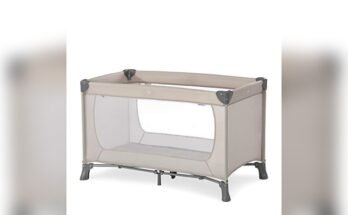
Your baby’s crib should be the safest place in your home. But did you know that many common crib setups can lead to unexpected injuries?
You want to protect your little one from harm, yet it’s easy to miss simple risks that could cause serious accidents. You’ll discover clear, practical steps to make your baby’s crib safer right now. Keep reading to learn how you can prevent crib injuries and give yourself peace of mind every time your child sleeps.
Choosing A Safe Crib
Choosing a safe crib is the first step to protect your baby from injuries. A safe crib provides a secure place for your child to sleep and play. It also helps parents feel calm and confident. Picking the right crib means checking its design, materials, and features carefully. Safety should never be an afterthought.
Check For Safety Certifications
Look for cribs that meet safety standards set by trusted organizations. Certifications from groups like the Juvenile Products Manufacturers Association (JPMA) show the crib passed strict tests. These tests include stability, construction, and toxic materials. A certified crib is more reliable and safer for your baby.
Avoid Drop-side Cribs
Drop-side cribs have rails that move up and down. These cribs caused many accidents and injuries in the past. Many countries banned them due to safety risks. Choose a crib with fixed sides instead. Fixed sides prevent gaps where a baby could get trapped or fall.
Select The Right Mattress
The mattress should fit the crib tightly without gaps. A mattress that is too small or soft can cause suffocation or falls. Pick a firm mattress made for your crib’s size. Check the mattress thickness and material to ensure it supports your baby well.
Proper Crib Setup
Setting up a crib correctly is essential for your baby’s safety. A proper crib setup helps prevent injuries and creates a secure sleeping space. Pay attention to every detail to make sure the crib is safe and comfortable.
Ensure Sturdy Assembly
Check all crib parts before assembly. Tighten screws and bolts firmly. Loose parts can cause accidents. Follow the manufacturer’s instructions carefully. Avoid using extra parts or tools not included.
Maintain Correct Slat Spacing
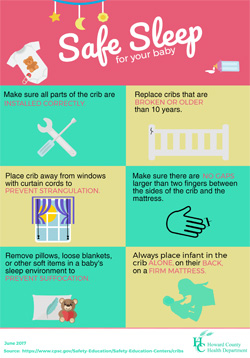
Keep slats no more than 2 3/8 inches apart. Wider gaps may trap your baby’s head or limbs. Use a ruler or measuring tape to check spacing. Replace the crib if the slats are too far apart.
Use A Firm And Flat Mattress
Choose a mattress that fits snugly inside the crib. A soft mattress can cause suffocation risks. The mattress must be firm and flat. Avoid placing pillows, blankets, or toys inside the crib.
Safe Bedding Practices
Safe bedding practices help keep babies secure in their cribs. These steps reduce the risk of injuries and suffocation. Parents and caregivers should create a simple, safe sleep space for infants.
Choosing the right bedding prevents accidents and keeps babies comfortable. Each item in the crib should serve a purpose and fit well. Avoid anything that could block breathing or cause overheating.
Avoid Loose Blankets And Pillows
Loose blankets and pillows can cover a baby’s face. This can cause breathing problems or sudden infant death syndrome (SIDS). Instead, use a wearable blanket or sleep sack. These keep babies warm without loose fabric.
Use Fitted Sheets Only
Fitted sheets stay tight on the mattress. They do not bunch up or move around. Loose sheets can wrap around a baby’s fingers or neck. Always choose sheets made for crib mattresses. Check the fit before placing the baby down.
Keep Soft Toys Out
Soft toys and stuffed animals can cause suffocation. Babies cannot move these objects away from their faces. Remove all soft toys from the crib during sleep. Use toys only when the baby is awake and supervised.
Positioning Your Baby
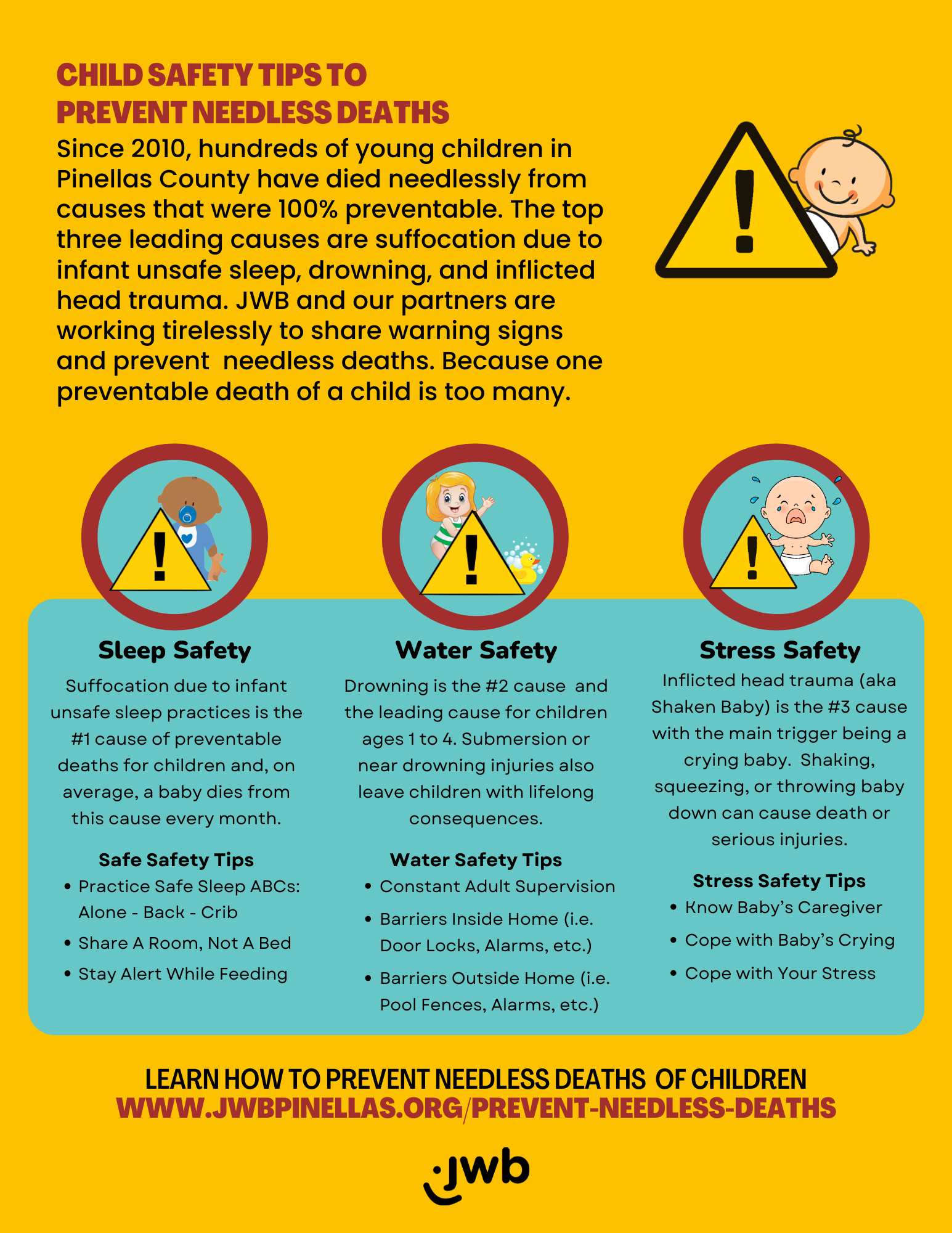
Positioning your baby correctly in the crib is key to preventing injuries. Proper placement helps reduce risks and keeps your baby safe during sleep. Small changes in how you place your baby can make a big difference. Follow these tips to ensure a safe sleep environment.
Always Place Baby On Their Back
Placing your baby on their back is the safest sleep position. This position lowers the risk of sudden infant death syndrome (SIDS). Avoid placing your baby on their stomach or side. Use a firm mattress and keep the crib clear of soft items.
Avoid Overheating
Keep your baby cool to prevent overheating. Dress your baby in light clothing suitable for room temperature. Avoid heavy blankets and bulky pajamas. Overheating can increase the risk of suffocation or sudden death.
Monitor Baby’s Sleep Environment
Check the crib often to ensure safety. Remove pillows, toys, and loose bedding. Use a fitted sheet only. Make sure the crib slats are close together to prevent your baby’s head from getting stuck.
Regular Crib Maintenance
Regular crib maintenance keeps your baby safe and comfortable. It helps find small problems before they become big. Checking the crib often saves you from many risks. You can avoid injuries by making sure the crib is strong and steady.
Check For Loose Or Broken Parts
Look closely at the crib for any loose or broken parts. Loose rails or slats can hurt your baby. Broken pieces can cause sharp edges or gaps. Check all sides carefully every week. Fix or remove anything that looks unsafe.
Tighten Screws Periodically
Screws and bolts can get loose over time. Tighten them regularly with a screwdriver. This keeps the crib sturdy and steady. Loose screws make the crib unsafe and noisy. Set a schedule to tighten screws every month.
Replace Damaged Components
Replace any damaged parts right away. Cracked wood or bent metal can cause harm. Use parts made for your crib model. Do not use broken or weak pieces. Keeping the crib intact protects your baby from injury.
Preventing Falls And Entrapment
Preventing falls and entrapment in a crib is vital for your baby’s safety. Babies can move a lot and get into risky spots. Taking simple steps helps keep them safe and comfortable inside the crib.
Focus on crib placement, mattress height, and what you put inside the crib. These small changes reduce the risk of falls and getting stuck between crib parts.
Keep Crib Away From Windows And Furniture
Place the crib away from windows and furniture. Babies can climb furniture or reach window cords. This increases the risk of falls or strangulation. Keep at least three feet of space around the crib. This helps prevent accidents and keeps the crib area clear.
Avoid Using Crib Bumpers
Crib bumpers look soft but cause danger. They can trap babies’ heads or limbs. Avoid using bumpers to reduce suffocation risks. The crib should have only a firm mattress and fitted sheet. This keeps the sleeping area safe and simple.
Ensure Proper Mattress Height
Adjust the mattress height as your baby grows. Start with the mattress high for newborns to reach easily. Lower the mattress as your baby learns to sit or stand. This stops your baby from climbing out and falling. Check the mattress fits snugly with no gaps on the sides.
Additional Safety Tips
Keeping your baby safe in the crib goes beyond just the basics. These extra steps can help lower the risk of injuries. Small changes make a big difference. Follow these simple safety tips for extra protection.
Use A Baby Monitor
A baby monitor helps you watch your child from another room. It lets you hear or see your baby anytime. This quick check can prevent accidents before they happen. Choose a monitor with clear sound and video. Place it where you get a full crib view.
Create A Clutter-free Nursery
Remove toys, blankets, and pillows from the crib. These items can cause suffocation or choking. Keep the crib area empty and clean. Store extra items outside the crib but close by. A tidy nursery also reduces tripping hazards for adults.
Educate Caregivers On Crib Safety
Anyone who looks after your baby should know the rules. Share crib safety tips with babysitters, family, and friends. Show them how to place the baby and adjust the crib. Clear communication prevents unsafe habits. Safety is a team effort.

Frequently Asked Questions
How Can I Make My Baby’s Crib Safer?
Ensure the crib meets current safety standards. Use a firm mattress with a fitted sheet. Remove pillows, toys, and blankets to prevent suffocation risks. Check for loose screws or broken parts regularly. Keep the crib away from windows and cords to avoid hazards.
What Materials Should I Avoid In Cribs?
Avoid cribs with drop-side rails or sharp edges. Steer clear of soft bedding, pillows, and stuffed animals. Stay away from cribs made with toxic paints or finishes. These materials increase the risk of injury and sudden infant death syndrome (SIDS).
How Often Should I Inspect The Crib For Safety?
Inspect the crib monthly or after moving it. Check for loose hardware, cracks, or splinters. Tighten screws and bolts to maintain sturdiness. Regular inspections help prevent accidents and keep the crib safe for your baby.
Can Crib Bumpers Cause Injuries?
Yes, crib bumpers can cause suffocation and entrapment. Many safety experts advise against using them. Instead, keep the crib bare to reduce injury risks. Always follow the latest safety guidelines when setting up the crib.
Conclusion
Preventing crib injuries keeps babies safe and happy. Always check the crib for loose parts or sharp edges. Use a firm mattress that fits snugly inside the crib. Remove pillows, toys, and blankets to avoid choking hazards. Keep the crib away from cords or window blinds.
Regularly inspect the crib to catch any problems early. Small steps make a big difference in safety. Careful attention helps your baby rest safely every night. Safety starts with simple actions anyone can follow. Keep your baby’s crib a secure and cozy place.