
Are you feeling overwhelmed by your baby’s constant hunger? Cluster feeding can leave you exhausted and unsure of what to do next.
But don’t worry—you’re not alone, and there are simple ways to handle it. In this post, you’ll discover practical tips to make cluster feeding easier for both you and your little one. Keep reading to find out how you can regain control and feel more confident during these intense feeding times.
Signs Of Cluster Feeding
Cluster feeding can be tiring for parents. Recognizing the signs helps you respond better. Babies show clear signs when they want to cluster feed. Knowing these signs helps you feel more prepared and less stressed.
Frequency And Duration
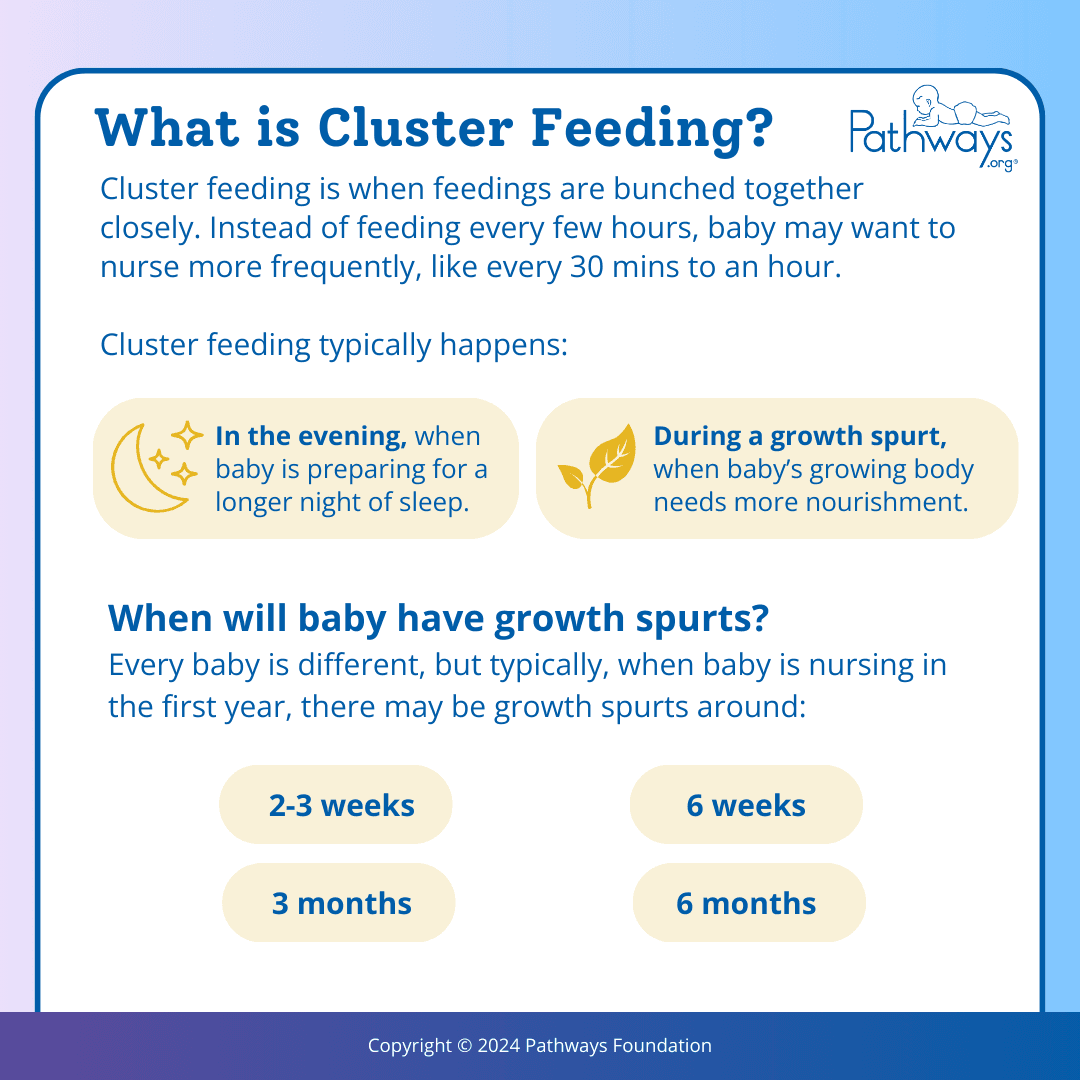
Babies feed more often than usual during cluster feeding. They may want to nurse every 30 minutes to an hour. These sessions can last longer than regular feeds. This pattern often happens in the late afternoon or evening. Expect several feedings close together over a few hours.
Baby’s Behavior Changes
Your baby may seem fussier or more restless. They might cry more between feedings. Clinginess and wanting to be held often increase. Your baby might suck on fingers or pacifiers more. These behaviors show they need extra comfort and food.
Common Age Range
Cluster feeding usually happens in the first few weeks. Many babies cluster feed around 2 to 3 weeks old. It can also occur during growth spurts later on. Babies around 6 weeks or 3 months may cluster feed again. This is normal and helps them grow.
Reasons Behind Cluster Feeding
Cluster feeding can feel overwhelming for parents. Understanding why babies cluster feed helps ease worries. Babies have natural reasons for wanting to feed often in short times. Recognizing these reasons makes feeding times smoother and less stressful.
Growth Spurts
Babies grow fast in the first months. Growth spurts cause them to feel hungrier. They feed more often to get extra nutrients. Cluster feeding supports this rapid growth. It helps babies gain weight and develop well.
Comfort And Bonding
Feeding is not just about hunger. Babies also feed to feel close and safe. Cluster feeding offers comfort during fussiness or tiredness. It strengthens the bond between baby and parent. Skin-to-skin contact calms both and builds trust.
Milk Supply Regulation
Frequent feeding helps mothers produce enough milk. Cluster feeding signals the body to make more milk. This keeps the supply steady and matches baby’s needs. It prevents low milk supply and supports healthy feeding routines.
Feeding Strategies
Feeding strategies help manage cluster feeding times with less stress. Babies often feed more in short periods to boost milk supply. Parents can use simple methods to support their baby and stay calm during these times.
Responsive Feeding
Respond quickly to your baby’s hunger signals. Watch for cues like sucking on hands or lip movements. Feeding on demand helps meet the baby’s needs. It also encourages a healthy milk supply. Avoid strict schedules during cluster feeding phases.
Breastfeeding Tips
Keep baby close to encourage frequent feeding. Use comfortable positions to reduce strain on your body. Switch breasts often to stimulate milk production. Stay hydrated and rest when possible. Skin-to-skin contact can soothe both baby and mother.
Bottle Feeding Approaches
Choose slow-flow nipples to mimic breastfeeding pace. Offer smaller, more frequent feeds to match cluster feeding. Hold baby upright during feeding for better digestion. Watch for fullness signs to avoid overfeeding. Keep bottles clean to ensure baby’s safety.
Soothing Techniques
Cluster feeding can be tough for both babies and parents. Babies need extra comfort and care during these times. Soothing techniques help calm your baby and make feeding easier. These simple methods can reduce fussiness and help your baby feel safe.
Swaddling And Holding
Swaddling keeps your baby snug and warm. Wrap your baby gently in a soft blanket. This makes them feel secure like in the womb. Holding your baby close also helps. Skin-to-skin contact can calm your baby quickly. It lowers crying and increases comfort.
Using White Noise
White noise mimics sounds your baby heard before birth. It can be the sound of a fan, vacuum, or special white noise machine. These sounds help block out other noises. White noise can soothe your baby and help them relax. Use it softly and avoid loud volumes.
Gentle Movement
Slow rocking or gentle bouncing calms your baby. You can use a rocking chair or carry your baby while walking. Movement reminds babies of being in the womb. It helps ease their fussiness and promotes sleep. Always support your baby’s head and neck carefully.
Managing Parental Fatigue
Cluster feeding can drain parents quickly. The frequent feeding sessions tire you out. Managing this fatigue helps you stay calm and healthy. It also supports your baby’s needs better. Focus on simple ways to care for yourself. Small steps can make a big difference.
Rest And Self-care
Rest is vital during cluster feeding days. Sleep when your baby sleeps. Short naps help recharge your energy. Drink water and eat nutritious meals. Avoid skipping meals even if you feel tired. Take a few minutes to relax daily. Breathing exercises can reduce stress levels.
Seeking Support
Ask for help from family or friends. Sharing tasks eases your burden. Talk openly about your feelings. Join a parent support group online or nearby. Knowing others face the same challenges comforts you. Professional advice from lactation consultants can also help.
Setting Realistic Expectations
Understand cluster feeding is temporary. Your baby’s demand will change soon. Set small, achievable goals each day. Avoid pushing yourself too hard. Celebrate small wins like a full feeding session. Remember, perfect parenting is not the goal. Patience and kindness to yourself matter most.

When To Consult A Pediatrician
Cluster feeding is normal for many babies. It helps them get the nutrition they need during growth spurts. Sometimes, cluster feeding can be confusing or stressful for parents. Knowing when to talk to a pediatrician can ease worries. It ensures your baby is healthy and feeding well.
Signs Of Feeding Issues
Watch for trouble during feeding. Does your baby choke or cough often? Do they pull away from the breast or bottle quickly? These could mean feeding problems. Babies who struggle to latch or suck may need help from a doctor. Early support can prevent long-term issues.
Weight Gain Concerns
Weight gain shows if your baby gets enough milk. Babies usually gain weight steadily after the first week. If your baby loses weight or does not gain well, check with a pediatrician. Slow weight gain can signal feeding or health problems. The doctor can provide advice or tests if needed.
Persistent Fussiness
All babies fuss sometimes. But constant crying or irritability is a red flag. Your baby might be hungry, in pain, or uncomfortable. If fussiness lasts for hours and feeding does not help, speak to a pediatrician. They can find the cause and suggest solutions.

Frequently Asked Questions
What Is Cluster Feeding In Newborns?
Cluster feeding is when a baby feeds frequently in short intervals. It usually occurs during growth spurts and helps increase milk supply.
How Long Does Cluster Feeding Usually Last?
Cluster feeding often lasts from a few hours to several days. It varies depending on the baby’s age and growth stage.
Why Do Babies Cluster Feed So Often?
Babies cluster feed to meet increased hunger during growth spurts. It also helps stimulate the mother’s milk production effectively.
How Can Parents Manage Cluster Feeding Stress?
Parents should stay calm, offer skin-to-skin contact, and rest when possible. Hydration and support from others reduce stress during cluster feeding.
Conclusion
Cluster feeding is a normal phase in baby growth. It can feel tiring, but it helps your baby get enough milk. Try to stay calm and patient during these times. Offer frequent feeds and keep your baby comfortable. Rest when you can and ask for help if needed.
Remember, this stage will pass soon. Your care makes a big difference in your baby’s health and happiness. Keep trusting your instincts as a parent.