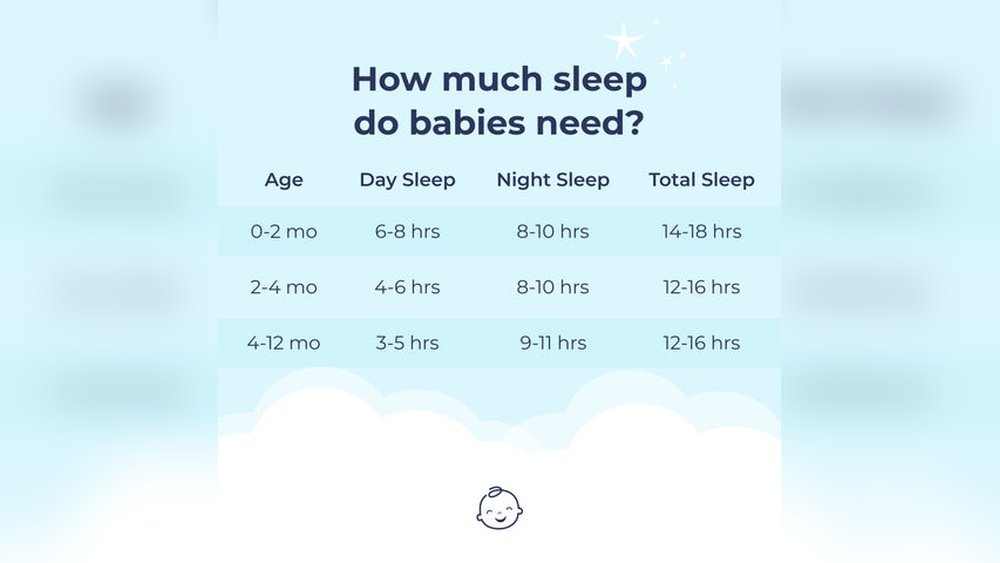
Are you wondering how many hours your newborn should be sleeping each day? As a new parent, sleep can feel like a mystery wrapped in exhaustion.
You might find yourself asking if your baby is sleeping enough or too much. Understanding your newborn’s sleep needs is key to helping them grow healthy and keeping your own sanity intact. You’ll discover clear answers and practical tips that will make those sleepless nights a little easier to handle.
Keep reading to learn exactly what your baby’s sleep schedule should look like—and why it matters so much for both of you.

Newborn Sleep Needs
Newborn sleep needs are very different from older children and adults. Babies grow fast and need plenty of rest. Sleep helps their brain and body develop. Parents often wonder how much sleep a newborn requires each day. Understanding these needs helps create a calm environment for the baby.
Newborns do not sleep for long stretches. Their sleep is spread out over day and night. This pattern supports their feeding and growth. Knowing what to expect can ease parents’ worries. It also helps in planning daily activities around the baby’s sleep.
Typical Sleep Duration
Newborns usually sleep 14 to 17 hours in 24 hours. Some babies sleep up to 18 or 19 hours. Sleep happens in short periods, about 2 to 4 hours each. These frequent naps are normal and healthy. Babies wake often to eat and get comfort. Sleep needs slowly change as the baby grows.
Sleep Cycles In Newborns
Newborns have shorter sleep cycles than adults. Each cycle lasts about 50 to 60 minutes. The cycle has two main parts: active sleep and quiet sleep. Active sleep is when babies move and dream. Quiet sleep is deep and restful. Babies often wake at the end of a cycle. This is a natural part of their sleep pattern.
Signs Of Sleepiness
Recognizing when a newborn feels sleepy is important for healthy sleep habits. Babies cannot tell us they are tired. Parents must watch for signs to help their little one rest well.
Early sleepiness signs show before a baby becomes fussy. Catching these signs can make putting a baby to sleep easier. It helps avoid overtiredness, which makes falling asleep harder.
Common Sleep Cues
Newborns show many small signs when they are ready for sleep. Yawning is one of the easiest signs to see. Rubbing their eyes or face often means they feel tired. Looking away from toys or people can also be a cue. Fussiness or sudden crying might mean sleepiness too. Some babies become quieter and less active before sleep. Watching these signs helps parents act quickly.
When To Put Baby To Sleep
Timing is key to good sleep for newborns. Put your baby down as soon as sleep cues appear. Waiting too long can make them overtired and harder to settle. Try to create a calm space for sleep. Dim lights and soft sounds help. Swaddling or gentle rocking can soothe a sleepy baby. Consistent timing helps babies learn when to sleep.
Safe Sleep Practices
Safe sleep practices are very important for newborns. They help reduce risks and keep babies comfortable. Parents and caregivers need to know how to create a safe space for sleep. This section covers key tips for safe sleeping habits.
Creating A Safe Sleep Environment
Choose a firm mattress for the baby’s crib or bassinet. Avoid soft bedding, pillows, and stuffed toys. These items can cause suffocation risks. Keep the sleep area free from loose blankets. Use a fitted sheet that fits snugly on the mattress. Maintain a comfortable room temperature to prevent overheating. Dress the baby in light sleep clothing instead of heavy blankets.
Sleep Position And Safety
Always place a newborn on their back to sleep. This position lowers the chance of sudden infant death syndrome (SIDS). Avoid placing babies on their stomach or side. Once babies can roll over by themselves, they may choose their sleep position. Do not use sleep positioners or wedges. These devices are unsafe and not recommended by health experts.

Day Vs Night Sleep
Newborns sleep a lot, but their sleep does not follow a day and night pattern. They have short sleep periods around the clock. This can be confusing and tiring for parents.
Understanding the difference between day and night sleep in newborns helps manage expectations. It also guides how to support babies in building a healthy sleep routine.
Sleep Patterns In The First Weeks
Newborns sleep 14 to 17 hours each day. They sleep in small chunks, usually 2 to 4 hours at a time. There is no clear difference between day and night sleep.
Babies wake often to eat. Their internal clock, called the circadian rhythm, is not yet developed. Day and night feel the same to them.
Helping Newborns Differentiate
Parents can help babies learn day and night differences. During the day, keep the environment bright and active. Talk and play softly with the baby.
At night, keep lights dim and noise low. Use calm voices and gentle movements. This signals to the baby that it is time to sleep longer.
Consistent routines help newborns start to understand when to sleep deeply. Over time, this supports longer night sleep and fewer wake-ups.
Factors Affecting Sleep Duration
Newborn sleep duration varies a lot. Many things affect how long a baby sleeps each day. Understanding these factors helps parents support healthy sleep habits. Sleep changes based on feeding, growth, and other needs.
Feeding Schedules
Newborns eat often. Feeding times shape their sleep patterns. Babies may wake up to feed every two to four hours. Feeding before sleep helps some babies rest longer. Babies who feed less often might have shorter sleep cycles. Feeding type, like breast milk or formula, also affects sleep. Breastfed babies often wake more for feedings.
Growth Spurts And Sleep Changes
Growth spurts cause changes in sleep. During these times, babies may sleep more or less. They often feed more to support fast growth. Sleep may become restless or irregular. Growth spurts usually happen at 2 weeks, 6 weeks, and 3 months. Parents may notice sudden changes in sleep and mood. These phases are temporary but impact sleep length.
Common Sleep Challenges
Newborns can face several sleep challenges that confuse parents. These challenges may cause less sleep and more crying. Understanding common problems helps parents stay calm and patient. It also helps to find ways to soothe the baby and improve sleep.
Colic And Fussiness
Colic is a frequent cause of sleep trouble in newborns. Babies with colic cry loudly for hours without clear reasons. This fussiness often happens in the evening or at night. It can make babies hard to calm down and put to sleep.
Colic usually starts at a few weeks old and lasts a few months. Parents can try gentle rocking, soft sounds, or a warm bath. These methods may help calm the baby. Feeding techniques can also affect colic. Burping the baby well after feeding can reduce discomfort.
Sleep Regression
Sleep regression happens when a baby suddenly sleeps less. It often starts around 4 months old. Babies wake more often and refuse naps. This change can confuse parents who thought sleep was improving.
Sleep regression is normal and part of growth. Babies learn new skills like rolling or sitting. These skills can disrupt their sleep patterns. Parents should keep a consistent bedtime routine. Patience and comfort help babies return to better sleep.
Tips For Better Newborn Sleep
Helping your newborn sleep better is important for their growth and your peace. Sleep patterns in newborns can be irregular at first. Small changes in daily habits can lead to better rest for your baby.
Simple steps make a big difference. Creating a calm and safe sleep space helps. Understanding gentle ways to calm your newborn supports longer sleep times.
Establishing A Routine
Babies feel secure with a set routine. Try to put your baby to sleep at the same time each day. A predictable schedule helps their body know when to rest. Use consistent pre-sleep activities like a bath or lullaby. Keep the environment quiet and dim to signal sleep time.
Soothing Techniques
Soft sounds can calm your newborn. Gentle rocking or patting mimics the womb’s comfort. Swaddling helps some babies feel safe and warm. A pacifier may soothe and reduce crying. Watch your baby’s cues to find what comforts them best.
When To Seek Help
Newborn sleep patterns can be tricky to understand. Most babies sleep a lot, but not all sleep is healthy. Knowing when to ask for help is important. Some signs show that a baby might have sleep problems. Early action can make a big difference for your newborn’s health and happiness.
Signs Of Sleep Disorders
Watch for constant difficulty falling asleep. Loud snoring or noisy breathing during sleep is a warning. Frequent waking up more than usual may indicate an issue. Long periods of irritability or fussiness after naps are signs too. If your baby seems very tired but cannot sleep well, take note. These patterns do not fit normal newborn sleep.
Consulting Pediatricians
Talk to your pediatrician if you see sleep problems. They can check for conditions like sleep apnea or reflux. Doctors may suggest sleep studies or tests. Early diagnosis helps treat issues faster. Follow your pediatrician’s advice carefully to improve your baby’s sleep. Regular check-ups keep track of your newborn’s sleep health.

Frequently Asked Questions
How Many Hours Do Newborns Sleep Daily?
Newborns typically sleep 14 to 17 hours each day. Sleep occurs in short periods lasting 2 to 4 hours. This pattern supports their rapid growth and brain development during the first month.
Why Do Newborns Sleep So Much?
Newborns sleep extensively to support physical and neurological growth. Sleep helps their brain process new experiences and develop essential functions. It also aids in immune system strengthening and overall health maintenance.
When Do Newborn Sleep Patterns Stabilize?
Newborn sleep patterns usually stabilize around 6 to 8 weeks. At this time, babies start sleeping longer stretches at night. Parents often notice more predictable sleep and wake cycles emerging.
Is It Normal For Newborns To Wake Frequently?
Yes, frequent waking is normal for newborns. They wake to feed every 2 to 3 hours. This ensures proper nutrition and supports their rapid growth needs during early life.
Conclusion
Newborns need plenty of sleep to grow healthy and strong. Most babies sleep between 14 to 17 hours each day. Sleep helps their brain and body develop well. Parents should watch for signs of tiredness and keep a regular sleep routine.
Every baby is different, so flexibility is important. Good sleep habits today help build healthy patterns for tomorrow. Remember, restful sleep supports your newborn’s happiness and growth. Keep patience and care as your baby learns to sleep well.


