Are you wondering how long a crib can really last? Choosing the right crib is a big decision, and you want to make sure it stays safe and comfortable for your little one.
But how long should you expect to use it before it’s time for something new? Knowing the lifespan of a crib can save you money, keep your baby safe, and help you plan better for the future. Keep reading to discover everything you need to know about how long a crib lasts and when it’s time to say goodbye.
Your peace of mind—and your child’s comfort—depend on it.
Crib Lifespan Factors
The lifespan of a crib depends on several key factors. These factors affect how long the crib stays safe and sturdy. Understanding them helps parents choose and care for cribs better.
Each element plays a role in the crib’s durability. From the materials used to how often it is used, every detail matters. Proper care can extend the crib’s life significantly.
Material Quality
Cribs made from solid wood last longer than those made from particleboard. High-quality materials resist wear and damage better. Paint and finish quality also affect durability. Non-toxic, sturdy finishes protect the crib surface.
Design And Build
A well-built crib has strong joints and smooth edges. Good design prevents wobbling and breaks. Adjustable cribs that convert to toddler beds often last more years. Check for secure screws and stable frames.
Usage Frequency
How often a crib is used impacts its lifespan. Daily use causes more wear and tear. Cribs used for multiple children or in daycare may wear out faster. Less frequent use means less stress on parts.
Maintenance Practices
Regular cleaning keeps the crib safe and fresh. Tightening screws often prevents loose parts. Avoid harsh chemicals that damage finishes or materials. Proper storage during breaks helps maintain condition.
Safety Standards Over Time
Safety standards for cribs have changed a lot over the years. These changes help protect babies from risks like falls, suffocation, and choking. Understanding how these rules have evolved helps parents choose the best crib for their child. It also shows why older cribs might not be as safe today.
Federal Regulations
The government sets rules for crib safety. These rules cover crib design, materials, and construction. The Consumer Product Safety Commission (CPSC) enforces these laws. New rules started in the 1970s and have tightened since then. They focus on things like slat spacing and mattress support. These rules aim to reduce accidents and injuries.
Recalls And Updates
Sometimes, cribs are recalled for safety problems. Recalls happen when a crib part is dangerous or breaks easily. Parents should check recall lists before using a crib. Manufacturers fix or replace recalled parts. Updates to crib designs follow new safety research. These updates help keep cribs safer over time.
Impact On Older Cribs
Older cribs may not meet current safety rules. They might have wide slats or drop sides. These features increase the risk of injury. Using an older crib needs extra caution. Check for recalls and repair any damage. Consider replacing old cribs to ensure baby’s safety.
Signs Your Crib Needs Replacement
Knowing when to replace a crib is important for your baby’s safety. Cribs can wear out over time. Some signs show the crib is no longer safe to use. Watch for these signs carefully to protect your child.
Structural Damage
Look for cracks or broken parts on the crib. Loose joints or missing screws are dangerous. A crib that wobbles or feels unstable needs replacement. Damage can cause the crib to collapse unexpectedly.
Wear And Tear
Scratches and chips may seem minor but affect safety. Paint peeling off can be harmful if ingested. Old cribs may have splinters or rough edges. These issues make the crib unsafe for your baby.
Safety Hazard Indicators
Check if the crib meets current safety standards. Slats more than 2 3/8 inches apart are risky. Drop-side cribs can cause injury and must be replaced. Missing or broken hardware is a clear warning sign.

Extending Crib Durability
Extending the life of your crib saves money and reduces waste. Taking care of your crib keeps it safe for your child and future siblings. Simple steps can help your crib stay sturdy and attractive for years. This section covers key ways to keep your crib in top shape.
Regular Inspections
Check your crib often for loose screws and broken parts. Tighten any loose bolts to keep the crib stable. Look for cracks or splinters in the wood or metal. Replace damaged parts right away to avoid accidents. Regular checks help catch small problems before they grow.
Proper Cleaning
Clean your crib with mild soap and warm water. Avoid harsh chemicals that can damage the finish or harm your baby. Wipe down all surfaces and dry them well. Clean regularly to remove dust and dirt that wear down the crib. A clean crib lasts longer and stays safe.
Safe Storage Tips
Store your crib in a dry, cool place away from sunlight. Avoid damp areas to prevent mold and rust. Disassemble the crib carefully and keep all parts together. Cover the pieces with a cloth to protect from dust. Proper storage keeps your crib ready for future use.
Convertible Cribs And Longevity
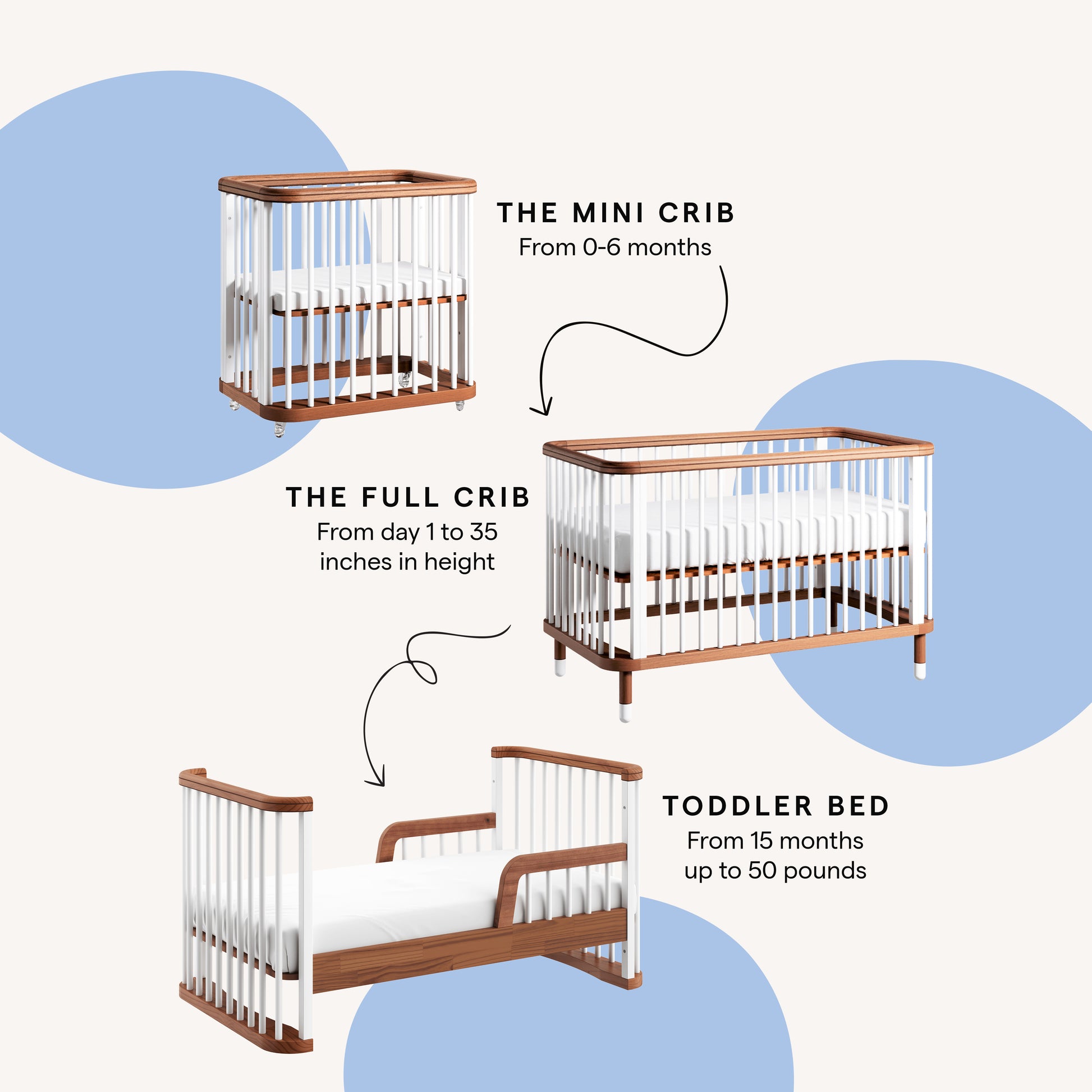
Convertible cribs offer a smart solution for growing families. These cribs change as your child grows, making them useful for many years. They save money and space by serving multiple purposes. Understanding their types and benefits helps you choose the right one for long-term use.
Types Of Convertible Cribs
Standard convertible cribs change into toddler beds. Some models convert further into daybeds or full-sized beds. There are cribs that transform into sofas or benches too. Each type fits different needs and room sizes. Choose based on your child’s growth stages and your space.
Benefits For Long-term Use
Convertible cribs last much longer than regular cribs. They adapt to your child’s changing needs. This reduces the need to buy new beds frequently. These cribs often use strong materials for durability. They also keep your child comfortable through different ages.
Potential Drawbacks
Some convertible cribs can be costly upfront. The assembly process may take more time. Not all models fit every room size or style. Some parts might wear out after years of use. Always check the warranty and material quality before buying.
Choosing A Crib For Maximum Lifespan
Choosing a crib that lasts long saves money and effort. A durable crib can serve for multiple children or be used in different rooms. Focus on materials, design, and brand to find the best option. This helps ensure safety and comfort for your baby over time.
Materials To Consider
Wood is the most common material for cribs. Solid hardwoods like oak and maple are strong and last longer. Avoid particleboard or softwoods that wear out quickly. Check for non-toxic finishes to keep the crib safe. Metal cribs can also be durable but may feel cold or heavy. Choose materials that can handle daily use without damage.
Design Features
Look for cribs with adjustable mattress heights. This feature helps as your baby grows. Convertible cribs that change into toddler beds add years of use. Simple designs with fewer parts reduce breakage risks. Rounded edges improve safety and reduce wear. Easy-to-clean surfaces keep the crib looking new longer.
Brand Reliability
Pick brands known for quality and safety standards. Well-reviewed brands often use better materials and designs. Check for certifications like JPMA or ASTM. These show the crib meets safety rules. Trusted brands also offer good customer support and warranties. This protects your investment and ensures the crib lasts.
When To Upgrade For Safety
Knowing when to upgrade your crib is crucial for your child’s safety. Cribs are designed for babies and toddlers, but they do not last forever. Over time, wear and safety standards change. Parents must watch for signs that mean it is time to move on.
Upgrading your crib at the right time keeps your child safe. It also helps avoid accidents. Understanding age limits, new safety rules, and early warning signs makes the process easier.
Age Recommendations
Most cribs are safe until your child turns two to three years old. After this age, toddlers may try to climb out. This increases the risk of falls and injuries. Some cribs convert to toddler beds, extending their use. Still, parents should follow the manufacturer’s age and weight limits closely.
New Safety Innovations
Crib safety rules improve regularly. New models may have better guardrails and stronger materials. Some include breathable mesh sides or safer mattress heights. Older cribs might lack these features. Upgrading ensures your child benefits from the latest safety designs.
Signs To Switch Early
Look for cracks, loose screws, or broken parts on the crib. These can cause accidents. If your child starts climbing out or standing on the rail, it’s time to upgrade. Also, check for recalls or safety alerts about your crib model. Acting early prevents harm.
Frequently Asked Questions
How Long Can A Crib Typically Be Used?
A crib usually lasts from birth until the child is about 2 to 3 years old. Some cribs convert to toddler beds, extending use up to 5 years. Always check manufacturer guidelines for weight and height limits to ensure safety.
When Should You Stop Using A Crib?
Stop using a crib when your child can climb out or exceeds size limits. This typically occurs between 2 to 3 years of age. Transitioning early prevents falls and injuries, ensuring your child’s safety during sleep.
Can Cribs Be Converted For Longer Use?
Yes, many cribs convert into toddler beds or daybeds. This feature extends usability up to 5 years or more. Convertible cribs are cost-effective and adapt to your child’s growing needs while maintaining safety standards.
How Does Crib Quality Affect Its Lifespan?
High-quality cribs made from sturdy materials last longer and stay safe. Cheaper cribs may wear out or become unsafe sooner. Invest in durable, certified cribs to ensure safety and maximize lifespan for your child.
Conclusion
A crib usually lasts until your child outgrows it. Most cribs can be used for about 2 to 3 years. Some convertible cribs extend use up to 5 years or more. Check the crib’s condition regularly for safety. Always follow the manufacturer’s guidelines for use.
Choosing a sturdy and well-made crib helps it last longer. When your child grows, consider transitioning to a toddler bed. This keeps your child comfortable and safe. Remember, safety matters more than how long the crib lasts.