Are you juggling between breastfeeding and bottle feeding? Combination feeding can feel overwhelming at times, but it doesn’t have to be.
With the right tips, you can make this transition smooth and stress-free for both you and your baby. You’ll discover practical advice that helps you balance feeding methods while keeping your baby happy and healthy. Ready to make feeding time easier and more enjoyable?
Keep reading to find out how.
Benefits Of Combination Feeding
Combination feeding offers many advantages for both parents and babies. It blends breastfeeding and bottle feeding. This method helps meet baby’s needs and fits family life well.
Parents can feel less stressed while giving their baby the best nutrition. Babies get the benefits of breast milk and formula. This approach supports feeding goals and daily routines.
Flexibility For Parents
Combination feeding allows parents to share feeding duties. Moms can rest or return to work without stopping breast milk. Other family members can bond with the baby through bottle feeding.
This flexibility reduces pressure on the mother. Parents can plan feeding around their schedules. Feeding times become more relaxed and less rushed.
Nutritional Balance
Breast milk provides antibodies and nutrients for baby’s health. Formula adds extra vitamins and minerals if breast milk is low. Together, they give a well-rounded diet for the baby.
This balance supports healthy growth and development. Babies may feed better and feel satisfied. It helps avoid feeding problems like low milk supply.
Supporting Breastfeeding Goals
Combination feeding helps moms continue breastfeeding longer. Moms can avoid stress from exclusive breastfeeding demands. It allows gradual weaning when the time is right.
Breastfeeding goals stay realistic and flexible. Moms feel more confident and supported. This method respects mother and baby’s needs and choices.
Choosing The Right Feeding Method
Choosing the right feeding method is key for your baby’s health and your comfort. Many parents combine breastfeeding and bottle feeding to meet their baby’s needs. This choice depends on your lifestyle, baby’s preferences, and health factors.
Understanding different feeding methods helps you make the best decision. Each method has benefits and challenges. Knowing these can guide you in creating a feeding plan that works well for both you and your baby.
Breastfeeding And Bottle Feeding Options
Breastfeeding provides natural nutrients and antibodies. It strengthens the bond between mother and baby. Bottle feeding offers flexibility and allows others to feed the baby. It can use expressed breast milk or formula. Combining both can make feeding easier and more flexible.
Selecting Formula Types
Formula is a good alternative when breastfeeding is not possible. Choose a formula that suits your baby’s age and health needs. Cow’s milk-based formulas are common for most babies. For sensitive babies, hypoallergenic or soy-based formulas may help. Always check the ingredients and consult your doctor.
Paced Bottle Feeding Techniques
Paced feeding mimics breastfeeding flow. It helps babies control milk intake and reduces overfeeding. Hold the bottle horizontally and allow slow milk flow. Let the baby pause and breathe during feeding. This technique supports healthy feeding habits and comfort for your baby.
Creating A Feeding Schedule
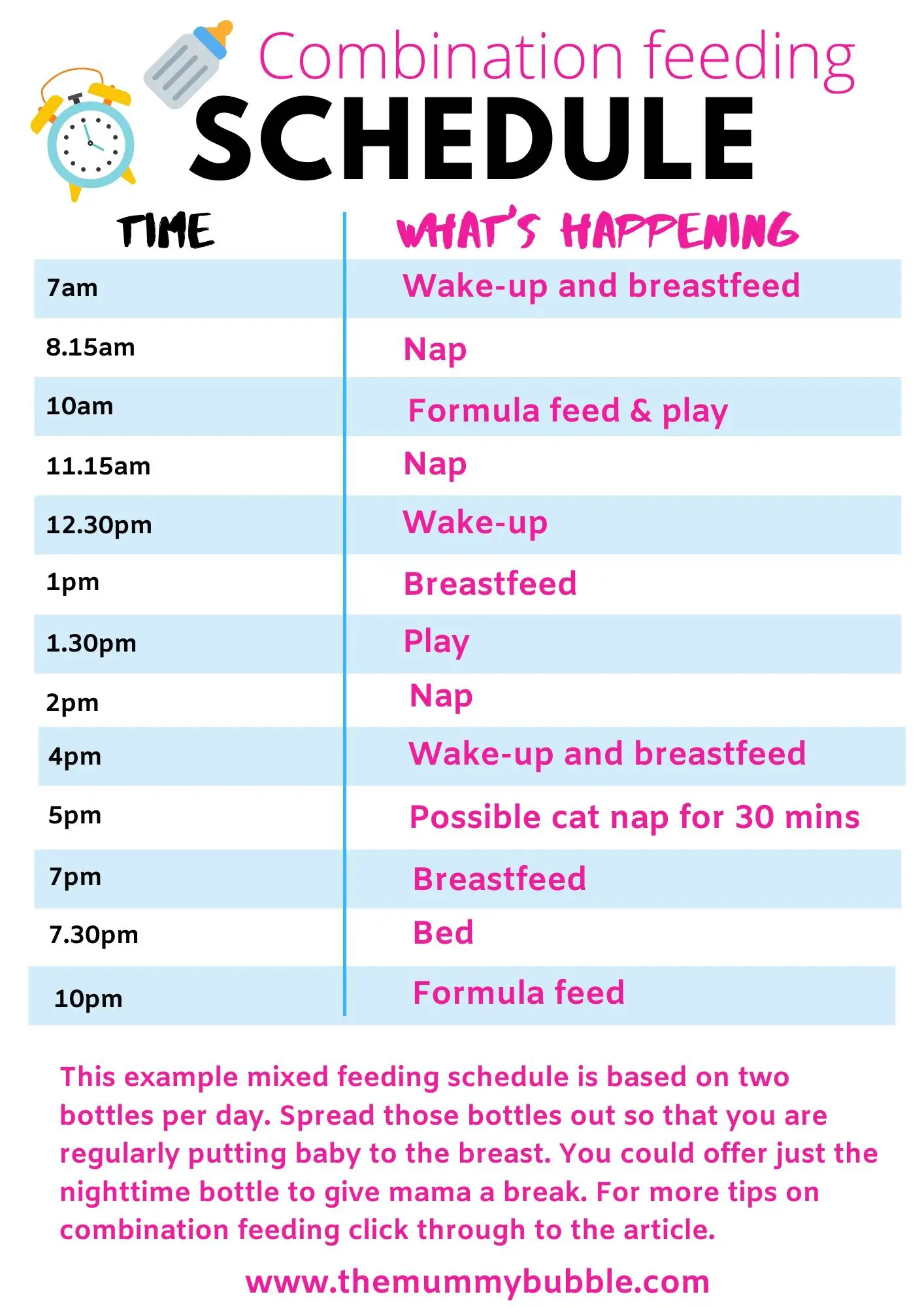
Creating a feeding schedule is key to smooth combination feeding. It helps both you and your baby know what to expect. A good schedule balances breast and bottle feedings. It also respects your baby’s natural hunger signals.
Balancing Breast And Bottle Timings
Start by planning breast and bottle feeds at different times. Breastfeed first to keep milk supply steady. Offer bottle feeds between breastfeeding sessions. This approach prevents nipple confusion and helps your baby adjust. Keep track of feeding times to avoid overlap. Consistency builds comfort for both of you.
Adapting To Baby’s Hunger Cues
Watch your baby closely for hunger signs. Crying, rooting, and lip-smacking signal it’s time to feed. Feed on demand, not just by the clock. Some days your baby may want more breastfeeds. Other days, more bottle feeds might feel right. Stay flexible and follow your baby’s lead.
Managing Night Feedings
Night feedings can be tricky with combination feeding. Try breastfeeding first at night to soothe your baby. Use bottle feeds only if breastfeeding isn’t enough. Keep the room calm and quiet during night feeds. This helps your baby settle back to sleep easily. Limit stimulation to support better sleep habits.
Tips For Successful Breastfeeding
Successful breastfeeding takes practice and patience. It helps to learn key tips that support both mother and baby. These tips can make feeding times easier and more comfortable. They also help keep milk supply steady and ensure the baby gets enough nourishment.
Below are important tips for successful breastfeeding during combination feeding. Follow these to build confidence and make feeding a positive experience.
Maintaining Milk Supply
Breast milk supply depends on regular feeding or pumping. Feed your baby often, at least 8 to 12 times a day. Pump between feeds if your baby uses a bottle. Drink plenty of water and eat healthy meals. Rest as much as possible. Avoid skipping feeds to keep milk flowing well.
Proper Latching Techniques
A good latch helps the baby feed well and prevents pain. Hold your baby close, tummy to tummy. Make sure their mouth covers both nipple and part of the areola. Look for wide-open mouth before latching. Listen for swallowing sounds during feeding. If feeding hurts, gently break the latch and try again.
Handling Common Challenges
Some challenges are normal and can be managed. Sore nipples may need extra care with nipple creams or cold compresses. If your baby is fussy, try different feeding positions. Watch for signs of tongue-tie or allergies. Consult a lactation expert if problems continue. Support and patience help overcome these hurdles.
Bottle Feeding Best Practices
Bottle feeding is a vital part of combination feeding. It offers flexibility and helps parents share feeding duties. Following best practices ensures your baby stays healthy and happy. This section covers key tips for bottle feeding.
Choosing The Right Bottle And Nipple
Select bottles made from safe, BPA-free materials. Look for shapes that fit your baby’s mouth comfortably. Nipples come in different flow rates. Start with a slow flow for newborns to avoid choking. Change nipple size as your baby grows and feeds faster. Choose nipples that mimic breastfeeding for smooth transition.
Preparing And Storing Formula Safely
Always wash hands before preparing formula. Use clean, boiled water cooled to the right temperature. Follow the formula package instructions carefully for correct mixing. Avoid adding extra water or powder. Store prepared bottles in the fridge for up to 24 hours. Never reuse leftover formula from a feeding. Warm bottles by placing them in warm water, not the microwave.
Cleaning And Sterilizing Equipment
Clean bottles and nipples after every use with hot, soapy water. Use a bottle brush to reach all parts. Rinse thoroughly to remove soap residue. Sterilize bottles and nipples daily, especially for babies under three months. Use steam sterilizers, boiling water, or sterilizing solutions. Store sterilized equipment in a clean, dry place.
Managing Stress And Expectations
Managing stress and expectations is a key part of combination feeding. Parents often face pressure to do everything perfectly. This can cause worry and frustration. It helps to understand that every family’s journey is unique. Patience and kindness toward yourself make the process easier.
Setting Realistic Goals
Set small and clear goals for feeding. Avoid aiming for perfection at the start. Celebrate each small success. This reduces pressure and builds confidence. Understand that progress can be slow and uneven. Adjust goals as your baby grows and needs change.
Seeking Support From Professionals
Talk to doctors, nurses, or lactation consultants. They offer advice based on your situation. Professionals can answer questions and ease worries. Getting support early helps prevent problems. Join groups where parents share similar experiences.
Self-care For Parents
Take time to rest and relax. Eating well and sleeping enough is important. Stress can affect your health and feeding success. Ask for help from family or friends. A calm parent creates a calm feeding time for the baby.
Tracking Baby’s Growth And Health
Tracking your baby’s growth and health is essential during combination feeding. It helps ensure your baby gets enough nourishment from both breast milk and formula. Careful observation allows you to adjust feeding amounts and schedules to support your baby’s development. Regular check-ins can give peace of mind and help spot any concerns early.
Monitoring Weight And Feeding Patterns
Weigh your baby regularly to track growth. Weight gain shows if your baby gets enough food. Keep a feeding log to note times and amounts. This helps identify patterns and needs. Consistent feeding times create a routine that comforts your baby.
Recognizing Signs Of Hunger And Fullness
Watch for cues like sucking motions or lip smacking. These signs mean your baby is hungry. Crying often signals late hunger. Stop feeding when your baby turns away or falls asleep. These signs show your baby feels full and satisfied.
When To Consult A Pediatrician
Contact your pediatrician if your baby loses weight or feeds poorly. Seek advice if your baby shows unusual fussiness or rash. Regular health checks can catch problems early. Never hesitate to ask questions or share concerns about feeding.

Adjusting The Routine As Baby Grows
Adjusting your baby’s feeding routine is key as they grow. Their needs change fast. Your feeding plan should change too. This helps your baby get the right nutrition. It also keeps feeding times smooth and stress-free. Pay close attention to your baby’s cues and growth stages. This guides you in making good feeding choices.
Introducing Solids
Start solids around 6 months old. Begin with soft, simple foods like mashed vegetables or fruits. Offer small amounts first. Watch for any allergic reactions. Keep breastfeeding or bottle feeding while adding solids. Solids complement milk, not replace it yet. Feeding times may take longer as baby learns to chew and swallow. Be patient and encouraging during this phase.
Weaning From Breast Or Bottle
Weaning happens gradually. Notice when baby shows less interest in milk. Slowly reduce milk feeds one at a time. Replace them with solid meals or snacks. Use a cup to help shift from bottle feeding. Keep the routine calm and comforting. Avoid rushing this process. Baby needs time to adjust to new eating habits.
Adapting To Developmental Changes
Babies grow fast and their abilities change. They start sitting, crawling, and exploring food textures. Offer finger foods to develop motor skills. Encourage self-feeding with safe options. Adjust meal sizes and frequency as appetite grows. Stay flexible. Watch your baby’s signals to know when to change the routine. This support helps them thrive and enjoy mealtime.
Frequently Asked Questions
What Is Combination Feeding For Babies?
Combination feeding means using both breastfeeding and formula feeding. It offers flexibility and ensures the baby gets enough nutrition.
When Should I Start Combination Feeding?
You can start combination feeding anytime after establishing breastfeeding, usually after 3-4 weeks. Consult your pediatrician for guidance.
How Do I Balance Breastfeeding And Formula Feeding?
Feed breast milk first, then supplement with formula as needed. Monitor your baby’s hunger cues for proper balance.
What Are Common Challenges With Combination Feeding?
Challenges include nipple confusion, milk supply issues, and baby’s adjustment. Patience and consistent routines help overcome these challenges.
Conclusion
Combining breastfeeding and bottle feeding can feel challenging at first. Take your time and be patient with yourself and your baby. Watch your baby’s cues and adjust feeding routines as needed. Keep a flexible approach to find what works best for both of you.
Remember, feeding your baby with love is what matters most. You can create a happy feeding routine with small steps every day. Trust your instincts and enjoy this special bonding time.