Are you wondering if twins can safely share a crib? If you’re a parent or caregiver of twins, this question is probably on your mind.
You want what’s best for your little ones, but also need practical solutions for space and comfort. Sharing a crib might seem like a good idea, but is it really safe? You’ll discover important facts and expert advice that will help you make the right choice for your twins’ sleep setup.
Keep reading to find out what you need to know to keep your babies safe and happy at bedtime.
Risks Of Sharing A Crib
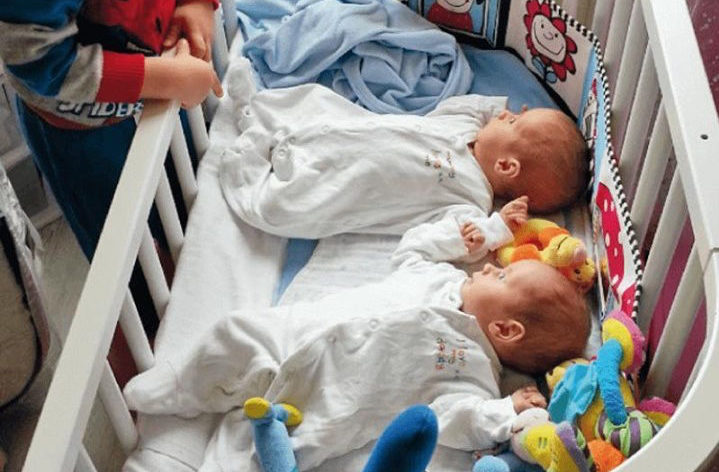
Sharing a crib with twins might seem practical. Yet, it carries risks that need careful thought. Parents must understand these dangers to keep babies safe. Here are the main risks linked to sharing a crib.
Suffocation Hazards
Babies can accidentally cover their faces with bedding. Twins close together may also block each other’s breathing. Soft toys or blankets increase suffocation risks. Careful crib setup is crucial to avoid these dangers.
Overheating Concerns
Two babies generate more heat than one. Overheating can cause discomfort and health issues. Tight spaces reduce airflow around twins. Keeping the crib cool and ventilated helps prevent overheating.
Restricted Movement
Twin babies need space to move freely. Limited room may affect their muscle growth. Restricted movement can lead to fussiness or discomfort. Each baby should have enough space to stretch and turn safely.
Benefits Of Co-sleeping Twins
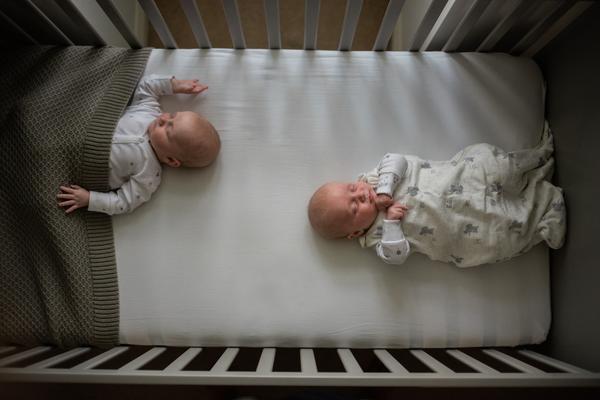
Co-sleeping twins can bring several benefits for both babies and parents. Sharing a crib helps twins stay close and feel secure. It also makes night care easier and supports bonding. Understanding these benefits can help parents decide on the best sleeping arrangement.
Enhanced Bonding
Twins develop a strong connection from birth. Sharing a crib helps them stay close and comfort each other. This closeness can reduce stress and promote healthy emotional growth. Babies often feel calmer when they are near their twin. The shared space supports their natural bond.
Simplified Nighttime Care
Co-sleeping twins makes nighttime care easier for parents. Feeding, soothing, and checking on both babies happen in one place. Parents save time moving between two cribs or rooms. This setup helps parents respond faster to babies’ needs. Less movement also means less noise and better sleep for everyone.
Comfort And Security
Twins feel safer when sleeping close together. The shared warmth and gentle movements provide comfort. Babies can hear and sense each other’s presence. This reduces crying and fussiness during the night. The cozy environment helps twins sleep longer and better.
Choosing The Right Crib
Choosing the right crib for twins is important for their comfort and safety. Twins need more space than single babies. Parents must find a crib that fits both babies well. The crib should also meet safety standards to protect the twins. There are special cribs made just for twins. These choices help parents create a safe and cozy sleeping place.
Size And Space Requirements
Twins need enough room to sleep without crowding. A standard crib may be too small for two babies. Look for larger cribs made for twins or use two separate cribs. The crib should fit comfortably in the nursery without blocking doors or windows. Allow extra space around the crib for easy access and movement. Proper space helps keep babies safe and comfortable.
Safety Standards To Look For
Check that the crib meets current safety rules. The crib should have strong, secure slats that are close together. Make sure there are no sharp edges or loose parts. The mattress should fit snugly inside the crib. Avoid cribs with drop sides, as they are unsafe. Always buy a crib that has been tested and approved by safety authorities.
Crib Types Suitable For Twins
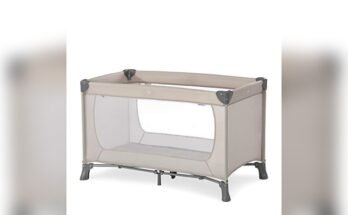
Twin cribs come in different styles. Double cribs have two side-by-side sleeping areas in one frame. Convertible cribs can change from one big crib to two separate cribs. Portable cribs are useful for travel or small spaces. Choose the type that fits your space and lifestyle best. Each option gives twins a safe and cozy place to sleep.
Safe Sleeping Practices
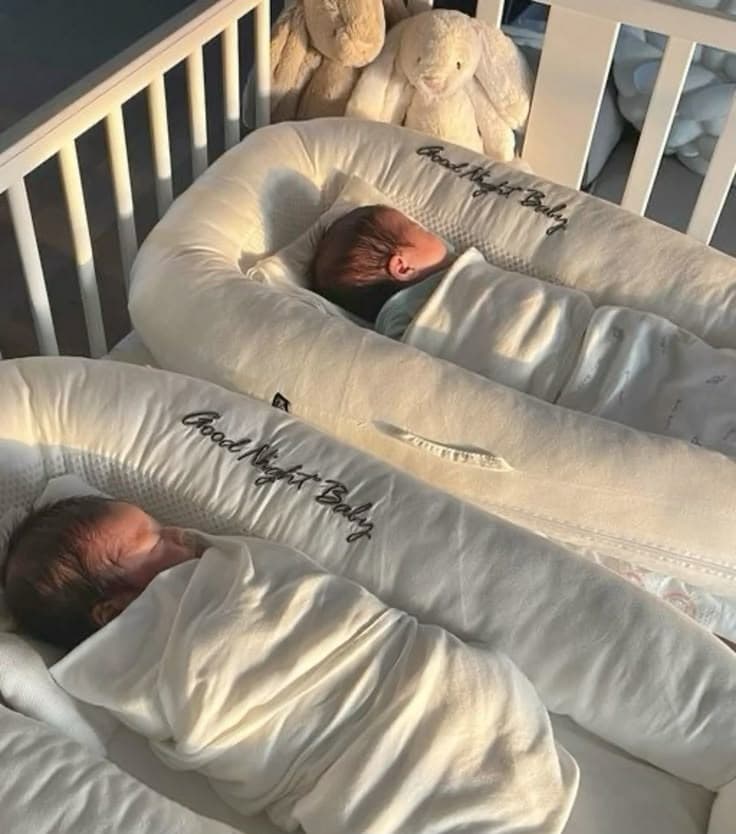
Safe sleeping practices are very important for twins sharing a crib. Keeping both babies safe and comfortable helps parents rest easier. Each aspect of the sleep environment matters. Small changes can reduce risks and create a peaceful place for twins to sleep.
Proper Mattress And Bedding
Choose a firm mattress that fits the crib perfectly. Soft mattresses increase the risk of suffocation. Use a mattress with a waterproof cover for easy cleaning. Avoid pillows, blankets, and toys in the crib. These items can block babies’ airways. Use fitted sheets made from breathable materials. Keep bedding simple and safe for both babies.
Optimal Sleep Positioning
Always place twins on their backs to sleep. This position lowers the chance of sudden infant death syndrome (SIDS). Keep their heads clear of each other to avoid accidental covering. Avoid placing twins too close to each other. Each baby needs enough space to move arms and legs freely. Check on them often to ensure they stay in the right position.
Temperature Control
Keep the room temperature comfortable, around 68 to 72 degrees Fahrenheit. Overheating increases risks during sleep. Dress twins in light sleepwear suitable for the room. Avoid heavy blankets or too many layers. Use a fan or air conditioner to maintain airflow. Monitor the room temperature regularly to keep it steady.
Monitoring Twins During Sleep
Monitoring twins during sleep is very important for their safety and comfort. Twins can share a crib, but parents must watch closely to ensure both babies are safe and sleeping well. Careful observation helps spot any problems early.
Using Baby Monitors
Baby monitors help parents see and hear their twins from another room. Video monitors show the babies’ movements and position. Audio monitors let parents hear any unusual sounds. Using monitors gives peace of mind and quick alerts.
Signs Of Distress To Watch
Watch for signs like difficulty breathing, unusual noises, or long silence. Restlessness or constant crying can mean discomfort. Skin color changes or very quiet breathing also need attention. Early detection helps prevent serious problems.
Regular Sleep Checks
Parents should check on twins regularly during sleep. Physical checks ensure both babies are comfortable and safe. Adjusting their position can reduce risks like suffocation. Consistent checks build good sleep habits and safety.
Alternatives To Sharing A Crib
Sharing a crib is not the only choice for twins. Many parents find other safe and comfortable options. These alternatives help twins sleep well while giving each baby personal space. Here are some popular ways to arrange sleeping spaces for twins.
Separate Cribs In Same Room
Placing two cribs in the same room is a common option. It gives each twin their own space to sleep. Parents can watch both babies easily. This setup helps twins feel close but still have their own area. It also reduces the risk of accidents.
Sidecar Cribs
Sidecar cribs attach to the parents’ bed. They offer a safe spot for babies near mom and dad. Twins can have two sidecar cribs side by side. This keeps babies close for feeding and comfort. It also helps parents rest better at night.
Bassinet Arrangements
Bassinets are smaller and perfect for newborn twins. Parents can place two bassinets close together in one room. This setup is easy to move and adjust. Bassinets create cozy, separate spaces for each baby. They also make night care simpler and quieter.
Consulting Pediatricians
Consulting pediatricians is essential for parents of twins considering sharing a crib. These doctors provide expert advice based on each child’s health and development. They help ensure safety and comfort for both babies.
Personalized Safety Advice
Pediatricians offer tailored guidance based on the twins’ age and weight. They assess risks like suffocation or overheating. This advice helps parents create a safe sleeping space. It reduces dangers linked to sharing a crib.
Addressing Parental Concerns
Doctors listen carefully to parents’ worries and questions. They explain potential risks and benefits clearly. This support helps parents make calm, informed decisions. It eases stress about sharing a crib.
Follow-up And Adjustments
Regular check-ups allow pediatricians to monitor twins’ growth and health. They suggest changes if needed, such as moving to separate cribs. This ongoing care ensures the best sleeping environment. It adapts as babies grow.
Frequently Asked Questions
Can Twins Safely Share A Crib?
Twins can share a crib if it meets safety standards and is spacious. However, many experts recommend separate cribs to reduce suffocation risks and ensure individual space. Always follow safe sleep guidelines to protect your babies.
What Are The Risks Of Twins Sharing One Crib?
Sharing a crib increases risks like suffocation, overheating, and restricted movement. Twins may accidentally cover each other’s faces or get tangled in bedding. Separate cribs reduce these dangers and promote safer sleep environments.
When Can Twins Start Sharing A Crib?
Twins can share a crib only when they outgrow infancy and can safely sleep together. This is typically after 12 months, but always consult your pediatrician. Early sharing is generally discouraged due to safety concerns.
What Size Crib Is Best For Twins?
A larger crib, such as a twin or double crib, is best if twins share. It provides enough space for both babies to move freely. Ensure the crib meets all current safety standards for multiple infants.
Conclusion
Twins can share a crib, but safety comes first. Make sure the crib is big enough for both babies. Use firm mattresses and avoid soft bedding to reduce risks. Watch their movements to prevent accidental rolling or crowding. Some parents prefer separate cribs for better sleep and safety.
Always follow guidelines from health experts. Every family is different, so choose what feels right. Keeping twins safe and comfortable matters most. A shared crib can work with careful planning and attention.