
Are you thinking about using a second-hand baby crib but feeling unsure if it’s safe for your little one? You’re not alone.
Many parents want to save money and be eco-friendly but worry about the risks involved. What if the crib has hidden damage or doesn’t meet current safety standards? You’ll discover exactly what to look for, what to avoid, and how to make sure your baby’s sleeping space is both safe and comfortable.
Keep reading to make an informed choice that gives you peace of mind and keeps your baby secure.
Risks Of Second-hand Cribs
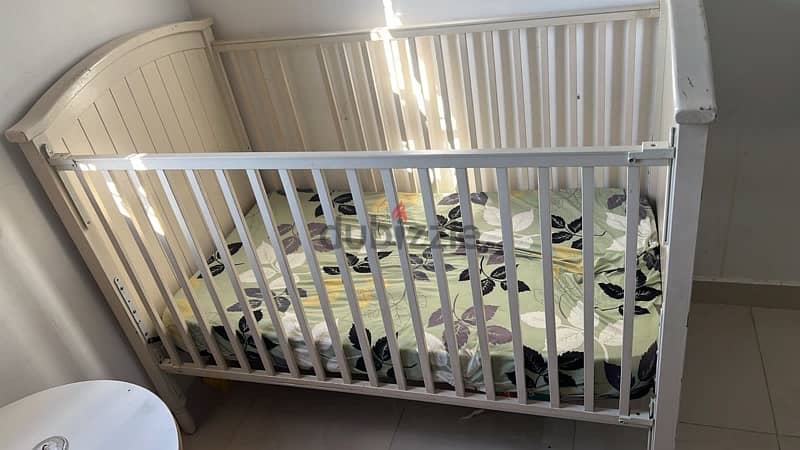
Choosing a second-hand baby crib can save money. But safety risks need attention. Not all used cribs are safe for babies. Understanding these risks helps parents make smart decisions.
Hidden Damage And Wear
Used cribs may have hidden damage. Cracks, loose joints, or missing parts can cause accidents. Wear and tear weaken the structure. These issues might not be clear at first look. Babies need a strong and steady crib.
Recall History
Some cribs get recalled for safety problems. A second-hand crib might be on this list. Using recalled cribs puts babies in danger. Checking recall history is a must before buying. Safety recalls warn about serious hazards.
Safety Standard Changes
Crib safety rules change over time. Older cribs may not meet current standards. New rules make cribs safer for babies. Using outdated cribs risks exposure to unsafe conditions. Always check if the crib meets today’s standards.
Inspecting A Used Crib
Inspecting a used crib is an important step before bringing it home. Safety matters most for your baby’s sleep space. A careful check helps avoid accidents and ensures a comfortable environment. Spend time on this task. It can save you from future problems.
Check For Structural Integrity
Start by examining the crib’s frame. Make sure it feels strong and steady. Try to move parts gently. No shaking or wobbling should happen. Check all joints and connections. Look for cracks or splits in the wood or metal. These can make the crib unsafe.
Look For Missing Or Broken Parts
Count all the screws, bolts, and nuts. None should be loose or missing. Check for broken slats or rails. These parts hold the mattress and protect your baby. Missing hardware can cause the crib to collapse. Replace any damaged or absent pieces before use.
Assess Paint And Finish Safety
Look closely at the paint and finish. Old cribs may have lead-based paint, which is harmful. Choose cribs with smooth and intact surfaces. Avoid peeling or chipped paint. Sand down rough areas carefully if needed. Use non-toxic paint or finish if repainting is necessary.
Safety Features To Confirm
Choosing a second-hand baby crib can save money. Safety must be the top priority. Check key safety features before buying. These features help keep your baby safe while sleeping.
Slat Spacing Requirements
Slats are the vertical bars on the crib sides. They must be close enough to prevent baby’s head from getting stuck. The safe distance between slats is no more than 2 3/8 inches. Measure the gaps carefully. Wide slats can cause serious injuries.
Proper Mattress Fit
The mattress should fit snugly inside the crib frame. No gaps larger than two fingers should be visible. A loose mattress can trap or suffocate a baby. Always test the mattress inside the crib before use. Use a firm mattress that supports baby’s body well.
Secure Hardware And Joints
All screws, bolts, and joints must be tight and secure. Loose parts can cause the crib to collapse or pinch baby’s fingers. Check for missing or broken pieces. Ensure the crib frame feels stable and does not wobble. Replace any worn-out hardware before use.
Cleaning And Refurbishing Tips
Using a second-hand baby crib is a smart choice for many parents. It saves money and helps the environment. Before your baby uses the crib, cleaning and fixing it is very important. This keeps the crib safe and fresh. Here are some easy tips to clean and refurbish a used crib.
Safe Cleaning Products
Choose gentle cleaning products without harsh chemicals. Natural cleaners like vinegar and mild soap work well. Avoid bleach and strong sprays that can harm your baby. Use a soft cloth or sponge to clean all surfaces. Rinse the crib with water to remove any soap. Let it dry completely before use.
Sanding And Repainting
Check the crib for rough spots or old paint chips. Lightly sand these areas with fine sandpaper to make them smooth. Use non-toxic, baby-safe paint or finish to repaint the crib. This protects the wood and gives the crib a fresh look. Paint only in well-ventilated areas and let it dry fully.
Replacing Worn Parts
Look for loose screws, broken slats, or missing parts. Tighten all screws and bolts to keep the crib sturdy. Replace any damaged parts with new ones from the manufacturer. Make sure the mattress fits snugly and is in good shape. Safety is key for your baby’s comfort and protection.
When To Avoid Second-hand Cribs
Choosing a second-hand baby crib can save money. But safety must be the top priority. Some cribs carry risks that are not worth taking. Knowing when to avoid a used crib helps protect your baby.
Cribs Manufactured Before 2011
Cribs made before 2011 may not meet current safety rules. These older cribs can have dangerous gaps or loose parts. They might also contain lead paint. Avoid cribs from this time to keep your baby safe.
Visible Structural Damage
Check every part of the crib carefully. Cracks, broken slats, or missing hardware are signs of damage. Such issues can cause the crib to collapse or trap your baby. Do not buy a crib with visible damage.
Non-compliance With Current Safety Standards
Safety standards change over time to protect babies better. Used cribs might not follow these new rules. Look for labels or certifications proving the crib meets today’s standards. Avoid cribs without clear safety proof.
Expert Recommendations
Choosing a second-hand baby crib can save money but comes with safety concerns. Experts advise parents to follow key steps before making a decision. These steps help ensure the crib is safe and suitable for the baby’s use.
Consulting Consumer Safety Resources
Check official safety websites for recalls and warnings. These resources list cribs that do not meet safety standards. Confirm the crib model is current and has no recalls. Safety guides also explain what features to avoid.
Seeking Professional Inspections
Ask a certified inspector to examine the crib. Professionals can spot hidden damages or defects easily missed. Inspections include checking for broken parts or loose screws. This step offers peace of mind before using the crib.
Considering Alternative Options
Look into other safe sleeping options like new cribs or bassinets. Some brands offer affordable models that meet all safety rules. Renting a crib from a trusted source is another choice. These alternatives reduce risks linked to old or damaged cribs.
Frequently Asked Questions
Is It Safe To Use A Second-hand Baby Crib?
Using a second-hand crib can be safe if it meets current safety standards. Check for recalls, structural damage, and sturdy construction before use. Avoid cribs with missing parts or outdated designs to ensure your baby’s safety and comfort.
How To Check Second-hand Crib Safety?
Inspect for missing or broken parts, sharp edges, and peeling paint. Verify the crib meets current safety standards and has no recalls. Ensure slats are the correct width to prevent entrapment and confirm all hardware is secure.
What Are The Risks Of Using A Used Baby Crib?
Used cribs may have hidden damage, missing parts, or outdated safety features. Older models might not meet current safety guidelines, increasing risks of injury or suffocation. Proper inspection and updates can reduce these risks significantly.
Can Second-hand Cribs Comply With Current Safety Laws?
Many second-hand cribs may not comply with the latest safety regulations. Always verify the crib’s manufacturing date and check if it meets current safety standards. Using compliant cribs ensures your baby’s safety and peace of mind.
Conclusion
Using a second-hand baby crib can save money and reduce waste. Safety checks matter most. Look for recalls, sturdy parts, and no missing pieces. Clean the crib well before use. Trust your gut—if it feels unsafe, don’t use it. A good crib keeps your baby safe and comfortable.
Choose carefully, and you can find a great crib without paying full price. Safety and care come first, always.


