Are you wondering if crib mobiles can do more than just decorate your baby’s nursery? You might be surprised to learn that these colorful, moving toys could actually play a role in developing your baby’s motor skills.
As a parent, you want to give your little one every chance to grow and learn. Understanding how something as simple as a crib mobile can support their development might change the way you see this common nursery item. Keep reading to discover how crib mobiles might help your baby’s motor skills and what to look for when choosing the right one.

Role Of Crib Mobiles In Motor Skills
Crib mobiles play a key role in developing a baby’s motor skills. They offer visual and physical challenges that help babies practice new movements. The gentle motion and bright colors attract the baby’s attention. This encourages exploration and movement in a safe space.
By interacting with crib mobiles, babies learn to control their muscles better. These early experiences lay the groundwork for more complex skills like crawling and grasping objects.
Stimulating Visual Tracking
Crib mobiles help babies follow moving objects with their eyes. This activity strengthens eye muscles and improves focus. Visual tracking is important for learning to read and recognize faces later. Watching the mobile move slowly builds this skill naturally.
Encouraging Reaching And Grasping
Babies often try to reach for the hanging toys on crib mobiles. This action develops arm strength and hand control. Reaching and grasping are crucial for exploring the world. The mobile’s position makes babies stretch and practice these movements.
Promoting Hand-eye Coordination
Crib mobiles support the connection between what babies see and how they move. Trying to touch or bat at the toys improves coordination. Hand-eye coordination is needed for everyday tasks like eating and dressing. The mobile provides a fun way to build this skill early.

Types Of Crib Mobiles That Aid Development
Crib mobiles come in different types. Each type supports a baby’s motor skills in unique ways. Choosing the right mobile can help your baby develop better hand-eye coordination and sensory awareness. Here are some popular types that aid development.
Musical Mobiles For Sensory Engagement
Musical mobiles play gentle tunes or nature sounds. These sounds attract a baby’s attention. Babies learn to listen and focus on the music. This sensory input helps brain development. It also encourages calming and longer attention spans.
Movement-based Mobiles For Tracking
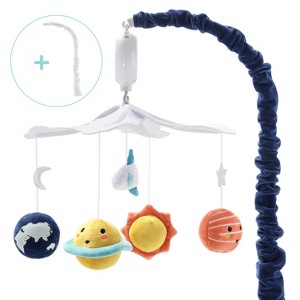
Mobiles that move slowly catch a baby’s eye easily. Babies try to follow the motion with their eyes. This eye movement builds tracking skills. Tracking helps improve coordination between eyes and hands. Babies often reach out to touch moving shapes.
Interactive Mobiles With Textures
Some mobiles include soft fabrics or textured parts. Babies can touch these parts safely. Feeling different textures develops their sense of touch. It also encourages babies to reach and grasp. Interactive mobiles support fine motor skill growth.
Age-appropriate Mobile Features
Choosing the right crib mobile depends on the baby’s age and development stage. Age-appropriate mobile features support motor skills and keep babies interested. Mobiles that match a baby’s abilities encourage reaching, tracking, and grasping.
Different mobiles suit newborns and older infants. Each stage needs specific features to help growth safely. Understanding these features helps parents pick the best mobile for their child.
Mobiles For Newborns
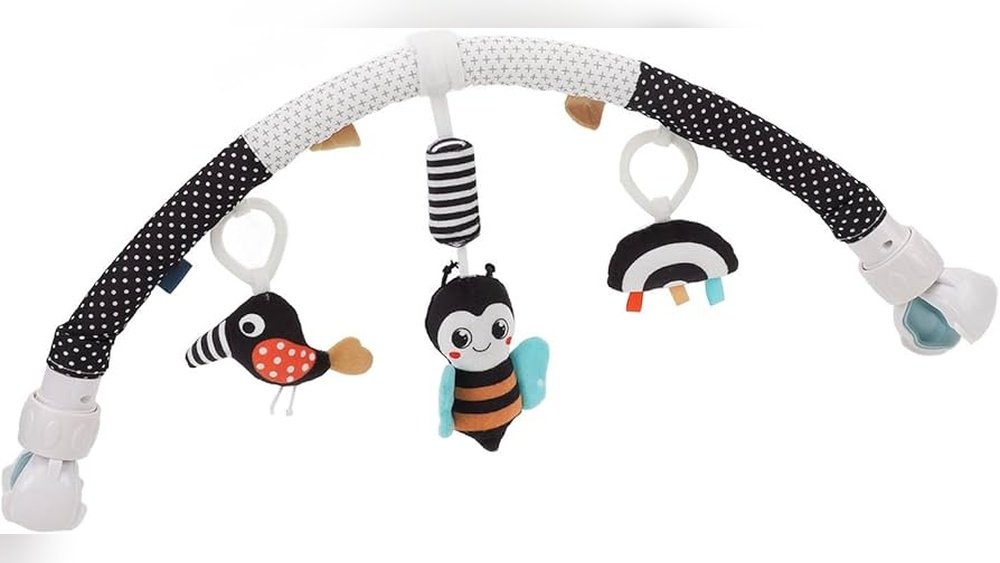
Newborns see only simple shapes and bright colors clearly. Mobiles with high-contrast patterns attract their attention. Slow-moving objects help babies practice eye tracking. Soft music or gentle sounds calm and soothe newborns. Mobiles should hang low enough for newborns to see easily, but out of reach to stay safe.
Mobiles For Older Infants
Older infants can follow faster movements and more colors. Mobiles with moving toys encourage reaching and grasping. Toys that make noise when touched improve hand-eye coordination. Some mobiles allow detaching toys, perfect for playtime outside the crib. Bright colors and varied textures help stimulate sensory skills.
Safety Considerations
Always check mobile attachment to avoid falling hazards. Strings and small parts must be short and secure to prevent choking. Remove mobiles once babies can push up or sit to avoid accidents. Look for non-toxic materials and smooth edges. Regularly inspect mobiles for wear and tear to keep babies safe.
Tips To Maximize Motor Skill Benefits
Maximizing the motor skill benefits of crib mobiles takes a little thought. Simple actions can help babies reach, grasp, and explore better. Small changes in setup and interaction make a big difference in how babies develop their skills. Here are some practical tips to get the most out of crib mobiles for your little one’s motor growth.
Placement For Optimal Reach
Place the mobile within easy reach but not too close. It should hang where the baby can see and try to touch it. Keep it just above their hands when lying down. This encourages reaching and stretching. Moving the mobile slightly over time helps build new skills.
Combining Mobiles With Tummy Time
Use the mobile during tummy time to make it more interesting. Babies lift their heads and arms to look at the mobile. This action strengthens neck and arm muscles. Change the mobile’s position so the baby moves and looks in different directions. This supports overall motor development.
Encouraging Active Interaction
Talk and sing while the baby reaches for the mobile. Clap or gently touch their hands to guide movement. Let the baby grab and explore the mobile’s parts safely. Active play helps improve hand-eye coordination and fine motor skills. Keep sessions short and fun to hold their attention.
Signs Of Progress In Motor Skills
Watching a baby develop motor skills is exciting for parents. These skills grow step by step. Crib mobiles can support this growth by encouraging movement and focus. Signs of progress in motor skills show how a baby interacts with their environment. Parents can notice changes in how babies move their eyes and hands. These signs help understand the baby’s development.
Tracking Objects Smoothly
Babies start following objects with their eyes. At first, their gaze may jump or lag. Over time, their eyes move smoothly from side to side. Crib mobiles help by presenting moving toys to watch. This tracking improves focus and eye muscle control. Smooth tracking shows growing brain and eye coordination.
Reaching And Batting Movements
Babies begin to reach out for objects within reach. They may swipe or bat at toys hanging from a mobile. These movements show arm and hand muscle strength. Reaching also helps develop hand-eye coordination. Crib mobiles encourage babies to practice these actions often. Frequent practice leads to better control and timing.
Improved Grasp And Coordination
As babies grow, they learn to grasp objects firmly. They use fingers and hands to hold and shake toys. This skill develops hand strength and fine motor control. Mobiles with different textures and shapes invite babies to explore. Improved grasp also helps with future skills like feeding and dressing.
Frequently Asked Questions
Can Crib Mobiles Improve Baby Motor Skills?
Yes, crib mobiles encourage babies to reach and grasp. This enhances hand-eye coordination and fine motor skills development.
At What Age Do Crib Mobiles Help Motor Skills?
Crib mobiles are most effective between 2 to 6 months. During this period, babies develop visual tracking and reaching abilities.
What Features Should Crib Mobiles Have For Motor Skills?
Choose crib mobiles with bright colors, moving parts, and varied textures. These features stimulate sensory and motor skill growth.
How Often Should Babies Use Crib Mobiles?
Use crib mobiles daily for short periods, about 10-15 minutes. Regular interaction supports steady motor skill improvement.
Conclusion
Crib mobiles can support your baby’s motor skill growth. They encourage reaching, grasping, and eye tracking. Babies learn by watching and moving toward objects. Choose mobiles with bright colors and gentle movement. Keep playtime safe and supervised at all times.
Remember, mobiles are one tool among many. Each baby grows at their own pace. Enjoy these moments and watch skills develop naturally.


