Are you worried about your baby’s safety when choosing a crib? You might have seen metal cribs and wondered, “Are metal cribs safe for babies?” It’s a big decision because your little one’s comfort and security come first.
You’ll discover what makes metal cribs stand out, the safety features you need to look for, and what experts say about using them. By the end, you’ll feel confident knowing exactly what to choose to keep your baby safe and sound every night.
Keep reading to find out the truth about metal cribs and your baby’s safety.
Metal Cribs And Baby Safety
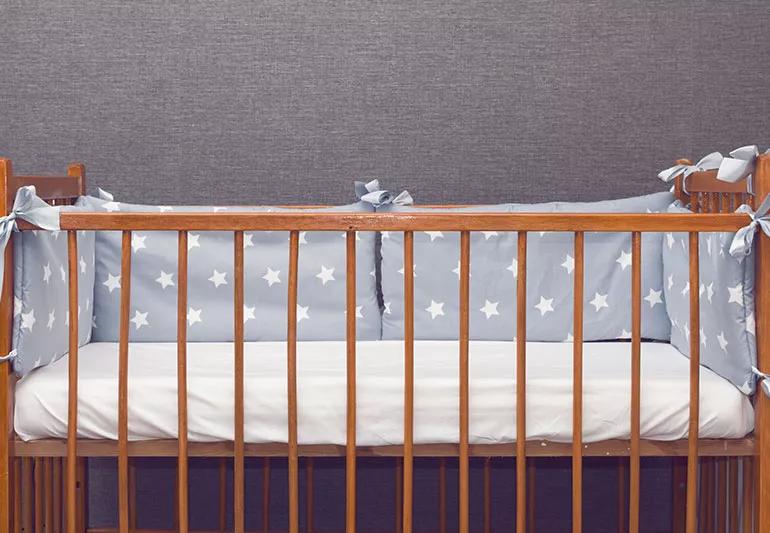
Metal cribs have been a popular choice for many parents over the years. Their durability and classic design appeal to families. Safety is the top priority when choosing any crib. Parents need to understand how metal cribs stack up in terms of baby safety. This section covers important points about metal cribs and how safe they are for babies.
Durability And Stability Of Metal Cribs
Metal cribs are strong and can hold up well over time. They do not break or warp easily. This makes them a reliable option for babies. A sturdy crib reduces risks of accidents caused by collapsing or tipping.
Paint And Finishing Safety
Many metal cribs use non-toxic paint that is safe for babies. It is important to check if the paint is free from lead or harmful chemicals. Smooth finishing prevents babies from getting hurt by sharp edges or rough spots.
Spacing Between Slats
Proper spacing between metal crib slats is crucial. The gaps should be narrow enough to keep babies safe from getting stuck. Most metal cribs follow safety rules for slat spacing to avoid injuries.
Weight And Portability
Metal cribs tend to be heavier than wooden ones. Their weight adds to stability but can make moving the crib harder. Parents should consider this when setting up or adjusting the crib’s position.
Maintenance And Cleaning
Metal cribs are easy to clean and maintain. They resist stains and moisture well. Regular cleaning keeps the crib hygienic and safe for babies to use.
Materials Used In Metal Cribs
Metal cribs are popular for their strength and durability. The safety of these cribs depends a lot on the materials used. Knowing what metals and finishes are involved helps parents make safe choices. Each material affects the crib’s safety and comfort.
Types Of Metals
Steel is the most common metal in cribs. It is strong and holds weight well. Steel frames resist bending and breaking. Another metal used is aluminum. It is lighter but still sturdy. Some cribs use iron, which is heavy and very tough. Each metal type affects how long the crib lasts and how safe it feels.
Coatings And Finishes
Metal cribs need coatings to prevent rust and wear. Paint and powder coatings cover the metal surface. These coatings should be non-toxic and safe for babies. Lead-free paint is essential to avoid health risks. Smooth finishes prevent scratches and sharp edges. A good finish keeps the crib looking new and protects the metal underneath.
Safety Standards For Cribs
Safety standards for cribs ensure babies sleep in secure environments. These rules help prevent accidents and injuries. Parents can trust cribs that meet these standards. Understanding the safety standards helps in choosing the right crib.
Regulatory Bodies
Several organizations create safety rules for cribs. The U.S. Consumer Product Safety Commission (CPSC) sets important guidelines. The Juvenile Products Manufacturers Association (JPMA) certifies cribs that meet these rules. Other countries have their own agencies to protect children.
These bodies test cribs for strength and safety. They check for small parts that can hurt babies. They also look for paint and material safety. Cribs with their approval have passed strict tests.
Key Safety Requirements
Cribs must have slats spaced no more than 2 3/8 inches apart. This spacing stops babies from getting stuck between bars. The mattress should fit snugly, with no gaps over two fingers wide. Drop-side rails are banned due to safety risks.
All hardware must be secure and not come loose easily. Paint and finishes should be non-toxic and free from lead. The crib should not have sharp edges or points. Proper ventilation is essential for the baby’s comfort and safety.
Common Safety Concerns
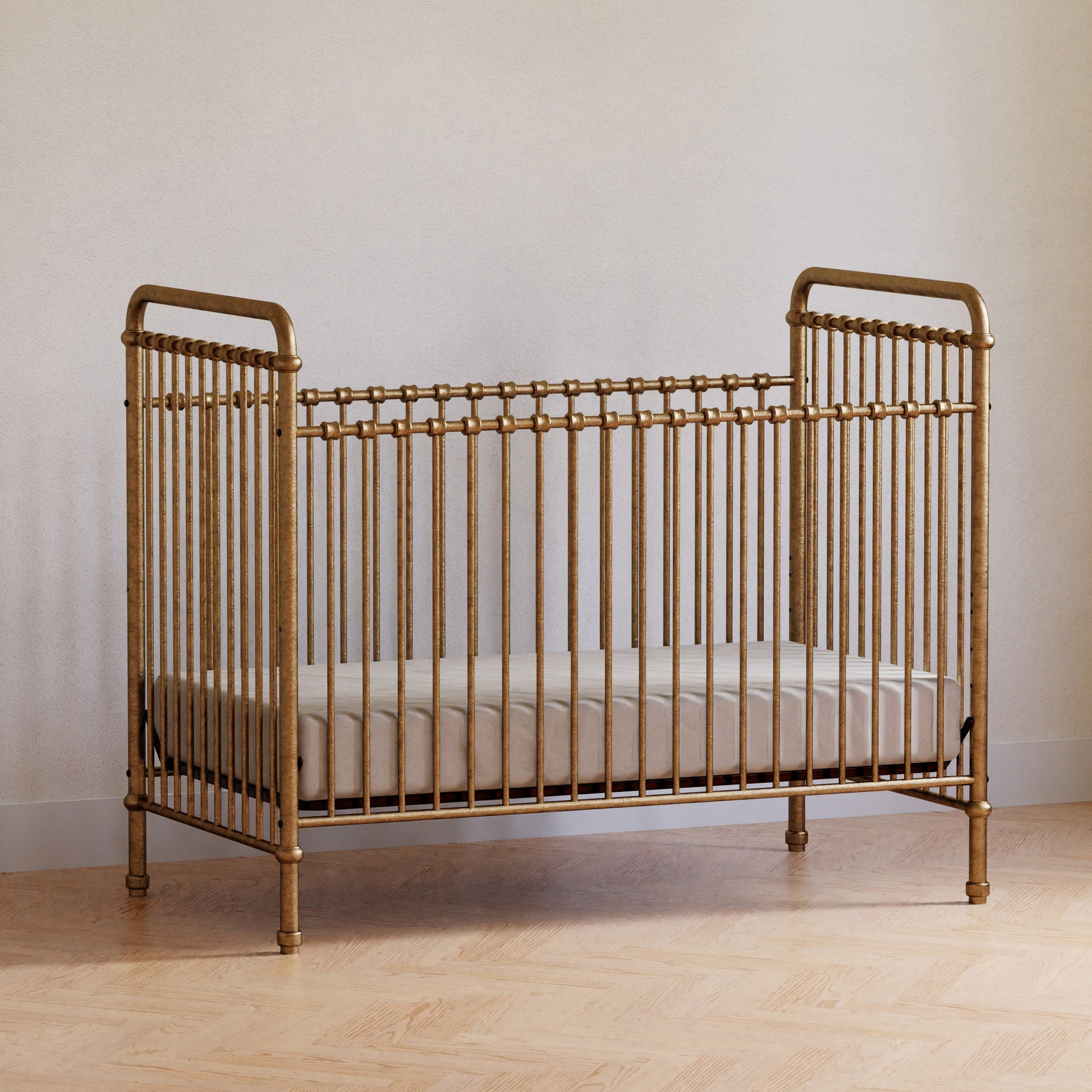
Metal cribs are popular for their strength and style. Parents often ask about safety issues. Understanding common safety concerns helps in choosing the right crib. Here are some key points to consider before buying a metal crib.
Toxic Materials
Some metal cribs use paints or coatings that contain harmful chemicals. Lead paint is a serious risk for babies. Always check if the crib meets safety standards for non-toxic finishes. Choose cribs labeled as free from harmful substances. This protects babies from toxic exposure while sleeping.
Sharp Edges And Pinch Points
Metal cribs may have sharp edges or small gaps. These can hurt babies if not smooth or covered. Pinch points between bars or moving parts can trap little fingers. Look for cribs with rounded edges and safe spacing. This prevents injuries and keeps babies safe.
Stability And Durability
Metal cribs must be strong and steady. A wobbly crib can tip over and cause accidents. Check for sturdy construction and secure joints. Durability ensures the crib lasts as the baby grows. Stability is crucial for a safe sleep environment.
Comparing Metal Cribs To Other Materials
Choosing the right crib material matters for your baby’s safety and comfort. Metal cribs are one option among several popular choices. Understanding how metal compares to other materials helps parents make informed decisions. Let’s explore the differences between metal, wooden, and plastic cribs.
Wooden Cribs
Wooden cribs have been a classic choice for many families. They offer a warm, natural look that fits most nursery styles. Wood is sturdy and durable, providing strong support for your baby. Many wooden cribs meet strict safety standards. Some parents prefer wood because it feels less cold than metal. Wood cribs can last for years and may convert into toddler beds. On the downside, wood can be heavier and harder to move. It may also require more cleaning if it absorbs spills or stains.
Plastic Cribs
Plastic cribs are less common but still an option. They are lightweight and easy to clean, which helps keep the crib hygienic. Plastic cribs can come in bright colors and fun shapes, appealing to some parents. Safety standards for plastic cribs vary, so choosing a well-tested model is important. Plastic is less durable than metal or wood and may crack over time. This material also lacks the solid feel that many parents want for their baby’s sleep space.

Tips For Choosing A Safe Metal Crib
Choosing a safe metal crib is important for your baby’s comfort and security. A good crib keeps your child safe while sleeping or playing. Some simple tips help you pick the best metal crib. Follow these steps to ensure safety and quality.
Checking Certifications
Certifications show a crib meets safety rules. Look for labels from trusted groups like JPMA or CPSC. These marks mean the crib passed safety tests. Avoid cribs without any certification. They might not be safe for your baby.
Inspecting Construction Quality
Strong metal and solid joints are key. Check if the crib feels sturdy and well-built. No loose parts or sharp edges should be present. Paint and finishes must be non-toxic and smooth. Poor construction can cause injuries or breakage.
Assessing Design Features
Choose cribs with proper spacing between bars. Bars too far apart can trap a baby’s head. Adjustable mattress height helps as your baby grows. Rounded corners reduce injury risks. Avoid cribs with drop sides; they are unsafe.
Maintenance And Care For Metal Cribs
Proper maintenance and care keep metal cribs safe and durable. A well-maintained crib protects babies from sharp edges and harmful rust. Regular care extends the life of the crib and keeps it looking new. Understanding how to clean and prevent wear helps parents create a safe sleep space for their child.
Cleaning Safely
Use mild soap and warm water to clean metal cribs. Avoid harsh chemicals that can damage the finish or cause allergies. Wipe the crib gently with a soft cloth. Dry all parts completely to stop moisture buildup. Clean the crib regularly to remove dust and dirt. Check for any loose screws or parts while cleaning.
Preventing Rust And Wear
Rust can weaken metal and cause sharp spots. Keep the crib dry by wiping spills immediately. Place the crib away from humid areas or windows. Use a protective coating or paint to cover scratches. Inspect the crib monthly for any signs of rust. Fix rust spots early by sanding and repainting. Proper care prevents damage and keeps the crib safe for babies.
Frequently Asked Questions
Are Metal Cribs Safe For Newborns?
Yes, metal cribs are safe when they meet current safety standards. Ensure they have no sharp edges and proper paint finish. Always check for sturdy construction and non-toxic materials to protect newborns from injury or harmful exposure.
What Safety Features Should Metal Cribs Have?
Metal cribs should have smooth, rounded edges, non-toxic paint, and secure slats. The spacing between slats must prevent babies from slipping through. A stable frame and a firm mattress support safe sleep and reduce risks of accidents.
Can Metal Cribs Cause Allergies Or Health Issues?
Metal cribs rarely cause allergies if coated with non-toxic paint. Unlike wood, they do not harbor dust mites or mold easily. Proper cleaning and maintenance keep them hygienic and safe for babies with sensitive skin or respiratory issues.
How To Maintain And Clean Metal Cribs Safely?
Clean metal cribs regularly with mild soap and water. Avoid harsh chemicals that can damage paint or harm babies. Dry thoroughly to prevent rust and inspect frequently for loose screws or chipped paint to maintain safety and hygiene.
Conclusion
Metal cribs can be safe if they meet safety rules. Check for sturdy construction and no sharp edges. Make sure the paint is non-toxic and lead-free. Proper mattress fit is very important to avoid gaps. Always follow current safety standards and recalls.
Choose a crib that feels secure and comfortable for your baby. Safety matters most for your child’s sleep and play. Trust your judgment and keep your baby’s well-being first.