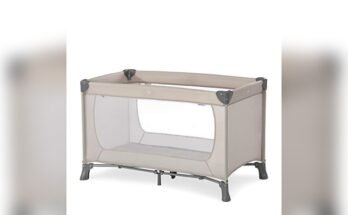
Your baby’s safety is your top priority, especially when it comes to their crib. You want to create a space where your newborn can sleep soundly, without any hidden dangers lurking nearby.
But how do you make sure the crib is truly safe? Small details can make a big difference in protecting your little one. Keep reading to discover simple, effective steps you can take right now to turn your baby’s crib into a safe haven you can trust every night.
Choose The Right Crib
Choosing the right crib is very important for your newborn’s safety. A safe crib helps prevent accidents and gives your baby a cozy place to sleep. Not all cribs are the same. Some meet higher safety rules. Others use better materials. Some offer useful features like adjustable mattress heights.
Focus on these key points when picking a crib. It makes sure your baby rests safely and comfortably every night.
Check For Safety Standards
Always pick a crib that meets safety standards. Look for certifications from trusted groups. These rules make sure the crib is strong and safe. Avoid cribs with missing or broken parts. Spacing between slats should be narrow to prevent injuries. A crib that meets standards reduces risks of accidents.
Select Appropriate Materials
Choose cribs made from solid, non-toxic materials. Wood is a popular choice because it is sturdy. Avoid cribs with paint that can peel or contain harmful chemicals. Natural finishes are safer. Materials should be smooth to stop splinters or scratches. Safe materials protect your baby’s health.
Opt For Adjustable Mattress Heights
Pick a crib with adjustable mattress heights. This lets you raise the mattress when your baby is small. It helps you reach the baby easily. Lower the mattress as the baby grows and starts to sit or stand. Adjustable heights keep your baby secure and reduce falls.
Ensure Proper Mattress Fit
Ensuring a proper mattress fit is vital for newborn crib safety. A mattress that fits well keeps your baby secure and comfortable. It also reduces risks like suffocation or trapped limbs. Always check mattress size before placing it in the crib.
Avoid Gaps Between Mattress And Crib
Gaps between the mattress and crib walls are dangerous. Babies can get stuck or trapped in these spaces. The mattress should fit tightly with no visible gaps. Use a measuring tape to compare mattress and crib dimensions. Fill any small spaces with a firm, safe material if needed.
Use Firm And Flat Mattresses
Soft mattresses increase the risk of suffocation. Choose a firm mattress that stays flat and does not sag. A flat surface supports healthy baby sleep and breathing. Avoid mattresses with bumps or uneven areas. Replace the mattress if it becomes soft or worn out over time.
Remove Hazardous Bedding
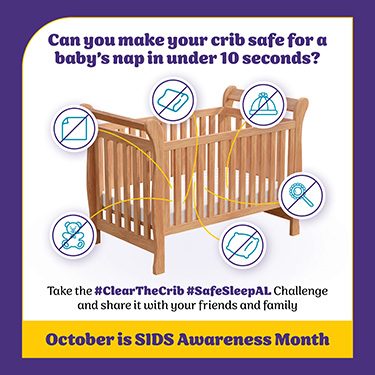
Removing hazardous bedding is a key step to make a crib safe for your newborn. Soft bedding can cause suffocation or sudden infant death syndrome (SIDS). Keeping the crib simple and clear helps your baby sleep safely. Only use firm, flat mattress with a fitted sheet made for the crib size. Below are important tips to avoid common bedding dangers.
Skip Pillows And Bumpers
Pillows and crib bumpers may look cozy but they are risky. Babies can get trapped or suffocate against soft bumpers. Pillows increase the chance of suffocation and should never be in the crib. It is safest to leave the crib empty except for the mattress and fitted sheet.
Avoid Loose Blankets And Toys
Loose blankets can cover your baby’s face and block breathing. Instead of blankets, use a wearable sleep sack or swaddle that fits snugly. Keep stuffed animals and toys out of the crib. These items pose choking hazards and can cause injury during sleep.
Maintain Crib Stability
Maintaining crib stability is crucial to keep your newborn safe during sleep and play. A stable crib prevents wobbling or collapsing, reducing injury risks. Regular checks help spot problems early.
Tighten Screws And Bolts Regularly
Check all screws and bolts often. Use the right tools to tighten them securely. Loose parts can cause the crib to shake or fall apart. Do this at least once a month or after moving the crib.
Inspect For Wear And Tear
Look closely at the crib’s wood or metal parts. Check for cracks, splinters, or rust. Replace damaged parts immediately to keep the crib strong. Worn-out pieces can make the crib unsafe for your baby.
Position The Crib Safely
Positioning the crib safely is one of the key steps to protect your newborn. The right spot keeps your baby away from potential dangers. It also helps create a calm, secure sleep space. Careful placement lowers risks and supports better rest for your little one.
Keep Away From Windows And Cords
Place the crib far from windows. This prevents drafts and bright sunlight from disturbing your baby. Avoid cords from blinds or curtains. They can cause choking or strangulation hazards. Keep all cords out of your baby’s reach. Use cordless window coverings if possible.
Avoid Near Heaters And Fans
Do not put the crib near heaters or fans. These can cause uncomfortable temperature changes. Overheating or cold drafts may harm your newborn. Maintain a steady, comfortable room temperature. This helps your baby sleep safely and soundly.
Follow Safe Sleep Practices
Keeping your newborn safe during sleep is very important. Follow safe sleep practices to reduce risks. These practices help create a secure crib environment. They also support healthy sleep habits for your baby.
Simple steps can make a big difference. Small changes in how you put your baby to sleep protect their health. Always focus on safety and comfort to ensure peaceful rest.
Place Baby On Back To Sleep
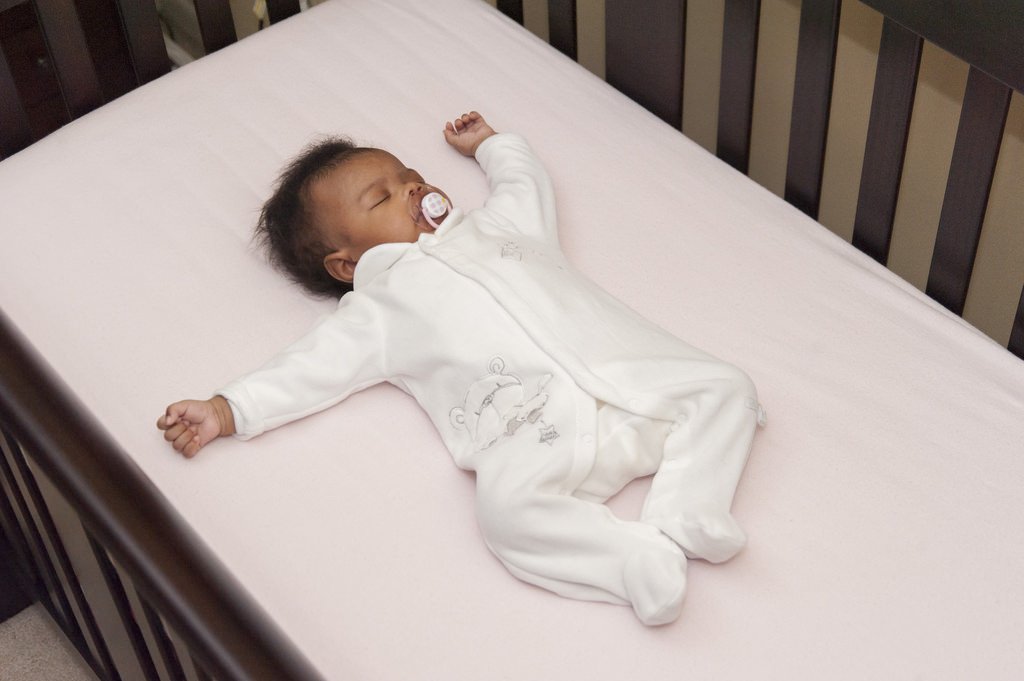
Always place your baby on their back to sleep. This position lowers the risk of sudden infant death syndrome (SIDS). Use a firm mattress and avoid soft bedding. Keep the crib clear of pillows, toys, and blankets. Back sleeping is the safest way for newborns.
Monitor Room Temperature
Keep the room at a comfortable temperature. Too hot or too cold can cause problems. Ideal room temperature is between 68 and 72 degrees Fahrenheit. Dress your baby in light clothing to avoid overheating. Use a fan or heater carefully to maintain steady temperature.
Regular Cleaning And Maintenance
Keeping a crib clean is key for newborn safety. Dirt and germs can cause allergies and sickness. Regular cleaning helps protect your baby’s health. It also keeps the crib looking new and sturdy. Maintenance checks ensure the crib stays safe and strong over time.
Use Non-toxic Cleaning Products
Choose cleaning products that do not have harsh chemicals. Non-toxic cleaners are safe for babies’ sensitive skin. They remove dirt and germs without leaving harmful residues. Avoid bleach and ammonia, which can irritate the baby’s lungs. Use mild soap and water or natural cleaners like vinegar diluted with water.
Check For Allergens And Dust
Dust and allergens can build up in the crib’s corners and mattress. Use a vacuum cleaner with a HEPA filter to remove dust. Wipe down the crib’s surfaces regularly with a damp cloth. Wash bedding and mattress covers often in hot water. This reduces allergens and keeps the sleeping area fresh and safe.

Frequently Asked Questions
How Do I Ensure Crib Safety For My Newborn?
Ensure crib safety by using a firm mattress that fits snugly. Remove pillows, blankets, and toys. Keep crib slats no wider than 2 3/8 inches. Always place your baby on their back to sleep.
What Materials Are Best For A Safe Crib?
Choose cribs made from non-toxic, sturdy wood or metal. Avoid cribs with lead-based paint or harmful chemicals. Use breathable, hypoallergenic bedding materials to reduce allergy risks.
How Can I Prevent Crib-related Accidents?
Regularly check for loose screws or broken parts. Ensure the mattress height suits your baby’s age. Avoid using crib bumpers, as they pose suffocation risks.
When Should I Stop Using A Crib For Safety?
Transition out of the crib when your baby climbs out or reaches 35 inches tall. Use a toddler bed or safe sleeping alternative to prevent falls.
Conclusion
Keeping a crib safe helps protect your newborn every night. Use firm mattresses that fit snugly inside the crib. Remove pillows, blankets, and toys that can cause harm. Check crib slats and hardware often for tightness and safety. Always place your baby on their back to sleep.
These small steps create a secure and cozy space. Your baby will rest peacefully in a safe crib. Safety matters most for your newborn’s healthy start.