Are you wondering how to help your newborn enjoy independent play safely? Encouraging your little one to play on their own can be a game-changer for both of you.
It helps your baby develop important skills while giving you a moment to recharge. But you might worry—is it safe? How do you make sure your baby stays secure and happy during solo playtime? This guide will show you simple, effective ways to create a safe space that invites your newborn to explore and learn independently.
Keep reading to discover easy tips that will boost your baby’s confidence and give you peace of mind.
Benefits Of Independent Play
Independent play is essential for a newborn’s growth. It helps babies learn about the world and themselves. This type of play supports many areas of development. Parents can encourage safe independent play to give babies a strong start.
Boosting Cognitive Development
Independent play sparks a baby’s curiosity and thinking skills. Babies explore objects and learn cause and effect. This helps build memory and problem-solving abilities. Quiet moments alone with toys or textures promote brain growth. Independent play also encourages focus and attention.
Enhancing Motor Skills
Playing alone helps babies practice moving their hands and fingers. Reaching, grabbing, and holding toys improve coordination. These actions strengthen muscles and control. Babies learn to move with purpose during independent play. This sets the stage for crawling and walking.
Fostering Emotional Growth
Independent play lets babies feel safe and confident. They enjoy exploring on their own and learn self-soothing. This helps reduce fussiness and builds patience. Babies develop a sense of independence and trust. Emotional skills grow through calm, solo play moments.

Creating A Safe Play Space
Creating a safe play space for a newborn is key to encouraging independent play. This space allows babies to explore without risk. Parents can watch nearby while babies enjoy their own time. Safety and comfort go hand in hand. The right setup makes play both fun and secure.
Choosing The Right Environment
Pick a quiet spot with soft light. Avoid areas with sharp corners or heavy furniture. Floors should be clean and free of small objects. Use a soft rug or play mat to cushion falls. Keep the space near you for easy supervision. Fresh air and natural light help keep babies calm.
Baby-proofing Essentials
Cover electrical outlets with safety plugs. Use corner guards on furniture edges. Remove cords and choking hazards from the area. Secure heavy items that could tip over. Check toys and surfaces for loose parts. Regularly inspect the space for new risks as baby grows.
Selecting Age-appropriate Toys
Choose soft, lightweight toys that are easy to hold. Avoid small pieces that could be swallowed. Toys with bright colors and simple shapes attract babies. Textured toys help develop touch and grip. Rotate toys to keep the baby interested. Always clean toys before playtime.
Timing And Duration
Timing and duration play a key role in encouraging independent play for newborns. Babies have small attention spans. They need short, gentle play sessions. Choosing the right time helps make play safe and fun. It also supports their development without causing stress.
Recognizing Baby’s Cues
Babies show signs when they are ready to play or need rest. Watch for smiles, eye contact, or reaching out. These signs mean your baby is alert and open to interaction. Fussiness, yawning, or turning away means it’s time to pause. Respecting these cues helps keep play positive.
Starting With Short Sessions
Begin with just a few minutes of independent play. A safe space with soft toys works well. Short sessions prevent overwhelming your newborn. It allows them to explore safely at their own pace. Keep sessions calm and quiet to hold their attention.
Gradually Increasing Playtime
Slowly add more time as your baby grows. Increase play by a minute or two each day. This helps build their focus and curiosity. Watch for signs of tiredness or overstimulation to stop. Gradual increase keeps play safe and enjoyable for your baby.
Encouraging Exploration
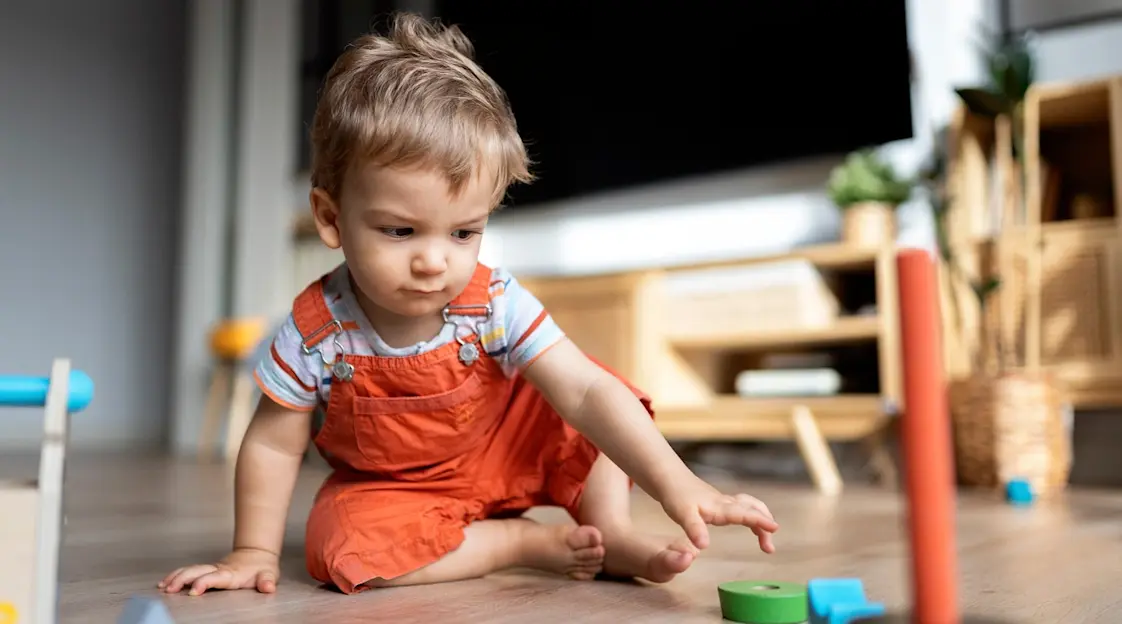
Encouraging exploration helps newborns learn about their world safely. It builds their confidence and curiosity. Caregivers can create a safe space where babies feel free to discover. Exploration supports brain growth and fine motor skills. It also helps babies understand cause and effect.
Using Sensory Stimuli
Newborns learn through their senses. Bright colors, soft textures, and gentle sounds attract their attention. Use toys with varied textures like soft fabric or smooth plastic. Play soft music or nature sounds nearby. This variety helps babies focus and stay interested. Sensory play strengthens their brain connections. It also calms and soothes them during playtime.
Offering Variety In Toys
Different toys keep babies curious and engaged. Rotate toys often to keep play fresh. Include rattles, soft blocks, and teething rings. Each toy offers a new way to explore. Choose items that are safe and easy to hold. Variety encourages babies to try new movements and grips. This practice supports their physical and mental growth.
Allowing Self-directed Play
Let babies choose what and how to play. Watch quietly and let them explore on their own. Self-directed play helps babies learn at their own pace. It builds decision-making and problem-solving skills. Avoid constant interference or taking over play. This freedom boosts their independence and creativity. Safe spaces and supervision keep them secure during play.
Balancing Interaction And Independence
Finding the right balance between interacting with your newborn and encouraging their independence is essential. Babies need attention and care, but also moments to explore on their own. This balance helps them develop confidence and learn new skills safely.
Parents often wonder how to support their child without being too involved. Giving space for independent play supports brain growth and problem-solving. At the same time, watching closely ensures safety and comfort.
Knowing When To Intervene
Watch your baby’s cues carefully. If they seem frustrated or upset, step in gently. Helping at the right time prevents stress and builds trust. If the baby is happily exploring, let them continue. Too much intervention can stop learning and curiosity.
Supporting Without Taking Over
Offer toys or objects within reach. Show how to use them once, then step back. Cheer quietly or smile to encourage effort. Avoid doing the task for your baby. Let them try and explore at their own pace. This support builds independence and confidence.
Building A Routine
Create a daily time for independent play. A calm and safe area works best. Consistent routines help babies feel secure and ready to explore. Over time, they learn to enjoy these moments alone. This habit supports healthy development and self-reliance.
Common Challenges And Solutions
Encouraging independent play in newborns can bring many challenges. Parents often face fussiness, separation anxiety, and overstimulation. These issues can make it hard for babies to enjoy playtime alone. Understanding these challenges helps parents find better solutions. Safe and calm environments support newborns during play. Simple strategies can ease the process for both babies and parents.
Dealing With Fussiness
Newborns often cry or fuss during independent play. This behavior signals discomfort or hunger. Check if the baby needs feeding or a diaper change. Try soothing with soft music or gentle rocking. Use familiar toys that comfort your baby. Keep play sessions short and calm. Gradually increase playtime as the baby adapts.
Managing Separation Anxiety
Babies may feel worried when left alone. Separation anxiety is common around this age. Stay close but out of sight to build trust. Use a comforting voice or toy to reassure your baby. Create a routine to help them feel safe. Be patient; anxiety lessens with time and practice.
Handling Overstimulation
Too much noise, light, or activity can overwhelm newborns. Watch for signs like fussiness or turning away. Reduce bright lights and loud sounds during play. Choose simple toys with soft colors and textures. Keep the room quiet and peaceful. Shorten play sessions to prevent stress. Let your baby rest when needed.
Expert Tips For Parents
Encouraging independent play in newborns takes time and care. Parents can use simple tips to help babies learn to play alone safely. These expert tips focus on building trust and confidence.
Each baby is unique. Understanding their needs helps parents support independent play better. Small efforts lead to big progress over time.
Patience And Consistency
Babies need time to feel safe playing alone. Parents should stay patient and keep routines steady. Consistent playtimes create a sense of security. This helps babies relax and explore on their own.
Do not rush or force play. Let the baby set the pace. Repeating gentle encouragement helps build trust.
Observing And Adapting
Watch your baby closely during play. Notice what interests them and what makes them upset. Adjust toys and environment based on these observations. This ensures the playtime stays safe and fun.
Changing small things can make a big difference. Adapt play activities to fit the baby’s mood and energy levels.
Celebrating Small Milestones
Every little step counts. Smile and cheer when your baby tries to play alone. Praise builds confidence and encourages more independent play.
Recognize moments like reaching for a toy or staying calm alone. These small wins show progress and motivate both baby and parents.
:max_bytes(150000):strip_icc()/GettyImages-1364489272-2000-37369c74c15d413cbd4742c2a6a7dbaf.jpg)
Frequently Asked Questions
How Can I Safely Start Independent Play For Newborns?
Begin with supervised tummy time and soft toys. Always stay close to monitor safety. Gradually increase playtime as the baby shows interest and comfort.
What Are The Best Toys For Newborn Independent Play?
Choose age-appropriate, non-toxic, and soft toys. Rattles, plush animals, and textured balls encourage sensory exploration and safe interaction during independent play.
How Long Should A Newborn Play Independently?
Start with short sessions of 5 to 10 minutes. Gradually increase duration as the baby’s attention span grows, ensuring the baby remains happy and comfortable.
How Does Independent Play Benefit Newborn Development?
It promotes motor skills, cognitive growth, and self-soothing. Independent play encourages curiosity and confidence in a safe, nurturing environment.
Conclusion
Encouraging independent play helps newborns grow and learn. Safe spaces and simple toys keep babies happy and busy. Short playtimes work best for little ones. Always watch closely to keep your baby safe. Trust your instincts and enjoy these quiet moments.
Independent play builds confidence and curiosity in babies. Small steps lead to big progress over time. Keep routines gentle and fun for your newborn. Every baby learns in their own special way. Patience and love make independent play a joy.


