Are you wondering how to give your newborn the best start in life? Helping your baby improve memory and attention early on can make a big difference in their growth and learning.
You might think it’s too soon to focus on these skills, but the truth is, your little one’s brain is ready to soak up information right now. Imagine boosting your baby’s ability to remember and focus with simple, everyday actions.
You’ll discover easy and effective ways to support your newborn’s memory and attention, setting the foundation for a brighter future. Keep reading—you’ll be amazed at how much you can do!
Boosting Early Brain Development
Boosting early brain development is key to helping newborns grow strong minds. The first months of life shape how babies remember and focus. Simple actions by parents and caregivers can make a big difference. Understanding how to support brain growth helps newborns learn and explore.
Importance Of Sensory Experiences
Babies learn through their senses. Sight, sound, touch, taste, and smell create new brain connections. Gentle touches and soft voices comfort and stimulate the brain. Bright colors and varied textures invite curiosity. Sensory play helps babies focus and remember details.
Role Of Positive Interactions
Talking, smiling, and cuddling build trust and attention. Babies respond to warm, loving faces and voices. These moments boost brain chemicals that help memory form. Consistent care creates a safe space for learning. Positive interactions teach babies to pay attention.
Creating A Stimulating Environment
A calm and interesting space encourages exploration. Toys with different shapes and sounds attract attention. Soft music and natural light support brain growth. Rotate toys often to keep the baby engaged. A rich environment helps newborns practice focus and memory skills.
Effective Techniques For Memory Growth
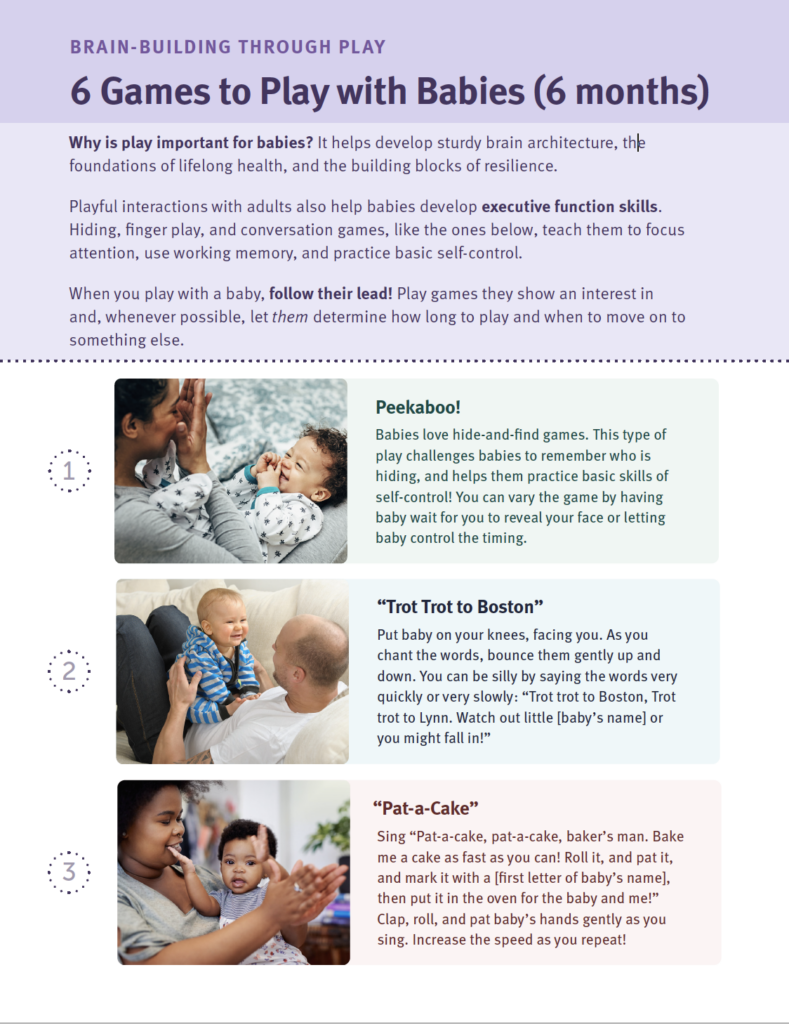
Helping a newborn’s memory and attention grow starts with simple, gentle methods. Babies learn best through daily experiences and repeated activities. These techniques support brain development and help build strong memory skills early on. Small actions by parents and caregivers can make a big difference.
Repetition And Routine Benefits
Repeating words, sounds, and actions helps babies recognize patterns. Routine creates a sense of safety and predictability. It trains the brain to expect what comes next. Simple daily routines like feeding, bathing, and playtime improve focus and memory.
Using Music And Rhymes
Music and rhymes catch a baby’s attention quickly. They help babies hear sounds and rhythms clearly. Singing lullabies or nursery rhymes improves language skills and memory. It also creates joyful moments that babies remember easily.
Engaging With Visual Stimuli
Bright colors and simple shapes attract newborns’ eyes. Showing toys or books with clear images boosts attention. Visual stimuli encourage babies to explore and remember objects. Changing visuals slowly helps build strong memory connections.
Enhancing Attention Span Naturally
Enhancing a newborn’s attention span is a gentle process. It grows slowly through natural habits and daily routines. Small changes help babies focus better and learn faster. Parents and caregivers play a key role in this development. Simple, mindful steps support a baby’s ability to pay attention for longer.
Limiting Overstimulation
Babies easily get overwhelmed by too much noise or light. Overstimulation can cause fussiness and short attention. Keep the environment calm and quiet. Use soft lighting and gentle sounds. Avoid exposing the baby to many toys or activities at once. A peaceful setting helps the baby stay calm and focused.
Short And Focused Play Sessions
Newborns have short attention spans naturally. Play for brief periods, about 5 to 10 minutes. Choose one toy or activity at a time. This keeps the baby interested without causing tiredness. Repeat simple games often. Short sessions build stronger focus over time.
Encouraging Active Exploration
Babies learn best by touching and moving things. Let your baby explore safe toys and textures. Watch closely and let them discover at their own pace. This active play improves attention and memory. It also helps the baby understand the world better.

Nutrition’s Impact On Cognitive Skills
Nutrition plays a key role in developing newborn memory and attention. A baby’s brain grows fast in the first months. What a baby eats affects brain cells and how they connect. Good nutrition helps build strong cognitive skills early on.
Breastfeeding And Brain Health
Breast milk has important nutrients that support brain growth. It contains fatty acids like DHA that help form brain tissues. Breastfeeding also provides antibodies to protect the baby’s health. Studies show breastfed babies often score higher on memory and attention tests. Breast milk offers the best natural nutrition for early brain development.
Essential Nutrients For Memory
Some nutrients are vital for memory and focus. Iron helps carry oxygen to the brain, boosting brain cell function. Zinc supports learning and memory processes. Vitamins like B6, B12, and folate help produce brain chemicals. Omega-3 fatty acids improve connections between brain cells. Introducing nutrient-rich foods at the right time supports strong cognitive skills.
Hydration And Brain Function
Water is important for a baby’s brain to work well. Even mild dehydration can reduce attention and memory. Breast milk and formula provide needed fluids. Keep a baby well-hydrated to help clear toxins and carry nutrients. Proper hydration supports brain energy and focus throughout the day.
Parental Habits That Support Focus
Parents play a big role in helping their newborns focus and remember. Simple habits can create a strong foundation for a baby’s brain. These habits support attention and memory in early life. Small changes in daily routines help a lot.
Consistent Sleep Schedules
Sleep is vital for a baby’s brain development. Keeping a regular sleep time helps the brain rest well. Babies feel more alert and ready to learn after good sleep. Try to put your baby to bed at the same time each day. Avoid late-night activities that can disturb their rest.
Calm And Responsive Parenting
Babies focus better with calm and gentle care. Responding quickly to their needs builds trust and security. Soft voices and slow movements keep the baby relaxed. Avoid loud noises and sudden actions that may scare them. This calm approach helps the baby pay attention to the world.
Reducing Screen Exposure
Screen time can overwhelm a newborn’s senses. Bright lights and fast images confuse their developing brain. Limit any screen exposure for babies under two years. Instead, use toys, books, and talking to encourage focus. Real-life interactions help build strong attention skills.
Tracking Progress And When To Seek Help
Tracking your newborn’s memory and attention progress helps ensure healthy development. It lets you notice small changes and understand your baby’s growth. Early detection of problems can lead to better support and care.
Recognizing Developmental Milestones
Developmental milestones are key skills babies should reach at certain ages. These include focusing on faces, reacting to sounds, and remembering simple actions. Watching these milestones helps track if your baby’s memory and attention are growing well. Each baby grows at their own pace, but big delays may need attention.
Signs Of Attention Or Memory Issues
Some signs may show trouble with memory or attention. These include not responding to sounds, not tracking objects with eyes, or not recognizing familiar people. Difficulty in focusing on tasks or easily getting distracted can also be warning signs. Early noticing helps get the right support faster.
Consulting Pediatric Experts
Pediatric experts can give clear advice on your baby’s progress. They use tests and observations to check memory and attention skills. Share your concerns and observations during visits. Experts guide you on next steps if extra help is needed.

Frequently Asked Questions
How Can I Boost My Newborn’s Memory Naturally?
Engage your newborn with sensory experiences like gentle touch and soothing sounds. Consistent interaction enhances brain connections and memory development. Simple activities like talking, singing, and eye contact stimulate memory growth effectively.
What Activities Improve Newborn Attention Span?
Use colorful toys, soft music, and face-to-face play to capture your newborn’s focus. Short, repetitive activities help lengthen attention span gradually. Responsive interaction encourages sustained attention and curiosity in newborns.
When Does A Newborn’s Memory Start Developing?
Newborn memory begins developing from birth as the brain forms essential neural connections. Early sensory experiences and caregiver interactions shape memory foundations during the first months. Consistent stimulation supports healthy memory growth.
Can Breastfeeding Affect Newborn Memory And Attention?
Yes, breastfeeding provides essential nutrients crucial for brain development. Nutrients like DHA support cognitive functions, including memory and attention. Breastfeeding also promotes bonding, which positively influences brain growth.
Conclusion
Helping your newborn’s memory and attention is a gentle, ongoing process. Simple activities and loving care make a big difference. Talk, play, and read with your baby every day. These moments build strong brain connections. Stay patient and enjoy small progress steps.
Healthy sleep and good nutrition support brain growth too. Trust your instincts and keep learning about your baby’s needs. Every effort counts in shaping a bright future. Keep nurturing your little one with kindness and care. The journey is as important as the goal.


