Are you looking for simple ways to help your newborn explore the world around them? Using toys for sensory stimulation is one of the best tools you have to support your baby’s growth and development.
When you choose the right toys, you’re not just entertaining your little one—you’re boosting their senses, helping their brain form important connections. You’ll discover easy and effective ways to use toys that engage your baby’s sight, touch, sound, and more.
Keep reading to learn how these small steps can make a big difference in your newborn’s early learning and happiness.

Benefits Of Sensory Toys
Sensory toys play a key role in newborn development. They help babies explore the world through touch, sight, and sound. These toys support learning and comfort in many ways. Using sensory toys can shape a baby’s brain and body.
Parents and caregivers can use sensory toys to promote healthy growth. The benefits go beyond playtime. Sensory toys help build important skills and bring calmness to fussy babies.
Enhancing Cognitive Development
Sensory toys stimulate a baby’s brain. Bright colors and different shapes attract their attention. Babies learn to recognize patterns and objects. This helps build memory and thinking skills. Playing with these toys encourages curiosity and problem-solving.
Boosting Motor Skills
Newborns use their hands and fingers to explore toys. This practice improves hand-eye coordination. Grasping and shaking toys strengthen muscles. These actions prepare babies for future movements like crawling and walking. Sensory toys support physical growth in simple ways.
Soothing And Comforting Effects
Soft textures and gentle sounds calm babies. Sensory toys can reduce fussiness and stress. They create a sense of security and comfort. Babies enjoy the feeling of touch and rhythmic noises. These toys help babies relax and sleep better.

Choosing The Right Toys
Choosing the right toys for sensory stimulation helps your newborn learn and grow. Toys must be safe, simple, and interesting. Babies explore the world with their senses, so toys with different features can support this learning. Pick toys that match your baby’s age and stage. This makes playtime fun and helpful.
Safe Materials And Design
Choose toys made from non-toxic, BPA-free materials. Soft plastics, wood, and fabric are good choices. Avoid toys with small parts that can come off. Rounded edges protect your baby from injury. Check toys for loose pieces before use. Clean toys often to keep germs away. Safety is the top priority in every toy.
Age-appropriate Features
Select toys designed for newborns under three months. Simple shapes and gentle sounds work best. Avoid toys with bright lights or loud noises. Babies need calm and easy-to-understand stimuli. Soft rattles and plush toys are ideal. Toys should encourage reaching, grasping, and touching. This helps develop motor skills and senses.
Variety Of Textures And Colors
Pick toys with different textures like soft, bumpy, and smooth. Textures help babies learn through touch. Use toys with high-contrast colors like black, white, and red. These colors catch a newborn’s attention. Bright colors support visual development. A mix of textures and colors keeps your baby curious. Changing toys often keeps playtime fresh and exciting.
Incorporating Toys Into Daily Routine
Incorporating toys into your newborn’s daily routine helps stimulate their senses. Toys offer colors, textures, and sounds that catch your baby’s attention. Using them regularly builds your baby’s brain and body strength. Simple toys can make everyday moments more fun and educational.
Tummy Time Activities
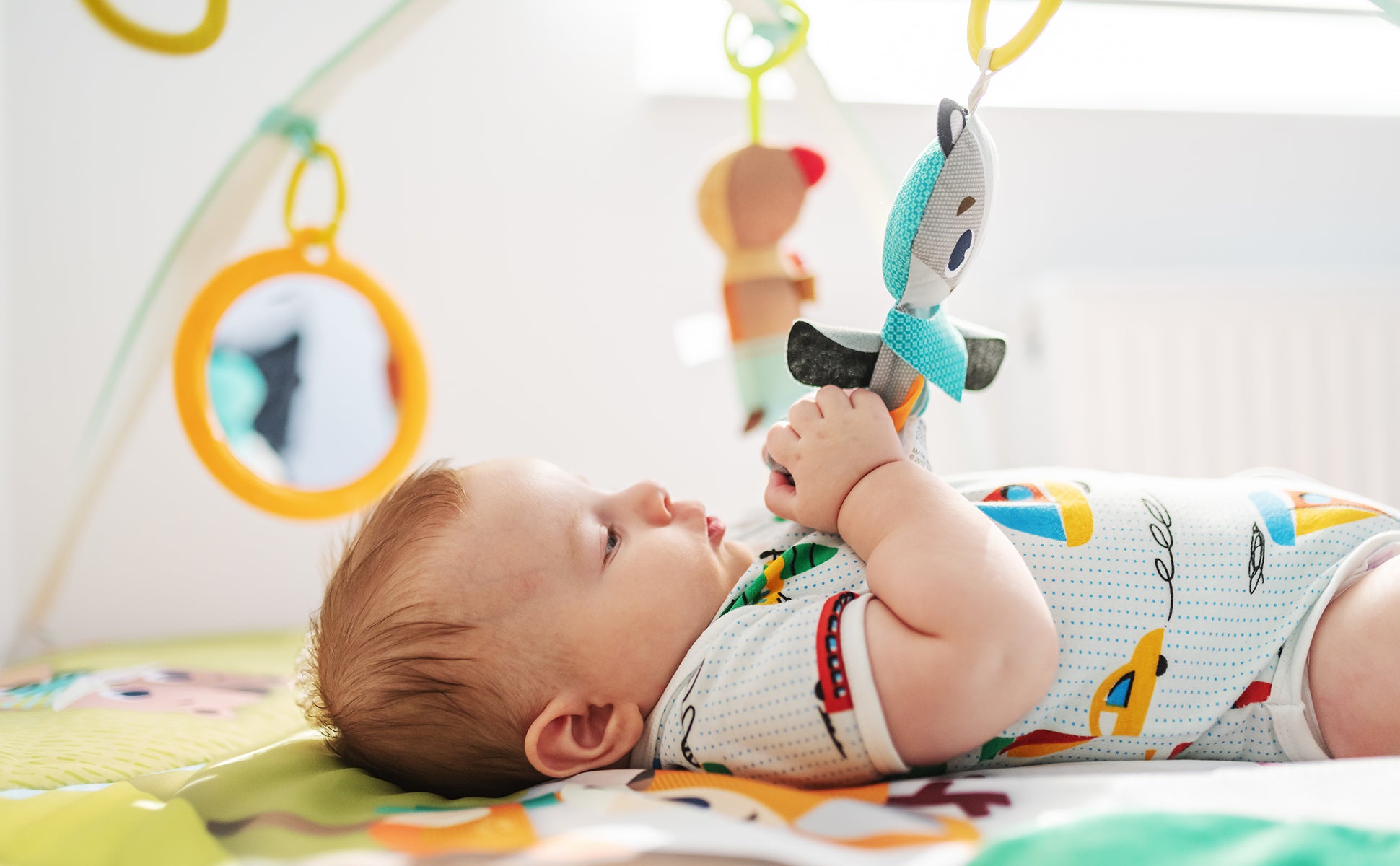
Place your baby on a soft mat with colorful toys around. Use toys with different textures for your baby to touch. Bright toys encourage your baby to lift their head and look around. Gentle rattles or soft squeaky toys can motivate your baby to reach out. Tummy time helps develop neck and shoulder muscles.
Interactive Play Sessions
Hold toys close to your baby’s face and move them slowly. Use toys that make soft sounds to grab their attention. Talk or sing while showing toys to create connection. Toys with mirrors help your baby recognize their reflection. These sessions improve focus and social skills.
Bedtime Sensory Soothers
Use soft, plush toys with gentle sounds to calm your baby. Choose toys with soothing colors to create a peaceful mood. A small, textured toy can comfort your baby’s hands. Avoid bright lights or noisy toys before sleep. These toys help your baby relax and prepare for rest.
Techniques For Effective Stimulation
Techniques for effective sensory stimulation help newborns learn about their world. Toys designed for sensory play can support this early growth. Using these toys in simple ways creates positive experiences. It builds a strong bond between parent and baby. Each technique focuses on a different sense to keep the baby engaged and happy.
Gentle Touch And Movement
Start with soft, gentle touches using textured toys. Let your baby feel different surfaces like soft fabric or rubber. Move toys slowly near their hands and feet. Lightly stroke the baby’s arms and legs with a toy. This helps develop their sense of touch and body awareness. Always watch the baby’s reactions to see what they like.
Encouraging Visual Tracking
Choose toys with bright colors and simple patterns. Hold them about 8-12 inches from the baby’s face. Move the toy side to side slowly. This invites the baby to watch and follow the toy with their eyes. Visual tracking improves focus and eye muscle control. Change the speed and direction to keep the baby interested.
Using Sounds And Music
Introduce toys that make soft sounds or gentle music. Shake or press the toy to create noise near the baby. Sounds help babies connect hearing with movement. Sing or hum along with the toy’s music to comfort your baby. This technique supports early hearing skills and soothes the baby. Keep sounds calm and not too loud.
Monitoring Baby’s Responses
Monitoring your newborn’s responses is important when using toys for sensory stimulation. Babies cannot tell us how they feel. Observing their reactions helps you know if they enjoy the activity or feel overwhelmed.
Watching your baby closely improves their playtime experience. It helps you provide the right amount of stimulation. This keeps play safe and fun.
Recognizing Overstimulation Signs
Babies show signs when they are overstimulated. Look for fussiness, crying, or turning away from the toy. Rapid breathing and stiff body movements also mean too much sensory input.
Recognizing these signs early helps you stop overstimulation. It protects your baby’s comfort and well-being.
Adjusting Play Based On Feedback
Use your baby’s reactions to guide playtime. If they seem calm, continue gently. If they appear uneasy, pause or change the toy.
Shorter play sessions often work better. Gradually increase time as your baby gets used to new sensations.
Creating A Comfortable Environment
Keep the play area quiet and soft-lit. Remove loud noises and bright lights that can upset your baby.
Choose safe, soft toys. A calm setting helps your baby focus and enjoy sensory play.
Safety Tips For Sensory Play
Using toys for sensory stimulation helps newborns learn about their world. Safety is key to make playtime fun and safe. Parents must follow simple rules to keep babies safe during sensory play.
Regular Toy Inspection
Check toys often for damage or wear. Broken parts can hurt babies or cause choking. Look for cracks, loose pieces, or sharp edges. Clean toys regularly to keep them germ-free. This keeps play safe and healthy.
Avoiding Small Parts
Choose toys without small pieces that babies can swallow. Small parts can block airways and cause choking. Select larger toys made for newborns. Make sure all parts are firmly attached. Avoid toys with buttons, beads, or detachable decorations.
Supervised Playtime
Always watch your baby during sensory play. Newborns explore by putting toys in their mouth. Close supervision prevents accidents. Stay near and ready to help. Supervised play ensures safe and happy learning.
Frequently Asked Questions
What Toys Are Best For Newborn Sensory Stimulation?
Soft, textured toys like plush rattles and teething rings are ideal. They engage touch, sight, and sound senses safely for newborns.
How Do Sensory Toys Help Newborn Development?
Sensory toys enhance brain development by stimulating the five senses. They improve motor skills, focus, and cognitive growth in newborns.
When Should I Start Using Sensory Toys With My Newborn?
You can introduce sensory toys from birth. Early stimulation supports neural connections and promotes healthy sensory development in newborns.
How To Choose Safe Sensory Toys For Newborns?
Opt for BPA-free, non-toxic, and washable toys. Ensure there are no small parts to prevent choking hazards for newborns.
Conclusion
Toys help newborns explore their senses every day. Bright colors and soft textures catch their attention. Gentle sounds calm and engage their minds. Simple toys build strong bonds between parent and child. Use safe, age-appropriate toys to support growth. Watch your baby respond and learn with joy.
Small moments with toys create lasting memories. Sensory play lays a foundation for future learning. Enjoy these early days of discovery together.


