Have you noticed a yellow tint on your newborn’s skin and felt a surge of worry? You’re not alone.
Yellow skin in newborns is a common concern for many parents, and understanding what it means can bring you comfort and clarity. This color change might seem alarming, but it often points to a condition called jaundice, which is usually treatable.
Keep reading to learn what causes yellow skin in your baby, when you should seek help, and how you can support your little one’s health every step of the way. Your baby’s well-being matters, and knowing what to watch for can make all the difference.
Causes Of Yellow Skin In Newborns
Yellow skin in newborns is a common sign of jaundice. It happens when there is too much bilirubin in the baby’s blood. Bilirubin is a yellow substance made when the body breaks down old red blood cells. Newborns have a lot of red blood cells that break down quickly. Their livers are still immature and may not remove bilirubin efficiently. Several causes lead to yellow skin in newborns. Understanding these causes helps parents and caregivers know what to expect and when to seek help.
Physiological Jaundice
Physiological jaundice is the most common type. It usually appears two to three days after birth. The baby’s liver is still developing and cannot process bilirubin fast enough. This causes a mild increase in bilirubin levels. The yellow color often fades within one to two weeks as the liver matures. It is a normal part of newborn development and rarely needs treatment.
Breastfeeding Jaundice
Breastfeeding jaundice happens when babies do not get enough breast milk. This can occur in the first week of life. Low milk intake slows the baby’s bowel movements. Bilirubin leaves the body through stools, so fewer stools mean more bilirubin stays in the blood. Increasing feeding frequency usually helps. This type improves as the baby drinks more milk.
Breast Milk Jaundice
Breast milk jaundice starts after the first week and may last for several weeks. Some substances in breast milk can slow bilirubin breakdown. This type is not harmful and rarely needs treatment. Stopping breastfeeding is not necessary. Most babies continue to grow well and recover naturally.
Hemolytic Disorders
Hemolytic disorders cause rapid breakdown of red blood cells. This leads to high bilirubin levels. Conditions like Rh or ABO blood group incompatibility can cause this. The baby’s immune system attacks its own red blood cells. This type of jaundice appears early and is more severe. It may need medical treatment and close monitoring.
Infections And Other Conditions
Infections can cause jaundice by affecting the liver. Serious infections may increase bilirubin levels quickly. Other conditions like liver disease or enzyme problems can also cause yellow skin. These cases are less common but need prompt medical care. Early diagnosis helps prevent complications and ensures the baby stays healthy.

Recognizing Symptoms
Recognizing the symptoms of yellow skin in newborns is important for early care. Parents can notice changes that suggest jaundice. Early detection helps in seeking timely medical advice. Knowing what to watch for makes all the difference.
Skin And Eye Color Changes
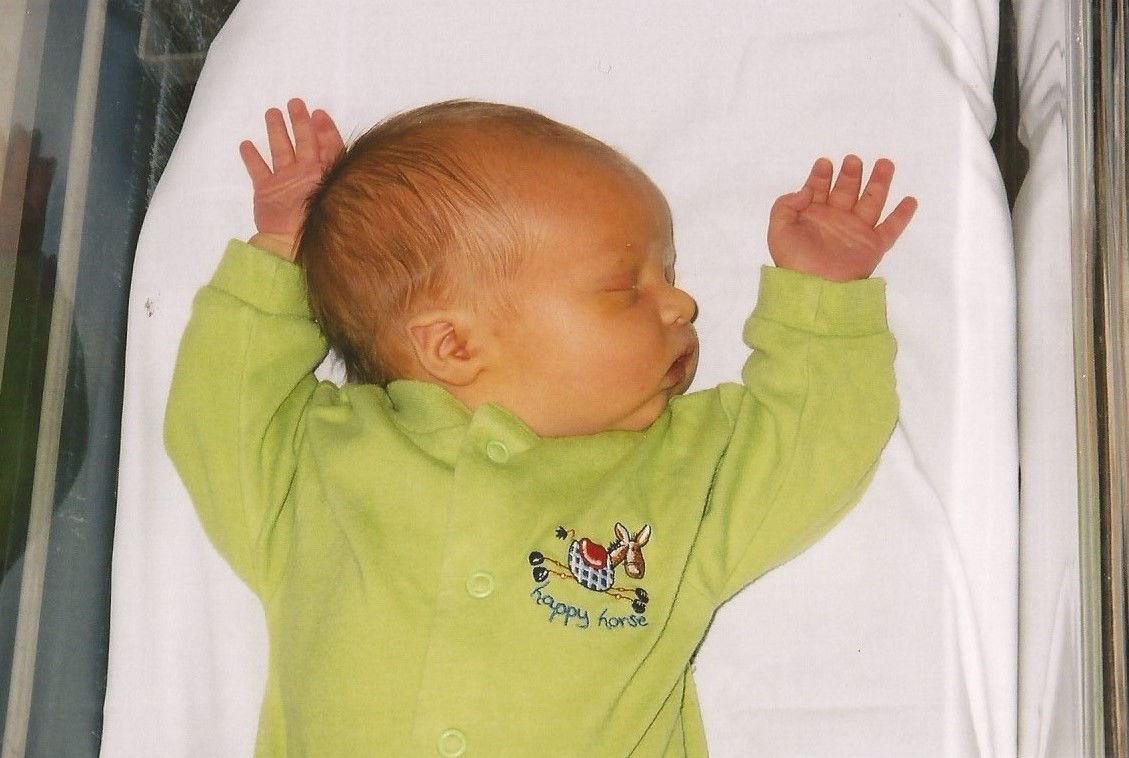
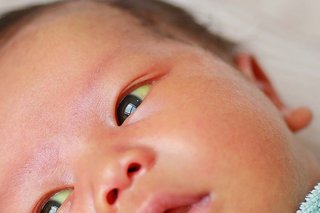
The most visible sign is yellowing of the skin. It usually starts on the face and chest. The white part of the eyes may turn yellow too. This color change can become more noticeable under natural light. Check your baby’s skin daily for any yellow tint.
Behavioral Signs
A baby with yellow skin might seem sleepy or less active. They may not respond as usual to sounds or touch. Watch for unusual fussiness or irritability. These behavior changes can signal discomfort or illness.
Feeding And Sleeping Patterns
Feeding may become difficult if jaundice is present. Your baby might feed less often or suck weakly. Sleeping more than usual is also common. Keep track of feeding times and sleep duration to detect changes early.
When To Seek Medical Help
Yellow skin in a newborn can be common, but knowing when to seek medical help is important. Some signs need immediate attention to keep your baby safe. Understanding these signs helps you act quickly and confidently.
Warning Signs
Watch for yellowing that spreads beyond the face. If your baby is very sleepy or hard to wake, this is a concern. Poor feeding or constant crying also needs checking. Notice if your baby’s skin looks pale or the eyes seem very yellow. These signs mean a doctor should evaluate your baby soon.
Urgent Care Indicators
Seek urgent care if your baby’s yellow skin appears within the first 24 hours. If your baby’s body feels cold or limp, act fast. Breathing problems or seizures require immediate medical help. Also, if jaundice worsens or your baby becomes very weak, go to the emergency room. Quick action can prevent serious problems.
Essential Care Tips
Yellow skin in newborns often signals jaundice, a common condition. Proper care helps reduce the yellow tint and supports baby’s health. Parents can follow simple steps to manage this condition safely at home.
Understanding key care tips ensures babies get the right support. These tips focus on feeding, tracking changes, and safe home treatments.
Feeding Practices
Frequent feeding helps the baby pass bilirubin through urine and stool. Breastfeed every 2 to 3 hours or offer formula as advised. Keep the baby well-hydrated to flush out toxins. Avoid long gaps between feedings to prevent dehydration and worsening jaundice.
Monitoring And Record Keeping
Track the baby’s color and behavior daily. Note any increase in yellowness on the skin or eyes. Record feeding times, urine, and stool output to share with your doctor. Early detection of changes helps prevent complications.
Home Treatment Options
Place the baby near natural light, avoiding direct sunlight. Indirect sunlight can help break down excess bilirubin. Do not use sunlamps or tanning beds, as they can harm the baby’s skin. Follow your healthcare provider’s advice on safe home care methods.
Medical Treatments
Yellow skin in newborns, often due to jaundice, requires timely medical care. Treatments help reduce bilirubin levels safely. Doctors choose methods based on severity and baby’s health. Early care prevents complications and supports healthy growth.
Phototherapy
Phototherapy uses special blue light to treat jaundice. The light changes bilirubin in the skin to a form the body can remove. Babies lie under the light for several hours or days. This treatment is safe and effective for mild to moderate jaundice.
Exchange Transfusion
Exchange transfusion is for severe jaundice cases. It replaces the baby’s blood with fresh blood. This quickly lowers dangerous bilirubin levels. Doctors perform this procedure carefully in a hospital setting. It helps prevent brain damage caused by high bilirubin.
Medications And Follow-up
Some babies may need medicines to lower bilirubin. Doctors prescribe these based on the baby’s condition. Follow-up visits check bilirubin levels and overall health. Parents get advice on feeding and signs to watch. Regular monitoring ensures the baby recovers well.
Frequently Asked Questions
What Causes Yellow Skin In Newborns?
Yellow skin in newborns is usually caused by jaundice. It happens due to high bilirubin levels in the blood. Newborns’ livers are immature and may not process bilirubin efficiently. This condition is common and often resolves naturally within two weeks after birth.
When Should I Worry About Newborn Jaundice?
You should seek medical help if yellow skin spreads to the body, or if the baby is lethargic, feeding poorly, or has dark urine. Persistent jaundice beyond two weeks also needs evaluation. Early diagnosis helps prevent complications like brain damage.
How Is Yellow Skin In Newborns Treated?
Treatment depends on bilirubin levels. Mild cases need no treatment and improve over time. Moderate to severe jaundice is treated with phototherapy, which uses light to break down bilirubin. In rare cases, a blood transfusion may be necessary.
Can Breastfeeding Affect Newborn Jaundice?
Yes, breastfeeding can influence jaundice. Breast milk jaundice occurs due to substances in breast milk that increase bilirubin. It is usually harmless and resolves without stopping breastfeeding. Proper feeding helps reduce bilirubin levels by promoting bowel movements.
Conclusion
Yellow skin in newborns is common and often not serious. Most cases clear up on their own in a few weeks. Still, watch your baby closely for changes. Seek medical advice if yellow color spreads or lasts long. Early care helps keep your baby safe and healthy.
Understanding this condition eases parents’ worries. Trust your instincts and ask a doctor when unsure. This knowledge supports your baby’s well-being every step.