If you’re a new parent, dealing with your baby’s colic can feel overwhelming and exhausting. The constant crying, the restless nights, and the worry about your little one’s comfort can leave you feeling helpless.
But you’re not alone, and there are simple, effective ways to manage newborn colic that can bring relief to both you and your baby. You’ll discover practical tips and gentle techniques designed to soothe your baby’s discomfort and help restore calm to your home.
Keep reading to find the support and solutions you need right now.
Causes Of Newborn Colic
Newborn colic causes can puzzle many parents. Understanding these causes helps ease the baby’s discomfort. Colic is common and usually temporary. It involves intense crying for hours without clear reason. Various factors may trigger colic symptoms. Exploring these can guide better management and care.
Common Triggers
Common triggers include feeding issues and sensitivity to milk. Overfeeding or underfeeding might upset a baby’s stomach. Swallowing air during feeding can cause gas pain. Sometimes, a baby reacts to strong smells or loud noises. These triggers can make a baby more irritable and fussy.
Digestive Factors
Digestive problems often play a big role in colic. Immature digestive systems may cause gas buildup. Difficulty breaking down certain foods leads to discomfort. Some babies have trouble with lactose or milk protein. These issues cause tummy pain and crying spells.
Environmental Influences
Environment affects a baby’s mood and digestion. Bright lights or noisy rooms can cause stress. Changes in routine or new surroundings may upset the baby. Too much stimulation sometimes leads to over-tiredness and crying. Calm, quiet environments help soothe a colicky baby.
Recognizing Colic Symptoms
Recognizing colic symptoms early helps parents manage their newborn’s discomfort. Colic causes intense crying and fussiness. Knowing what signs to watch for can ease stress and improve care.
Different babies show colic in different ways. Paying attention to crying patterns, physical signs, and behavior changes is key. This helps identify colic and separate it from other issues.
Crying Patterns
Colic crying is loud and intense. It often starts suddenly and lasts for hours. Crying tends to happen at the same time each day. Most commonly, it occurs in the late afternoon or evening. The crying is hard to soothe. Normal feeding or holding may not stop it.
Physical Signs
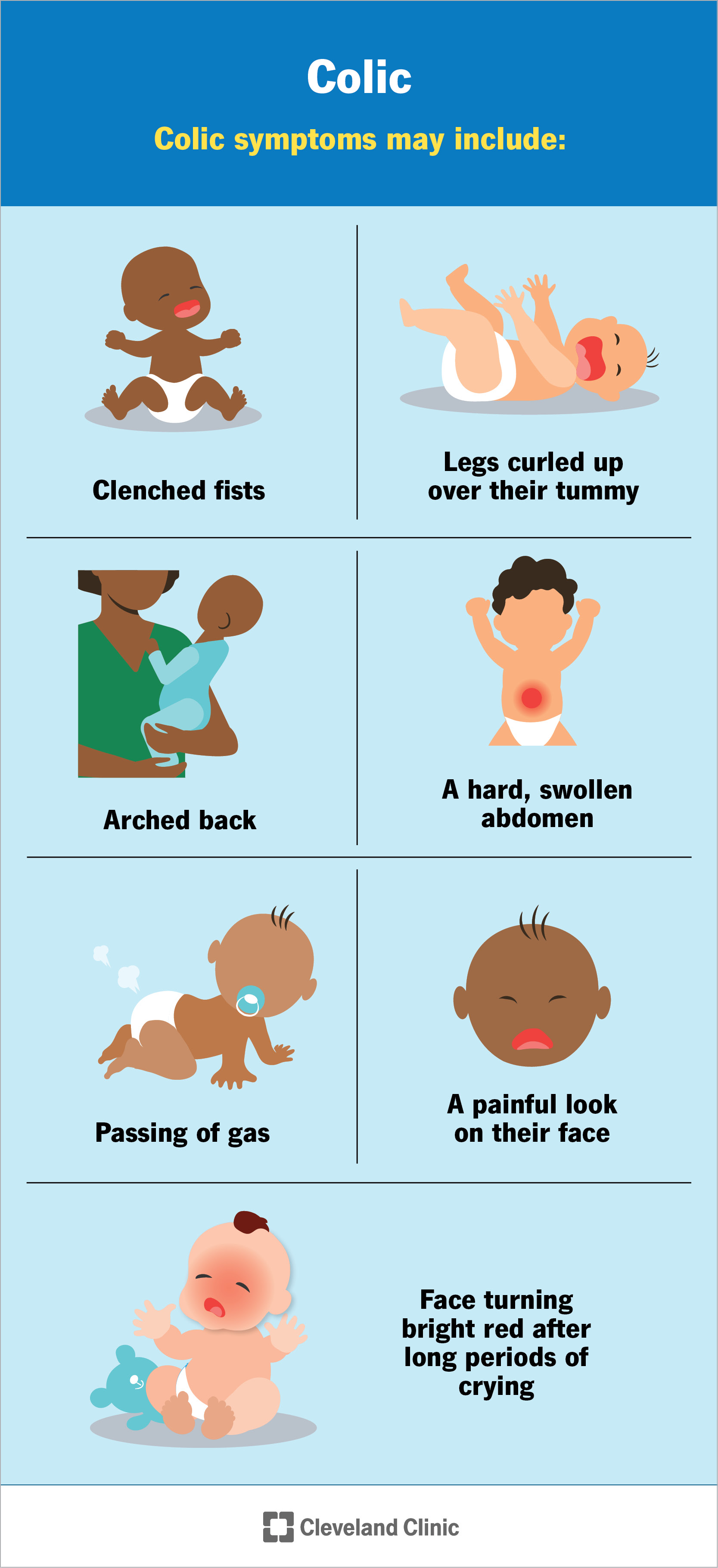
Babies with colic may clench their fists tightly. Their legs might pull up toward the belly. A red face or flushed cheeks are common. Some babies arch their back while crying. These physical signs show discomfort and pain.
Behavioral Changes
Colic can make babies restless and irritable. They may refuse to feed or have trouble sleeping. Some become more sensitive to touch or noise. These changes can last for weeks, affecting daily routines. Watching for these shifts helps detect colic early.
Soothing Techniques
Newborn colic can make both babies and parents feel stressed. Soothing techniques help calm the baby and ease discomfort. These simple methods can bring peace and comfort during fussy moments. Consistency is key to finding what works best for each baby.
Swaddling And Holding
Swaddling wraps the baby snugly in a soft blanket. It creates a feeling of safety and warmth. Holding your baby close also helps. Skin-to-skin contact soothes and reassures them. Gentle pressure around the belly can reduce cramps and crying.
Gentle Rocking
Rocking mimics the movements babies felt in the womb. Slow, steady motions calm the nervous system. Use a rocking chair or hold the baby while swaying. Avoid fast or jerky movements. Gentle rocking can help the baby relax and fall asleep.
White Noise And Music
Soft sounds distract babies from discomfort. White noise imitates the womb’s constant noise. This can soothe and quiet a crying baby. Calm, gentle music also works well. Keep the volume low and use repetitive sounds. These sounds help babies feel secure and calm.
Feeding Adjustments
Feeding adjustments can ease newborn colic symptoms. Small changes in feeding habits help reduce discomfort and fussiness. Focus on how you feed your baby to improve digestion and reduce gas.
Try different feeding methods and observe your baby’s response. Adjusting feeding routines can make a big difference in managing colic.
Burping Strategies
Burp your baby often during and after feeding. This helps release trapped air in the stomach. Try burping your baby every 2-3 ounces of milk. Use gentle pats or rubs on the back. Hold your baby upright for a few minutes after feeding. This position helps gas to escape more easily.
Formula And Diet Changes
Consider switching to a hypoallergenic formula if your baby shows signs of intolerance. Some babies react to cow’s milk protein causing colic. Use lactose-free formula if lactose causes issues. Always consult your pediatrician before changing formula. For breastfeeding moms, watch your own diet for foods that may irritate the baby.
Breastfeeding Tips
Feed your baby in a calm and quiet place. Keep a consistent feeding schedule to avoid overfeeding. Ensure your baby latches properly to reduce swallowed air. Avoid fast feeding; slow down to help digestion. Try different breastfeeding positions to find comfort for both you and your baby.
Creating A Calm Environment
Creating a calm environment helps soothe a newborn with colic. A quiet and peaceful space can reduce crying and fussiness. Small changes in the room can make a big difference. Focus on lighting, noise, temperature, and safe sleep. These factors help your baby feel secure and relaxed.
Lighting And Noise Control
Use soft, dim lighting to avoid startling your baby. Bright lights can make colic worse. Keep noise levels low and steady. Loud or sudden sounds may upset your newborn. Gentle sounds like white noise or soft music work well. They create a comforting background that masks other noises.
Comfortable Room Temperature
Keep the room temperature between 68 and 72 degrees Fahrenheit. Too hot or too cold rooms can make your baby restless. Dress your baby in light layers for easy adjustment. A comfortable temperature helps your baby relax and sleep better. Check the room often and adjust the thermostat if needed.
Safe Sleep Practices
Always place your baby on their back to sleep. This position reduces the risk of sudden infant death syndrome (SIDS). Use a firm mattress without loose bedding or toys. Keep the crib clear to ensure safety. Follow recommended sleep guidelines to protect your baby. A safe sleep space supports calm and healthy rest.

When To Seek Medical Advice
Newborn colic can be very stressful for parents. Most of the time, it goes away with home care. Sometimes, colic symptoms might signal other problems. Knowing when to seek medical advice helps keep your baby safe. Watch your baby closely and trust your instincts.
Warning Signs
Look for signs that need urgent attention. High fever over 100.4°F (38°C) is a red flag. Vomiting that does not stop or is green. Blood in stool or vomit is serious. Baby stops feeding or is very weak. Excessive crying beyond usual colic times. Breathing problems like fast or hard breathing. Skin that looks pale, blue, or very yellow. These signs mean see a doctor quickly.
Consulting Your Pediatrician
Call your pediatrician if you notice warning signs. Share detailed information about the crying and behavior. Mention feeding habits and any changes in sleep. The doctor may ask about fever and bowel movements. They will check for infections or other issues. Sometimes tests or treatments may be needed. Early advice helps avoid complications and eases your worries.
Support For Parents
Having a newborn with colic can be very hard for parents. The constant crying and fussiness can cause stress and tiredness. Parents need support to manage their feelings and care for their baby. Support helps parents feel less alone and more confident. It also teaches ways to handle colic better.
Stress Management
Parents should take time to rest and breathe deeply. Short breaks help calm the mind and body. Talking about feelings with a partner or friend can reduce stress. Simple activities like walking or listening to music can bring relief. Keeping a calm home helps soothe both baby and parent. Stress management improves patience and energy for caring.
Support Groups And Resources
Joining support groups connects parents with others in the same situation. Sharing stories and advice provides comfort and useful tips. Many groups meet online, making it easy to join from home. Health professionals offer reliable information about colic care. Books and websites can guide parents step-by-step. Support groups and resources create a strong safety net for families.

Frequently Asked Questions
What Are Common Causes Of Newborn Colic?
Newborn colic often results from digestive discomfort, gas, or immature gut development. Feeding techniques and allergies may also contribute. Identifying these causes helps in managing symptoms effectively and providing relief to your baby.
How Can I Soothe A Colicky Baby Quickly?
Swaddling, gentle rocking, and using white noise can calm a colicky baby. Offering a pacifier or a warm bath may also help. Consistent comforting techniques provide reassurance and reduce crying episodes.
Does Feeding Method Affect Newborn Colic?
Yes, feeding methods can impact colic. Breastfeeding mothers should watch their diet for irritants. Bottle-fed babies may benefit from anti-colic bottles or paced feeding to reduce swallowed air and discomfort.
When Should I Consult A Doctor For Colic?
Seek medical advice if your baby’s crying is excessive, feeding poorly, or showing other symptoms like fever. Persistent colic may indicate underlying issues needing professional evaluation and treatment.
Conclusion
Managing newborn colic takes patience and gentle care. Small changes in feeding and soothing can help calm your baby. Remember, colic usually fades after a few months. Trust your instincts and seek support when needed. Every baby is unique, so find what works best.
Stay calm and keep trying different methods. Comfort and love make a big difference. Your efforts will help your baby feel better soon.