Have you noticed your newborn suddenly wanting to eat more often or seem fussier than usual? These changes might be signs of a growth spurt—a time when your baby’s body needs extra fuel to grow fast.
Feeding your newborn during these periods can feel overwhelming and confusing. But don’t worry, understanding what’s happening and how to respond can make this phase much smoother for both you and your baby. Keep reading to discover simple tips and expert advice that will help you meet your little one’s changing needs with confidence.
Signs Of Growth Spurts
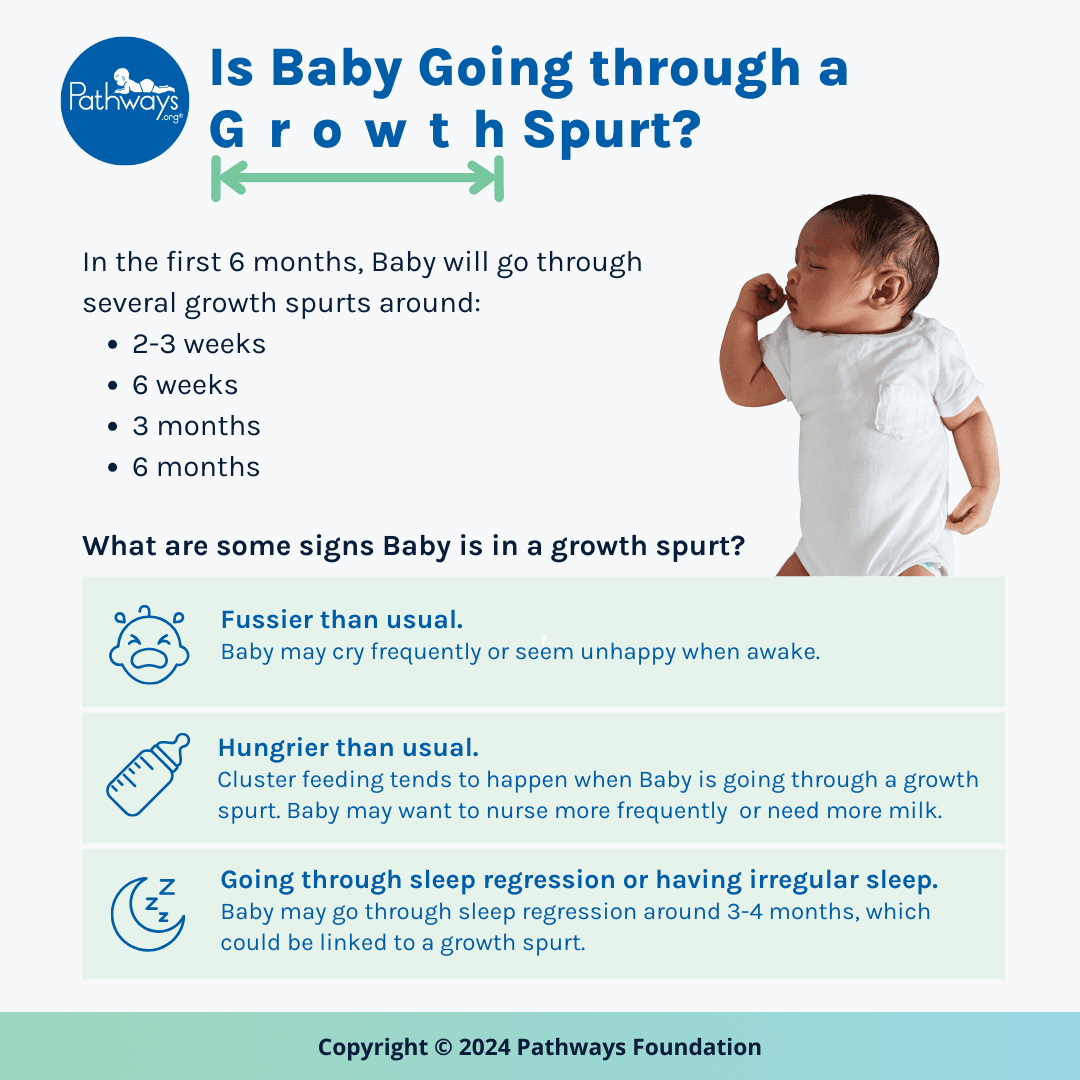
Recognizing the signs of growth spurts helps parents support their newborns better. Babies grow quickly during these times. Their bodies need more nutrition and comfort. Noticing changes can ease feeding and care routines. Here are key signs to watch for.
Changes In Feeding Patterns
Babies may nurse more often and for longer periods. They might seem hungry shortly after feeding. Some may want to feed every hour. This increased demand helps their rapid growth. Feeding more helps meet their body’s new needs.
Increased Fussiness
Babies can become more irritable and restless. They may cry more than usual. This fussiness often shows their discomfort or hunger. Parents can soothe them with extra cuddles and feeding. Patience and care are important during these times.
Sleep Pattern Shifts
Sleep routines may change unexpectedly. Babies might sleep less or more than usual. Some wake up more often at night. These shifts support their growing bodies and brains. Adapting to new sleep patterns helps both baby and parents.
Adjusting Feeding Frequency
Adjusting feeding frequency during a newborn’s growth spurt is important. Babies need more food to support their fast growth. Feeding more often helps meet their increased hunger. It also keeps them comfortable and happy. Parents must watch their baby’s signals closely. These signs show when it’s time to feed again.
Recognizing Hunger Cues
Babies show many signs when they are hungry. They might suck on their hands or lips. Some babies make soft noises or squirm in their sleep. Crying often means hunger, but it is a late sign. Watch for early signals to feed on time. This helps avoid stress for both baby and parent.
Offering More Frequent Feedings
During growth spurts, feed your baby more often than usual. Shorter breaks between feedings keep up with their needs. You can offer milk every one to two hours. Follow your baby’s cues, not just the clock. Feeding frequently helps ensure they get enough nourishment. This supports healthy growth and development.
Optimizing Milk Supply
Growth spurts make babies hungrier than usual. This puts pressure on milk supply to keep up. Feeding during these times needs attention to milk production and baby’s needs. Optimizing milk supply helps babies get enough nutrition. It also supports the mother’s health and comfort.
Boosting Breast Milk Production
Breast milk production works on demand and supply. The more the baby nurses, the more milk is made. Offer the breast often during growth spurts. Try to feed on both sides to stimulate milk glands.
Stay hydrated and eat balanced meals. Rest as much as possible to keep energy up. Some gentle breast massages can help milk flow better. Avoid stress, as it may reduce milk supply.
Use a breast pump after feeding to increase supply. Pumping signals your body to produce more milk. Keep the pump sessions regular but not too long. Consistency helps maintain a good milk supply.
Using Formula Effectively
Formula can support feeding when breast milk is low. Choose the right formula based on your baby’s age and needs. Follow the instructions carefully to make safe bottles. Use formula to fill gaps, not replace breastfeeding completely.
Introduce formula slowly to help baby adjust. Watch for any reactions or allergies. Keep feeding times calm and comfortable. Mixing breast milk and formula can ease the transition.
Discuss formula use with a pediatrician for the best advice. Balancing breastfeeding and formula helps meet your baby’s hunger. This approach supports healthy growth during spurts.

Comfort And Soothing Techniques
Feeding a newborn during growth spurts can be challenging. Babies may feel unsettled and need extra comfort. Soothing techniques help calm your baby and make feeding times peaceful. These methods support bonding and make feeding easier for both of you.
Skin-to-skin Contact
Skin-to-skin contact soothes your baby quickly. Hold your baby close against your bare chest. This warmth helps regulate their body temperature and heart rate. It also makes your baby feel safe and calm. This closeness encourages better feeding and helps your baby relax.
Calming Strategies During Feeding
Soft talking or gentle singing can comfort your baby during feeding. Slow, rhythmic rocking helps calm fussiness. Using a quiet room reduces distractions and keeps your baby focused. Swaddling can provide a sense of security. These small actions support a peaceful feeding experience.
Monitoring Baby’s Growth
Monitoring your baby’s growth during growth spurts is very important. It helps you see if your baby is feeding well and staying healthy. Growth spurts can make babies eat more or less for a short time. Tracking their progress gives you clear signs of how they are developing.
Careful tracking of growth also helps you notice any changes early. This way, you can act quickly to support your baby’s health and comfort. Simple tools and regular checks make this task easier for parents.
Tracking Weight And Length
Weigh your baby regularly to watch their growth. Most pediatricians check weight at every visit. Use a reliable baby scale at home for extra checks. Measure length or height too, as it shows overall growth.
Keep a growth chart to record these numbers. This chart shows if your baby is growing steadily. Sudden drops or slow gains may need attention. Growth in weight and length together tells a full story.
When To Consult A Pediatrician
See a doctor if your baby is not gaining weight well. Also consult if your baby loses weight or stops growing in length. If feeding becomes difficult or your baby seems very tired, contact a pediatrician. These signs may mean your baby needs extra care.
Doctors can check for feeding issues or health problems. Early advice helps keep your baby strong and happy. Always trust your feelings if something seems off during growth spurts.

Maintaining Maternal Health
Maintaining maternal health during a newborn’s growth spurt is very important. Mothers face extra challenges as their babies feed more often. Staying healthy helps mothers care for their babies well. It also keeps energy levels steady through these busy times.
Focus on good nutrition and managing tiredness. These steps support both mother and baby during growth spurts. Taking care of yourself makes feeding easier and more comfortable.
Nutrition For Nursing Mothers
Eating well fuels milk production and keeps energy high. Choose foods rich in protein, vitamins, and minerals. Fresh fruits, vegetables, whole grains, and lean meats work best. Drinking plenty of water prevents dehydration. Avoid too much caffeine or sugar. Balanced meals help maintain steady energy throughout the day.
Small, frequent meals can be easier to manage. Healthy snacks like nuts or yogurt support milk supply. A good diet also supports mood and overall health. Remember, feeding yourself well feeds your baby well.
Managing Fatigue And Stress
Growth spurts can bring tiredness and stress. Rest is important but often hard to get. Try short naps when the baby sleeps. Accept help from family or friends to reduce pressure. Gentle exercise, like walking, can boost energy.
Deep breathing or simple meditation calms the mind. Avoid pushing yourself too hard. Listen to your body’s signals. Managing stress helps keep milk flowing and supports emotional well-being.
Frequently Asked Questions
How Often Should I Feed My Newborn During Growth Spurts?
During growth spurts, feed your newborn more frequently, usually every 1-2 hours. This helps meet their increased nutritional needs and supports rapid growth.
What Signs Indicate My Baby Is Experiencing A Growth Spurt?
Common signs include increased hunger, fussiness, longer feeding sessions, and disturbed sleep patterns. Babies often demand more frequent feeding during these periods.
Can I Overfeed My Newborn During Growth Spurts?
It’s unlikely to overfeed during growth spurts as babies self-regulate intake. Trust your baby’s hunger cues and feed on demand for healthy growth.
Should I Change Feeding Methods During Growth Spurts?
No need to change feeding methods. Continue breastfeeding or formula feeding as usual, but increase feeding frequency to satisfy your baby’s hunger during growth spurts.
Conclusion
Feeding your newborn during growth spurts takes patience and care. Babies need extra milk and comfort at these times. Trust your baby’s hunger cues and feed on demand. Keep calm and stay consistent with feeding routines. Remember, growth spurts are short and natural.
Your baby will soon feel satisfied and grow stronger. Enjoy these special moments and support your little one’s needs. Each feeding helps your baby thrive and develop well.