Introducing a bottle to your newborn can feel overwhelming, especially when you want to make sure your baby stays happy and healthy. You might wonder when the right time is, how to make the switch smooth, or how to avoid common feeding struggles.
If you’re looking for simple, effective steps to help your little one accept the bottle without stress, you’re in the right place. Keep reading, and you’ll discover easy tips that will make feeding time easier for both you and your baby.
When To Start Bottle Feeding
Introducing a bottle to a newborn is an important step for many parents. Knowing the right time to start helps make feeding easier for both baby and caregiver. Starting too early or too late can cause feeding problems.
Watch your baby’s cues and development to find the best moment. The timing depends on many factors, including breastfeeding success and baby’s needs.
Ideal Age For Introduction
The best age to start bottle feeding is usually around 4 to 6 weeks. By then, breastfeeding is often well established. Introducing a bottle too early can confuse your baby.
Some babies may accept a bottle earlier if needed. Premature babies or those with special needs might require different timing. Always check with your pediatrician for advice tailored to your baby.
Signs Baby Is Ready
Look for signs that show your baby is ready for a bottle. If your baby can hold their head up well, it is a good sign. Babies showing interest in feeding or opening their mouth wide are ready.
Babies who seem frustrated or tired at breastfeeding sessions may accept a bottle better. Watch for calm sucking and swallowing reflexes. These signs mean your baby can handle bottle feeding.
Choosing The Right Bottle
Choosing the right bottle for your newborn is important. The bottle affects how your baby feeds and feels. A good bottle can make feeding easier for both of you. It helps your baby accept the bottle without fuss. Learn about the types of bottles and nipples to find the best fit.
Types Of Bottles
Bottles come in many shapes and materials. Plastic bottles are light and safe. Glass bottles are heavier but easy to clean. Silicone bottles are soft and gentle for babies.
Some bottles have wide necks, making them easy to fill and clean. Others have narrow necks that can feel like breastfeeding. Choose a bottle that feels right for your baby.
Anti-colic bottles reduce air intake during feeding. This helps prevent gas and fussiness. If your baby struggles with colic, try these bottles first.
Nipple Shapes And Flow Rates
Nipples come in different shapes to match baby’s mouth. Some are round, like a breast. Others are flat or angled. Find a shape your baby likes for smooth feeding.
Flow rate means how fast the milk comes out. Newborns need slow flow nipples. This helps them drink comfortably and avoid choking.
As your baby grows, you can switch to medium or fast flow. Watch your baby’s cues to know when to change.
Preparing For Bottle Feeding
Preparing for bottle feeding is an important step in caring for your newborn. It helps your baby get used to a new feeding method. Proper preparation keeps feeding safe and comfortable. This makes the transition smooth for both of you.
Sterilizing Bottles And Nipples
Clean bottles and nipples before every use. Germs can cause infections in newborns. Use hot, soapy water to wash all parts. Rinse well to remove soap residue. Boil bottles and nipples for 5 minutes to sterilize. Let them air dry on a clean towel. Store them in a clean place to avoid germs.
Warming The Milk Safely
Warm milk to body temperature for a cozy feeding. Avoid using a microwave; it heats unevenly and creates hot spots. Instead, place the bottle in a bowl of warm water. Test the milk temperature by dropping some on your wrist. It should feel warm, not hot. Use warmed milk within 1 hour to keep it safe.
Techniques For Introducing The Bottle
Introducing a bottle to a newborn can be a smooth process with the right techniques. It takes patience and a calm approach. This section covers key steps to help your baby accept the bottle easily. Each step supports your baby’s comfort and feeding success.
Timing And Setting
Choose a quiet time for the first bottle feed. Avoid times when your baby is very hungry or sleepy. A calm environment helps your baby focus on feeding. Soft lighting and minimal noise create a soothing setting. Try offering the bottle when your baby is relaxed but alert.
Positioning Your Baby
Hold your baby in a semi-upright position. Support their head and neck gently. This position mimics breastfeeding and feels natural. Avoid feeding your baby lying flat. Hold the bottle at an angle to keep milk flowing slowly. This helps prevent choking and gas.
Encouraging Latch And Sucking
Gently touch the bottle nipple to your baby’s lips. Wait for them to open their mouth wide. Offer the nipple slowly to encourage a good latch. Let your baby suck at their own pace. If your baby pulls away, stay calm and try again later.
Dealing With Bottle Refusal
Introducing a bottle to a newborn can sometimes be tricky. Some babies refuse the bottle at first. This refusal can cause stress for parents. Understanding why babies refuse helps find solutions. Patience and gentle effort are important during this phase.
Common Reasons For Refusal
Babies may refuse bottles due to several reasons. They might prefer breastfeeding and find the bottle strange. The bottle nipple shape or flow could feel different. Some babies dislike the temperature of the milk. Illness or discomfort can also cause refusal. Timing matters too; newborns may not be hungry when offered.
Tips To Encourage Acceptance
Try offering the bottle when your baby is calm. Use a nipple that mimics the breast shape. Warm the milk to body temperature for comfort. Let someone else feed the baby first. This avoids confusion with breastfeeding. Offer the bottle gently and slowly. Keep calm and patient; babies sense stress. Try different feeding positions to find one your baby likes. Repeated gentle attempts can help the baby accept the bottle over time.

Balancing Breast And Bottle Feeding
Balancing breast and bottle feeding helps babies get the best of both worlds. It allows flexibility for parents and ensures babies receive enough nutrition. This balance supports baby’s growth and comfort while making feeding easier for the family.
Maintaining Milk Supply
Keeping a good milk supply is key when combining breast and bottle. Feed your baby at the breast often to signal your body to make milk. Use a breast pump between feedings if needed to keep milk flowing. Avoid long breaks from breastfeeding to prevent supply drops. Stay hydrated and rest well to support milk production.
Scheduling Feedings
Create a feeding schedule that fits your baby’s needs and your routine. Offer breast milk first, then bottle if baby is still hungry. Keep feeding times regular to help your baby feel secure. Watch for hunger signs rather than strict clock times. Consistent feeding helps your baby adjust to both breast and bottle.
Monitoring Baby’s Response
Introducing a bottle to a newborn is a big step. Watching how your baby reacts helps you understand their needs better. Monitoring your baby’s response during feeding ensures they are comfortable and healthy. It also helps you notice any problems early. This way, feeding time stays positive for both of you.
Recognizing Feeding Cues
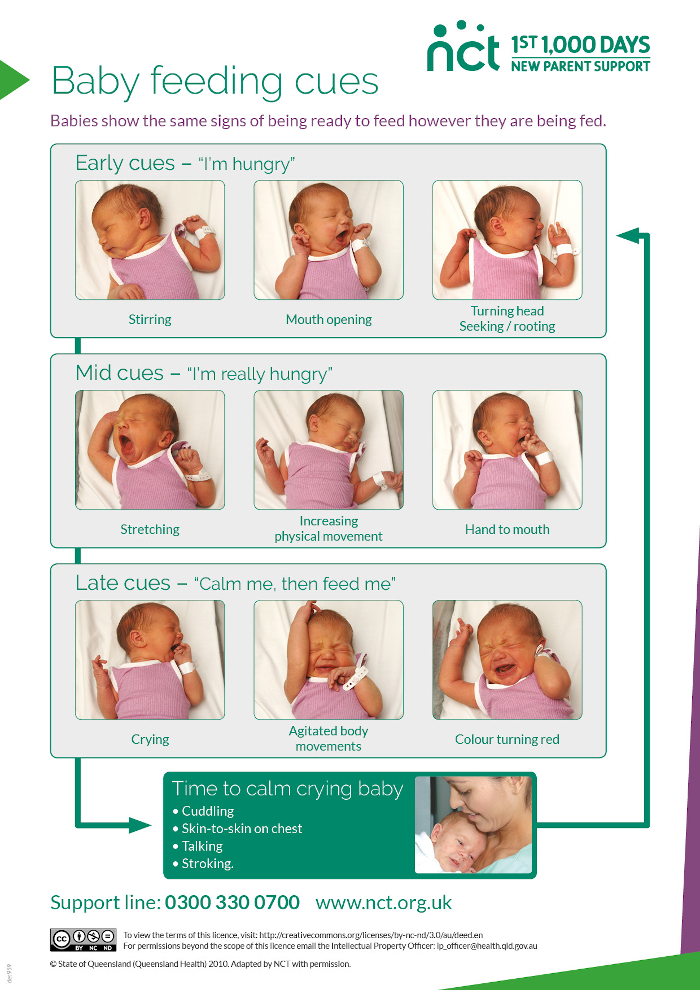
Babies show signs when they are hungry or full. Look for rooting, sucking on hands, or fussiness. These are signs your baby wants to eat. When your baby turns away or stops sucking, they might be full. Paying attention to these cues helps you feed on time. It prevents overfeeding or underfeeding your newborn.
Tracking Intake And Comfort
Keep track of how much milk your baby drinks. Note the amount and duration of each feeding session. Check if your baby seems relaxed or fussy after feeding. A calm baby usually means they are comfortable and satisfied. If your baby cries or spits up often, watch closely for issues. Tracking intake and comfort helps you adjust feeding as needed.
Troubleshooting Common Issues
Introducing a bottle to a newborn can sometimes bring challenges. Parents often face issues like gas, nipple confusion, or allergic reactions. Understanding these problems helps you respond calmly and keep feeding times smooth. Here are some common issues and simple ways to manage them.
Gas And Colic
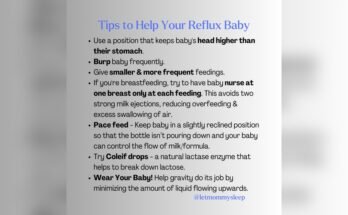
Gas can make babies uncomfortable during or after feeding. It often causes fussiness and crying. To reduce gas, hold the bottle at an angle so the nipple stays full of milk. This helps avoid swallowing air. Burp the baby often during and after feeding. Try gentle tummy massages to ease discomfort.
Nipple Confusion
Some babies find it hard to switch between breast and bottle. The sucking action differs for both. This can cause nipple confusion. To prevent this, introduce the bottle after breastfeeding is well established. Use nipples that mimic the breast shape. Offer the bottle when the baby is calm and hungry, not very hungry or upset.
Allergic Reactions
Allergic reactions to formula are rare but possible. Watch for symptoms like rash, vomiting, or diarrhea. If you notice these signs, stop feeding the formula. Talk to your pediatrician immediately. They can recommend hypoallergenic options or other feeding plans.
Frequently Asked Questions
How Early Can I Introduce A Bottle To My Newborn?
You can introduce a bottle around 3 to 4 weeks after birth. This helps your baby adjust to breastfeeding first. Early introduction may cause nipple confusion, so wait until feeding routines are established.
What Type Of Bottle Is Best For Newborns?
Choose bottles with slow-flow nipples designed for newborns. These mimic breastfeeding flow and reduce choking risk. Look for BPA-free, easy-to-clean bottles that suit your baby’s feeding style.
How Do I Prevent Nipple Confusion When Introducing A Bottle?
Offer the bottle when your baby is calm and slightly hungry. Use slow-flow nipples to mimic breastfeeding pace. Maintain skin-to-skin contact and ensure the baby is comfortable during feeding.
How Often Should I Offer A Bottle To A Newborn?
Offer a bottle once or twice a day initially. Gradually increase frequency as your baby adapts. Keep breastfeeding as the main nutrition source until breastfeeding is well established.
Conclusion
Introducing a bottle to your newborn takes time and patience. Start gently and watch your baby’s reactions. Keep feeding sessions calm and relaxed for best results. Remember, every baby learns at their own pace. Stay consistent and offer the bottle often.
Soon, your baby will accept it with ease. Enjoy this new feeding experience together. You are doing a great job helping your little one grow.