If you’re a new parent, you know how important it is to keep your baby comfortable after feeding. But sometimes, your little one needs a little help letting out trapped air—that’s where burping comes in.
Knowing how to burp a newborn properly can prevent fussiness, spit-ups, and discomfort for your baby. You’ll discover simple, effective techniques to burp your newborn quickly and gently. Keep reading, and you’ll feel confident making your baby feel calm and happy after every feeding.
Why Burping Matters
Burping a newborn helps release air trapped in the stomach. Babies swallow air while feeding or crying. This air can cause discomfort and fussiness. Burping lets the air escape and soothes the baby quickly.
Without burping, the air stays in the tummy. It may cause gas, spitting up, or colic. Burping supports digestion and helps babies feel calm. It is a simple step with big benefits for baby care.
Common Causes Of Baby Gas
Babies swallow air when they feed too fast or cry hard. This air collects in their stomach and intestines. Formula feeding can sometimes cause more gas than breastfeeding. Tight feeding bottles or incorrect nipple flow also add air. Gas makes babies uncomfortable and restless.
Benefits Of Regular Burping
Burping helps release trapped air and reduce pressure. It lowers the chance of spitting up or vomiting. Babies who burp often feed better and sleep well. Burping helps avoid tummy pain and fussiness. It also supports healthy digestion and weight gain.
When To Burp Your Newborn
Knowing when to burp your newborn helps reduce fussiness and discomfort. Burping helps release air swallowed during feeding. This small step makes feeding more pleasant for both baby and parent. Timing matters to ease gas and prevent spit-up.
During Feeding Breaks
Pause feeding to burp your baby after every few minutes. This lets trapped air escape before more milk fills the stomach. Short breaks help reduce gulping air and keep your baby calm. Watch for signs like squirming or pulling away from the bottle.
After Feeding Sessions
Always burp your baby after finishing a feeding. This clears any leftover air in the stomach. Hold your baby upright and gently pat or rub their back. This simple action can prevent discomfort and help your baby relax for a nap.
Effective Burping Positions
Finding the right position to burp a newborn helps release trapped air gently. Different babies prefer different positions. Trying a few can make burping easier for both you and your baby. Comfort and support are key.
Over The Shoulder
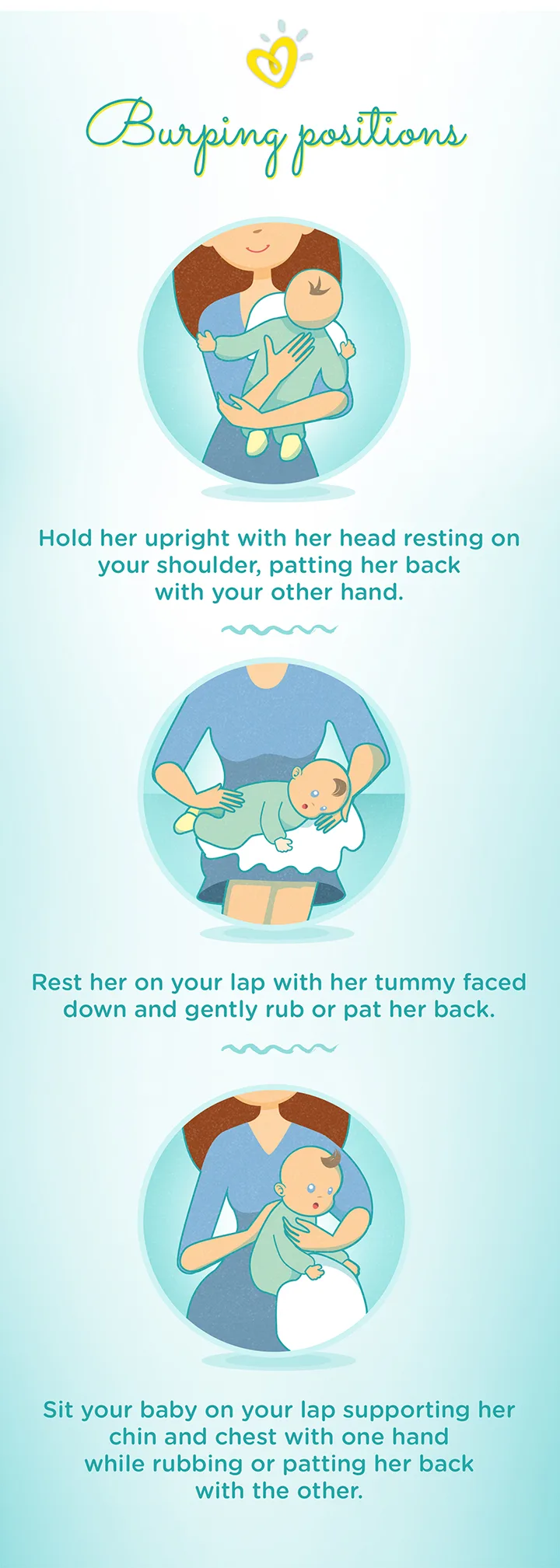
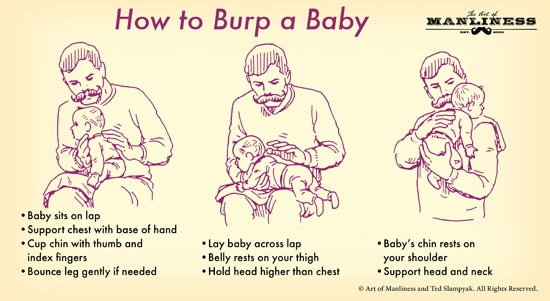
Hold your baby upright against your shoulder. Support their head and neck with one hand. Gently pat or rub their back with the other. This position uses gravity to help air bubbles rise. Keep your baby close and steady.
Sitting On Your Lap
Sit your baby on your lap facing away from you. Use one hand to support their chest and head. Lean your baby slightly forward. Pat their back softly with your other hand. This position gives good control and comfort.
Lying Across Your Lap
Lay your baby face down across your lap. Support their head so it is higher than their chest. Use one hand to pat their back gently. This position helps air move up easily. It also relaxes your baby’s tummy muscles.
Gentle Burping Techniques
Burping a newborn needs a soft and calm approach. Gentle burping techniques help release trapped air without hurting your baby. These methods comfort your little one and reduce fussiness. Use slow, steady motions to keep your baby relaxed.
Patting Vs. Rubbing
Patting is the most common way to burp a baby. Use the flat of your hand to tap gently on your baby’s back. Light pats create small vibrations that help air bubbles rise.
Rubbing feels softer and soothing. Use the palm or fingertips to gently rub in circular motions. This can calm your baby and encourage burping.
Both work well. Try patting first, then rubbing if your baby needs extra comfort.
Finding The Right Pressure
Too much force can upset your baby. Use just enough pressure to feel the gentle movement of air escaping.
Start with soft pats or light rubs. Increase pressure slowly if no burp comes after a minute.
Watch your baby’s reactions. Stop if they seem uncomfortable or start crying.
Gentle pressure helps your baby burp comfortably and keeps them happy.
Signs Your Baby Needs To Burp
Knowing when your baby needs to burp is important. Babies swallow air during feeding. This air can cause discomfort. Signs help you decide the right time to burp your newborn. Watch your baby’s behavior closely. It can tell you a lot.
Restlessness And Fussiness
A baby who needs to burp often becomes restless. They may cry or fidget more than usual. This fussiness shows they feel uncomfortable inside. Burping helps release trapped air. It soothes your baby and stops crying.
Pulling Legs Or Arching Back
Babies may pull their legs toward their tummy. Some arch their back during or after feeding. These actions show gas pain. Burping can ease this discomfort quickly. Watch for these movements as a sign to burp.
Tips For Difficult Burping Sessions
Burping a newborn can sometimes be tricky. Babies do not always burp easily or quickly. Some sessions take longer and need extra care. Patience and gentle techniques help in these moments. The right approach makes burping less stressful for both you and the baby.
Staying Calm And Patient
Babies sense your mood. Staying calm helps them relax. Take slow breaths and keep your voice soft. Do not rush or force the burp. Wait a few minutes between tries. Patience gives your baby time to release trapped air.
Trying Different Positions
One position may not work every time. Try holding your baby upright against your chest. Another option is sitting them on your lap, supporting their head. Gently pat or rub their back in each pose. Changing positions helps find what feels best.
Using Warmth And Comfort
Warmth soothes babies and relaxes their muscles. Wrap your baby in a soft blanket. A warm cloth on their back can help. Hold them close to your body warmth. Comfort reduces fussiness and can make burping easier.
Avoiding Common Burping Mistakes
Burping a newborn might seem simple, but common mistakes can make the process harder. Avoiding these errors helps your baby feel comfortable and reduces fussiness. Knowing what to watch for during burping time is important for every parent.
Overburping Risks
Burping too much can upset your baby’s stomach. It might cause spit-up or discomfort. Babies only need a little help to release trapped air. Watch for signs that your baby is done burping. Stop if your baby seems relaxed or sleepy.
Ignoring Baby’s Cues
Babies give signals when they need to burp. Crying or squirming might mean they feel full of air. Ignoring these signs can make your baby uncomfortable. Pay close attention to your baby’s behavior during feeding. Respond quickly to avoid fussiness and keep them calm.
When To Seek Medical Advice
Knowing when to seek medical advice is important for your newborn’s health. Burping helps release trapped air and reduces fussiness. Sometimes, burping may not solve the baby’s discomfort. Watch for signs that need a doctor’s attention.
Persistent Discomfort
If your baby cries a lot after feeding, it may be more than gas. Constant fussiness or arching the back can show pain. Burping does not ease the discomfort in these cases. The baby might have reflux or another issue. Contact a healthcare provider to check the cause.
Feeding Difficulties
Struggling to feed or refusing milk can signal a problem. Gagging, choking, or coughing during feeding are warning signs. These symptoms may mean the baby cannot swallow properly. Burping will not fix feeding troubles. Seek medical advice to ensure safe feeding and growth.

Frequently Asked Questions
How Often Should I Burp My Newborn During Feeding?
You should burp your newborn every 2 to 3 ounces during bottle feeding and when switching breasts during breastfeeding. This helps release trapped air and prevents discomfort and gas.
What Are The Best Positions To Burp A Newborn?
Common positions include holding your baby upright against your chest, sitting them on your lap supported by your hand, or laying them across your lap. Choose what’s comfortable for both you and your baby.
How Long Does It Take To Burp A Newborn Effectively?
Burping usually takes 1 to 5 minutes. Gently pat or rub your baby’s back until you hear a burp or your baby seems more relaxed and comfortable.
Can Burping Prevent Spit-up In Newborns?
Yes, burping helps release swallowed air, reducing pressure in the stomach. This can lower the chances of spit-up and discomfort after feeding.
Conclusion
Burping a newborn helps release trapped air and eases discomfort. Try different positions to find what works best. Be gentle and patient during the process. Regular burping can reduce fussiness and spit-up. Remember, every baby is unique and may need different techniques.
Keep practicing, and you will get better with time. Burping is a simple step that supports your baby’s comfort and health. Trust your instincts and enjoy these early moments together.