Feeding your newborn can feel overwhelming, especially when you want to do everything right. You might wonder how often to feed, how much is enough, or what signs to watch for.
Getting these answers early can make a huge difference in your baby’s health and your peace of mind. You’ll discover simple, practical tips to feed your newborn properly and confidently. Keep reading to learn how to make feeding time easier and more enjoyable for both you and your little one.

Choosing The Right Feeding Method
Choosing the right feeding method for a newborn is an important step for new parents. Each baby is unique, and feeding choices depend on the baby’s needs and the family’s situation. Understanding different feeding options helps parents feel confident and prepared.
Breastfeeding Benefits
Breastfeeding offers natural nutrition that changes with the baby’s growth. It provides essential vitamins, minerals, and antibodies. These help protect the baby from infections. Breast milk is easy to digest and always ready at the right temperature. Breastfeeding also helps build a strong bond between mother and baby.
Formula Feeding Options
Formula feeding is a safe and nutritious choice. It provides the nutrients babies need to grow well. Formula comes in powder, liquid concentrate, or ready-to-feed forms. Parents should choose a formula that suits their baby’s age and health needs. Preparing formula correctly is important for the baby’s safety.
Combining Breast And Bottle
Some parents choose to combine breastfeeding and bottle feeding. This method offers flexibility and convenience. It allows others to help with feeding. Babies can enjoy the benefits of breast milk and formula. Parents should maintain good hygiene and follow feeding schedules to keep the baby healthy.

Establishing A Feeding Schedule
Establishing a feeding schedule is important for a newborn’s growth and comfort. A clear routine helps parents feel confident and supports the baby’s health. Each baby is unique, so watch closely and adjust the schedule as needed.
Recognizing Hunger Cues
Babies show signs when they are hungry. Watch for lip-smacking, rooting, or sucking on hands. Crying is a late sign of hunger. Responding early helps keep the baby calm. Pay attention to these signals to feed on time.
Feeding Frequency And Duration
Newborns usually eat every two to three hours. Feeding may take 20 to 40 minutes each time. Some babies eat faster, some slower. Let the baby finish one side before switching. Avoid rushing to ensure full feeding.
Night Feeding Tips
Night feedings are normal for newborns. Keep lights dim and noise low during feeding. Stay calm and quiet to help the baby return to sleep. Prepare everything beforehand for smooth night feedings. This helps both baby and parents rest better.
Proper Feeding Techniques
Proper feeding techniques are important for a newborn’s health and comfort. Feeding is more than just giving milk. It is about helping your baby feel safe and full.
Good techniques also help prevent problems like choking, gas, and fussiness. Learning the right way makes feeding easier for both you and your baby.
Positioning Your Baby
Hold your baby close and support their head. Keep their body facing you. This helps your baby swallow better and feel secure. Avoid laying your baby flat during feeding. Use a slight incline to keep milk from flowing too fast.
Latching And Sucking Tips
Make sure your baby opens their mouth wide before latching. The lips should flare out, not tucked in. A deep latch means your baby takes in more of the breast or bottle nipple. Watch for slow, steady sucking and swallowing sounds. This shows your baby is feeding well.
Burping Methods
Burp your baby after every feeding or when they seem uncomfortable. Hold your baby against your shoulder and gently pat or rub their back. You can also sit your baby on your lap and support their chest while burping. This helps release air swallowed during feeding.

Monitoring Baby’s Intake And Growth
Monitoring a newborn’s intake and growth is essential for healthy development. It helps parents know if the baby is feeding well and gaining enough weight. Careful observation ensures the baby stays strong and active. This section explains key points to watch closely during your baby’s first weeks.
Tracking Wet And Dirty Diapers
Counting wet and dirty diapers shows how much your baby drinks. Newborns usually have six to eight wet diapers daily. Dirty diapers vary but expect about three to four each day. Fewer diapers can mean your baby needs more feeding. Keep a simple log to track this easily.
Weight Gain Expectations
Weight gain is a clear sign your baby is eating well. Most newborns gain about 5 to 7 ounces per week after the first few days. Babies may lose some weight in the first days, but they should regain it by two weeks. Regular weight checks help you see if growth is steady.
When To Consult A Pediatrician
Contact a doctor if your baby has very few wet diapers. Sudden weight loss or no weight gain is a warning sign. Also, if your baby seems very sleepy or fussy, get medical advice. Early help can fix feeding issues and keep your baby healthy.
Handling Common Feeding Challenges
Feeding a newborn can come with many challenges. Parents often face issues that make feeding stressful. Understanding these common problems helps you care better for your baby. Simple solutions can ease feeding time and make it more comfortable for both of you.
Dealing With Colic And Gas
Colic and gas cause discomfort in many newborns. Babies may cry often and seem restless after feeding. Gently burp your baby during and after feeding. Try holding your baby upright for 20 minutes after meals. A warm tummy rub can also help relieve gas. Avoid overfeeding, as it may cause more gas.
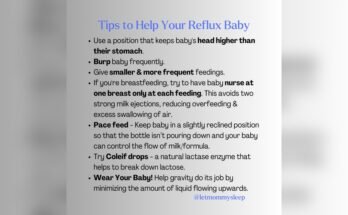
Managing Reflux
Reflux happens when stomach milk comes back up. It can make babies spit up and feel upset. Feed smaller amounts more often to reduce reflux. Keep your baby in an upright position during and after feeding. Avoid tight diapers or clothes that press on the tummy. Talk to your doctor if reflux seems severe or causes weight loss.
Overcoming Nursing Difficulties
Some babies may have trouble latching or sucking well. Check if your baby’s mouth opens wide before latching. Try different breastfeeding positions to find the most comfortable one. Use a nipple shield if your baby has trouble sucking. Stay patient and calm; feeding takes practice for both. Seek help from a lactation consultant if problems continue.
Maintaining Hygiene And Safety
Maintaining hygiene and safety is key to feeding a newborn properly. Babies have delicate immune systems. Clean feeding tools help protect them from germs and illness. Parents must follow simple steps to keep everything safe and clean.
Sterilizing Feeding Equipment
Always sterilize bottles, nipples, and other feeding tools before use. Boil them in water for at least five minutes. Use a steam sterilizer if available. Sterilizing kills harmful bacteria that can make your baby sick. Wash hands before handling any feeding equipment.
Safe Formula Preparation
Use clean, fresh water to prepare formula. Boil water and let it cool to the right temperature. Follow the instructions on the formula package exactly. Do not add extra water or powder. Prepare only the amount your baby will drink in one feeding.
Avoiding Contamination Risks
Keep feeding areas clean and dry. Store formula powder in a cool, dry place. Do not touch the inside of bottles or nipples. Throw away leftover milk after each feeding. Wash your hands before every feeding session. These steps reduce the risk of contamination.
Supporting Your Well-being
Supporting your well-being is important while feeding a newborn. Taking care of yourself helps you care for your baby better. Feeding times can feel tiring or stressful. A healthy mind and body make feeding easier and more enjoyable.
Self-care For Feeding Parents
Rest when possible. Sleep helps your body heal and stay strong. Drink plenty of water to stay hydrated. Eat small, healthy meals to keep your energy up. Take short breaks during feeding to stretch or breathe deeply. These small acts help you stay calm and patient.
Seeking Support And Resources
Ask for help from family or friends. Sharing feeding duties can reduce stress. Join local or online parent groups for advice and comfort. Talk to health professionals about feeding challenges. They offer useful tips and reassurance. Support makes feeding less overwhelming.
Balancing Feeding With Daily Life
Plan feeding times around your daily tasks. Keep feeding supplies ready and nearby. Use a timer or reminder to keep on schedule. Allow flexibility for your baby’s needs. Combine feeding with relaxing activities like listening to soft music. Balance keeps feeding manageable and less stressful.
Frequently Asked Questions
How Often Should I Feed My Newborn Daily?
Newborns typically need feeding every 2 to 3 hours. This equals about 8 to 12 feedings in 24 hours. Frequent feeding supports healthy growth and hydration.
What Is The Best Position To Feed A Newborn?
Hold your newborn in a semi-upright position. Support their head and neck gently. This helps ensure proper swallowing and reduces choking risk.
How Much Milk Does A Newborn Need Per Feeding?
Newborns usually consume 1. 5 to 3 ounces per feeding. Amounts gradually increase as they grow. Watch for hunger cues to adjust feeding volumes.
How Can I Tell If My Newborn Is Getting Enough Milk?
Check for regular wet diapers and steady weight gain. Content behavior after feeding also indicates sufficient milk intake. Consult your pediatrician if concerned.
Conclusion
Feeding a newborn takes patience and care. Watch your baby’s hunger signs closely. Keep feeding times calm and comfortable. Choose feeding methods that suit your baby best. Stay consistent but flexible with feeding routines. Ask for help if you feel unsure.
Every baby grows and feeds at their own pace. Trust your instincts and keep learning. Proper feeding supports your baby’s health and happiness. You’re doing an important job—keep it up.